Yes, there are two birthstones for July. If you were expecting a simple answer, there it is. But the real story behind July's dual gems—the fiery red ruby and the deep black onyx—is a tangled mix of ancient tradition, modern marketing, and a whole lot of confusion at jewelry counters. One is celebrated, coveted, and expensive. The other is often overlooked, misunderstood, and surprisingly versatile. Knowing which one is "official" depends on who you ask and what list you're looking at, and that's where most quick online guides stop. Let's dig deeper.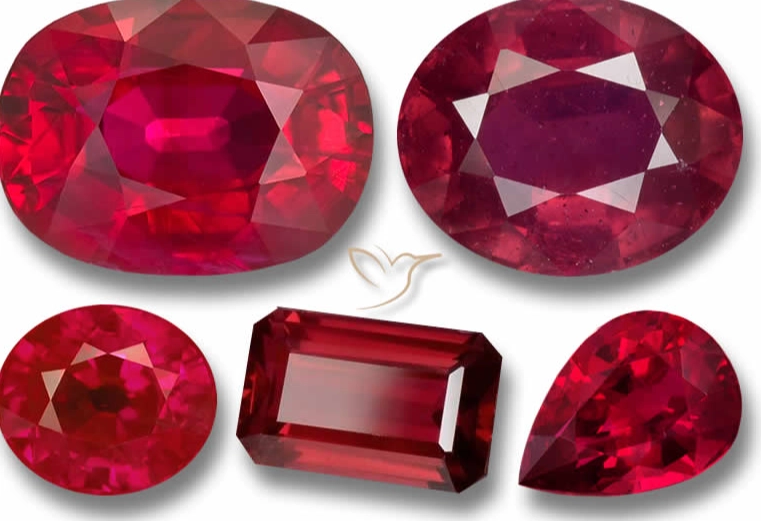
What’s Inside This Guide
Why Does July Have Two Birthstones?
This isn't some modern gimmick. The duality goes back centuries. The American Gem Trade Association (AGTA) and the Jewelers of America officially list only ruby as the modern July birthstone. This is the list most retailers in the US follow. But if you look at older, traditional lists—like the ancient Hebrew, Roman, or Italian calendars—you'll often find onyx assigned to July.
Think of it like this: Ruby is the "modern standard," the one you'll see in most birthstone charts. Onyx is the "traditional" or "mystical" counterpart, holding its ground from historical lore. The Gemological Institute of America (GIA), a top authority, acknowledges both in its educational materials, noting onyx's historical place.
The Key Takeaway: Ruby is the primary, consensus July birthstone. Onyx is a secondary, traditional stone. You're not wrong to claim either, but knowing this hierarchy helps when shopping or settling debates.
Many jewelers will present onyx as an affordable or masculine alternative to ruby, which isn't entirely wrong but sells onyx short. It has its own unique symbolism—grounding, protection, strength—that has nothing to do with being a "budget ruby."
Ruby: The Undisputed King of July
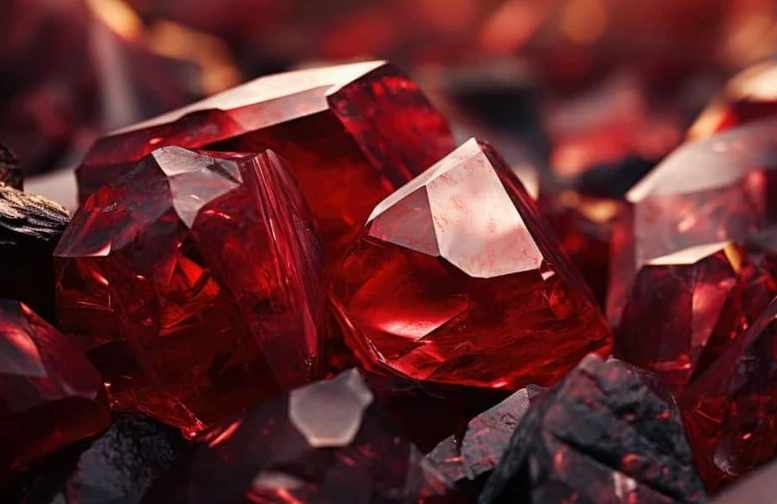
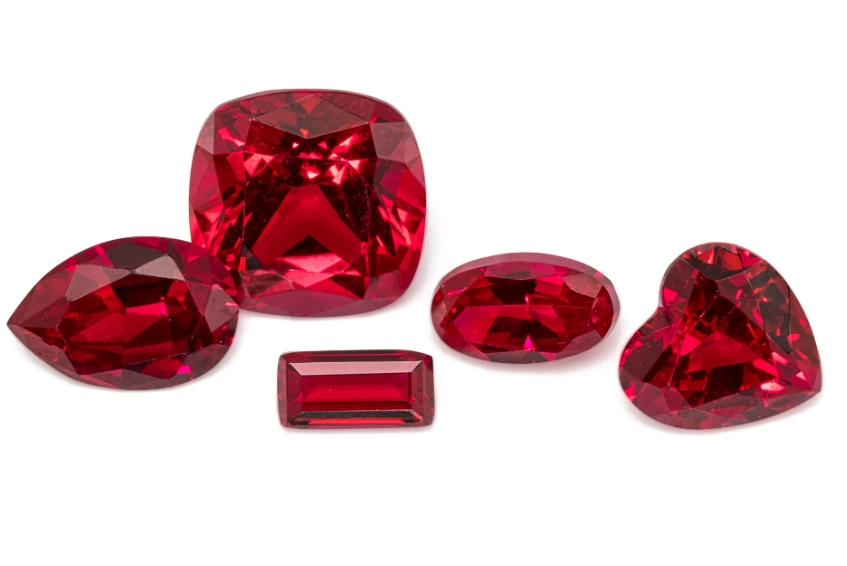
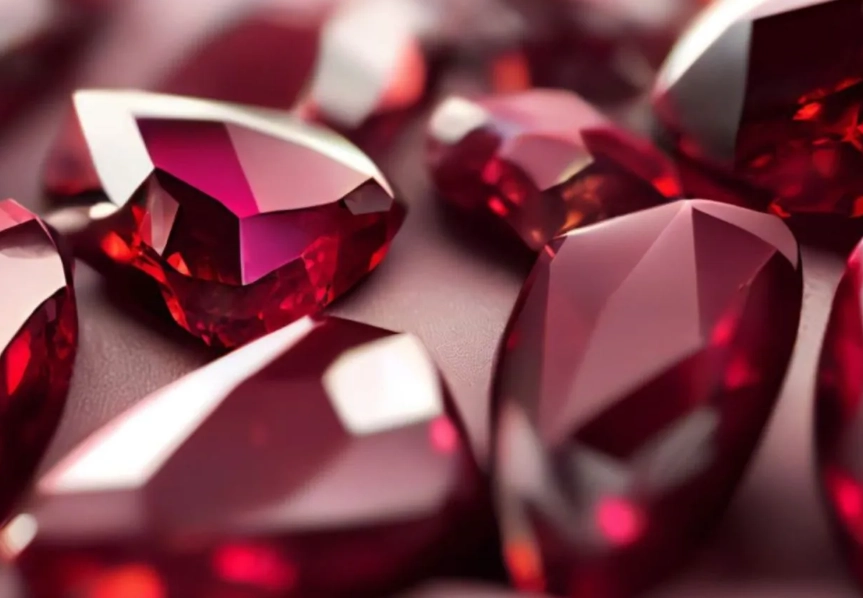
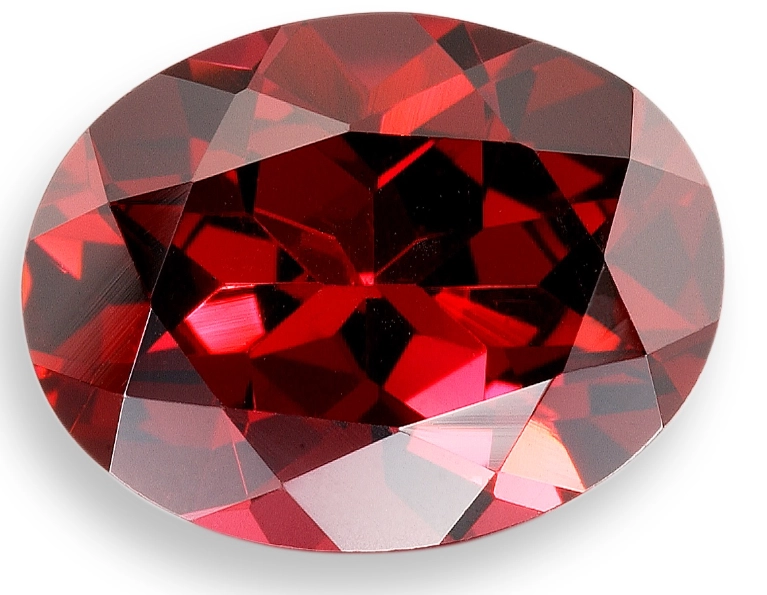
Rubies are corundum, the same mineral family as sapphire, but colored red by chromium. That red is everything. The most prized shade is called "pigeon's blood"—a pure, vibrant red with a hint of blue. Not brownish, not pinkish.
What Makes a Ruby Valuable (Beyond Just Color)
Everyone talks about color, but clarity and cut are where novices get tripped up. Unlike diamonds, inclusions in a ruby are expected. A completely flawless ruby is almost unheard of and should raise suspicion. Some inclusions, like fine silk, can even create a soft glow (called "silk") that enhances the stone's value.
The cut is crucial. A good cutter sacrifices weight to preserve that perfect red. I've seen too many dark, windowed rubies where the cutter kept every possible carat, killing the life of the stone. A well-cut ruby glows from within, even under dim light.
Treatments are the elephant in the room. The vast majority of rubies on the market are heat-treated to improve color and clarity. This is an accepted, permanent practice. However, lead-glass filled rubies are a different story—they are fragile, require extreme care, and must be sold with full disclosure. Always ask: "Has this ruby been treated, and if so, how?"
Onyx: The Powerful (and Misunderstood) Alternative
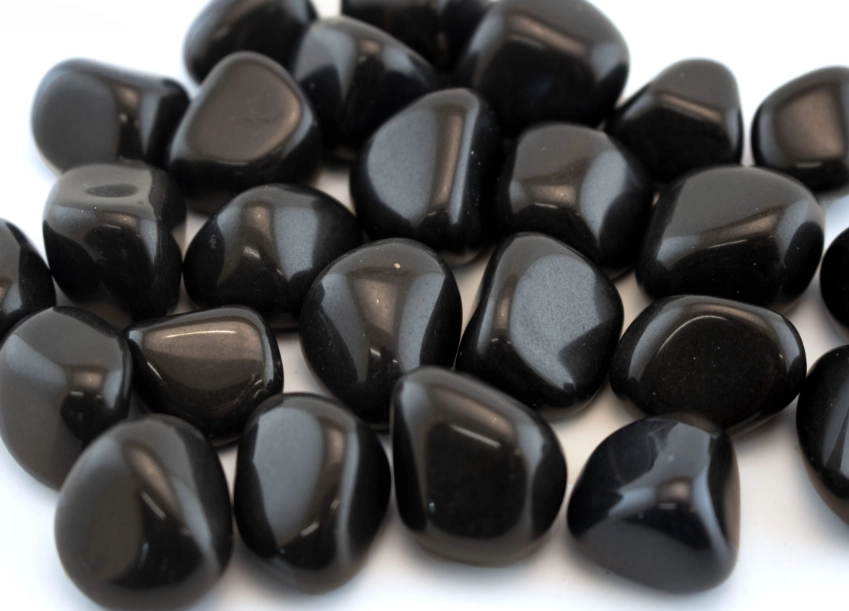
Onyx is a banded variety of chalcedony (quartz). The pure black onyx used in jewelry is often dyed to achieve that uniform, jet-black color. Natural solid black onyx exists but is rarer.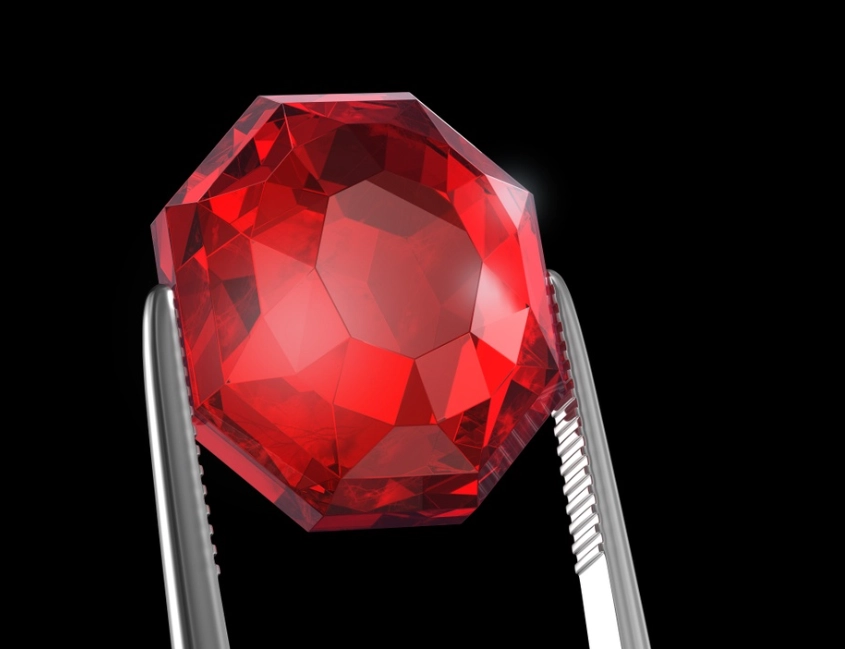
Its historical connection to July is profound. Ancient warriors carried onyx talismans for protection in battle. It was believed to absorb negative energy. Today, that translates into a stone symbolizing grounding, focus, and resilience. It's not a stone of flashy passion like ruby, but of quiet, determined strength.
Onyx is incredibly practical. With a Mohs hardness of 7, it's durable for daily wear. Its deep black color is neutral, making it arguably more versatile than ruby for everyday jewelry. A black onyx signet ring or pair of studs goes with absolutely everything. It's also a fraction of the cost, making statement pieces like large cufflinks or bold cocktail rings accessible.
The biggest mistake people make is thinking of onyx as a "cheap" stone. In fine jewelry, it's often paired with high-karat gold and diamonds. Its value lies in the craftsmanship and design, not the raw material cost per carat.
Ruby vs. Onyx: A Side-by-Side Breakdown
| Feature | Ruby | Onyx |
|---|---|---|
| Primary Association | Modern & primary July birthstone | Traditional & secondary July birthstone |
| Mineral Family | Corundum | Chalcedony (Quartz) |
| Hardness (Mohs) | 9 (Exceptional) | 7 (Good for daily wear) |
| Key Symbolism | Passion, love, vitality, wealth, courage | Protection, grounding, strength, focus |
| Typical Colors | Red (pinkish-red to purplish-red) | Solid black (often dyed), also banded |
| Price Range (for a standard piece) | High to very high. A 1ct decent quality stone can cost thousands. | Low to moderate. The setting (e.g., gold, diamonds) dictates the price. |
| Best For | Heirloom pieces, statement rings, celebration gifts. | Everyday jewelry, masculine designs, bold geometric pieces, budget-conscious choices. |
| Maintenance | Ultrasonic cleaners usually safe for untreated/heat-treated stones. Avoid harsh chemicals. | Clean with warm soapy water. Avoid ultrasonics (can loosen dye), prolonged soaking, harsh chemicals. |
How to Choose Your July Birthstone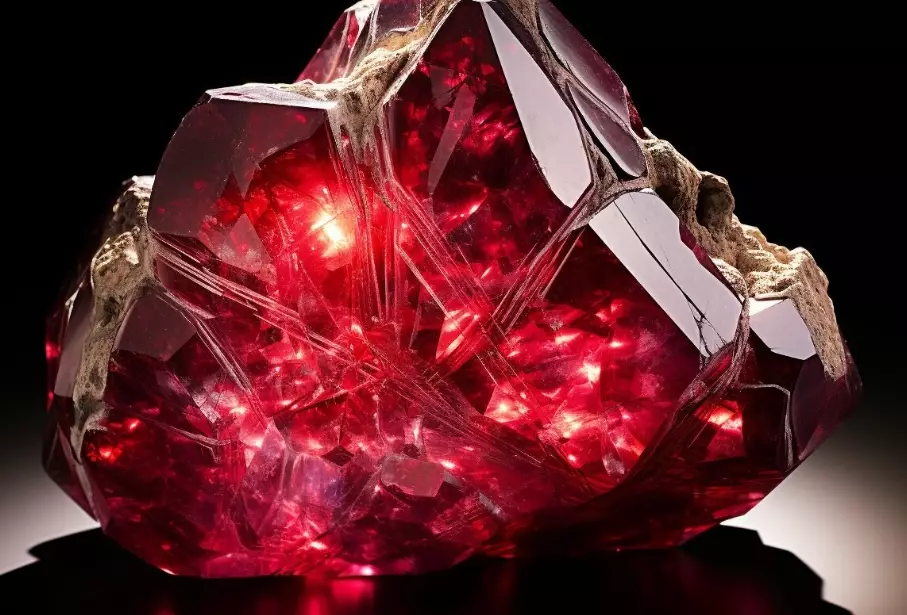
This isn't about which is "better." It's about which is better for you. Ask yourself these questions:
What's your budget?
If your budget is under $500 for the stone itself, onyx (or a very small ruby) is your realistic path. Quality rubies command premium prices.
What's your lifestyle?
If you work with your hands or want a ring you never take off, ruby's hardness of 9 is a major advantage. Onyx is durable, but more prone to scratching over decades of abuse.
What's your personal style?
Do you love bold color and classic glamour? Ruby's your star. Do you lean towards modern, minimalist, or edgy monochrome looks? Onyx will integrate seamlessly.
What's the occasion?
A milestone birthday or anniversary screams for the significance of a ruby. A daily self-purchase or a stylish gift might be perfectly served by a sleek onyx design.
You can also combine them. I've designed pieces with a central ruby flanked by black onyx—it's stunning and honors both histories.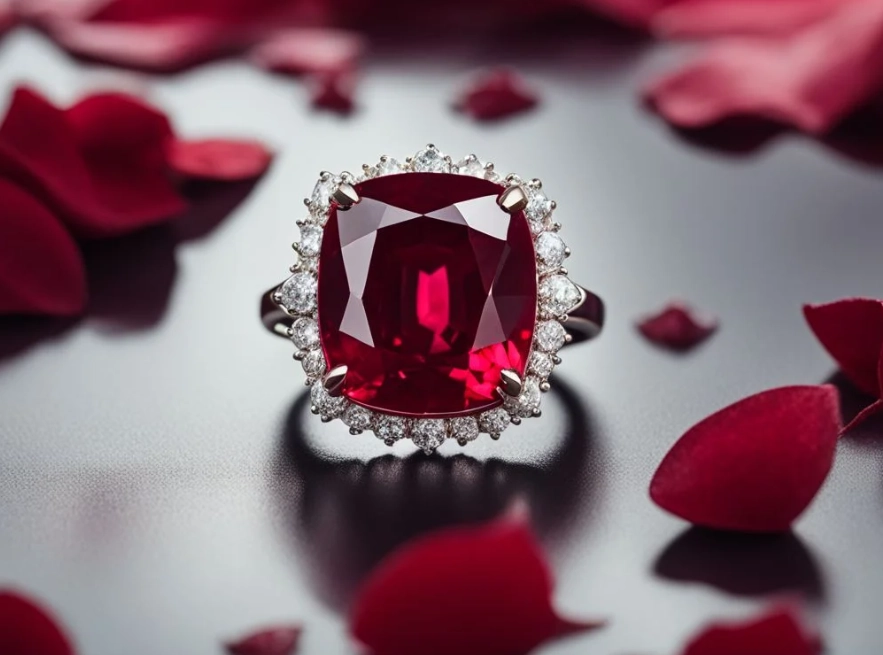
Your July Birthstone Questions, Answered
Is onyx a "lesser" birthstone than ruby?
Only if you judge by price and modern popularity. Historically, onyx held equal or greater symbolic weight. Its "value" in birthstone jewelry comes from personal meaning and design, not carat weight. Choosing onyx isn't settling; it's making a different stylistic and symbolic choice.
I have a limited budget but want a ruby. What are my options?
Consider a smaller stone. A beautifully cut 0.25-carat ruby in a simple setting has more impact than a larger, poorly cut one. Look for lab-created rubies—they are chemically identical, often have superior color and clarity, and are significantly more affordable. Just ensure they are disclosed as such. Another route is ruby melee (tiny stones) used in pavé or accent bands.
 How can I tell if my black stone is real onyx?
Real onyx (or dyed onyx) will be cool to the touch and feel heavy for its size (dense). A quick, risky test is to touch it with a hot needle in an inconspicuous spot; plastic will melt, glass will get hot, onyx will resist. Safer methods: check for a waxy luster (characteristic of chalcedony) and ask the seller for a material guarantee. Most affordable jewelry uses genuine dyed onyx—it's cheap enough that faking it with plastic isn't common.
Can men wear ruby as a birthstone?
Absolutely. The idea that ruby is feminine is a modern marketing construct. Historically, rubies adorned the armor and rings of kings and warriors as a talisman of protection and power. Look for deeper, darker reds in masculine settings like signet rings, cufflinks, or bold bezel-set pendants. A deep crimson ruby in yellow gold is a powerfully classic look.
My July-born friend doesn't like red or black. What's a good alternative?
Some alternative lists include carnelian, a reddish-orange chalcedony, for July. It's vibrant, affordable, and has a sunny, energetic vibe. Turquoise is also occasionally listed in very old traditions. You could also explore other red or black adjacent stones like red spinel (often mistaken for ruby) or black spinel (brighter luster than onyx). The best gift aligns with their taste, even if it steps slightly outside traditional lists.