What You'll Find in This Guide
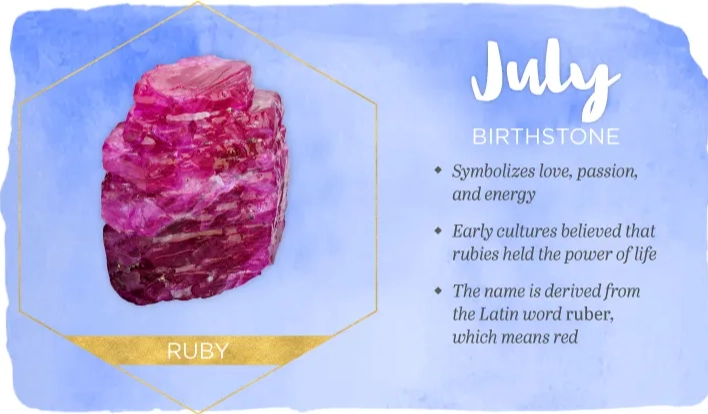
If you're born in July, your birthstone is the ruby—a gem synonymous with passion and power. But here's a fact that even many jewelry enthusiasts miss: the rarest July birthstone isn't just any ruby; it's the legendary Pigeon's Blood ruby from Myanmar. I've been in the gem trade for over a decade, and I can tell you that most people overlook the subtle details that define true rarity. In this guide, we'll dive deep into what makes this gem so elusive, how to identify it, and why it commands astronomical prices. Forget the generic info you find online; we're getting into the nitty-gritty that experts know.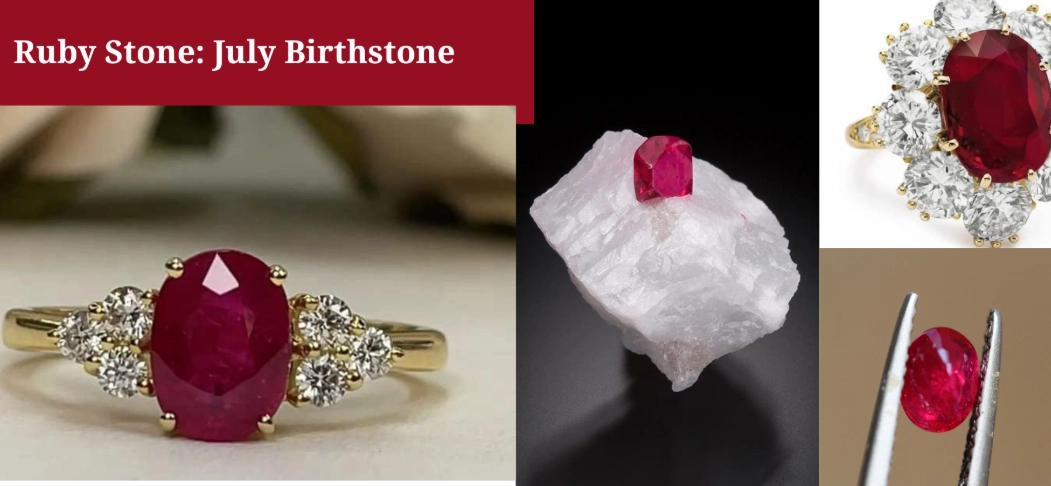
Introduction: The Ruby Realm
Rubies have been cherished for centuries, but not all are created equal. The rarity of a ruby depends on a cocktail of factors: color, clarity, cut, carat, and most importantly, origin. From my experience, I've seen collectors pay millions for a single carat of the right ruby, while others settle for common varieties without realizing the difference. Let's cut to the chase: the rarest July birthstone is the Pigeon's Blood ruby, but understanding why requires peeling back layers of gemology and market dynamics.
Think about it. When you search for "rarest July birthstone," you're probably not just curious—you might be planning a special gift, considering an investment, or trying to avoid getting ripped off. That's exactly what we'll cover.
What Makes a Ruby Truly Rare?
Rarity in gemstones is a nuanced concept. It's not just about scarcity; it's about the perfect storm of characteristics that gemologists dream of. For rubies, the key elements are:
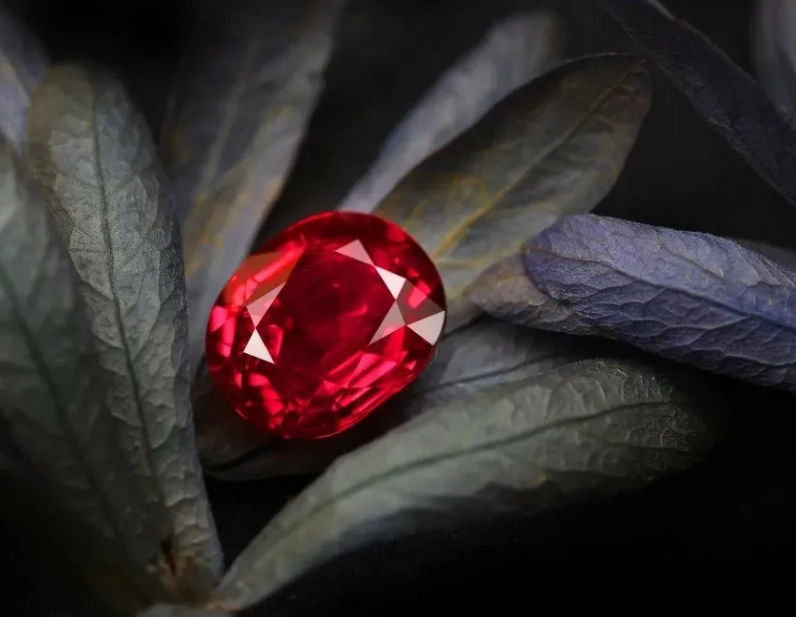
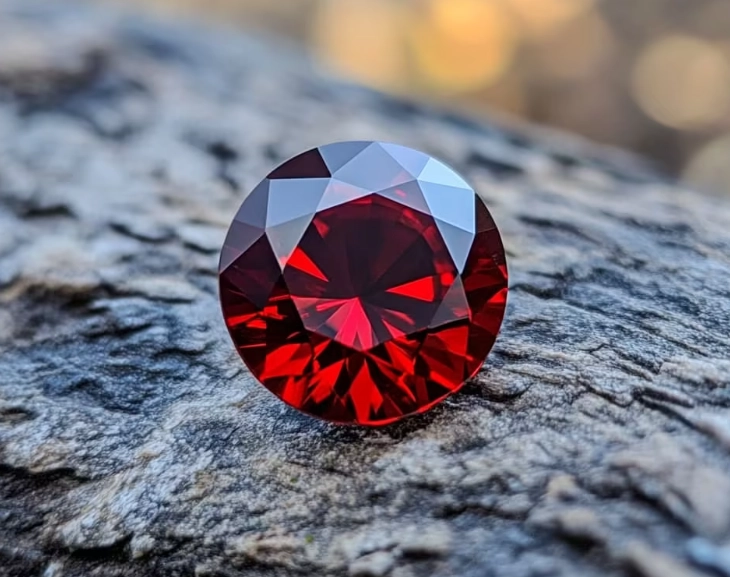
- Color: The most critical factor. A true rare ruby boasts a vibrant, saturated red with a hint of blue, often described as "pigeon's blood." Anything else—like brownish or pinkish tones—drops the value significantly.
- Clarity: While most rubies have inclusions (natural imperfections), the rarest ones have minimal flaws that don't affect brilliance. Too many fractures or clouds? That's a red flag.
- Origin: Rubies from Myanmar (formerly Burma) are historically the most prized, especially those from the Mogok region. Origin matters because geology affects color and fluorescence.
- Treatment: Untreated or naturally heated rubies are rarer and more valuable than those with enhancements. Heat treatment is common, but it lowers rarity.
I remember a client once brought me a ruby that looked perfect to the naked eye. Under magnification, though, it was full of fractures filled with glass—a cheap treatment to mask flaws. That's a common pitfall: buyers get dazzled by color and overlook treatments. Always dig deeper.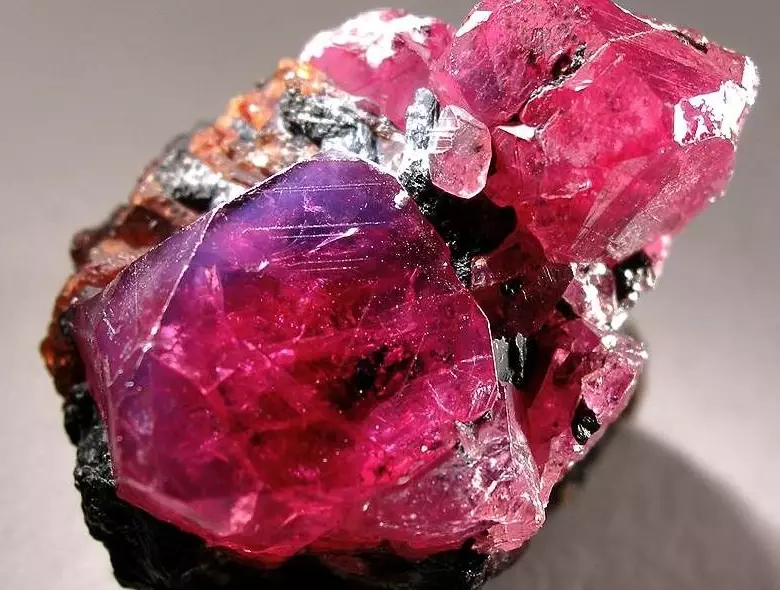
The Pinnacle: Pigeon's Blood Ruby
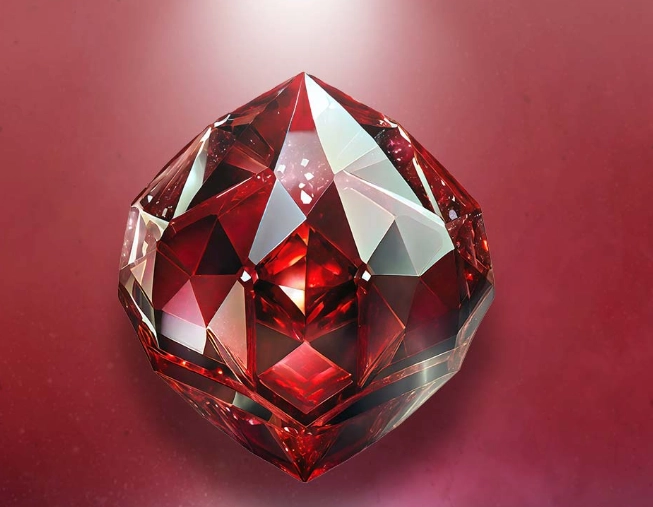
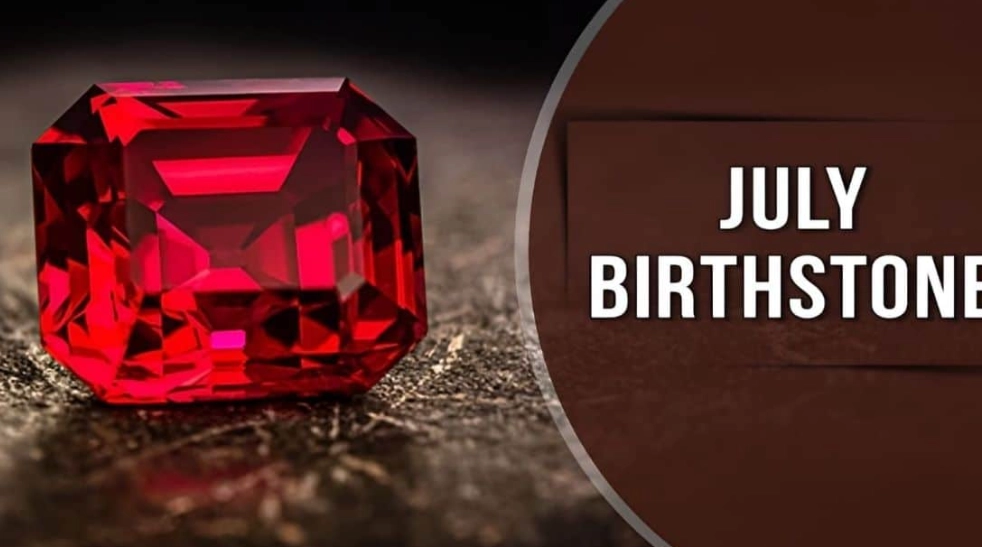
The term "Pigeon's Blood" refers to a specific hue of red—a pure, vivid red with a slight purplish or bluish secondary tone. It's named after the color of a pigeon's eye, and trust me, seeing one in person is an experience. These rubies are almost exclusively from Myanmar, and their supply is dwindling due to mining restrictions and depletion.
In 2015, a 25.59-carat Pigeon's Blood ruby called the "Sunrise Ruby" sold for over $30 million at auction. That's roughly $1.2 million per carat! But not all Pigeon's Blood rubies are that expensive; smaller stones can be more accessible, yet still rare. The catch? Many dealers misuse the term to boost prices. True Pigeon's Blood requires certification from labs like GIA or SSEF.
The Mogok Valley: A Legendary Source
Mogok in Myanmar is the holy grail for ruby miners. The geology there produces rubies with a unique fluorescence that enhances their color under light. However, political issues and ethical concerns make sourcing from this region challenging. If you're buying a Mogok ruby, ensure it comes with proper certification and ethical documentation. I've seen too many "Burmese rubies" that are actually from Mozambique or Thailand—buyer beware.
Beyond Pigeon's Blood: Other Rare Rubies
While Pigeon's Blood tops the list, other rare varieties exist. Don't ignore these; they can be gems in their own right.
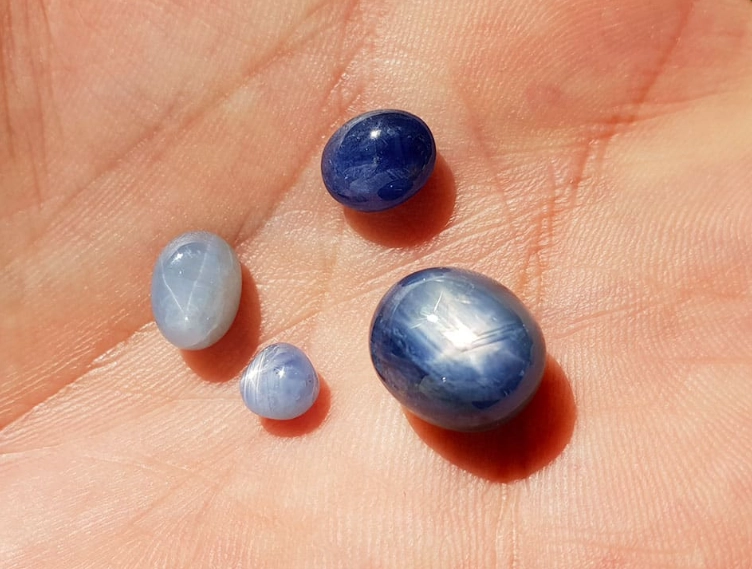
- Star Rubies: These display an asterism (star effect) due to needle-like inclusions. A clear, centered star on a vibrant red background is extremely rare. I once appraised a star ruby where the star was off-center—it dropped the value by 40%.
- Untreated Rubies: Most rubies on the market are heat-treated to improve color and clarity. Naturally pristine rubies with no treatment are scarce and highly valued. According to GIA reports, less than 5% of high-quality rubies are untreated.
- Large, Flawless Rubies: Rubies over 5 carats with excellent color and minimal inclusions are rarer than diamonds of similar quality. They're often reserved for museums or private collections.
Here's a quick comparison to help you gauge rarity and price:
| Type | Key Feature | Rarity Level | Approx. Price per Carat |
|---|---|---|---|
| Pigeon's Blood (Myanmar) | Vivid red with blue hue | Extremely High | $10,000 - $1,000,000+ |
| Star Ruby (Fine Quality) | Sharp, centered star | High | $5,000 - $50,000 |
| Untreated Ruby (Natural) | No heat treatment | Very High | $8,000 - $100,000 |
| Large Flawless Ruby | >5 carats, excellent clarity | Extremely High | $20,000 - $500,000 |
Prices vary widely based on market conditions and specific attributes. Always get a gemological report before investing. I've seen prices spike during auctions, but for everyday buyers, focus on certification over hype.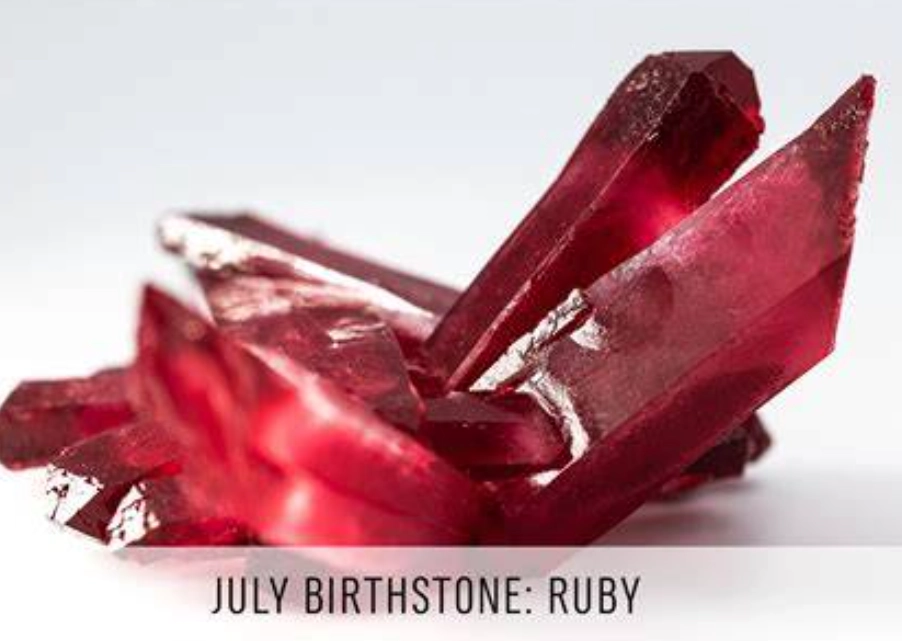
How to Spot a Rare Ruby: A Practical Guide
Identifying a rare ruby isn't just for experts. Here are some steps you can take, even if you're new to gems.
- Check the Color: Use natural light, not store lighting. A rare ruby should glow with an intense red, not look brownish or pinkish. Compare it to standard red objects—it should stand out. If it looks too perfect, it might be synthetic.
- Examine Under Magnification: Use a 10x loupe (you can buy one online for $20). Look for inclusions; some are acceptable (like silk), but too many or fractures reduce value. Star rubies should have a sharp, centered star—if it's blurry, it's lower quality.
- Verify Certification: Insist on a report from a reputable lab like GIA, AGL, or SSEF. These documents detail origin, treatments, and quality. Don't trust seller-provided certificates without verification; I've encountered fakes.
- Ask About Origin: If the seller claims it's from Myanmar, ask for proof. Many rubies from other regions (like Mozambique or Madagascar) are mislabeled. Ethical sourcing is a plus, but it adds complexity.
I once helped a friend avoid a scam where a dealer was selling a Thai ruby as Burmese. The certificate was fake, but by checking the inclusions pattern under a loupe, we caught it. Trust tools, not just talk.
Buying Rare Rubies: Market Trends and Tips
The market for rare rubies is niche but growing. With increasing demand from Asia and limited supply, prices are rising. Here's what to know before you buy.
- Where to Buy: Reputable auction houses (like Sotheby's or Christie's), specialized gem dealers, or certified online platforms. Avoid random online listings without certification—I've seen too many disappointments there.
- Price Range: As shown in the table, prices can be steep. For investment-grade Pigeon's Blood rubies, expect to pay at least $10,000 per carat, often much more. Smaller stones (under 1 carat) might be more affordable but still rare.
- Investment Potential: Rare rubies have appreciated over time, but they're illiquid. Don't buy solely for investment unless you're prepared to hold long-term. I've seen investors get stuck because they couldn't sell quickly during a market dip.
A common mistake is prioritizing size over quality. A small, high-quality ruby is often a better buy than a large, mediocre one. Think color first, then carat.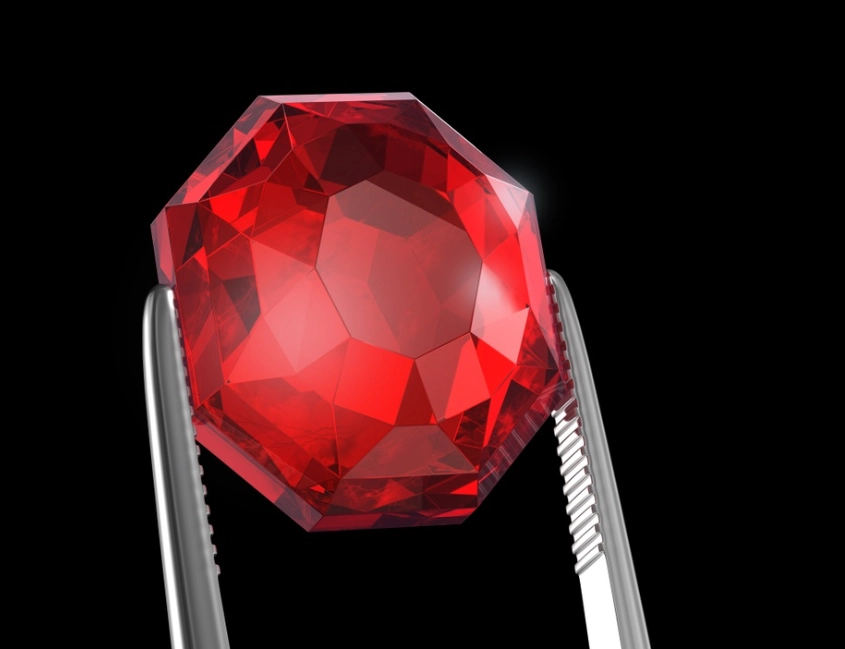
Caring for Your Prized Ruby
Rare rubies are durable (9 on the Mohs scale) but need care. Clean them with mild soap and water, avoid harsh chemicals, and store separately to prevent scratches. Ultrasonic cleaners are generally safe for untreated rubies, but if in doubt, consult a professional.
I've seen rubies damaged by improper cleaning—one client used bleach on a star ruby and ruined the surface. Don't make that error. Also, avoid exposing them to extreme heat; it can alter color in treated stones.
FAQs: Your Questions Answered
 Is a Pigeon's Blood ruby worth the high price for a July birthstone gift, or should I opt for something else?