Ask someone the color of the April birthstone, and nine times out of ten they'll say "clear" or "white." That's the common knowledge. But after twenty years in the gem trade, I can tell you that's where most online guides stop, leaving a huge gap in understanding. The real story of the April birthstone's color is far more nuanced, practical, and honestly, more interesting. It's not just about a pristine, colorless stone. It's about a whole world of hues—from icy whites to warm champagnes and even rare blues—and knowing how to navigate that world can save you thousands or lead you to a truly unique piece. Let's move past the basics and talk about what you actually need to know to buy, wear, and love a diamond.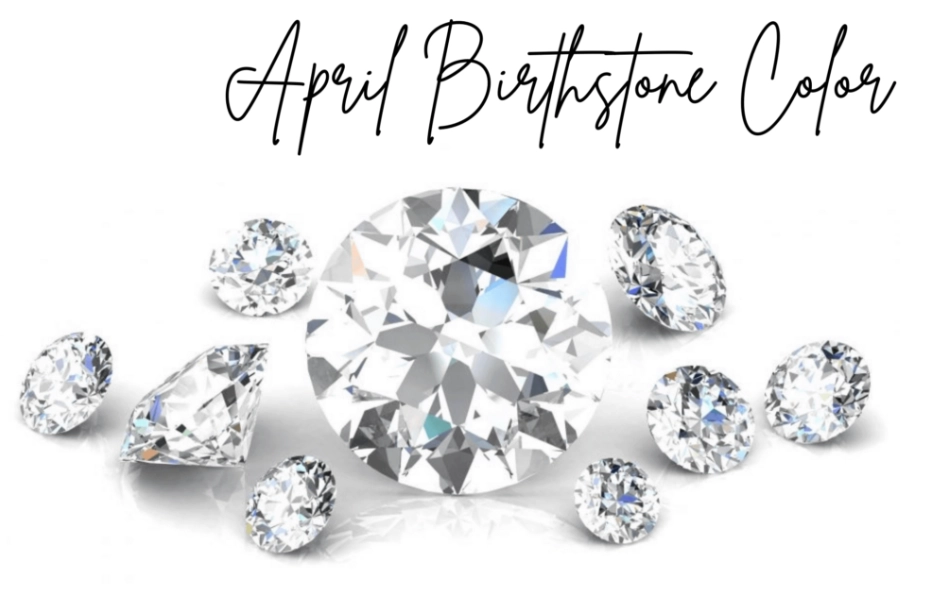
What You'll Discover in This Guide
What Color Is the April Birthstone Diamond, Really?
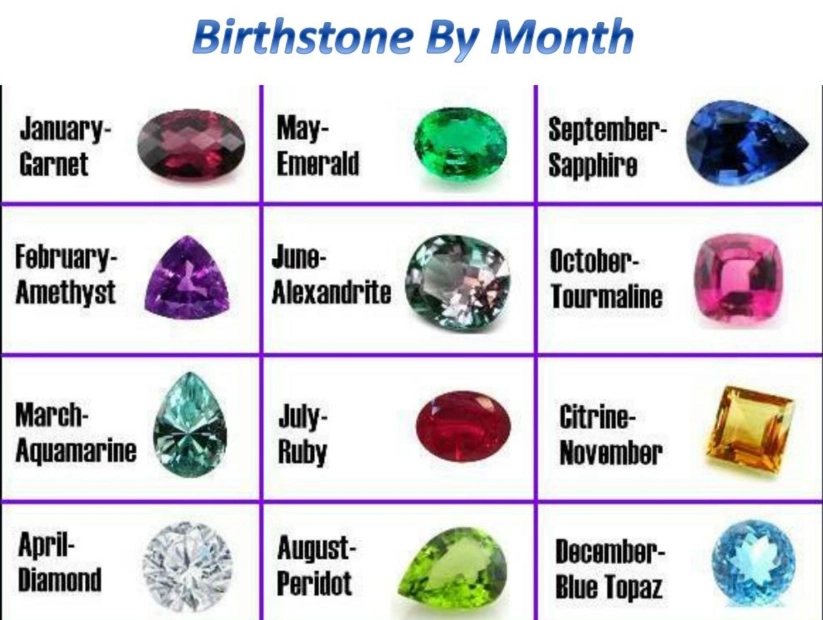
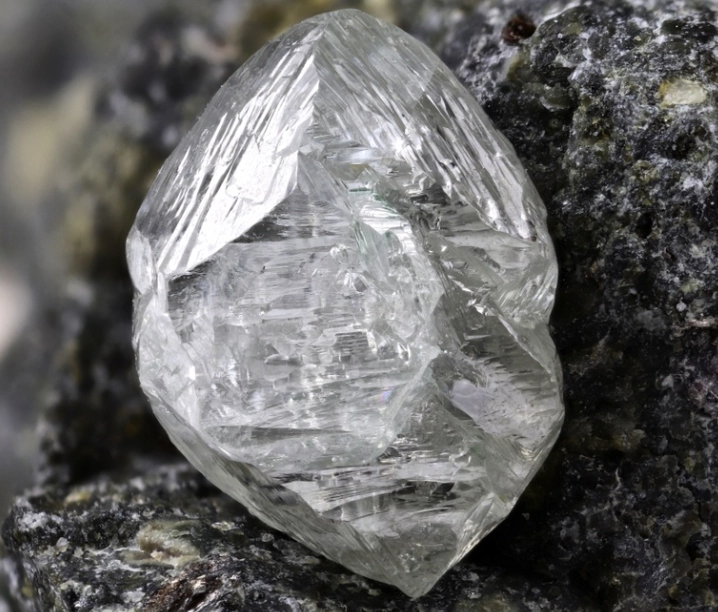
Officially, the April birthstone is diamond, period. The American Gem Trade Association (AGTA) and other major gemological bodies list diamond as the sole modern birthstone for April. But when we talk about "color," we enter a technical and aesthetic debate.
The classic, ideal image is a perfectly colorless stone. In the gem world, we call this "D-color" at the top of the scale. It's like a drop of pure, frozen water. But here's the twist most people miss: the vast majority of diamonds used in jewelry have a slight hint of color, usually a very pale yellow or brown. This isn't a flaw; it's the natural character of the stone. The famous Gemological Institute of America (GIA) color scale exists precisely to measure this subtlety, ranging from D (colorless) all the way down to Z (light yellow or brown).
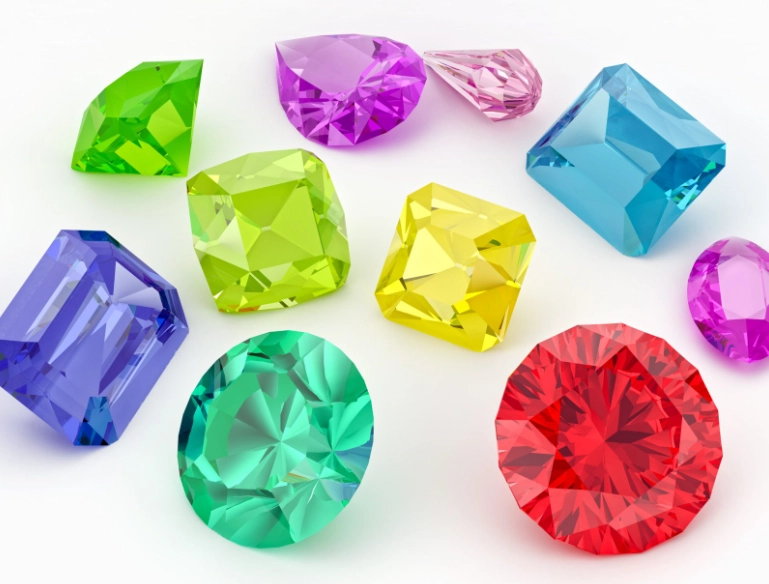
So, the true answer? The April birthstone's color is a spectrum. It spans from the rarefied, icy clarity of a D-grade stone to the warm, antique glow of a M-grade stone, and even bursts into vivid yellows, pinks, and blues in the realm of "fancy color" diamonds.
A Quick Reality Check: If you're shopping for a diamond, you are almost certainly looking at stones in the G-H-I-J range. These are "near colorless" and offer the best balance of white appearance and value. Chasing a D-Flawless stone is often an unnecessary premium unless your budget has no ceiling.
The Diamond Color Grading System Demystified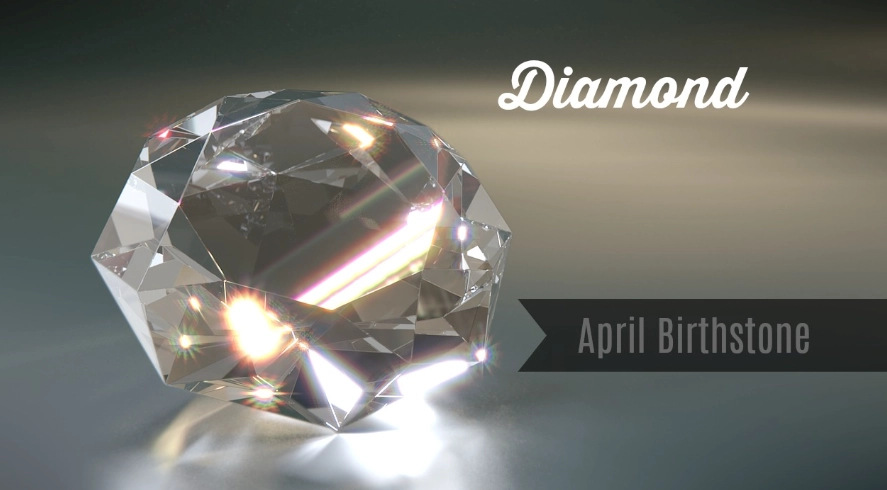
The GIA D-to-Z scale is the global standard. It's not intuitive—why start at D?—but it's precise. Grading is done under controlled lighting by comparing the diamond to master stones of known color.
Here’s a breakdown of what those letters actually mean for how the stone looks on your finger:
| GIA Grade Range | Common Name | What You See (Face-Up) | Best Setting To Mask Color |
|---|---|---|---|
| D, E, F | Colorless | No perceptible color. Pure, icy white. | Any metal. Platinum and white gold enhance the icy look. |
| G, H, I, J | Near Colorless | Virtually no color face-up to the untrained eye. A slight warmth might be seen from the side, especially in I-J. | White gold or platinum. Yellow gold can make I-J stones appear slightly more yellow. |
| K, L, M | Faint Yellow | A faint but noticeable warm tint. Can have a charming, vintage appeal. | Yellow or rose gold is ideal. The setting color blends with the stone's warmth. |
| N to Z | Very Light to Light Yellow | Distinct light yellow or brown color. These are budget-friendly and have a distinct personality. | Must be set in yellow gold. A white setting will make the color look more pronounced. |
The biggest mistake I see? People buying a K-color diamond and setting it in white gold. It screams "yellow" because of the contrast. Match the metal to the warmth of the stone, and suddenly a "lower" grade looks intentional and beautiful.
Color vs. the Other C's: A Balancing Act
Color doesn't exist in a vacuum. It plays off cut and clarity.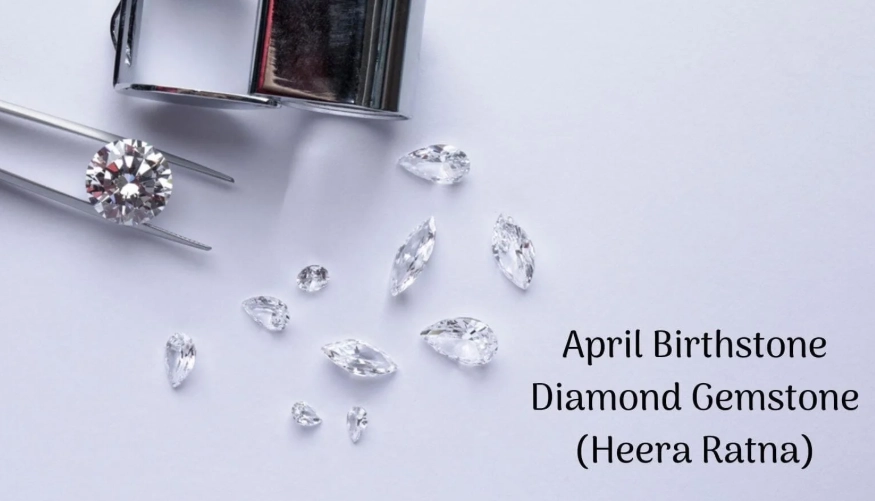
A well-cut diamond (Excellent or Ideal cut) reflects light so brilliantly it can mask a lower color grade. The sparkle distracts your eye. Conversely, a poorly cut stone, even if it's a D color, can look dull and glassy.
Clarity matters less for color perception, but inclusions can sometimes cast a gray shadow. My rule of thumb? Prioritize Cut first, then find the best Color you can afford within that, and let Clarity be the compromise. A VS2 clarity is almost always eye-clean, and you can drop to SI1 with a careful selection.
How to Choose the Right Diamond Color for Your Budget & Style
This is where theory meets the wallet. Let's talk strategy.
For an Engagement Ring (Round Brilliant, the most common):
If your setting is white metal, aim for G, H, or I color. An H color is the sweet spot for most. It looks white in a white setting, and the price jump from H to G is more significant than the visual difference. If you're going with yellow or rose gold, you can confidently go to J or even K color. The metal's warmth absorbs the stone's warmth, and you can put the savings into a larger carat weight or a better cut.
For Fancy Shapes (Oval, Emerald, Pear, Cushion):
Be careful. Shapes like emerald and Asscher cuts have large, open facets (like a hall of mirrors) that show color more easily than a round brilliant. For these, I'd recommend staying in the G-H range for white metals. Rounds and radiants are more forgiving.
Personal Anecdote: I helped a client choose an M-color, antique cushion-cut diamond for a rose gold halo setting. The stone had a rich champagne hue. She paid a fraction of what a "white" diamond would cost, and the ring gets more compliments than any D-color solitaire I've seen. It had character.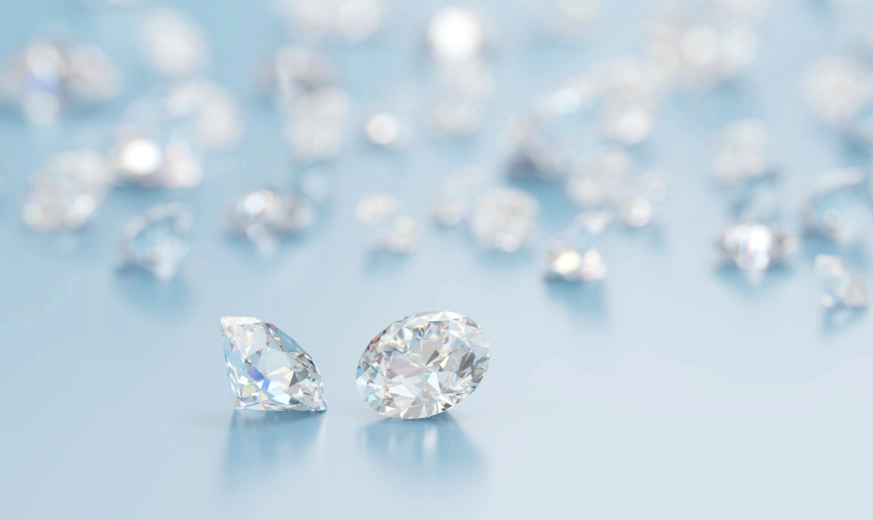
Beyond White: Exploring Colored & "Fancy" Diamonds
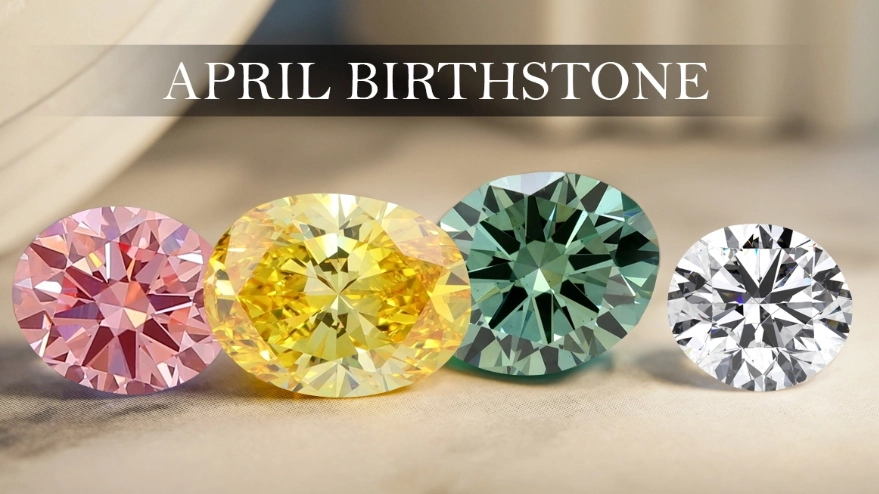
This is the fun part. When a diamond's color is beyond the Z pale yellow, it enters the "Fancy Color" category. These are not graded on the D-Z scale but on the intensity of their hue (Fancy Light, Fancy, Fancy Intense, Fancy Vivid).
- Canary Yellow Diamonds: The most accessible fancy color. A vibrant, sunny yellow caused by nitrogen atoms. A stunning alternative for an April birthstone gift.
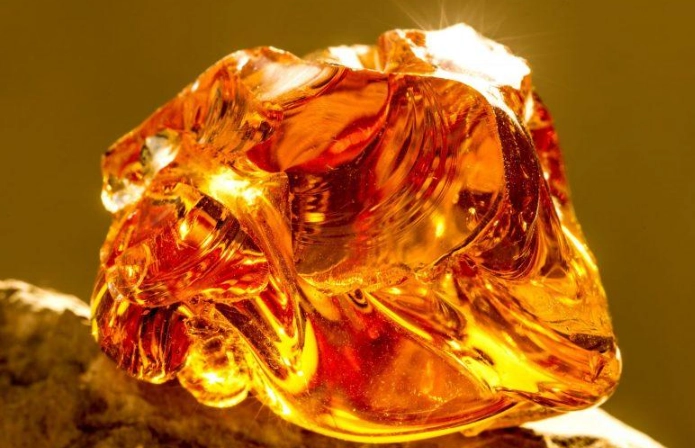
- Champagne & Cognac Diamonds: These are brown diamonds, marketed with warmer names. They range from light beige to deep, rich cognac. Incredibly stylish and unique.
- The Rare Blues & Pinks: Caused by boron (blue) or intense pressure distorting the crystal lattice (pink). These are auction-house level rare and expensive. A blue diamond is the ultimate April birthstone for someone who has everything.
Then there's the lab-grown diamond revolution. You can now get lab-created fancy colored diamonds—vivid yellows, blues, even pinks—at a fraction of the cost of a mined equivalent. For a birthstone piece where you want a pop of color without a six-figure price tag, this is a game-changer.
Keeping Your Diamond's Fire Alive: Care & Cleaning
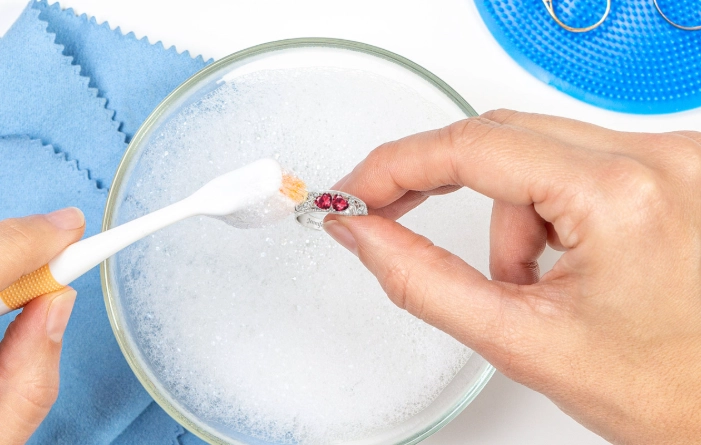
A dirty diamond is a dull diamond. Oils from your skin, lotion, and everyday grime stick to it and drastically reduce its sparkle, making it look more yellow and cloudy. Cleaning is non-negotiable.
The Simple Home Routine:
1. Soak in a bowl of warm water with a few drops of mild dish soap (like Dawn) for 20-30 minutes.
2. Gently scrub with a super-soft toothbrush, focusing on the back (pavilion) where grease collects.
3. Rinse under warm running water.
4. Pat dry with a lint-free cloth (microfiber is perfect).
Professional Check-up: Have your jeweler inspect the prongs and clean it ultrasonically once a year. An ultrasonic cleaner is great, but don't use it on fractured stones or if the setting is loose.
Your Diamond Color Questions, Answered
Is a lower color grade diamond (like K or L) a bad choice for an engagement ring?
Not at all, but it requires a strategic choice. The key is setting it in yellow or rose gold. In that setting, the diamond's warm tint looks intentional, elegant, and often vintage-inspired. It's a fantastic way to get a larger or better-cut stone for your budget. Setting a K-color in white gold or platinum, however, will make the yellow tint stand out awkwardly.
 I see "enhanced" or color-treated diamonds for sale. Are they a good deal for an April birthstone?
Proceed with extreme caution. These are usually lower-clarity diamonds with fractures that are filled with a glass-like substance to improve clarity, or they are irradiated to induce color. The treatments can be unstable—they can discolor with heat (like during jewelry repair) or the filling can leak out with harsh cleaners. For a birthstone you'll wear for life, I strongly recommend a natural or lab-grown diamond with no permanent treatments beyond standard cutting and polishing. Always ask for a full disclosure report from a reputable lab like GIA.
How does a lab-grown diamond's color compare to a natural one?
Identically. Lab-grown diamonds are physically, chemically, and optically the same. They are graded on the same D-to-Z color scale by the same labs (GIA, IGI). The main advantage is consistency and choice. It's much easier to find a lab-grown diamond in a specific color/clarity/carat combination, and you can get a higher color grade (like an F or G) for the price of a much lower-grade natural stone. For the color-conscious buyer on a budget, it's the most logical path.
My diamond looks yellowish in some lights but not others. Is this normal?
Yes, absolutely. Diamond color is most visible under pure, north daylight or fluorescent lighting. Under warm, incandescent light (like in a restaurant or your living room), all diamonds look warmer and whiter, and the differences between grades diminish. This is why an I or J color can look perfectly white in many everyday settings. Don't judge a diamond's color solely under the harsh, pure white lights of a jeweler's showroom. Ask to see it by a window and in different indoor lighting.