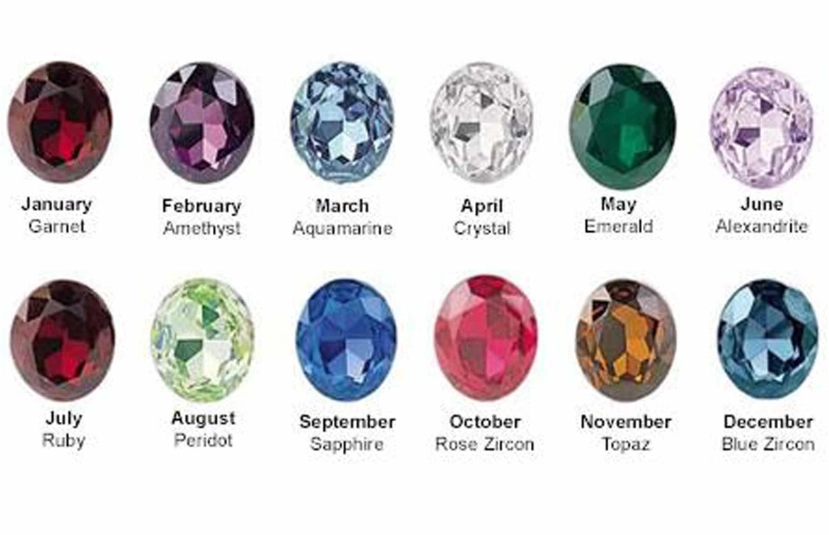
If you were born in April, you hit the jackpot. You don't just have one birthstone, you have two. The classic, undisputed champion is the diamond. The other, often surprising people, is quartz. This isn't a "pick one" situation in modern gemology; both hold the title for April, offering wildly different options for celebrating a birthday. One symbolizes eternal strength, the other embodies clarity and versatility. Let's cut through the marketing and get into what makes each of these April birthstones special, how to pick between them, and what most jewelers won't tell you about finding the right piece.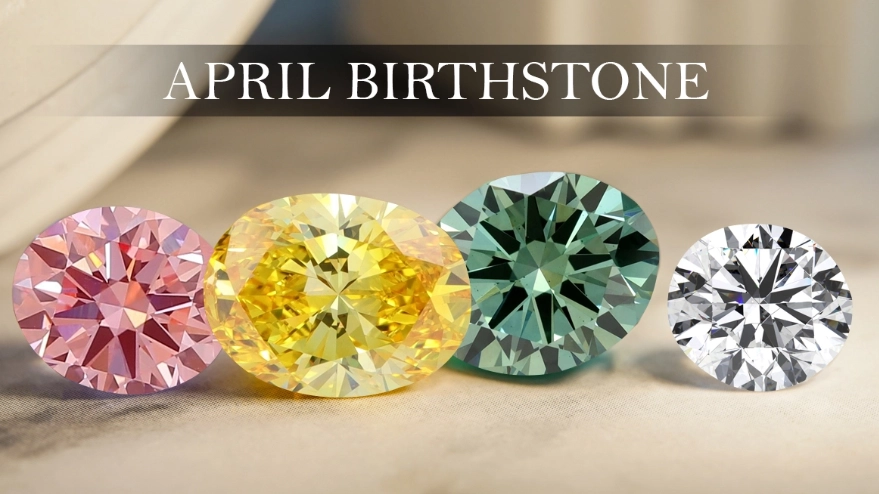
What's Inside This Guide
The Diamond: Beyond the Sparkle
Everyone knows diamonds are hard and shiny. That's surface level. As someone who's sourced stones for over a decade, the real story is in the details most buyers gloss over.
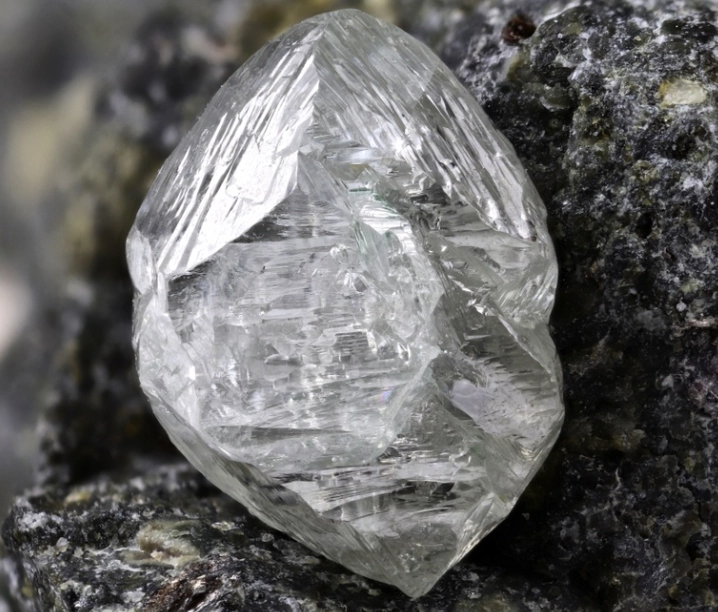
Diamonds are pure carbon, formed under immense heat and pressure deep within the Earth. That's why they're a 10 on the Mohs scale of hardness—the absolute top. This makes them not just a symbol of invincible love, but a brutally practical choice for daily-wear jewelry like engagement rings. A diamond won't scratch if you knock it against a countertop. A softer stone might.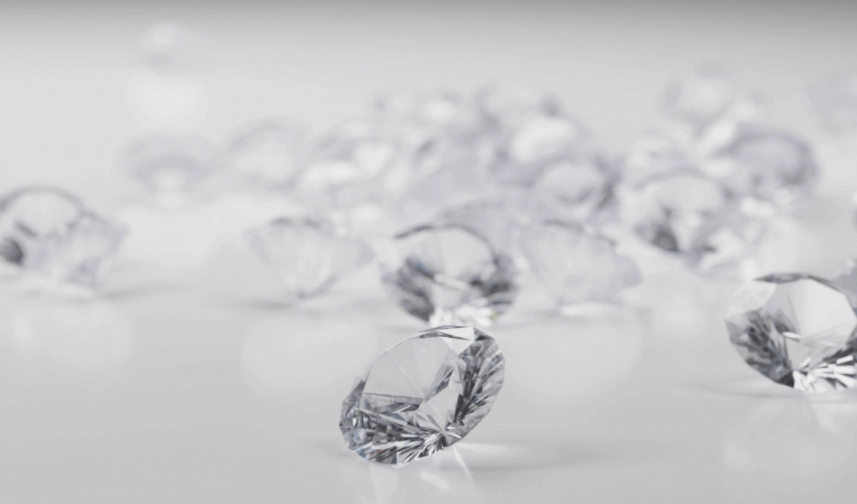
The Ethical and Modern Choice: Lab-Grown Diamonds
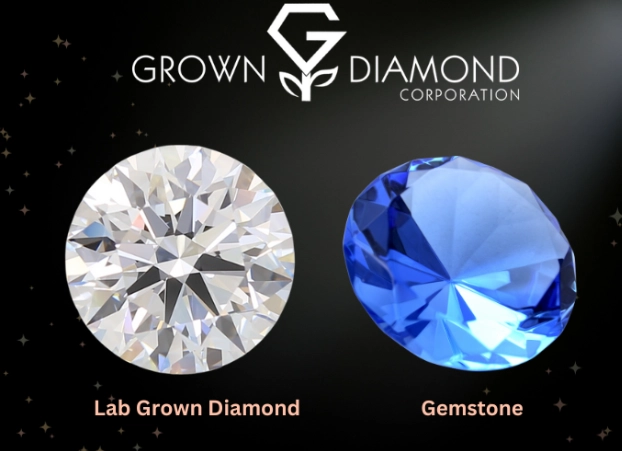
This is where the conversation gets real. The mined diamond industry has a complex history. Today, lab-grown diamonds are chemically, physically, and optically identical to mined ones. They're not "fake"—they're real diamonds created in a controlled environment. The Federal Trade Commission agrees.
The advantage? Price. You can get a significantly larger or higher-quality lab-grown diamond for the same budget. The downside for some is the lack of "ancient" geological history. But for an April birthstone celebrating a modern individual, the ethical and budgetary clarity of a lab-grown option is a massive point in its favor. It's a legitimate choice that deserves serious consideration, not a dismissive footnote.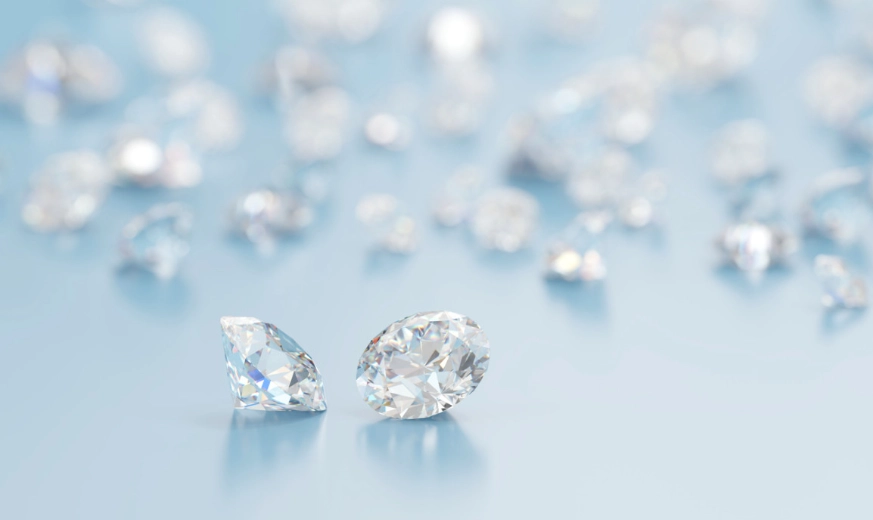
Quartz: The Unexpected Contender
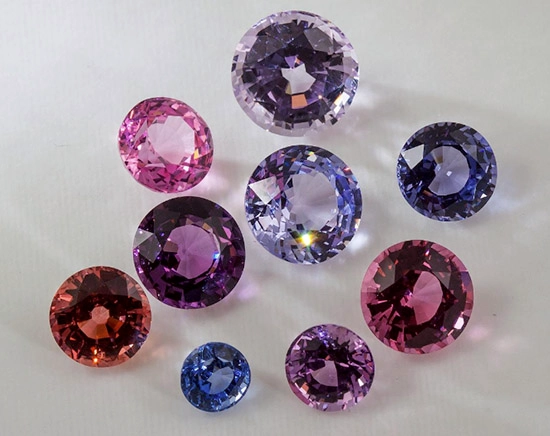
When people hear "quartz," they think of countertops or cloudy crystals. That's a huge underestimation. Quartz is one of the most diverse mineral families on the planet. As the official "alternative" April birthstone (designated by the American Gem Trade Association and other bodies), it offers something diamonds can't: radical variety and accessibility.
The most common quartz birthstone varieties are clear rock crystal (pure, transparent quartz) and mystical purple amethyst. But the family is vast.
- Rock Crystal: Perfect clarity, often used in elegant, minimalist designs. It's like capturing a drop of frozen water.
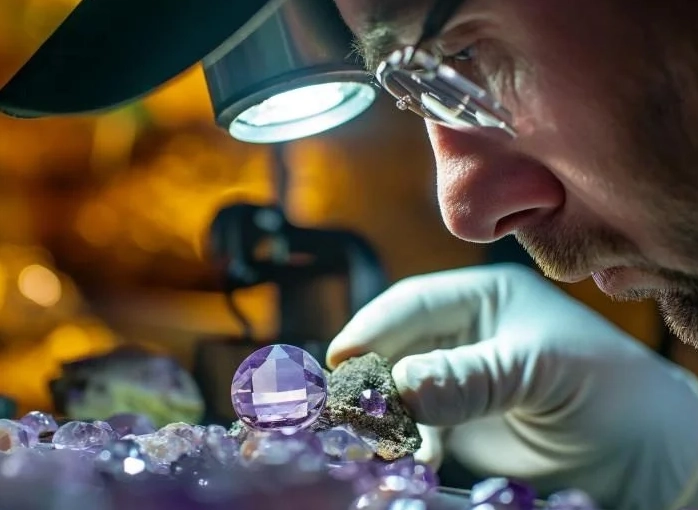
- Amethyst: Ranges from light lilac to deep, royal purple. It was historically as valuable as ruby or emerald before large deposits were found.
- Citrine: The sunny yellow to orange cousin. Often called the "merchant's stone." Much of the citrine on the market is actually heat-treated amethyst.
- Rose Quartz: The soft, hazy pink stone of love and compassion.
- Smoky Quartz: A transparent gray to brown stone, grounding and elegant.
Quartz sits at a 7 on the Mohs scale. This means it's durable enough for earrings, pendants, and occasional-wear rings, but I'd be cautious about using it in a daily-wear ring for someone with an active lifestyle. It can scratch over time.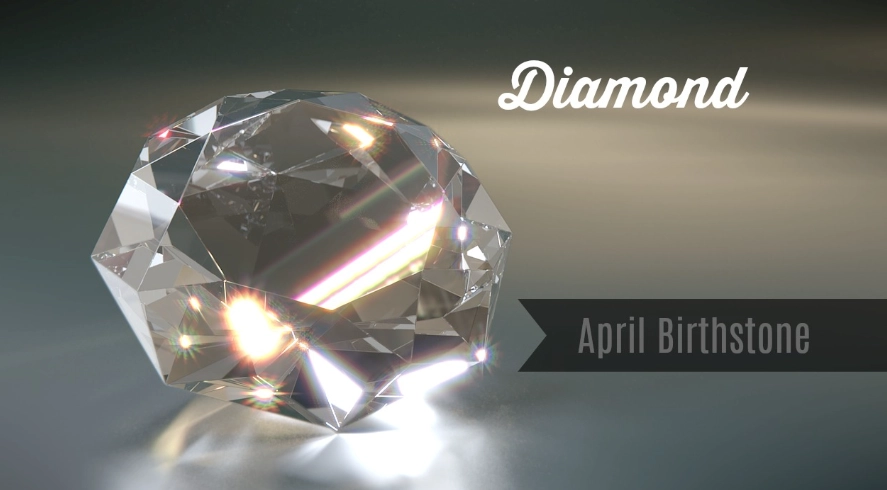
Diamond vs. Quartz: A Side-by-Side Showdown
Let's put them head-to-head. This table isn't about which is better, but about highlighting their fundamental differences to guide your choice.
>| Aspect | Diamond | Quartz (e.g., Amethyst, Rock Crystal) |
|---|---|---|
| Primary Appeal | Ultimate brilliance, hardness, and traditional status. | Color variety, affordability, and metaphysical properties. |
| Durability (Mohs) | 10 – Virtually scratch-proof for life. | 7 – Durable but can scratch with significant abuse. |
| Price Point (for a 1-carat equivalent) | High (Mined: Very High, Lab-Grown: Moderate-High) | Very Low to Moderate |
| Best For Jewelry Type | Daily-wear rings (engagement, eternity), any piece meant for generations. | Statement rings (occasional wear), pendants, earrings, bracelets. |
| Symbolism | Eternal love, strength, innocence, light. | Clarity (rock crystal), wisdom/calm (amethyst), joy (citrine), love (rose quartz). |
| Maintenance | Simple cleaning; prongs should be checked annually due to value. | Simple cleaning; avoid harsh chemicals and ultrasonic cleaners for some varieties. |
How to Choose Your April Birthstone
This isn't a test. There's no wrong answer. It's about matching the stone to the person and purpose.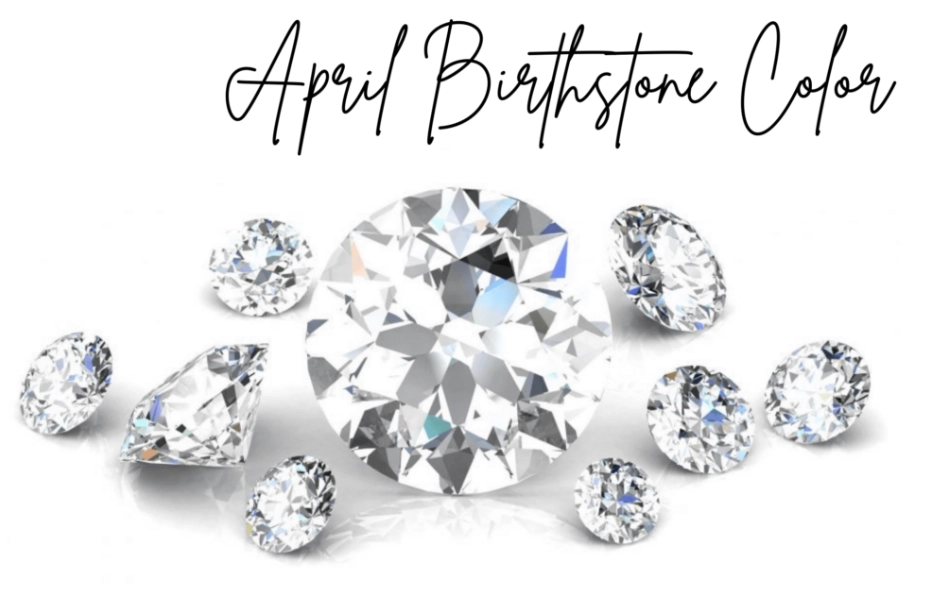
Choose Diamond if: You're looking for an heirloom piece meant for daily wear, like an engagement ring or a signature ring you never take off. You value supreme durability and timelessness over color. The investment aspect (emotional or financial) is part of the appeal. You prefer the iconic white sparkle.
Choose Quartz if: You love color. You want a larger, more statement-making piece without a massive budget. The symbolism of a particular type (like amethyst for tranquility) resonates deeply with you. You're buying a gift for a teenager or for someone who likes to change their style frequently. You're drawn to more unique, artisan-style jewelry.
I once helped a client choose an April birthstone for her mother who was a yoga instructor. A diamond solitaire felt off. We chose a beautiful, polished rock crystal pendant. It was personal, aligned with her mother's love of clarity and mindfulness, and was within a modest budget. It was a hit. The diamond would have missed the mark.
Your April Birthstone Questions Answered
 So, there you have it. The two April birthstones aren't in competition; they're a spectrum. Diamond offers the pinnacle of durability and timeless light. Quartz offers a palette of color, meaning, and accessibility. Your choice hinges on what you're celebrating, who you're celebrating, and how the piece will live its life. Whether it's the unyielding sparkle of a diamond or the tranquil purple of an amethyst, your April stone is a personal anchor to your birth month—a little piece of the Earth's magic, just for you.