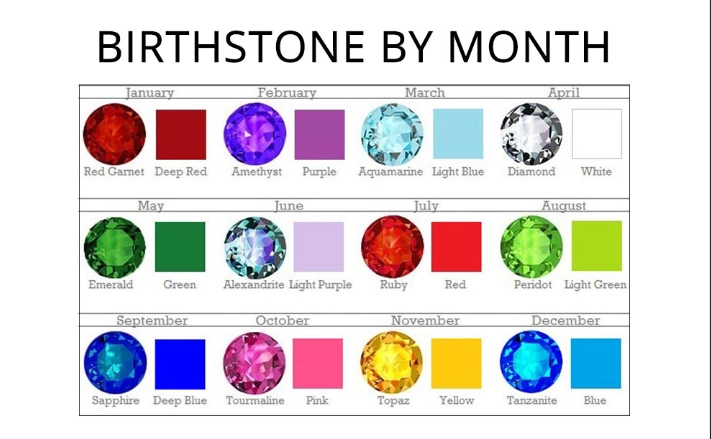
So, you're wondering if there are two birthstones for April? It's a common question that pops up when you're shopping for a birthday gift or just curious about your own birth month gem. The short answer is yes, but the full story is way more interesting than a simple yes or no. It involves a bit of history, some modern updates, and a whole lot of personal preference.
For decades, diamond stood alone as the iconic April birthstone. Then, things changed. If you've felt confused seeing "white sapphire" listed alongside diamond, you're not alone. Let's clear that up right now.
What's Inside This Guide
The Historical Reason Behind April’s Two Birthstones
Let's rewind. The modern list of birthstones we mostly follow was standardized in 1912 by the American National Association of Jewelers (now Jewelers of America). Back then, they aimed to create a clear, marketable list—one stone per month. April got diamond. It was a no-brainer given diamond's status and symbolism of eternal love and strength.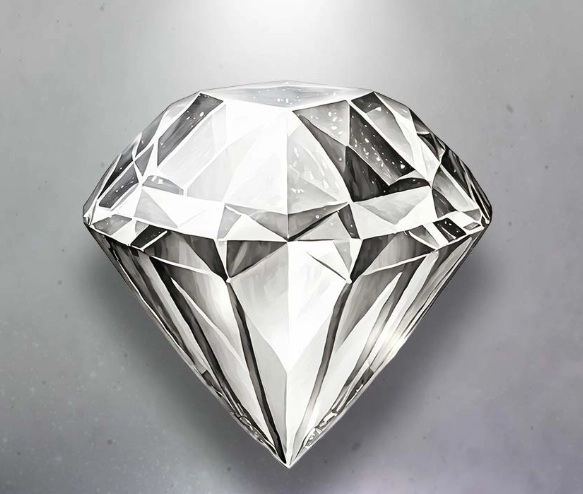
But here's the twist. That 1912 list wasn't the final word. Other cultures and traditions had different gems for April for centuries. The whole concept of birthstones is ancient, tracing back to the Breastplate of Aaron in the Bible with its twelve stones. Over time, multiple gems became associated with each month.
The big shift happened more recently. In 2002, Jewelers of America, along with the American Gem Trade Association (AGTA), officially updated the modern birthstone list. They added alternative stones for several months to offer more variety, affordability, and color options. For April, they introduced white sapphire as an official alternative to diamond.
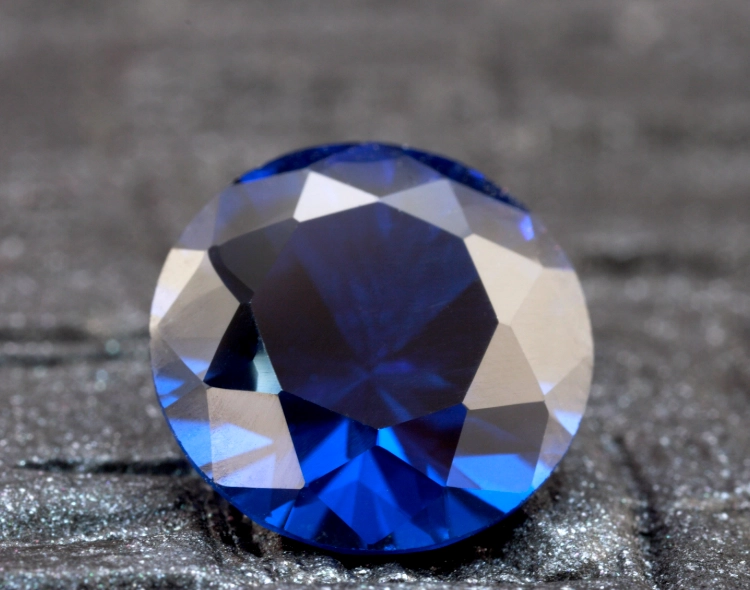
Why white sapphire? It wasn't a random pick. Gemologists needed a stone that could logically serve as an alternative. White sapphire is a naturally colorless (or near-colorless) variety of corundum, the same mineral family as ruby and blue sapphire. It's incredibly durable, ranking 9 on the Mohs scale of hardness, right below diamond's perfect 10. It offered a brilliant, clear look at a different price point. This move was less about dethroning diamond and more about acknowledging consumer choice and historical diversity. You can read more about the official lists from sources like the Gemological Institute of America (GIA) and the Jewelers of America.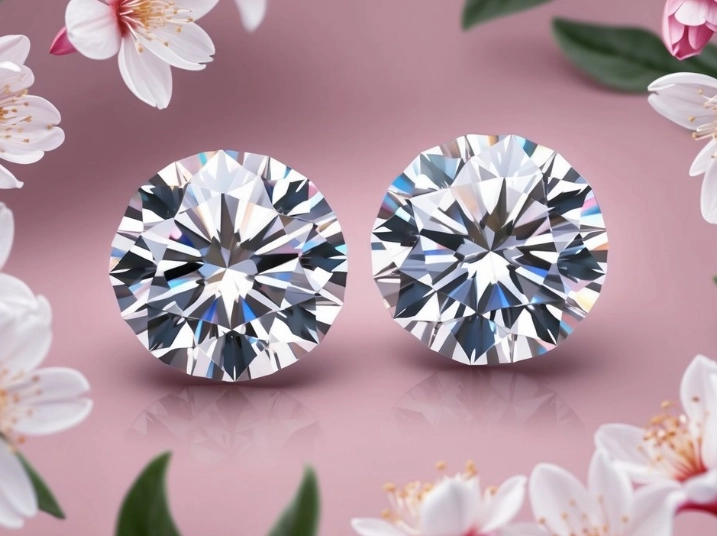
Key Takeaway: April has had two official birthstones since 2002: the traditional diamond and the modern alternative, white sapphire. Both are recognized by major gemological authorities.
Diamond vs. White Sapphire: A Detailed Comparison
Okay, so they're both clear, hard stones. What's the real difference? It's like comparing a classic luxury sedan to a high-performance sports car from a respected brand. Both will get you where you need to go, but the experience, cost, and feel are distinct.
I remember a client bringing in a ring she thought was a diamond. It was stunning, but the fire—those rainbow flashes—was softer. Turns out, it was a beautifully cut white sapphire. She loved it even more once she knew, appreciating its unique character. That's the point: knowing the differences lets you appreciate each stone for what it is.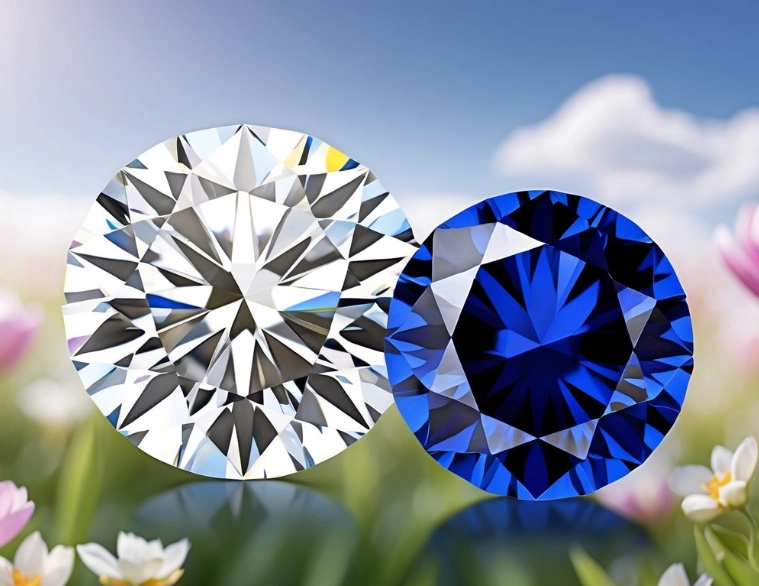
| Feature | Diamond | White Sapphire |
|---|---|---|
| Hardness (Mohs Scale) | 10 (The hardest natural material) | 9 (Extremely durable, second only to diamond) |
| Brilliance & Fire | Exceptional. High refractive index creates intense sparkle and rainbow flashes. | Softer, more subdued sparkle. Has a silvery-white or greasy luster compared to diamond's sharp brilliance. |
| Clarity | Often has inclusions (internal features). "Flawless" diamonds are rare and expensive. | Can be found very clean and eye-clear for a lower cost than a clean diamond. |
| Color | Graded on a scale from D (colorless) to Z (light yellow). Truly colorless (D-F) is premium. | Often has a faint gray or milky undertone. A truly colorless white sapphire is rare and valued. |
| Cost | Significantly higher. Price is driven by carat, cut, color, clarity (the 4Cs). | Much more affordable. You can get a larger, cleaner stone for a fraction of a diamond's price. |
| Symbolism | Eternal love, invincibility, strength, purity. | Truth, sincerity, faithfulness, wisdom. |
The biggest misconception? That white sapphire is just a "cheap diamond look-alike." That does it a massive disservice. White sapphire is a premium gemstone in its own right. Its beauty is more subtle, like moonlight compared to diamond's sunlight. It appeals to someone who might find a diamond's sparkle too flashy or who values the stone's unique history and properties.
The Durability Question: Is White Sapphire Tough Enough?
This is a huge concern for people buying an everyday ring. With a Mohs hardness of 9, white sapphire is more than tough enough for daily wear. It won't scratch easily. The only common substance that can scratch it is diamond or another sapphire. The real consideration isn't scratching, but potential chipping if the stone has a fragile setting or is hit at a sharp angle—a risk that exists for almost any gem, diamond included.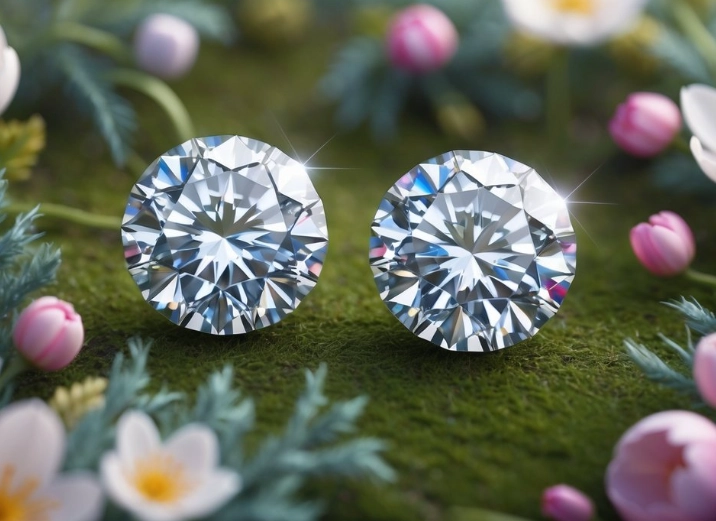
How to Choose Between Diamond and White Sapphire
This isn't about which is "better." It's about which is better for you. Ask yourself these questions.
What's your budget? This is the most practical starting point. If you have a flexible budget and want the ultimate in traditional brilliance, diamond is the classic path. If you want to maximize size or quality within a tighter budget, or allocate funds to a intricate setting, white sapphire opens up possibilities.
What's the purpose of the jewelry? For an engagement ring where tradition and maximum sparkle are top priorities, diamond often wins. For a right-hand ring, a birthday pendant, or earrings where you want a large, clear stone without the premium price, white sapphire is a fantastic and sophisticated choice.
What's the recipient's style? Some people adore the iconic, fiery sparkle of a diamond. Others prefer a more understated, elegant glow. Pay attention to the jewelry they already wear. Do they like bold sparkle or subtle pieces?
Here’s a personal scenario: A friend wanted a substantial-looking anniversary band but didn't want to spend diamond prices. We looked at white sapphires set in a channel setting. The result was stunning—a wide band of cool, white brilliance that looked luxurious and modern, not like it was trying to be something it wasn't. She loved it because it was honest to what it was.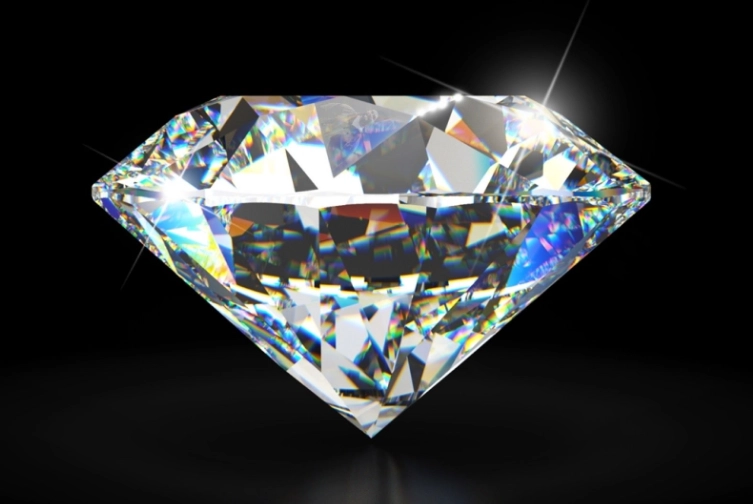
A Note on Other "April Stones" and Simulants
You might hear about quartz, white topaz, or cubic zirconia (CZ) in relation to April. Here's the breakdown:
- Quartz & White Topaz: These are other clear stones but are softer (7-8 on Mohs scale). They are not official April birthstones but are sometimes used as more affordable options. They scratch more easily.
- Cubic Zirconia (CZ): This is a lab-created simulant, not a natural gemstone. It's very soft (8-8.5) and can become cloudy over time. It's an inexpensive costume option, not a birthstone alternative.
- Lab-Grown Diamonds: These are real diamonds, chemically and physically identical to mined ones. They are a diamond option, often at a lower cost, and are absolutely a valid choice for an April birthstone.
Caring for Your April Birthstone
Both diamond and white sapphire are low-maintenance, but they do get dirty. Oils from your skin, lotion, and dust can dull their sparkle.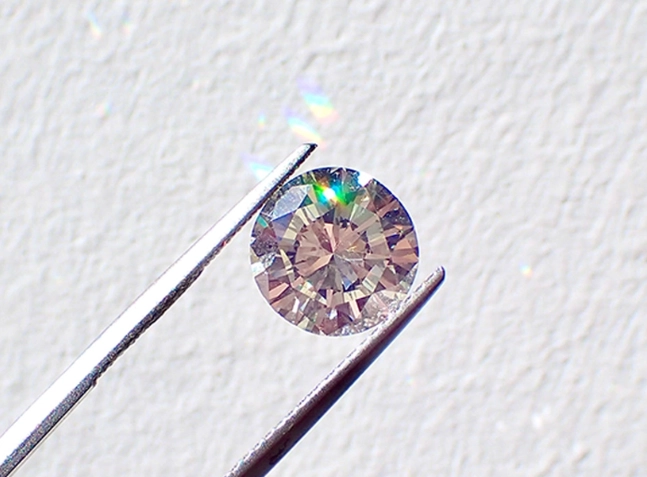
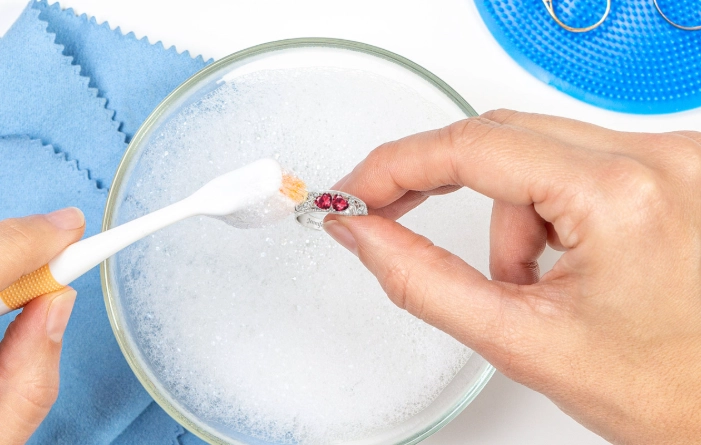
For daily cleaning: Use warm water, a drop of mild dish soap, and a soft toothbrush. Gently scrub around the setting and under the stone (if possible). Rinse thoroughly and pat dry with a lint-free cloth. Avoid harsh chemicals like bleach or chlorine.
A common mistake with white sapphire: Because its sparkle is softer, people sometimes think it's permanently dull. Nine times out of ten, it just needs a good clean. I've seen "dull" stones come back to life after a proper soak and scrub. Diamond, with its higher refractive index, tends to show dirt more obviously as a loss of sparkle.
Store them separately from other jewelry to prevent scratches. Even a diamond can scratch another diamond's facet if they rub together in a bag.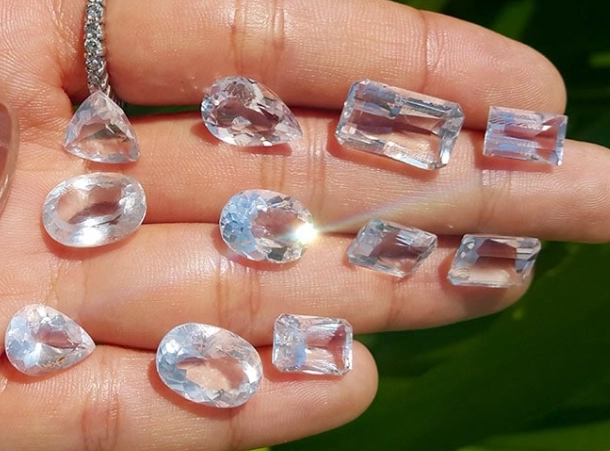
Your April Birthstone Questions Answered
I want a white sapphire but worry it will look cloudy or dull compared to a diamond. How do I avoid that?
Is it "wrong" or "cheap" to choose white sapphire for an April birthday engagement ring?
My April-born teenager wants a birthstone ring. Which is more practical for an active lifestyle?
Can jewelers easily tell the difference between a diamond and a white sapphire?
Does the choice between diamond and white sapphire affect the type of metal I should use for the setting?
So, are there two birthstones for April? You bet. You have the timeless, fiery brilliance of diamond and the elegant, durable sophistication of white sapphire. One isn't a replacement for the other; they're two distinct paths on the same road. The best choice is the one that resonates with the person wearing it—whether that's for its symbolism, its beauty, its story, or simply because it catches the light in a way that makes them smile.
The real gem of knowledge here is that you have a choice. And knowing the differences means you can choose with confidence.