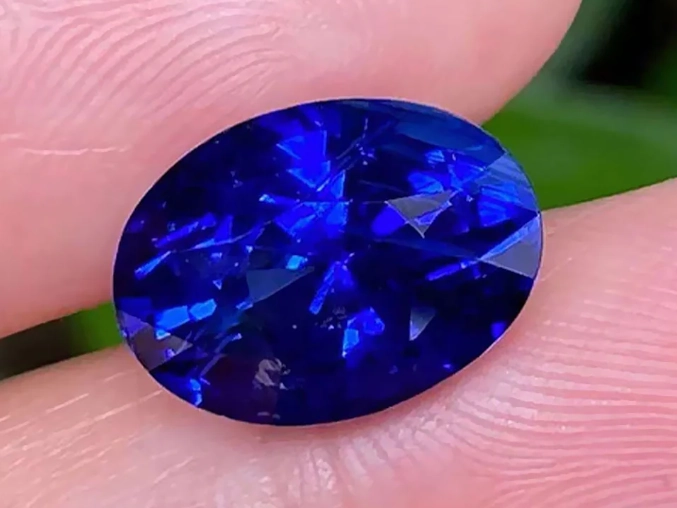
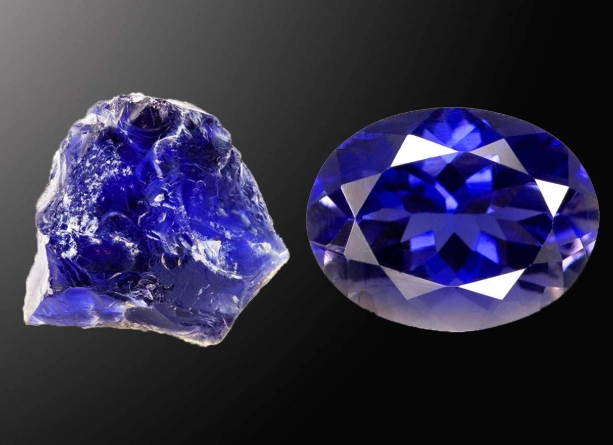
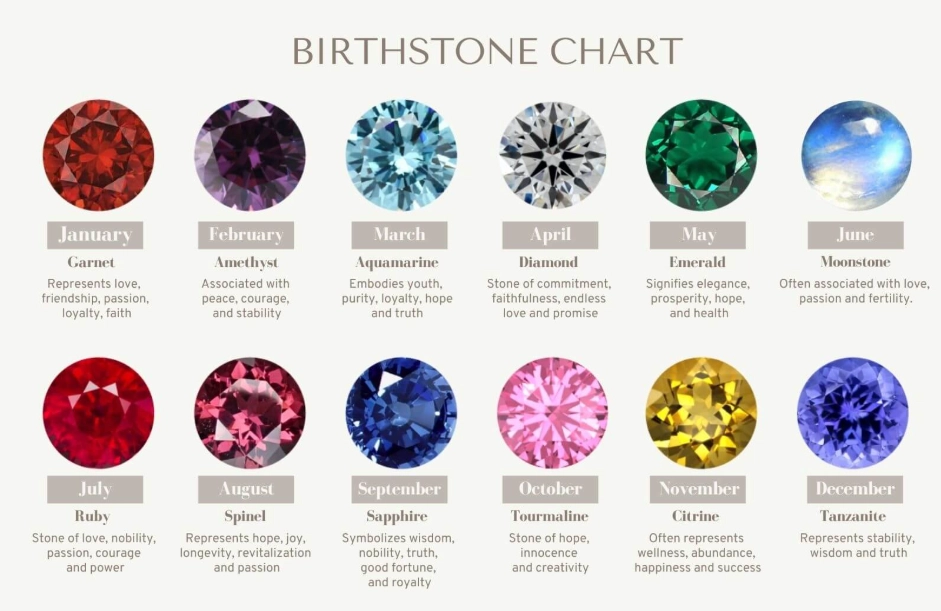
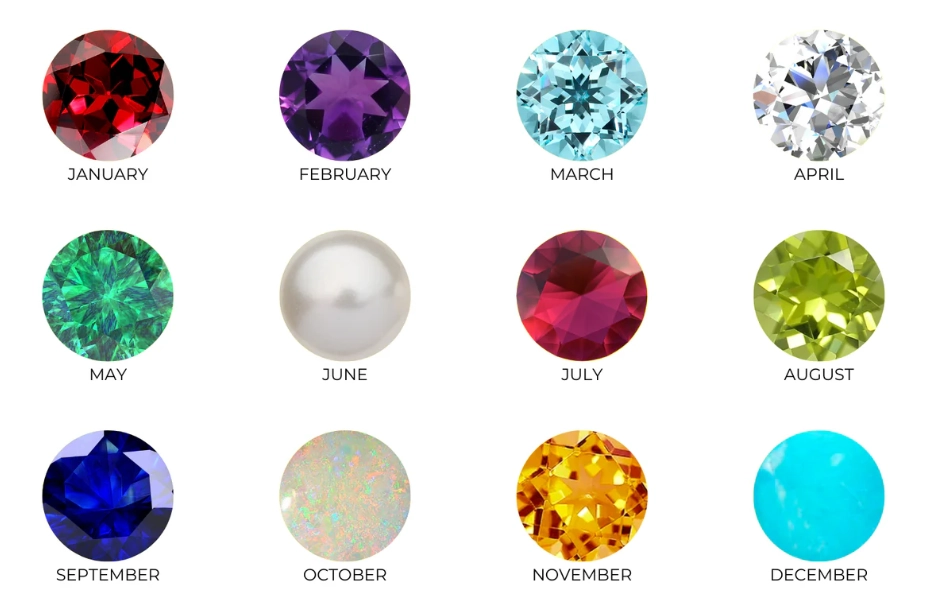
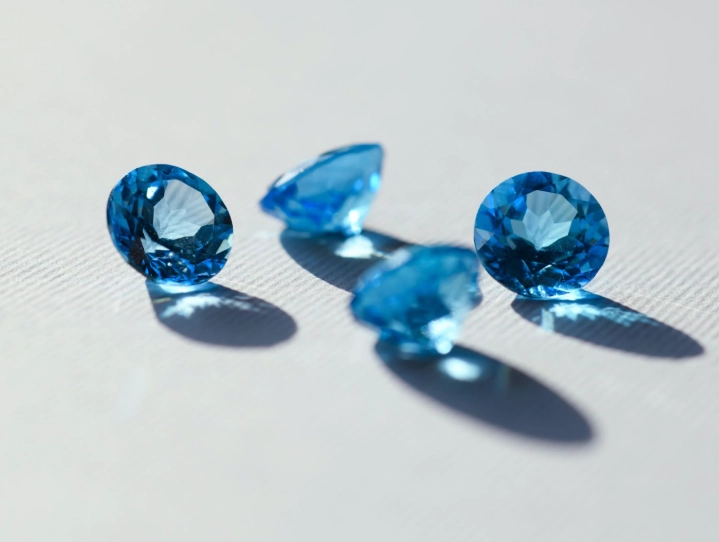
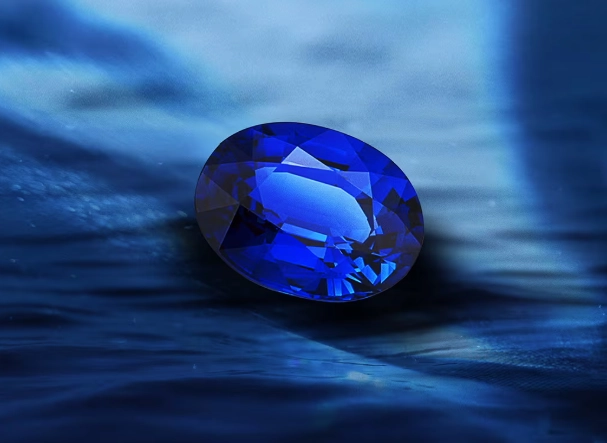
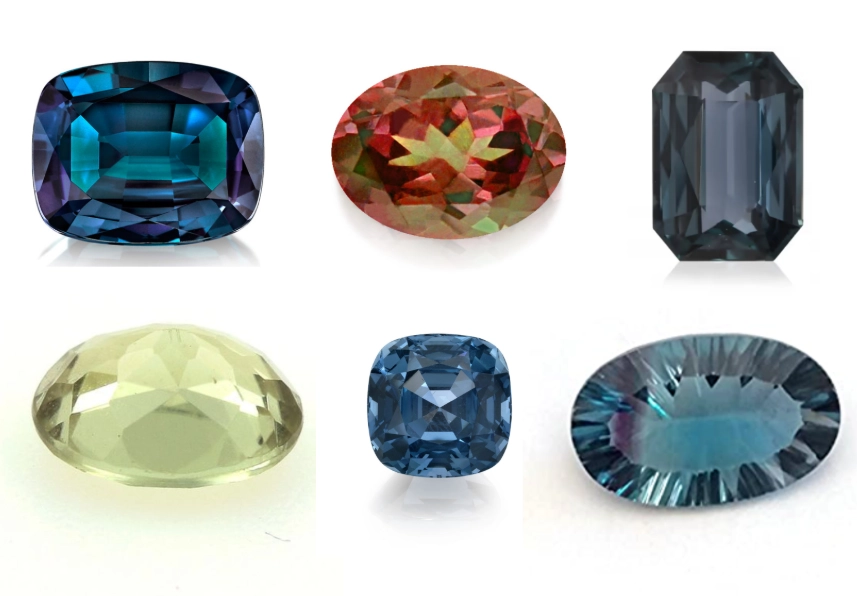
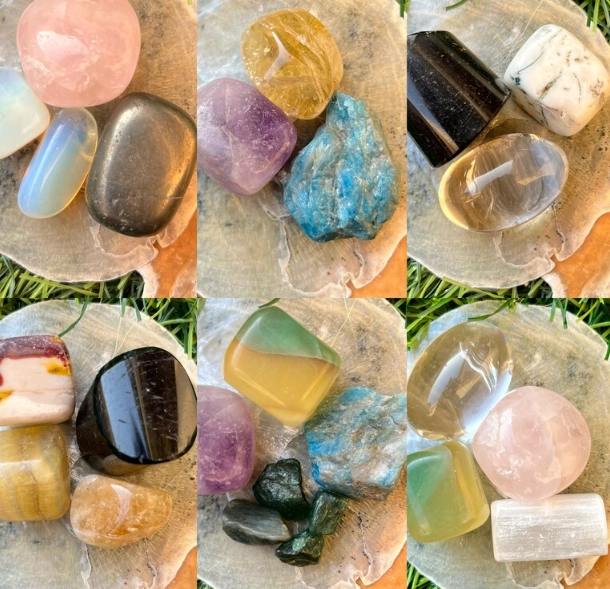
Ask anyone on the street what color a sapphire is, and ninety percent will say blue. It's the classic image, right? Deep, velvety blue, like a piece of the night sky. But if you're a September baby or shopping for one, locking yourself into that single shade is like going to a gourmet buffet and only eating the bread rolls. The sapphire's color palette is vast, nuanced, and frankly, more fascinating than most people realize. As someone who's spent over a decade in the gem trade, I've seen collectors pass up stunning pinks and yellows because they were stuck on "blue." That's a mistake. Let's fix that.
What's Inside? Your Quick Guide
The Sapphire Color Spectrum: It's Not Just Blue
First, a fundamental truth: sapphire is a variety of the mineral corundum. Any corundum that's not red (that's ruby) is a sapphire. This means the color possibilities are wide open, dictated by trace elements during formation.
The most common mental model is a rainbow. Let's break it down.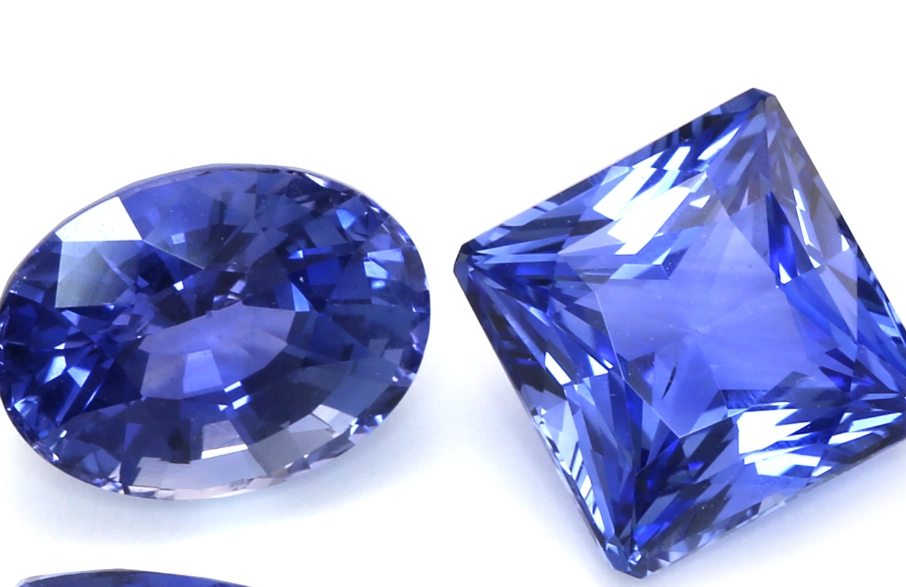
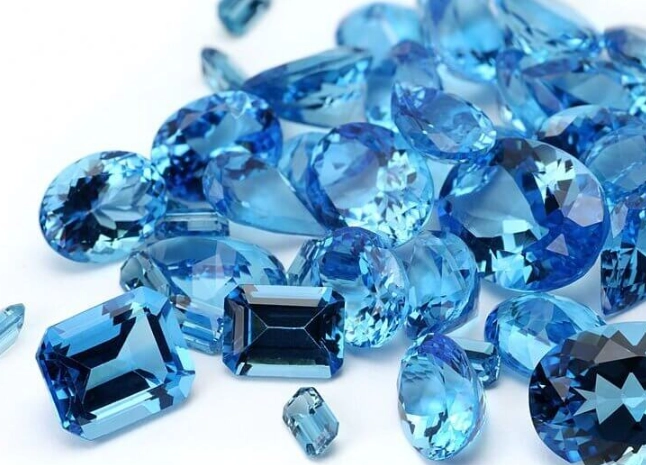
Blue Sapphires: The Classics with Layers
Even within blue, there's a world of difference. The trade uses specific, evocative terms, but here's the catch—they aren't scientifically standardized. A "Cornflower Blue" from one dealer might be called "Royal Blue" by another. It's more art than science.
I remember a client insisting on a "Royal Blue" stone. We looked at three different ones all labeled as such. One was a deep inky blue from Kashmir (dreamy, but out of budget), one was a brighter cobalt from Ceylon (Sri Lanka), and one was a heated stone from Madagascar with an almost electric hue. She chose the Ceylon one because it "sparkled" more under the store lights. The label was less important than her eye.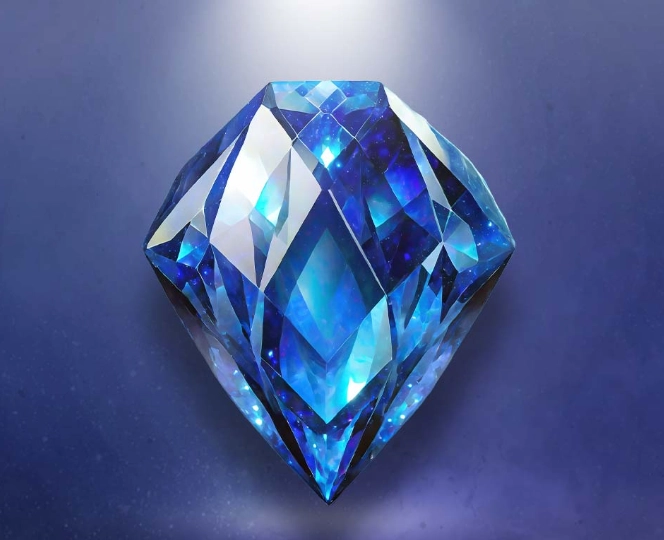
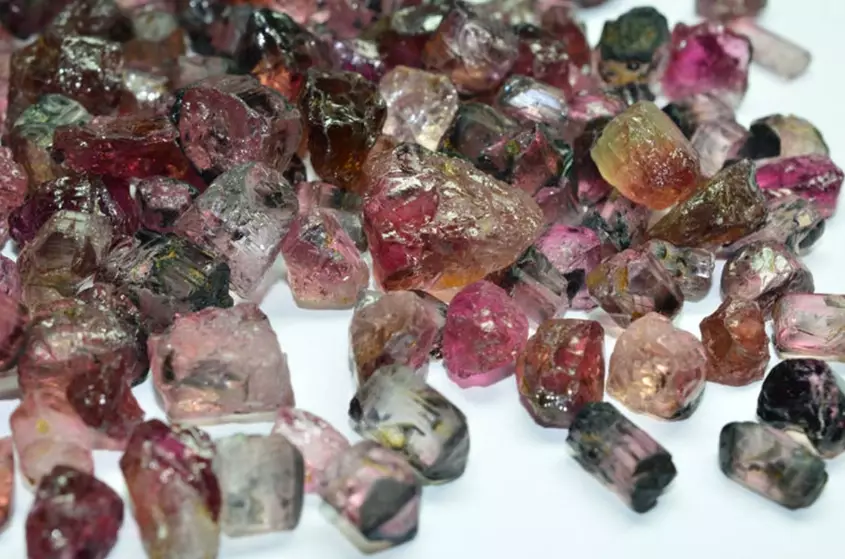
Fancy Color Sapphires: The Underrated Stars
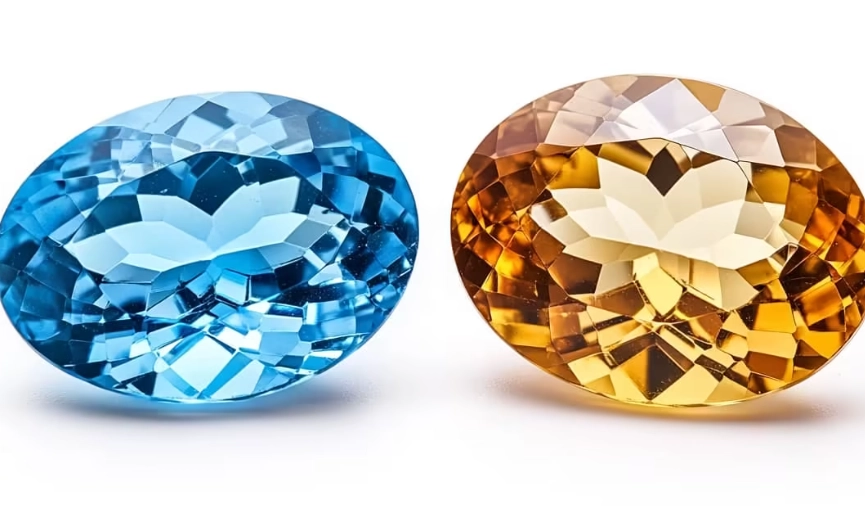
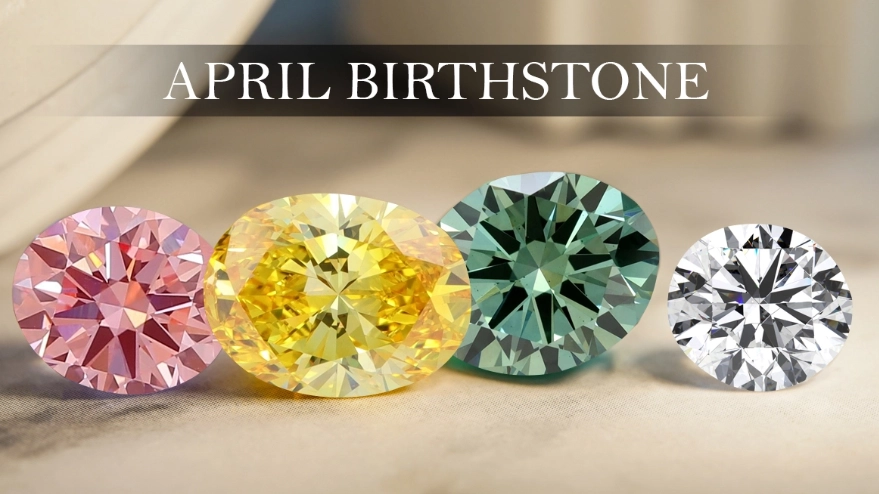
This is where it gets fun. "Fancy color" simply means any color other than blue.
| Color | Common Name | What Causes It | What to Look For |
|---|---|---|---|
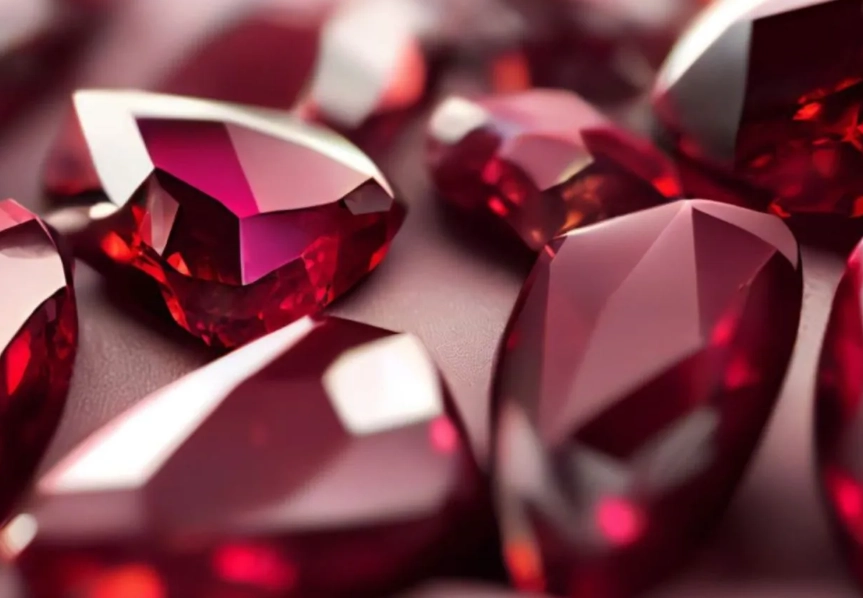
| Pink & Purple | Pink Sapphire | Trace amounts of chromium (same as ruby, just less). | Vivid, saturated pinks. Lighter pinks are more affordable. A hot pink can rival a ruby's price. |
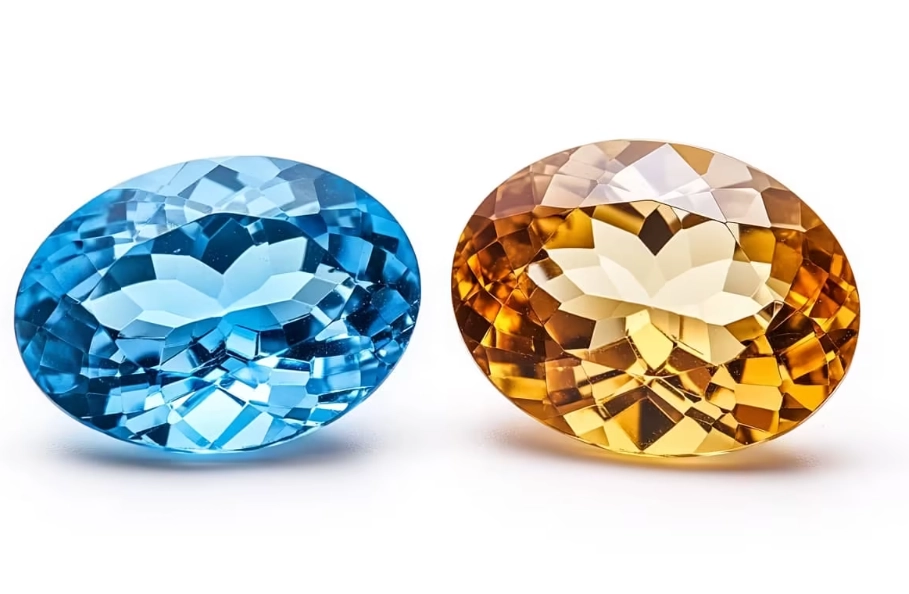
| Yellow & Orange | Golden Sapphire | Traces of iron, sometimes called "ferric" iron. | Bright, sunny yellows. Avoid stones with a brownish or greenish tinge, which muddies the color. |
| Violet & Purple | Violet Sapphire | A mix of iron and titanium, or sometimes chromium. | A rich, clear purple. Can be stunning in certain lights. |
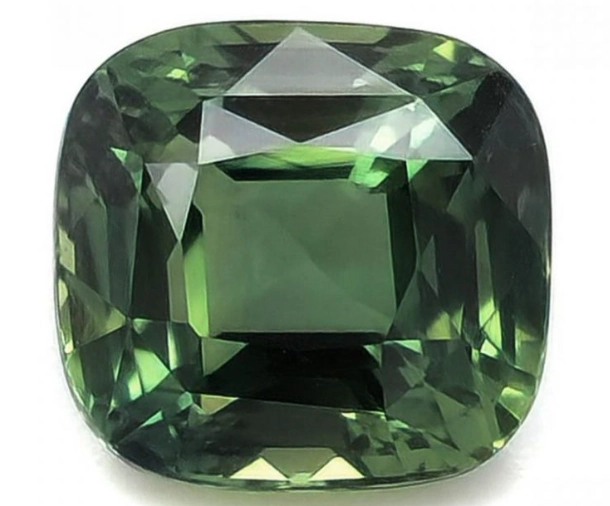
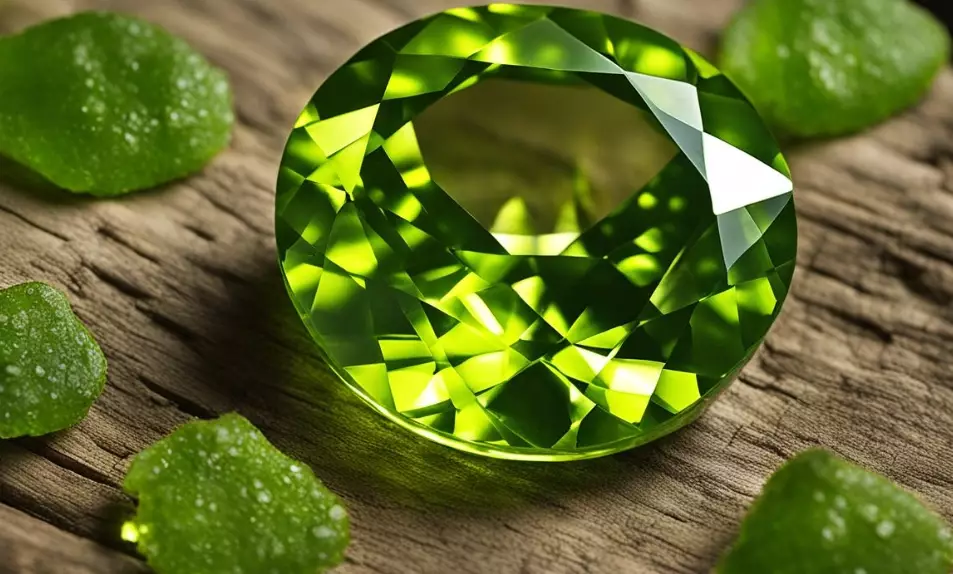
| Green | Green Sapphire | Iron, or a combination of iron and titanium. | Often a subtle, greyish or bluish green. Rarely a pure emerald green. |
| Orange-Pink | Padparadscha | A delicate balance of chromium (pink) and iron (yellow). | The holy grail. Look for a sunset blend of pink and orange, not brown. Natural ones are extremely rare and costly. |
My personal favorite? A well-cut padparadscha. I handled one from Sri Lanka years ago—the color was like a perfect tropical sunset trapped in crystal. It had a softness to its glow that no other gem has. But for everyday wear, a vibrant yellow sapphire is a massively underrated choice. It's durable, eye-catching, and often more affordable than a blue of similar quality.
What Determines a Sapphire's Color? (The Science Simplified)
You don't need a geology degree, but knowing the basics helps you shop smarter. Color comes from two main factors: chemistry and light.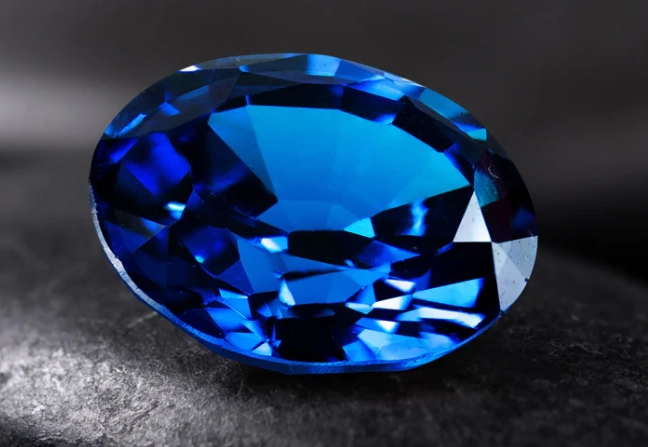
Trace Elements: Think of them as natural dyes.
- Iron + Titanium = Blue. More iron can push it towards green or yellow.
- Chromium = Pink to Red (ruby). The more chromium, the redder it gets.
- Vanadium = Can cause color-change effects (a stone that looks blue in daylight and purple under incandescent light).
Light & Perception: This is huge. A sapphire's cut, clarity, and even the lighting in the store dramatically change how you see the color. A deeply colored stone cut too shallow will look pale. A stone with lots of inclusions (internal flaws) can make the color look milky or dull.
How to Choose the Right Color for You
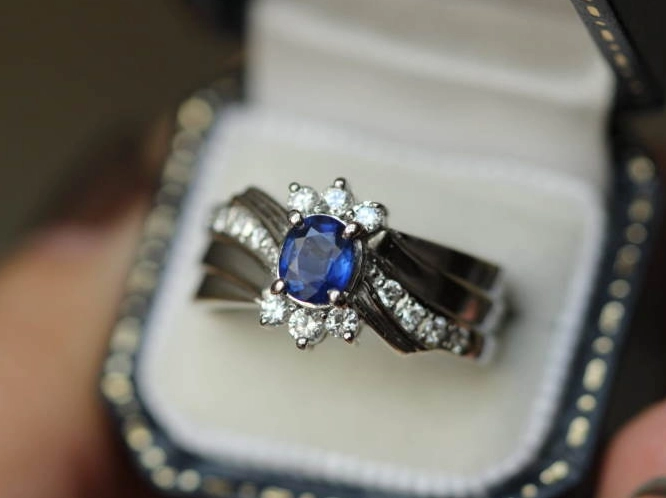
This isn't just about gemology; it's about personal style, skin tone, and purpose. Are you buying an engagement ring? A birthday pendant? An investment piece?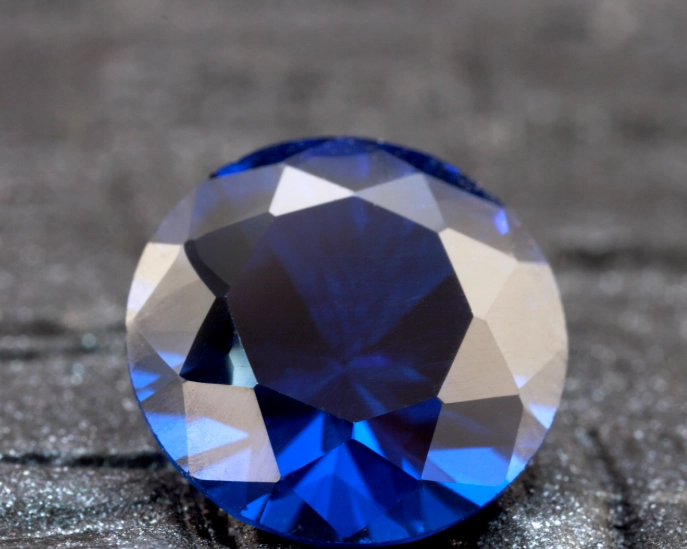
For Jewelry You'll Wear Daily
Durability is key, and sapphire is a 9 on the Mohs scale (diamond is 10), so any color is fine. Think about versatility.
- Classic & Timeless: A medium blue or cornflower blue. It goes with everything.
- Warm Skin Tones: Yellow, orange, or padparadscha sapphires can look incredible.
- Cool Skin Tones: Pink, violet, and certain blues (like a violetish blue) often pop.
- Want to Stand Out: A rich green or a vivid purple. You won't see many of those on other people.
Understanding Treatments & Value
This is the most critical, and often murky, part of the sapphire world. Most sapphires on the market are treated to improve their color and clarity. The Gemological Institute of America (GIA) is the authority here, and any reputable seller should disclose treatments.
Heat Treatment: This is the big one. It's permanent, stable, and widely accepted. It's like putting the stone in a high-tech oven to dissolve silk (tiny inclusions) and enhance color. A heated blue sapphire from Madagascar can be stunning and more affordable than an unheated one. Don't automatically reject heated stones—they make beautiful gems accessible.
But here's the non-consensus part: The obsession with "unheated" can be misleading for a casual buyer. An unheated stone with a poor, windowed (see-through) color is worth less than a beautifully heated stone with perfect color saturation. Focus on the beauty you see, not just the treatment label. However, for fancy colors like padparadscha, an unheated stone commands a massive premium because the treatment is less common and can alter that delicate color balance.
Other Treatments (Be Cautious): Diffusion (color only on the surface), fracture filling (filling cracks with glass or resin), and dyeing. These are less stable and should be clearly disclosed, often at a much lower price point.
Caring for Your Sapphire's Color
Sapphires are tough, but their color can be sensitive to extremes.
- Heat: Avoid sudden, extreme temperature changes. It's generally fine, but why risk it? Don't wear it while welding.
- Chemicals: Harsh chemicals (bleach, pool chlorine, strong cleaners) can damage treatments or the metal setting. Take your ring off before cleaning.
- Ultrasonic Cleaners: Usually safe for heat-treated stones. Not safe for fracture-filled or dyed stones—it can destroy them.
- The Simple Method: Warm water, mild dish soap, and a soft toothbrush. Rinse well. Dry with a soft, lint-free cloth.
Store them separately from other jewelry to prevent scratches. A fabric-lined box or individual soft pouches work best.