If you're born in September, you hit the jackpot. You don't just get one birthstone; you get two stunningly different gems to call your own: the regal sapphire and the ancient, celestial lapis lazuli. It's a fantastic duo that offers something for every taste and budget, from the timeless elegance of a blue sapphire ring to the bold, artistic statement of a lapis lazuli necklace. But what's the real story behind these two stones? How do you choose between them, and what should you know before you buy? Let's cut through the generic info you find everywhere and get into the specifics that actually matter.
Your Quick Guide to September's Gems
Sapphire: The King of Corundum
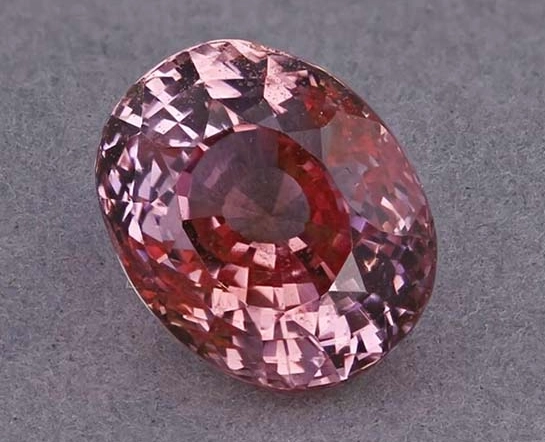
Most people think "blue" when they hear sapphire. That's not wrong, but it's like calling a Ferrari "a car." It misses the depth. Sapphire is a variety of the mineral corundum—the same family as ruby. Any corundum that isn't red is a sapphire. This means you can find sapphires in pink, yellow, orange (padparadscha), green, purple, and even colorless. The blue ones get all the fame because of that classic, deep cornflower blue from Kashmir or the rich velvety blues from Burma.
Expert Insight: The most common mistake I see is buyers chasing a "perfect" dark blue sapphire. A very dark, inky blue can look almost black in indoor light. The premium is actually on vibrant, medium-toned blues with strong saturation and that elusive "velvety" look, not just darkness. A slightly lighter but lively stone often has more sparkle and character.
What Makes a Sapphire Valuable?
It's not just color. You have to look at the whole picture.
Color: This is king. For blue sapphires, hue (is it pure blue or does it lean green/violet?), tone (how light or dark), and saturation (how intense the color is) are everything. A pure, vivid, medium-blue tone is the gold standard.
Clarity: Sapphires commonly have inclusions. Unlike diamonds, some inclusions are expected and can even prove natural origin. The key is: can you see them with the naked eye? A visible black crystal or a large cloud that dulls the stone's brilliance will knock down the value. But tiny silk-like inclusions (rutile needles) can cause that desirable velvety look and even asterism (a star effect).
Cut: A poor cut can ruin a great color. The cutter's goal is to orient the rough crystal to show the best color, not just maximize carat weight. A well-cut sapphire should be symmetrical and reflect light evenly across its surface, not have a "window" (a dead, see-through area in the center).
Carat: Large, fine-quality sapphires are exponentially rarer than diamonds of similar size. A 5-carat top-color sapphire is a major investment piece.
Origin: Kashmir, Burma (Myanmar), and Ceylon (Sri Lanka) are legendary names that command premiums, especially with supporting gemological reports from labs like the GIA (Gemological Institute of America). But don't discount stones from Montana, Australia, or Madagascar—they can be stunning and more affordable.
Lapis Lazuli: More Than Just Blue Rock
Lapis isn't a crystal in the traditional sense. It's a rock, a metamorphic rock to be precise, composed mainly of three minerals: lazurite (which gives the blue), calcite (white veins or patches), and pyrite (the "fool's gold" flecks). This composition is everything. The finest lapis is a uniform, intense royal blue with minimal white calcite and just a sprinkling of golden pyrite for contrast. Too much white makes it look washed out; too much pyrite can look messy.
Its history is incredible. Ground into powder, it was the source of the ultramarine pigment used by Renaissance masters like Michelangelo. Worn by Egyptian pharaohs in scarabs and burial masks. That's the energy it carries—artistic, spiritual, ancient.
Expert Insight: A huge pitfall is confusing lapis with its common imitator, sodalite. Sodalite is also blue but rarely has pyrite and usually has more white, web-like veining. Lapis has a deeper, more violet-blue hue. If you don't see any pyrite and the price seems too good to be true, it's probably sodalite. Also, much lapis on the market is dyed or wax-treated to improve color and stability. This is standard practice, but you should be told. A reputable dealer will disclose any treatments.
Buying Lapis Lazuli: What to Look For
Forget the 4Cs. With lapis, your checklist is different.
Color Uniformity: You want a solid, deep blue. Avoid pieces that are mostly white calcite with blue patches.
Pyrite Distribution: A little goes a long way. Think of it as golden glitter, not a gold bar. Evenly scattered, small flecks are ideal. Large, clustered pyrite patches can weaken the stone's structure.
Polish and Finish: High-quality lapis takes a beautiful, glassy polish. A dull or waxy surface can indicate poor quality material or excessive filler.
Source: The best material historically comes from the Sar-e-Sang mines in Afghanistan's Badakhshan province. Chilean lapis tends to have more white calcite. Knowing the source helps set expectations.
Sapphire vs. Lapis Lazuli: The Head-to-Head
Let's put them side by side. This isn't about which is better, but about understanding their fundamental differences to make an informed choice.
| Feature | Sapphire | Lapis Lazuli |
|---|---|---|
| What is it? | A single mineral (corundum). A gemstone. | A rock (mix of lazurite, calcite, pyrite). An ornamental stone. |
| Hardness (Mohs Scale) | 9 (Extremely durable, suitable for daily wear rings) | 5-5.5 (Softer, better for pendants, earrings, occasional-wear rings) |
| Key Appeal | Brilliance, durability, classic luxury, value retention. | Historic, artistic, bold color, unique earthy patterns, affordability. |
| Price Range | Very wide: $100/ct (treated, commercial) to $10,000+/ct (fine untreated). | Much lower: $1-$100/ct depending on quality. High-end carvings cost more. |
| Best For... | An engagement ring, a daily-wear piece, a family heirloom. | A statement necklace, artistic jewelry, spiritual talismans, collectors. |
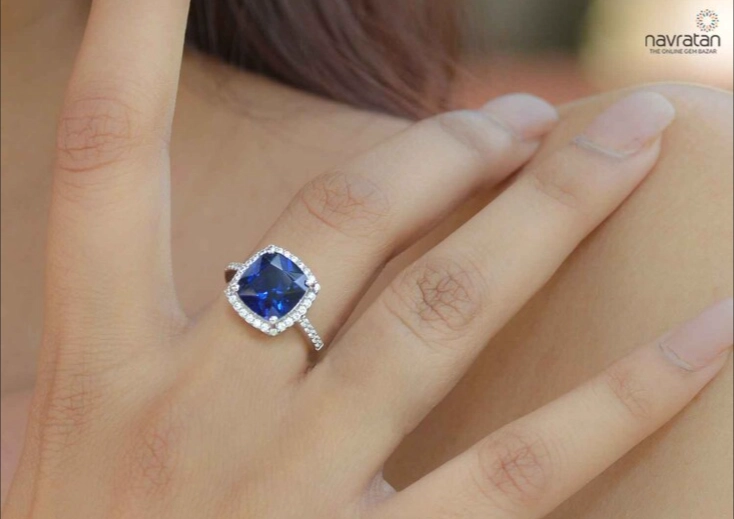
The table tells a technical story, but the feel is different. A sapphire engagement ring feels timeless and secure. A lapis lazuli pendant feels like wearing a piece of ancient history or modern art. I personally love pairing them—imagine a sapphire ring with lapis lazuli accent beads in a bracelet. The blues complement each other beautifully but have totally different textures.
How to Choose Your September Birthstone
Stuck deciding? Ask yourself these questions.
What's the occasion? For a lifelong, daily-wear piece like an engagement ring, sapphire's hardness makes it the only practical choice. For a birthday gift that's more about symbolic meaning and striking looks, lapis is fantastic.
What's your budget? With sapphire, you have options at almost every level. You can find pretty, treated small stones for a few hundred dollars, or invest in a magnificent untreated one. Lapis gives you access to large, impressive pieces for a relatively small amount of money.
What's your style? Classic and refined? Lean sapphire. Artistic, bohemian, or love bold colors? Lapis might be your soulmate stone.
Consider the new kid on the block: Lab-grown sapphire. It's identical to mined sapphire in every chemical and physical property, costs significantly less, and has minimal environmental impact. For many people, especially for fashion jewelry or when budget is a key concern, it's a brilliant option that shouldn't be overlooked. It's not "fake"; it's just created differently.
Caring for Your September Birthstones
Treat them according to their personality.
For Sapphire (The Tough One): It's very resilient. Ultrasonic cleaners are usually safe, but if the stone has significant fractures or liquid inclusions, stick to warm soapy water and a soft brush. Store it separately to avoid scratching softer jewels.
For Lapis Lazuli (The Sensitive One): This is crucial. Never use an ultrasonic or steam cleaner. The vibrations can fracture it, and heat/water can damage treatments or dissolve calcite. Avoid all chemicals, perfumes, and prolonged water exposure (take it off before showering). Wipe clean with a dry, soft cloth. Store it in a soft pouch away from harder gems.