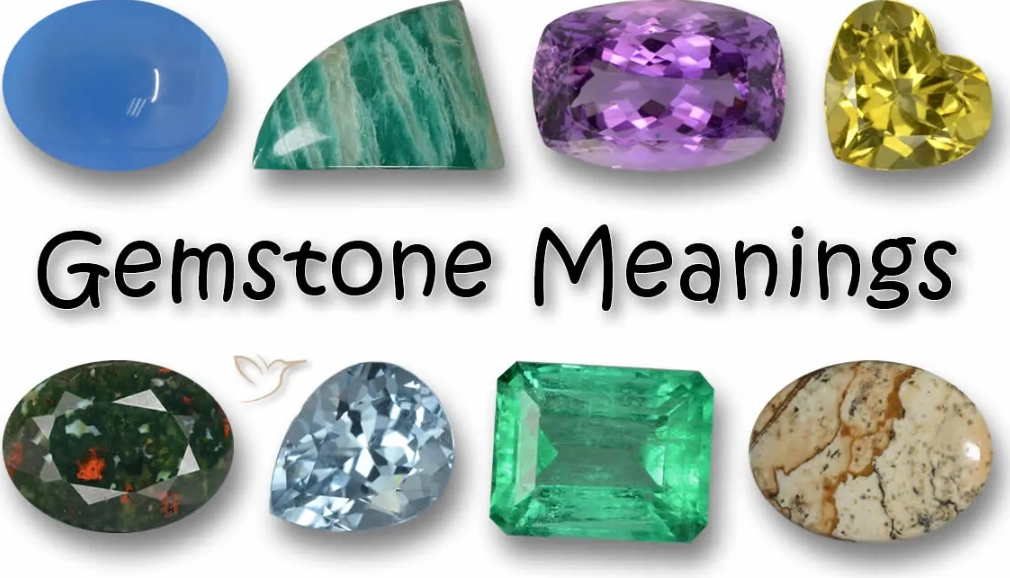
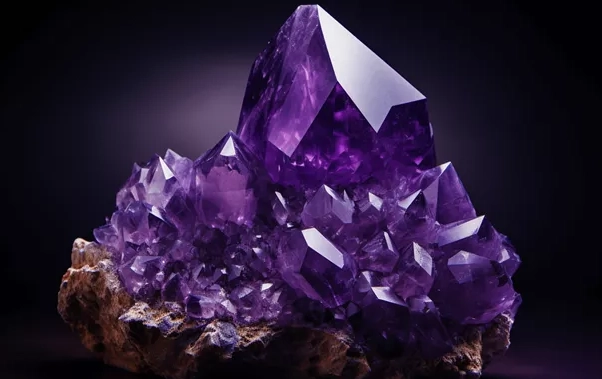
If you were born in September, you're in luck. You don't get just one birthstone, you get three. That's right, the modern birthstone list recognizes three distinct gems for September: sapphire, lapis lazuli, and peridot. It's a fascinating trio that offers something for every taste and budget, from the classic luxury of blue sapphire to the ancient mystery of lapis and the sunny glow of peridot.
But why three? And which one is right for you? I've been working with gems for over a decade, and I still see people get confused. They'll buy a "September birthstone" ring without realizing the huge differences in durability, value, and care between these three. Let's fix that. This guide isn't just a list; it's a deep dive into what makes each stone special, how to spot quality, and how to choose based on your life, not just your birth month.
Your Quick Guide to September's Gems
Meet the Three September Birthstones
Here’s the lineup. One is a crown jewel, one is a piece of history, and one is a burst of summer light. This table gives you the snapshot, but the real stories are below.
| Birthstone | Primary Color | Mohs Hardness | Key Trait |
|---|---|---|---|
| Sapphire | Blue (Range: Cornflower to Deep Royal) | 9 | Durability & Royal Elegance |
| Lapis Lazuli | Deep Azure with Golden Pyrite Flecks | 5-6 | Historical Significance & Opaque Beauty |
| Peridot | Vibrant Yellow-Green (Olivine) | 6.5-7 | Vibrant, Affordable Brilliance |
Sapphire: The Undisputed Classic
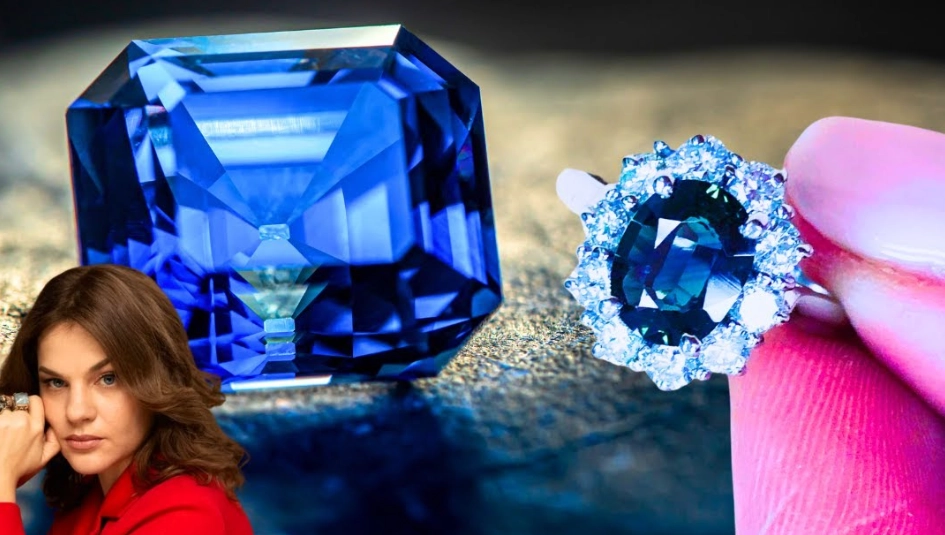
When most people think "September birthstone," they picture a blue sapphire. And for good reason. With a hardness of 9 on the Mohs scale (second only to diamond), it's arguably the most practical choice for daily-wear jewelry like engagement rings or a signet ring you never take off. The Gemological Institute of America (GIA) notes its exceptional toughness makes it ideal for any setting.
But here's a nuance most miss: "blue" sapphire isn't just one color. The most prized is a velvety, medium-dark cornflower blue, often associated with Kashmir. You also find lighter blues and very deep, inky blues. And don't forget, sapphires come in every color except red (that's a ruby). A pink or yellow sapphire makes a stunning and unique September birthstone.
The value hinges on color, clarity, cut, and carat. A common mistake? Prioritizing size over color. A small, vivid, well-cut stone will always look more impressive than a large, dull, or windowed one. For an heirloom piece, you're investing in that color saturation.
Lapis Lazuli: The Stone of Pharaohs and Artists
Lapis lazuli is different. It's not a single mineral but a rock, primarily composed of lazurite, which gives it that intense, celestial blue, often speckled with golden pyrite (fool's gold) and veined with white calcite. This complexity is its charm.
Its history is incredible. Ground into powder, it created the precious pigment ultramarine, used by Renaissance masters like Michelangelo. Ancient Egyptians used it for scarabs and burial masks. Wearing lapis is like wearing a piece of art history.
But it's softer (5-6 on Mohs). This means it's better for pendants, earrings, or beads rather than a ring you bang around daily. The pyrite flecks are natural and desirable, but avoid stones with large, chalky white calcite patches, as they can be weaker. A good polish should feel smooth, not gritty.
Peridot: The Evening Emerald
Peridot is the only gemstone that comes in one color: that distinctive, glowing yellow-green. Sometimes called "the evening emerald" because its color doesn't darken in low light. It's formed deep in the earth's mantle and sometimes brought to the surface by volcanoes. There's even peridot found in meteorites!
It's more affordable than sapphire, making it perfect for statement pieces. The best peridot has a rich, saturated green with just a hint of yellow, not a brownish olive. It has good hardness for occasional wear but can scratch more easily than sapphire. I love it in drop earrings or a cocktail ring—it catches the light beautifully.
My Take: I've always been drawn to lapis for its story, but I recommend sapphire for an engagement ring and peridot for a fun, colorful addition to a jewelry box. It's about matching the stone to the purpose.
How to Choose Your September Birthstone
This is where it gets personal. Don't just pick the first one you see. Think about how you'll wear it.
For Daily Wear (Rings, Bracelets): Sapphire is your champion. Its hardness of 9 means it resists scratches from desk work, keys, and accidental knocks. You can wear it with confidence every single day. Peridot is okay for occasional wear rings, but I'd avoid it for a right-hand ring you never remove. Lapis? Save it for a pendant.
For a Statement or Gift: Peridot offers incredible bang for your buck. You can get a large, eye-catching stone for a fraction of a comparable sapphire's price. Its vibrant green is joyful and unique. Lapis makes a profound, intellectual gift, especially for someone who loves history or art.
For an Investment or Heirloom: Here, blue sapphire is the traditional and safest route. Its value is stable and recognized globally. A fine, untreated sapphire will hold and likely increase in value. While beautiful, lapis and peridot are generally not purchased as financial investments in the same way.
Consider your personal style too. Are you classic and timeless (sapphire)? Do you love bold, artistic, or antique pieces (lapis)? Or are you vibrant, sunny, and love color (peridot)?
Caring for Your September Birthstones
Each stone has its own needs. Treat them right, and they'll last generations.
Sapphire Care: Tough but not invincible. Use warm soapy water, a soft brush, and rinse well. Ultrasonic cleaners are usually safe for sapphires unless they have significant fractures or liquid inclusions. Steam cleaning is generally fine. Store it separately to avoid scratching softer gems.
Lapis Lazuli Care: This is the delicate one. Never use ultrasonic or steam cleaners. The vibrations can shatter it, and heat or sudden temperature changes can damage it. Use only a damp, soft cloth to wipe it clean. Avoid all chemicals, perfumes, and prolonged water exposure (so take it off before showering). Its polish can wear down over time if abused.
Peridot Care: Stick to the warm, soapy water and soft brush method. Avoid ultrasonic cleaners, as the vibrations can cause existing internal flaws to worsen. Steam can also be risky due to sudden heat. Peridot can be sensitive to acids, so keep it away from household cleaners.