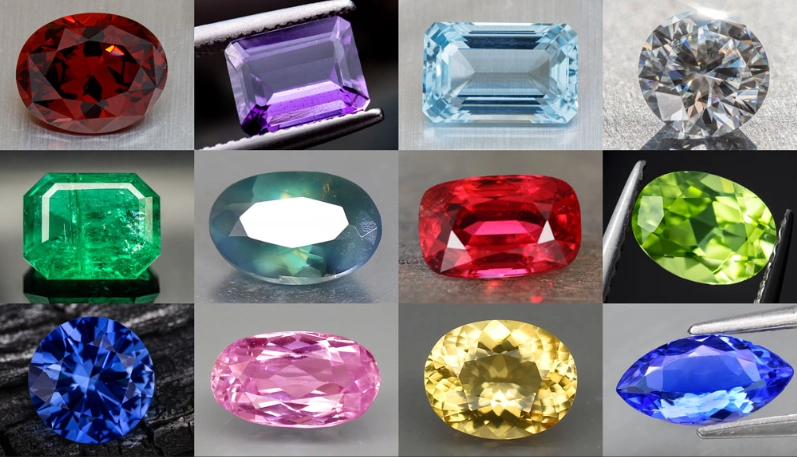
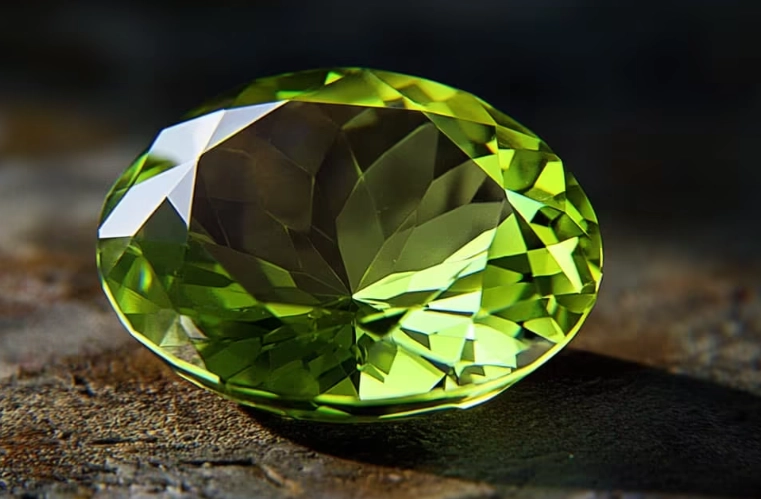
If you're born in September, you hit the jackpot. Your birthstone isn't just a gem; it's a legend. The sapphire, September's birthstone, carries a weight of history, symbolism, and sheer beauty that few other stones can match. Forget the dusty old notion that it's only a deep blue rock for royalty. Today's sapphire world is a vibrant spectrum of possibilities, from classic cornflower blues to surprising pinks and yellows. But with so much information (and misinformation) out there, how do you navigate choosing one, especially for something meaningful like a September birthday gift or an engagement ring? Let's cut through the noise.
Your Quick Guide to Sapphire Essentials
What's the Real Meaning Behind the September Birthstone?
For centuries, sapphires have been wrapped in symbolism. Ancient Persians believed the sky was painted blue by the reflection of a giant sapphire. Medieval clergy wore them to symbolize Heaven. But the most enduring meanings are wisdom, nobility, and truth. It's why you see them in so many royal engagement rings—it's not just about the sparkle, it's about the promise.
Here's a nuance most articles miss: the "royal blue" association is a bit of a modern marketing coup. Historically, sapphires of all colors were cherished. The specific link to September comes from the ancient Hebrew calendar and was standardized in 1912 by the American National Association of Jewelers. Before that, birthstones were more fluid. So when you wear a September sapphire, you're connecting to both ancient tradition and a relatively recent, but now firmly entrenched, custom.
Personal Take: I've always found the "wisdom" association the most compelling. It's not about knowing everything, but about clarity and sincerity. A sapphire feels like a reminder to be true to your word. It's a more grounded symbolism than, say, the passion of a ruby (sapphire's red cousin, both are corundum).
Sapphires Aren't Just Blue: The Color Spectrum
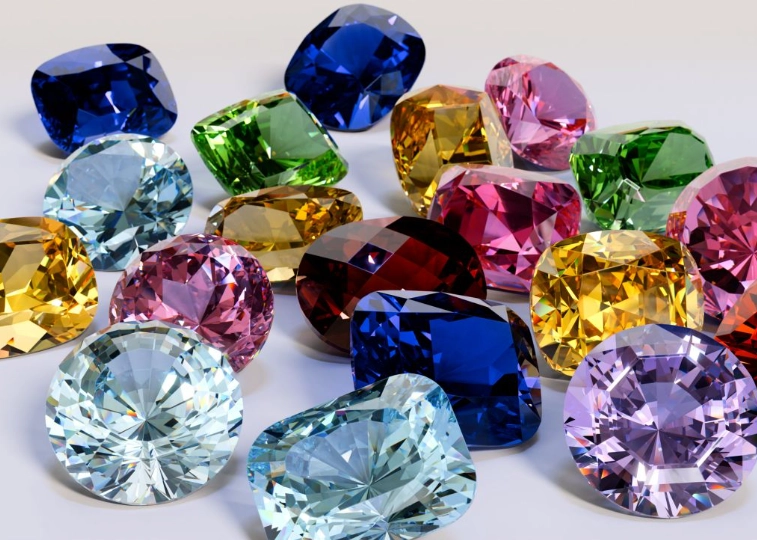
This is where it gets exciting. Corundum (the mineral name for sapphire and ruby) comes in every color except red (that's a ruby). The blue is caused by traces of iron and titanium. But other elements create a rainbow.
Let's break down the most sought-after colors, because choosing one is the first big decision.
| Color Name | What Causes It | Key Characteristic & Note |
|---|---|---|
| Cornflower Blue | Iron, Titanium | A bright, medium blue without dark overtones. The classic. High demand often means higher price per carat for top examples. |
| Royal Blue | Iron, Titanium | A deep, vivid, saturated blue. Often associated with Kashmir sapphires. Beware: "Royal Blue" isn't a strictly defined grade, so see it in person. |
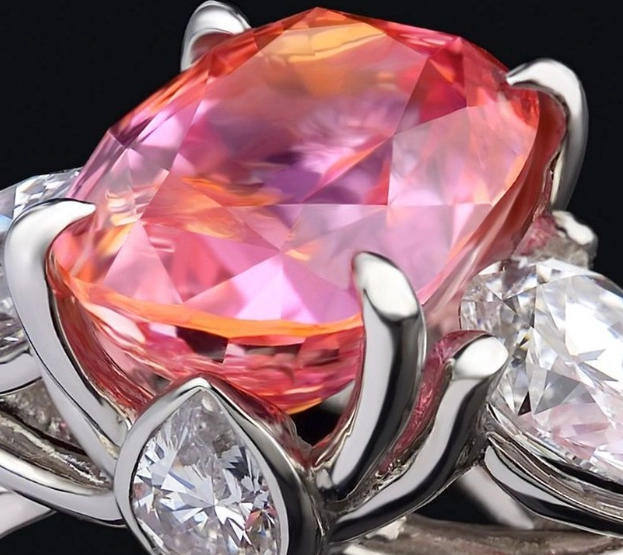
| Padparadscha | Chromium, Iron | A rare salmon or sunset blend of pink and orange. The holy grail for collectors. True Padparadscha is exceptionally rare and priced accordingly. |
| Pink Sapphire | Chromium | Ranges from light pastel to hot pink. A durable and often more affordable alternative to pink diamonds. Gaining massive popularity. |
| Yellow & Green Sapphire | Iron | Sunny yellows and earthy greens. Often excellent value. Can be very large and clean compared to blues of the same budget. |
| Color-Change Sapphire | Vanadium | Shifts color under different light (e.g., blue in daylight, purple under incandescent). A fascinating, less common choice. |
I once saw a Padparadscha sapphire in a private collection. Photos don't do it justice. It had this warm, glowing quality that felt alive, completely different from the cool majesty of a blue. It taught me that picking a sapphire color is about personal resonance, not just following tradition.
How to Choose a Sapphire for September Birthstone Jewelry
You're not just buying a blue stone. You're selecting a piece of the earth with character. Here’s a step-by-step mindset, not just a checklist.
1. Prioritize Color Over Perfection
With diamonds, clarity is king. With colored gems like sapphire, color is the soul. A slightly included stone with a breathtaking, vibrant blue is almost always preferable to a flawless, lifeless grayish one. Look for stones that look lively to your eye, not just ones that tick boxes on a lab report. See it under different lights, especially natural daylight. A good sapphire shouldn't go dead under a cloudy sky.
2. Understand Treatments (It's Not Always a Bad Thing)
Most sapphires on the market are heat-treated. This is a centuries-old, permanent, and widely accepted practice that enhances color and clarity. It's like roasting coffee beans—it brings out the best potential. An unheated, top-color sapphire is rare and commands a major premium. For a September birthstone you'll wear daily, a beautifully heated stone is a fantastic, responsible choice. Just make sure your seller discloses any treatment. Be wary of fracture-filled stones (where glass-like material fills cracks) for everyday rings, as they require more delicate care.
3. Consider the Cut for Personality
The cut determines how the stone plays with light. A well-cut sapphire will have brilliance and even color. Ovals and cushions are classics that maximize color. Round brilliants are less common but offer incredible sparkle. Don't ignore unique cuts like trillion or rose cuts for a more antique feel. A poorly cut stone, even with great color, can look dull or have a "window" (a see-through dead spot).
4. Set a Realistic Budget and Explore Origin Stories
Origin (like Kashmir, Burma, Ceylon/Sri Lanka, Madagascar) affects price dramatically. A Ceylon sapphire can offer stunning beauty at a more accessible point than a Burmese one. For a September birthstone gift, focus on the gem's beauty first. The origin is a fascinating bonus, not a necessity. You can find magnificent sapphires from Montana (USA) or Australia that are utterly unique and don't carry the overseas premium.
Keeping Your Sapphire Brilliant: Care and Cleaning
Sapphires are tough (9 on the Mohs scale, second only to diamonds), but "tough" doesn't mean invincible. Here’s the practical care guide you won't get from a generic jewelry box leaflet.
- The Daily Do's: It's fine for daily wear. Your sapphire ring can handle desk work, driving, cooking. Its main risk is a hard, direct knock against a harder material (like concrete or another diamond).
- The Cleaning Routine: Warm water, a drop of mild dish soap, and a soft toothbrush. Gently scrub behind the stone where grime collects. Rinse thoroughly. Do this monthly if worn regularly. Ultrasonic cleaners are usually safe for heat-treated stones if there are no major fractures or fillings. When in doubt, skip it.
- The Absolute Don'ts: Don't expose it to harsh chemicals like chlorine (pools, heavy cleaners) or sulfuric acid (some drain cleaners). It can damage the metal setting and potentially affect the stone's surface over time. Take it off before using heavy cleaning products or going in a hot tub.
- Storage: Keep it separate from other jewelry. Even though it's hard, it can scratch other gems like emeralds or topaz. A soft pouch or a separate compartment in your jewelry box is perfect.
A client once told me her sapphire ring "lost its sparkle" after a year of gardening. The stone was fine—it was just packed with dirt under the setting. A simple clean brought it back to life. Maintenance matters.