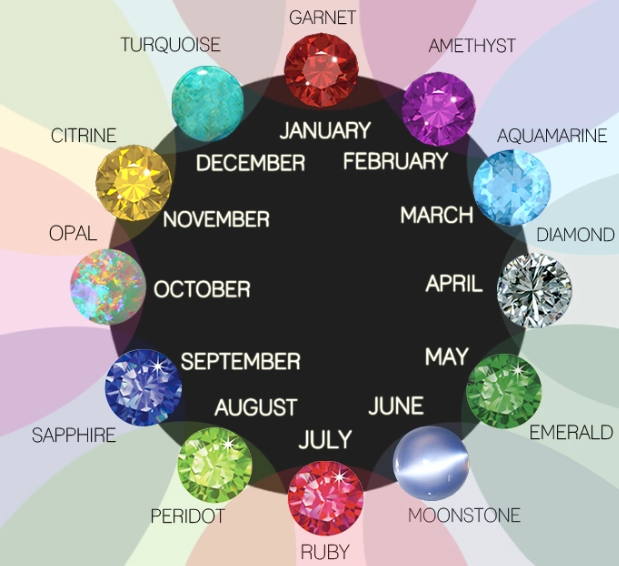
Let's cut straight to the point. Yes, the sapphire is the modern birthstone for September. If you're a September baby, that deep, celestial blue gem is yours. But that simple answer only scratches the surface. The real story is a tangled web of history, marketing, mineralogy, and some persistent myths that even seasoned jewelers get wrong. I've spent over a decade in the gem trade, and the number of times I've had to gently correct a customer who thinks all sapphires must be blue, or that their September birthstone option is limited, is staggering. This guide isn't just a confirmation; it's a deep dive into what being the September birthstone really means for sapphire, and more importantly, for you.
What’s Inside This Guide?
- The Straight Answer on Sapphire & September
- From Lapis Lazuli to Sapphire: A History of September's Stone
- Sapphire Itself: More Than Just a Blue Gem
- How to Spot a Real Sapphire (And Avoid Costly Mistakes)
- Buying a September Birthstone Sapphire: A Practical Guide
- Your September Birthstone Questions, Answered
The Straight Answer on Sapphire & September
The American Gem Society, the National Association of Jewelers, and virtually every major gemological body worldwide list sapphire as the primary birthstone for September. This standardization came about in 1912, a pivotal moment orchestrated by the National Association of Jewelers in the U.S. to simplify and popularize birthstones for the masses. Before that, chaos reigned.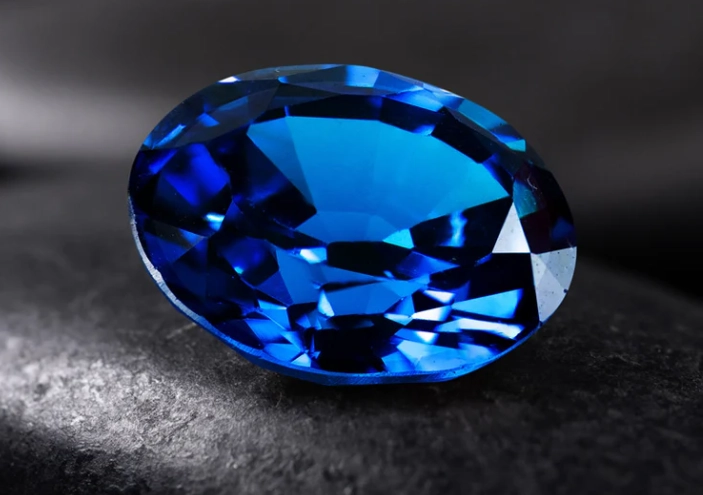
But here's the nuance most articles miss: sapphire didn't just appear out of thin air in 1912. Its association with September, and specifically with the zodiac sign Virgo, has roots that go back centuries. Ancient texts and traditional lists often paired September with the lapis lazuli, a rock prized for its intense ultramarine blue. Sapphire, as a more durable and brilliant precious gem, eventually superseded it as the preferred symbolic stone. So when you wear a sapphire for September, you're wearing a gem with a lineage that connects ancient symbolism to modern clarity.
From Lapis Lazuli to Sapphire: A History of September's Stone
To understand the "why," we need to rewind. The first official birthstone list is often traced back to the Breastplate of Aaron in the Bible, but the link to specific months is murky. Fast forward to 18th-century Poland, where gem traders began assigning stones to months with more commercial intent.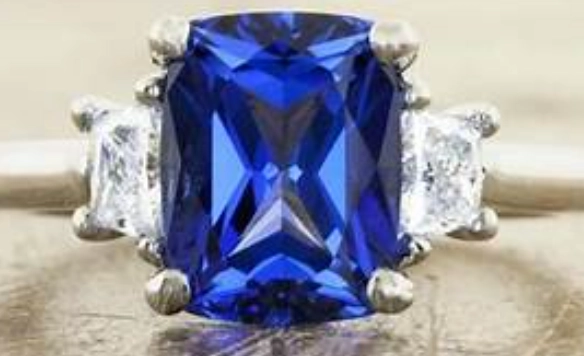
The 1912 list was a game-changer. It was marketing genius—creating a clear, easy-to-remember calendar to boost jewelry sales. For September, the committee had a choice: stick with the traditional but softer lapis lazuli, or upgrade to the "king of gems," the sapphire. They chose prestige and durability.
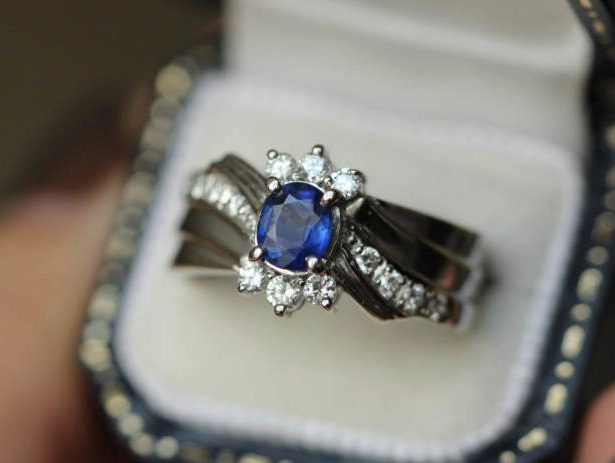
This decision had a massive impact. It cemented sapphire's place in popular culture. When Prince Charles gave Lady Diana that now-iconic 12-carat blue sapphire engagement ring, it wasn't just a royal choice; it was, for many, the ultimate September birthstone statement. The stone's image transformed from merely precious to also romantic and destined.
Sapphire Itself: More Than Just a Blue Gem
This is where most people's knowledge hits a wall. Ask someone to describe a sapphire, and 95% will say "a blue precious stone." That's like describing a car as "a thing with wheels." It's technically true but misses everything important.
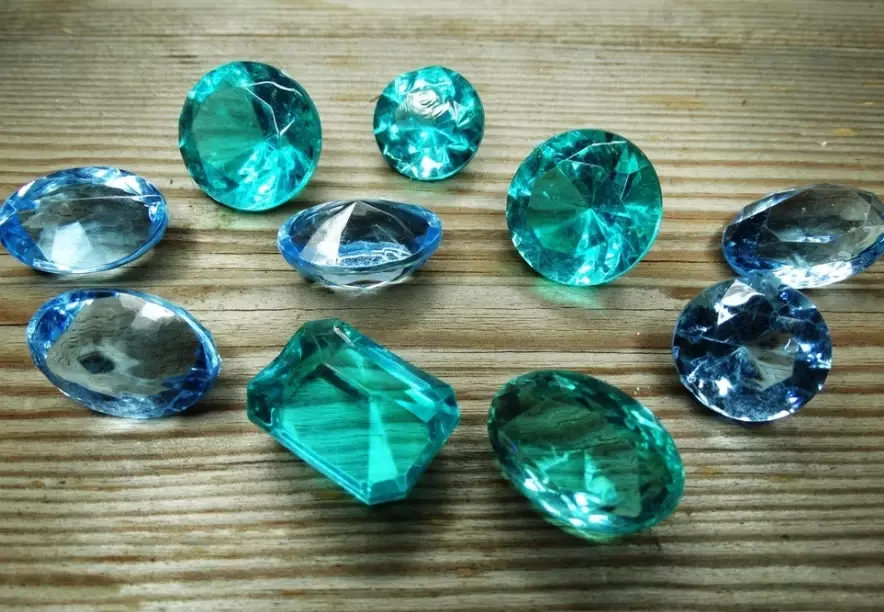
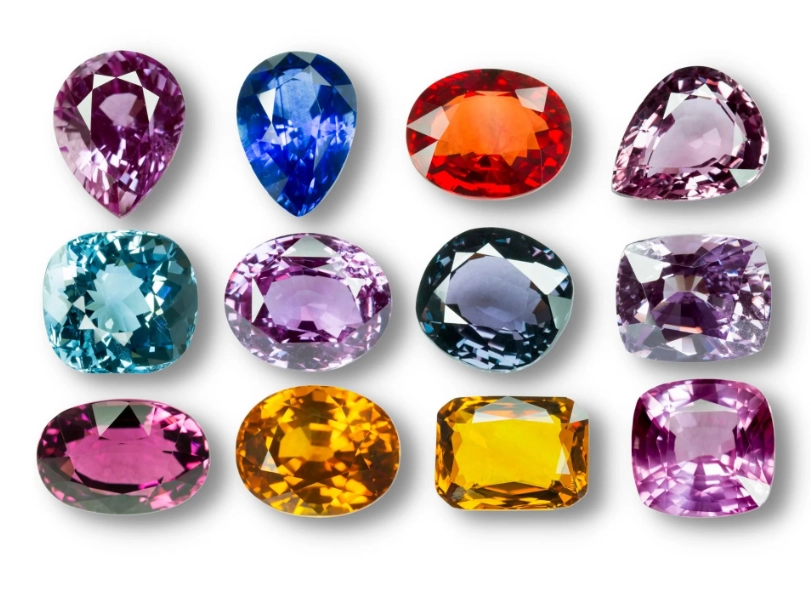
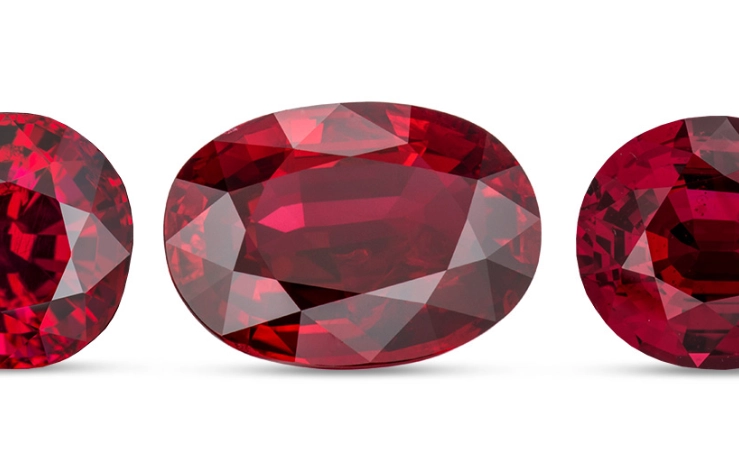
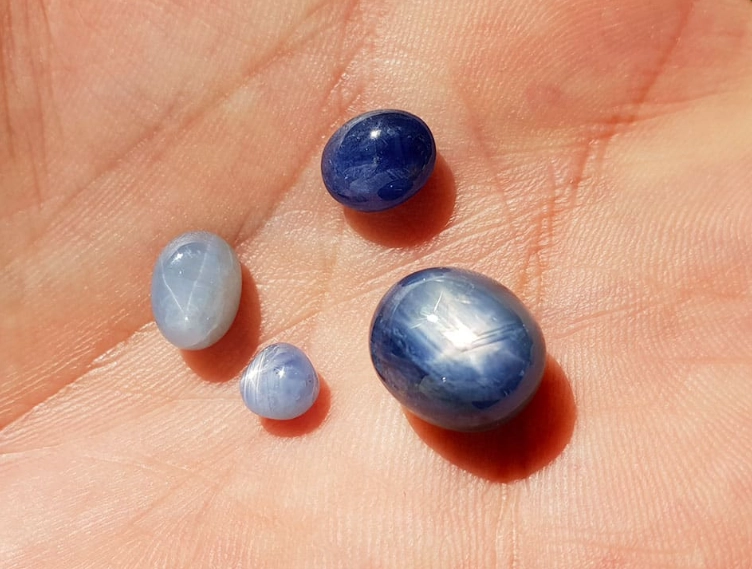
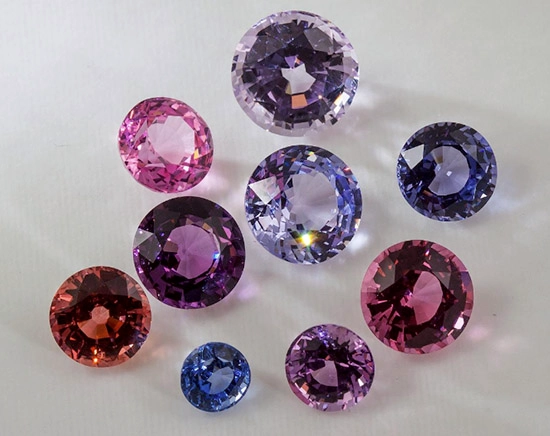
Sapphire is a variety of the mineral corundum (aluminum oxide). Its red cousin is the ruby. Every other color—blue, yellow, pink, purple, orange, green, even colorless—is a sapphire. This is the single most important fact for September babies to internalize.
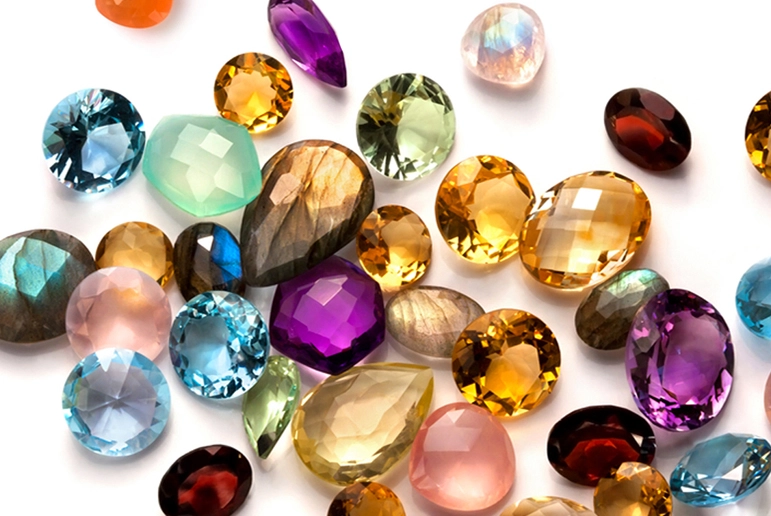
Your September birthstone palette is a rainbow:
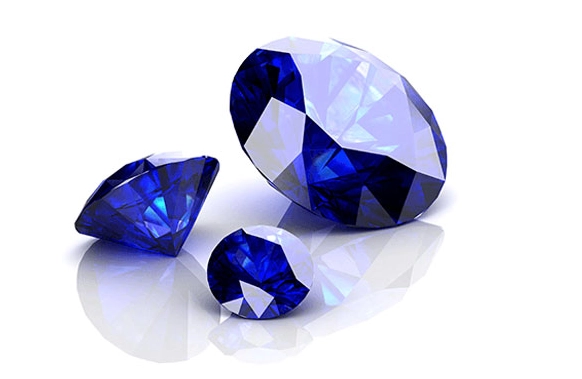
- Blue Sapphire: The classic. Color comes from traces of iron and titanium. The most prized hue is a velvety "cornflower" blue, not too dark, not too light.
- Pink & Padparadscha Sapphire: Pink from chromium. The legendary padparadscha is a sunset blend of pink and orange, incredibly rare and valuable.
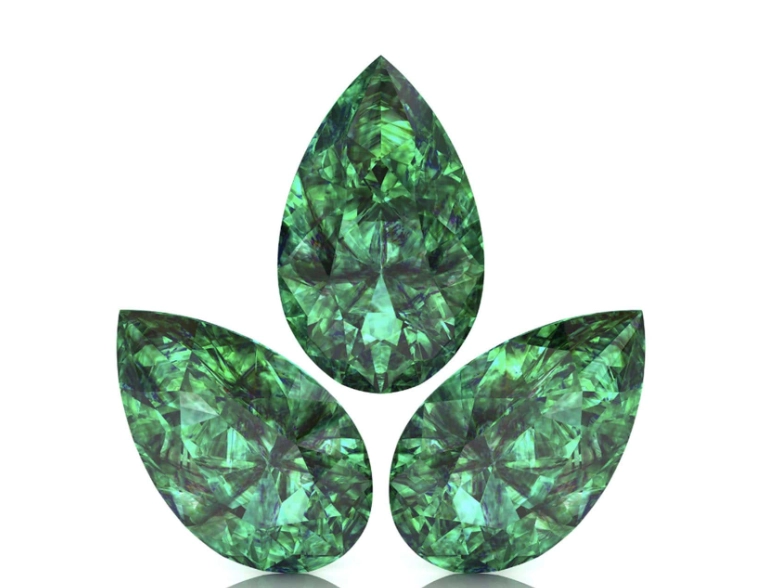
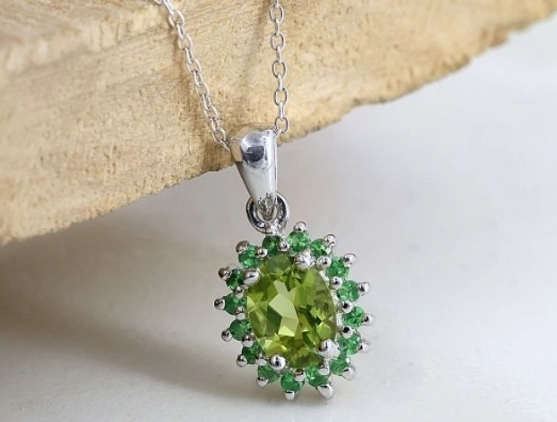
- Yellow & Green Sapphire: Colored by iron. Often more affordable than blue, offering spectacular brilliance in sunny hues.
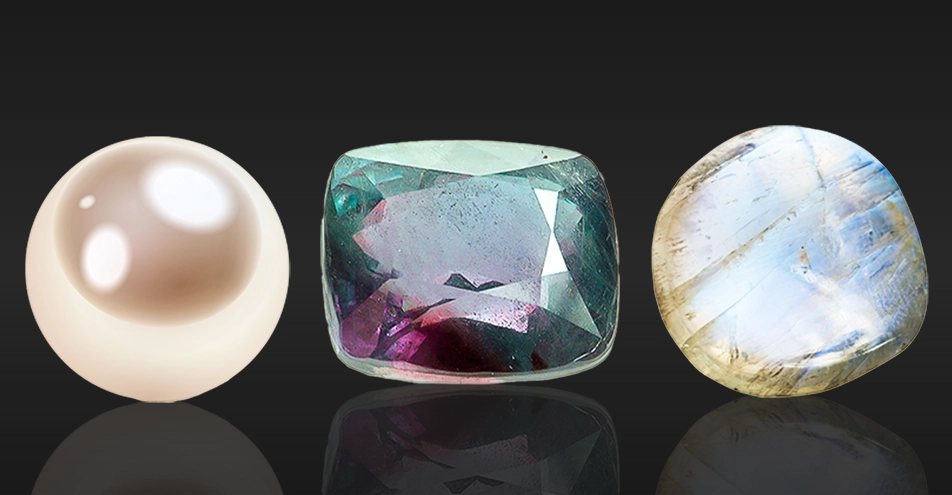
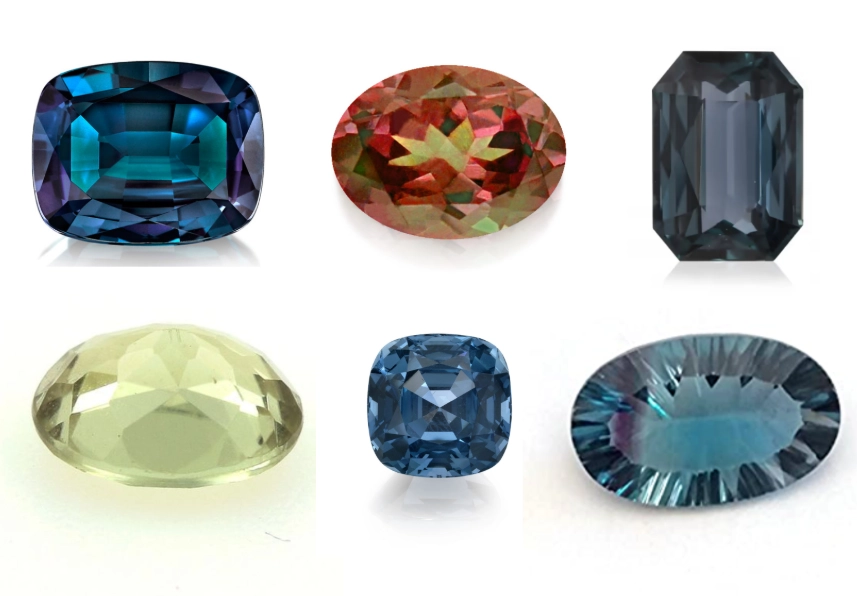
- Parti-colored & Color-Change Sapphire: Stones that show multiple colors or change color under different light sources (e.g., blue in daylight, purple under incandescent light). A truly unique September option.
| Sapphire Color | Primary Cause | Relative Price Point (for good quality) | Why a September Baby Might Choose It |
|---|---|---|---|
| Royal Blue | Iron, Titanium | High to Very High | For the traditionalist who wants the iconic look. |
| Pink | Chromium | High | For a softer, romantic, and still precious alternative. |
| Padparadscha | Chromium + Color Centers | Exceptionally High | For the connoisseur seeking the ultimate rarity. |
| Vibrant Yellow | Iron | Moderate to High | For a bold, sunny, and often more affordable statement. |
| Color-Change | Vanadium | High | For the lover of mystery and magical transformation. |
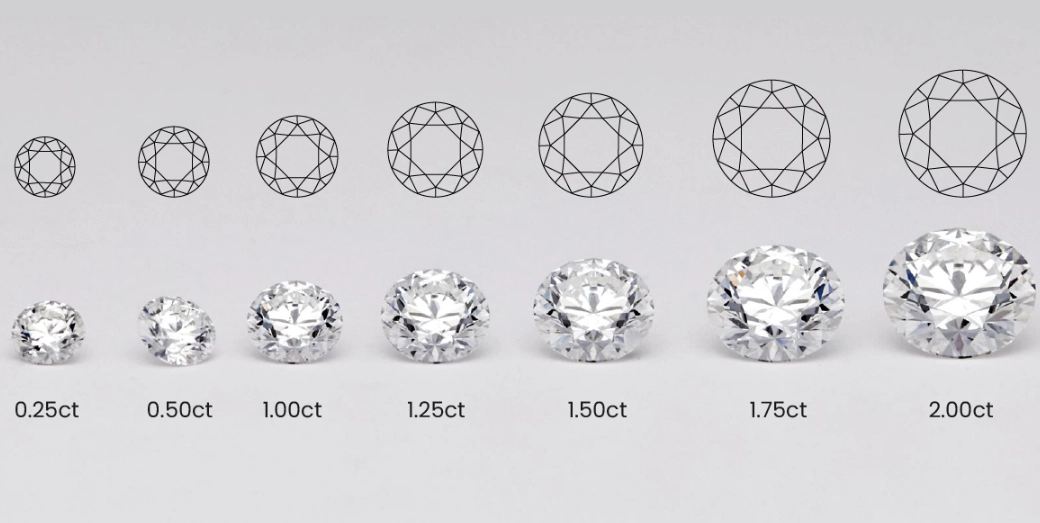
Value is driven by the holy trinity: Color, Clarity, and Cut. Carat weight matters, but a small, intensely colored, well-cut sapphire can be worth far more than a large, washed-out one. Origin also plays a role—Kashmir, Burma (Myanmar), and Ceylon (Sri Lanka) have legendary reputations, but fantastic stones come from Montana, Australia, and Madagascar too. Don't get hypnotized by origin alone; judge the stone in front of you.
How to Spot a Real Sapphire (And Avoid Costly Mistakes)
The market is flooded with look-alikes and synthetics. Here’s a practical, non-technical guide to not getting fooled.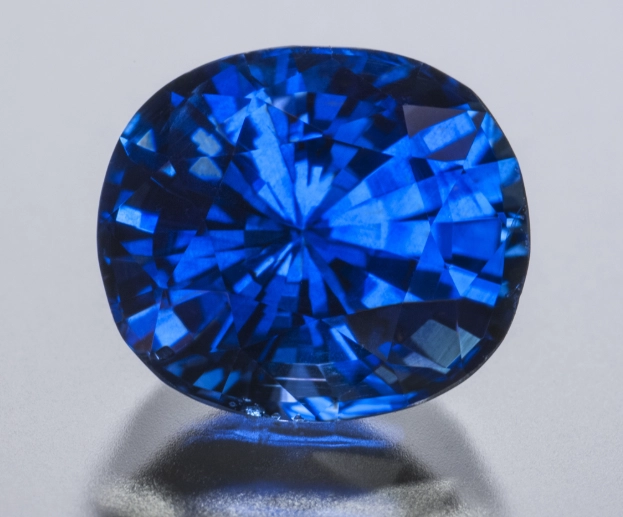
Common Sapphire Imposters
- Blue Topaz: Much lighter in weight (heft a similar sized stone; sapphire feels denser). Often too perfectly clean and "sparkly" in a glassy way.
- Iolite: Shows strong pleochroism (looks different colors from different angles—blue, gray, yellowish). Sapphire's color shift is less dramatic.
- Glass or Synthetic Spinels: These are the trickiest. They have no natural inclusions. If a "sapphire" is priced suspiciously low and looks flawless under a 10x loupe, it's a huge red flag.
The Heat Treatment Question
This is the big one. Over 95% of commercial sapphires are heat-treated to improve color and clarity. This is a permanent, stable, and universally accepted practice. It's not a scam. The problem arises when it's not disclosed. A treated sapphire is still a real sapphire, but it should cost significantly less than an identical-looking untreated one.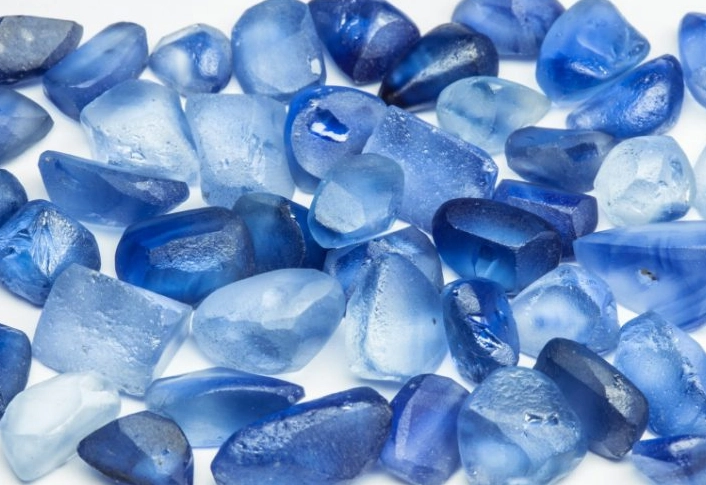
My advice? Never rely on a "scratch test" or other DIY methods. If you're spending real money, insist on a report from a reputable lab like the Gemological Institute of America (GIA) or the American Gemological Laboratories (AGL). The report will specify if it's natural, if it's been treated, and how.
Buying a September Birthstone Sapphire: A Practical Guide
Let's get tactical. You want to buy a September birthstone. How do you navigate this?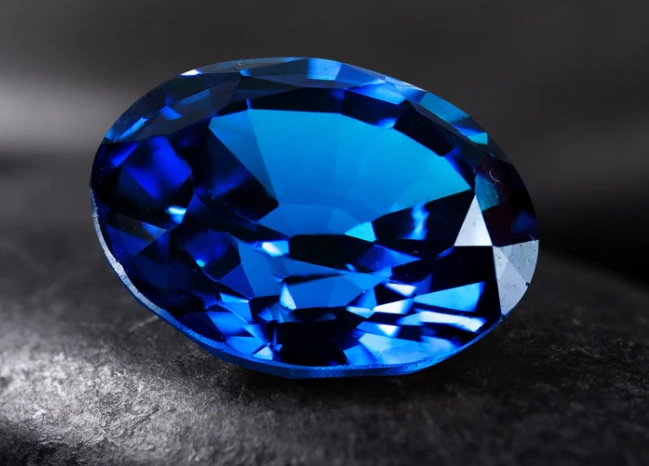
First, set a realistic budget. Sapphire ranges from a few hundred to tens of thousands per carat. You can find a lovely small blue sapphire for under $500, or a stunning padparadscha for $10,000+. Decide your ceiling first.
Second, prioritize color over size. A small, electric blue stone will always look more impressive than a large, murky one. This is the most common mistake I see—chasing carats and ending up with a dull gem.
Third, consider the cut. Many sapphires are cut to preserve weight, not beauty. Look for a stone with good symmetry and life. It should sparkle, not look like a blue piece of glass. A well-cut oval or cushion can make the color sing.
Where to buy? Reputable local jewelers, established online specialists (who provide lab reports and good return policies), or estate sales. Be wary of vague online marketplaces with no gemological backing.
Ask these exact questions:
- "Is this stone natural sapphire?"
- "Has it undergone any treatment (heat, diffusion, fracture filling)?" Get the answer in writing.
- "Can I see a lab report from GIA, AGL, or a similar lab?"
- "What is the country of origin?" (But remember, don't buy on origin alone).
Your September Birthstone Questions, Answered
So, is the sapphire the birthstone for September? Absolutely. But now you know that answer is a gateway, not an endpoint. It's a gateway to a gem of incredible variety, deep history, and enduring value. Whether you choose a classic cornflower blue, a sunny yellow, or a mystical color-change stone, your September sapphire connects you to a story thousands of years in the making. Choose it with knowledge, and wear it with the confidence that you understand its true nature.