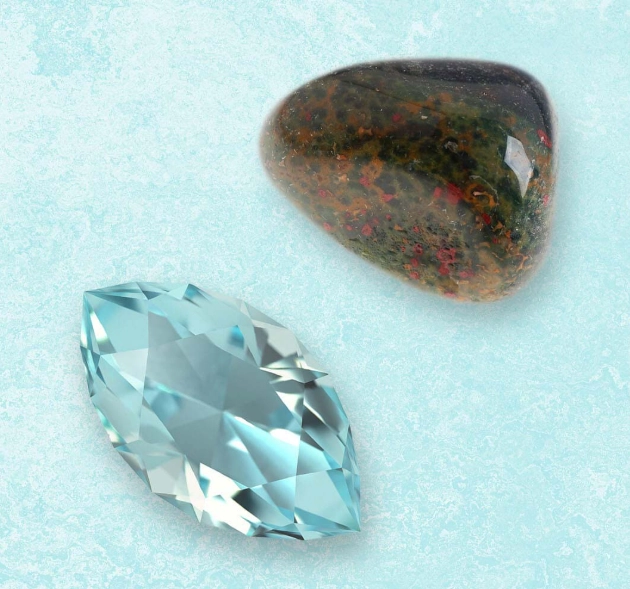
Let's cut to the chase. Does September have two birthstones? It's true. If you're a September baby, you're in the lucky position of having not one, but two stunning gems to call your own: the regal sapphire and the mystical lapis lazuli. This isn't some modern marketing gimmick. The dual-birthstone tradition for September has roots that go deep, reflecting a fascinating split between ancient symbolism and modern gemology. Most people know about the sapphire. The lapis part often comes as a surprise, leading to a ton of questions. Which one is the "real" birthstone? Why are there two? And if you're buying a September birthstone gift, how on earth do you choose?
I've worked in the jewelry trade for over a decade, and I can tell you, the confusion is real. Customers walk in asking for a September stone and are genuinely shocked when I show them a deep blue lapis lazuli necklace alongside a classic sapphire ring. This guide is here to clear that up. We'll dive into the history, meaning, and practical realities of both gems. By the end, you'll not only know the answer but you'll understand the why behind it, and be equipped to make a choice that feels right for you or your loved one.
Your Quick Guide to September's Gems
The Official Answer: Modern vs. Traditional Lists
So, who decides these things? The idea of monthly birthstones was standardized in 1912 by the Jewelers of America (then called the American National Retail Jewelers Association). Their goal was to create a uniform list for the trade. On that original list, sapphire was the sole gem for September.
Fast forward, and we see a shift. Many cultures and traditions had long associated other stones with September. Lapis lazuli, prized for millennia, was a prominent one. Recognizing this rich history and the desire for more options, the list has evolved. Modern lists, like the one often referenced by the Gemological Institute of America (GIA), now frequently include both sapphire and lapis lazuli for September.
Think of it this way:
- The Modern Standard: Sapphire. It's the undisputed king, known for its durability and classic blue hue.
- The Traditional/Astrological Choice: Lapis Lazuli. It's the stone with ancient roots, deeply connected to wisdom and truth.
Neither is "more correct." It's a beautiful example of how tradition and modern practice can coexist. Sapphire is your go-to for a heirloom piece meant for daily wear. Lapis lazuli is for someone drawn to history, art, and a more metaphysical connection to their birth month.
Sapphire: The September Classic
When you picture a September birthstone, you're probably picturing a sapphire. That brilliant, deep blue is iconic. But there's so much more to this corundum mineral (the same family as ruby) than just color.
The Color Spectrum: While "cornflower blue" is the most prized, sapphires come in every color except red (that's a ruby). You'll find stunning pinks, yellows, oranges (padparadscha), and even colorless ones. For a September birthstone, blue is traditional, but don't feel boxed in. A unique pink or yellow sapphire can be a deeply personal choice.
Durability is Key: Sapphire scores a 9 on the Mohs scale of hardness, second only to diamond. This isn't just a technical detail—it's the single most important practical advantage. It means a sapphire ring or bracelet can be worn every single day without you needing to worry about scratches or chips. You can forget it's on your hand, and that's the point of fine jewelry.
Here's a tip most beginners miss: The treatment of sapphires. The vast majority of blue sapphires on the market are heat-treated to improve their color and clarity. This is a permanent, stable, and widely accepted practice. However, if a dealer isn't upfront about it, that's a red flag. Always ask: "Has this stone been treated?" A natural, untreated sapphire with exceptional color is rare and commands a much higher price. For a daily-wear piece, a beautifully heat-treated stone is a perfect, more accessible choice.
Lapis Lazuli: The Ancient Alternative
Lapis lazuli is a rock, not a single mineral. That's the first thing to understand. It's a beautiful, chaotic mix primarily of lazurite (which gives it that signature ultramarine blue), calcite (white streaks), and pyrite (those gorgeous flecks of gold). This composition is what gives it character, but also dictates how you handle it.
A Stone of History: While sapphire has royal connections, lapis lazili has divine ones. It was ground into powder to make ultramarine pigment, the most expensive color used by Renaissance masters like Michelangelo. It adorned the funeral mask of Tutankhamun. Wearing lapis is like wearing a piece of art history.
The Practical Reality: Lapis has a Mohs hardness of around 5 to 5.5. Let's be blunt: it's relatively soft and sensitive. It can be scratched by dust (which contains quartz), and it doesn't like harsh chemicals, heat, or prolonged soaking in water. This doesn't mean you shouldn't buy it—it means you buy it with the right expectations.
My advice? Lapis lazuli shines in pieces that don't take constant abuse. Think pendants, earrings, brooches, or men's cufflinks. A lapis ring can be stunning, but opt for a protective bezel setting and be mindful of wearing it during manual tasks. The pyrite flecks can sometimes loosen or fall out if the stone is knocked hard. This isn't a flaw; it's part of the stone's nature. A high-quality lapis will have a rich, even blue with a pleasing distribution of pyrite, not large, crumbling patches of it.
Sapphire vs. Lapis Lazuli: How to Choose
Stuck between the celestial blue of a sapphire and the deep, starry night of a lapis? This is where it gets personal. Let's break it down beyond just looks.
| Consideration | Sapphire | Lapis Lazuli |
|---|---|---|
| Best For Daily Wear | Winner. Hardness of 9 makes it ideal for rings, bracelets, daily pendants. | Requires more care. Better for occasional wear or protected settings. |
| Budget Range | Wide range. Smaller/treated stones can be accessible. Large, untreated cornflower blue is premium. | Generally more accessible. Fine, even-color material is priced higher, but often less than sapphire. |
| Symbolic Vibe | Wisdom, loyalty, nobility. A classic, timeless gift. | Truth, insight, inner power. An artistic, spiritual, and historical choice. |
| Maintenance | Low. Ultrasonic cleaners are usually safe for heat-treated stones. | Higher. Clean only with a soft, damp cloth. Avoid chemicals and immersion. |
| The "Look" | Brilliant, transparent, faceted sparkle. Can be very clean or have silky inclusions. | d>Opaque, solid color with distinctive white calcite veining and gold pyrite flecks. |
Ask yourself these questions:
- Is this for everyday? If yes, lean sapphire.
- Is the recipient drawn to ancient history or art? Lapis tells a story.
- What's the budget? You can find stunning lapis pieces at various price points. Sapphire offers entry-level options but scales up dramatically.
- Want something unique? While blue is classic, consider a parti-sapphire (multiple colors) or a lapis lazuli piece with dramatic, artistic veining.
I once helped a client choose between the two for an engagement ring for his archaeologist fiancée. He loved the tradition of sapphire, but she lived and breathed ancient cultures. We went with a custom lapis lazuli in a sturdy bezel setting flanked by small diamonds. It was perfect for her. The sapphire would have felt disconnected from her identity.
Caring for Your September Birthstones
Treating your gems right ensures they last generations. The rules are different for each.
Caring for Sapphire
It's tough. You can clean it with mild dish soap, warm water, and a soft brush. An ultrasonic cleaner is generally safe for heat-treated stones, but if you're unsure about treatments or if the stone has significant inclusions, stick to the manual method. Store it separately to avoid scratching softer gems.
Caring for Lapis Lazuli
Handle with more love. Never use an ultrasonic or steam cleaner. The vibrations can fracture it, and heat/water can damage the polish and structure. Wipe it gently with a dry or slightly damp microfiber cloth after wearing. Store it in a soft pouch. Keep it away from perfumes, hairspray, and household chemicals. Think of it like a delicate painting.
Your September Birthstone Questions Answered
I see peridot listed for September sometimes. What's that about?
You're spotting the difference between ancient and modern calendars. In older systems, before calendar reforms, the zodiac period for Virgo (and associated stones like peridot) overlapped with part of September. Some traditional lists, particularly older European ones, still reference peridot. However, the dominant modern standard in places like the US uses the August-September split (peridot for August, sapphire/lapis for September). It's a historical hangover, not a current mainstream option.
My budget is tight. Is lapis lazuli just a "cheap alternative" to sapphire?
This is a common misconception I fight in the shop. Lapis lazuli is not a sapphire substitute. It's a completely different material with its own millennia-old legacy. Yes, it's often more affordable than a fine sapphire, but that doesn't diminish its value. A high-quality, intensely colored Afghan lapis with subtle pyrite sparkle is a treasure in its own right. Think of it as the "democratic" birthstone—offering profound beauty and history at a more accessible point. Choosing it isn't settling; it's making a different, equally valid aesthetic and symbolic choice.
Can I wear sapphire and lapis lazuli jewelry together?
Absolutely, and it can look incredible. The key is to be mindful of hardness. Remember, sapphire (9) is much harder than lapis (5.5). If you're wearing them on the same hand or arm—like a sapphire ring and a lapis bracelet—make sure they don't bang against each other. The sapphire will scratch the lapis over time. Wearing a lapis pendant with sapphire earrings is a perfect, safe combination. The mix of transparent sparkle and opaque depth is very chic.
What's the biggest mistake people make when buying a September birthstone?
Assuming all blue stones are created equal. I've seen people pay a premium for what they thought was a sapphire, only to get a piece of dyed howlite or synthetic spinel. Or, they buy a delicate lapis ring set in a high-prong setting for daily wear, only to see it get damaged quickly. The mistake is not asking questions. Always ask: "What is this material?" "Has it been treated?" "Is this setting suitable for this stone's durability?" Reputable sellers will have and volunteer this information.