If you're an October baby, you hit the jackpot. You don't get just one birthstone color to represent your month; you get an entire spectrum. Forget the simple idea of a single hue. The colors of October's birthstones—opal and tourmaline—are about depth, fire, and personal expression. One captures every color of the rainbow in a single, shifting stone. The other offers a range from soft pastels to vivid neons, with pink being the classic favorite. Let's break down what these colors really mean, how they affect value, and most importantly, how you can choose and wear the shade that feels like you.
What's Inside
Two Stones, One Colorful Month
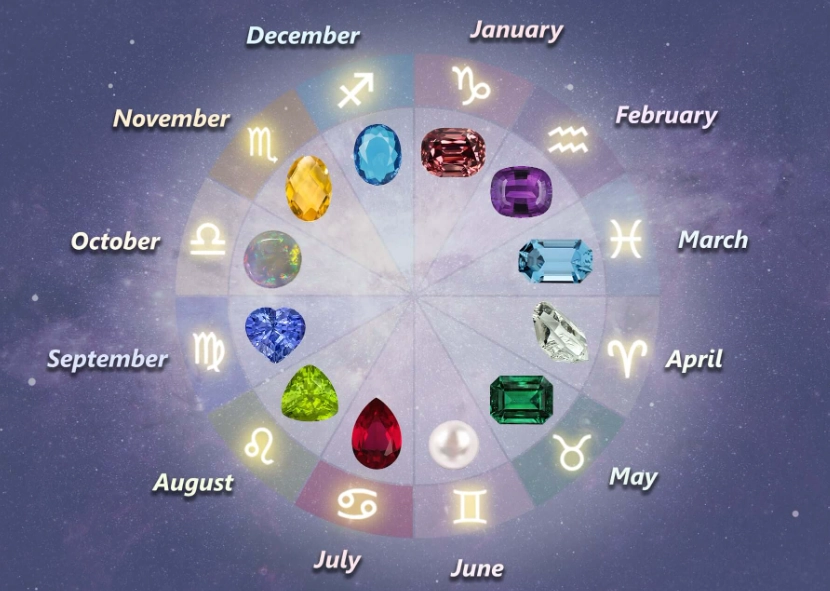
First, a quick clarification that trips up a lot of people. October has two official modern birthstones: opal and pink tourmaline. The American Gem Trade Association and the Jewelers of America list them both. This isn't an either-or situation. It's a "choose your own adventure" based on your style, budget, and what you want the stone to say.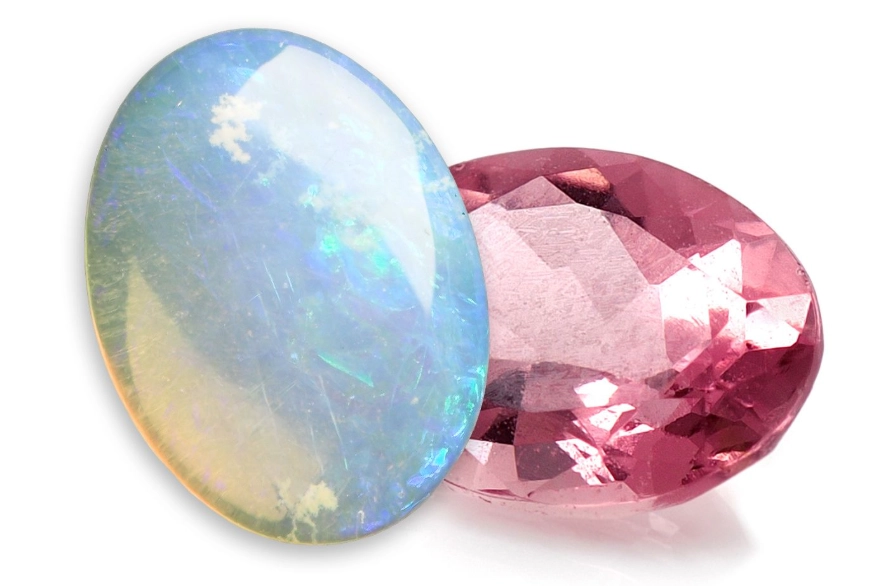
Opal is the traditional October stone, known for its unique play-of-color—that magical, shifting flash of spectral colors. Tourmaline, specifically the pink variety, was added as a modern alternative, offering incredible clarity and a rich, consistent color. So when someone asks, "What's the October birthstone color?" the honest answer is: "Which one?"
A Quick Side Note on Tradition
You might hear opal called the "traditional" stone. This goes back centuries. But pink tourmaline's addition in the 20th century wasn't random. It offered October babies a durable, vibrant option with its own deep lore. Both have earned their spot.
Opal's Color: It's All About the Play-of-Color
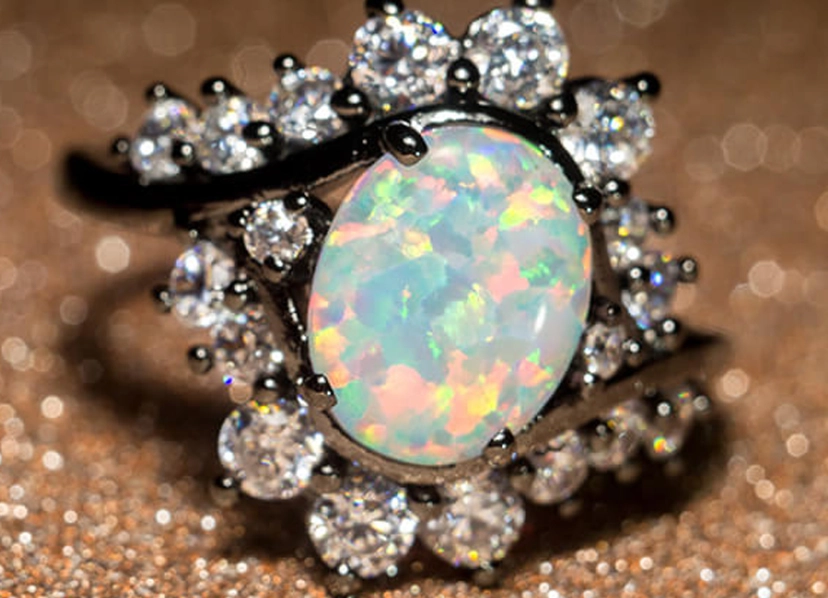
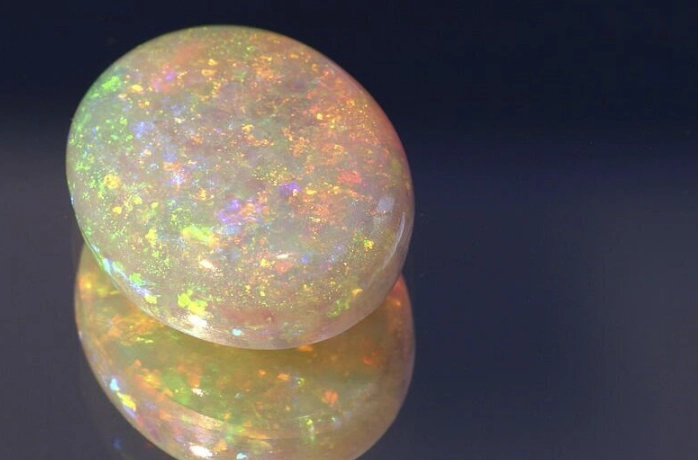
Talking about a single "opal color" misses the point entirely. The body tone—the background color you see when the stone isn't flashing—can be white, black, crystal-clear, or even orange (fire opal). But the real magic is the play-of-color.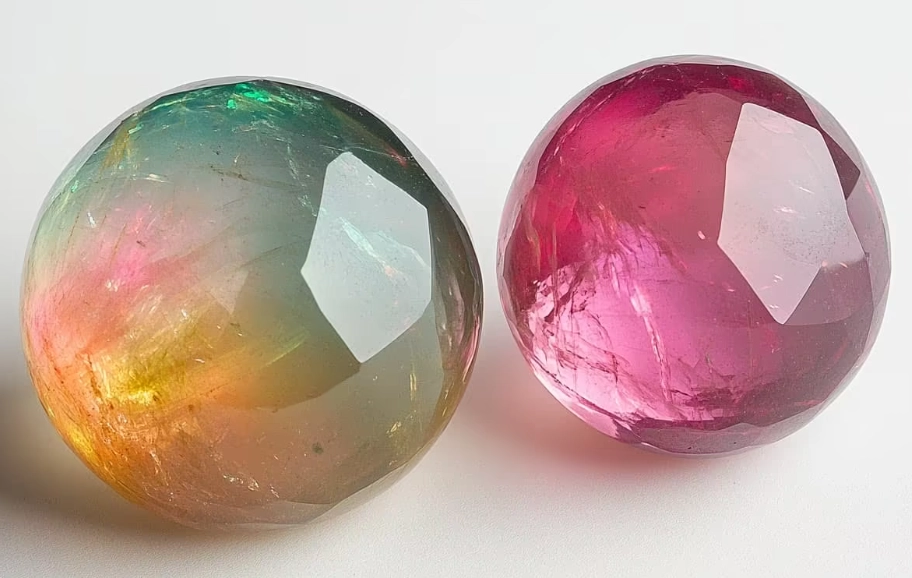
Think of it like a prism effect trapped inside the stone. Silica spheres within the opal diffract light, breaking it into all the colors of the rainbow. The size and arrangement of these spheres determine which colors you see.
Decoding the Play-of-Color: What to Look For
Not all play-of-color is equal. When evaluating an opal's color, gemologists look at three things:
Range: Does it show one or two colors, or the full rainbow? Reds and oranges are rarer than blues and greens because the silica sphere structure needed to produce them is less common. A stone flashing red is typically more valuable than one showing only blue.
Pattern: How are the colors arranged? Common patterns include harlequin (broad, angular patches), pinfire (small, tight dots), and ribbon or stripe. A distinct, attractive pattern can significantly increase value.
Brightness: Are the colors dull or vivid and electric? The brightness, sometimes called "brilliance," is crucial. A bright, vibrant flash is always preferred over a weak, washed-out one.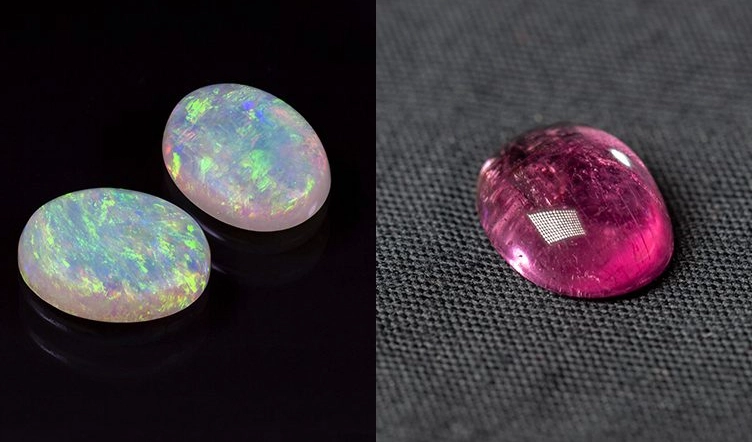
Here's a simplified breakdown of how body tone and play-of-color interact:
| Opal Type | Typical Body Tone | Play-of-Color Effect | Vibe & Value Note |
|---|---|---|---|
| Black Opal | Dark blue, gray, to black | Colors "pop" dramatically against the dark background. Often shows bright reds/oranges. | Most rare and valuable type. The contrast makes the fire unforgettable. |
| White Opal | White, milky, light cream | Softer, more diffused play-of-color. Often shows blues and greens. | Classic and more accessible. The color play can feel ethereal and gentle. |
| Crystal Opal | Transparent to translucent | Play-of-color seems to float within the clear stone. Can be very bright. | Modern favorite for jewelry designers. Allows light to pass through, creating depth. |
| Fire Opal | Yellow, orange, red | May or may not have play-of-color. Valued primarily for its warm, solid body color. | Bold and sunny. If it *does* have play-of-color on that orange base, it's a special find. |
I remember the first high-quality black opal I held. It looked like a dark pebble until it caught the light, and then it was like a tiny, contained fireworks display. That's the experience you're buying.
Tourmaline's Color: The Pink Spectrum and Beyond
While pink is the color most associated with October's tourmaline, this gemstone family is famously the "rainbow gem." It comes in virtually every color. However, for the birthstone, we focus on the pinks, from pastel to hot pink.
The pink color comes from traces of manganese. The more manganese, generally, the deeper the pink. But here's a nuance most articles skip: the presence of other elements can shift the hue. A touch of iron might pull it toward a peachy or purplish pink.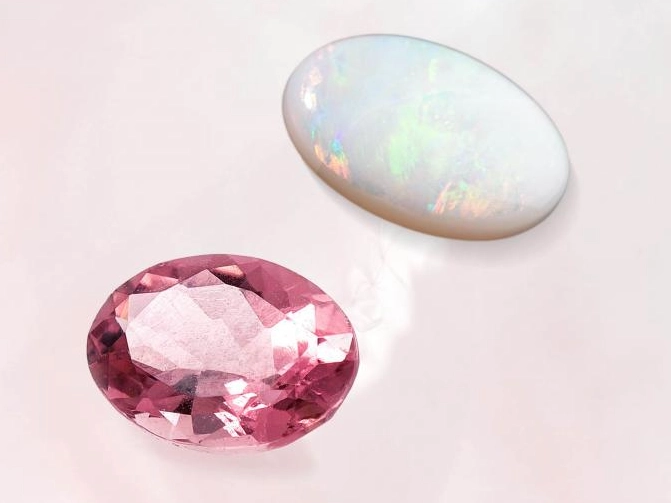
The Pink Hierarchy: From Bubblegum to Raspberry
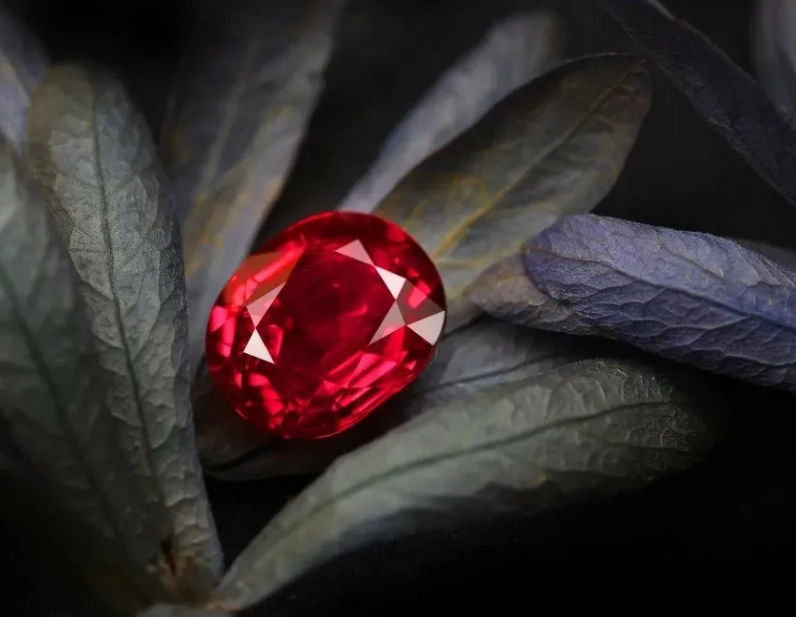
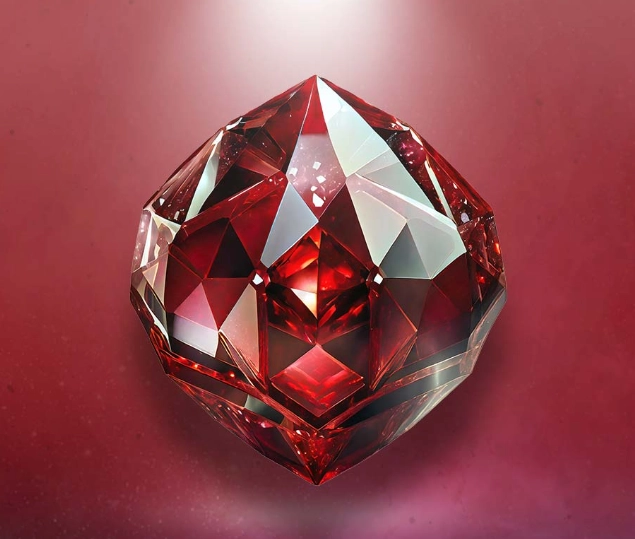
In the gem trade, not all pinks are priced equally. The most coveted shade is a pure, vibrant pink—not too light, not too dark, with no secondary brown or gray tones. Think of the color of a perfect raspberry or a vivid fuchsia flower.
"Hot Pink" or "Neon Pink" tourmaline from places like Nigeria commands top dollar. It's electric. "Peach Tourmaline" (a pinkish-orange) has become a huge trend, offering a softer, warmer alternative. Lighter pinks are more available and affordable, making them a great entry point.
A common mistake is assuming all pink tourmaline is the same. Hold a pale, slightly milky pink stone next to a saturated, neon one. The difference is night and day, and so is the price. Always ask about the saturation and tone.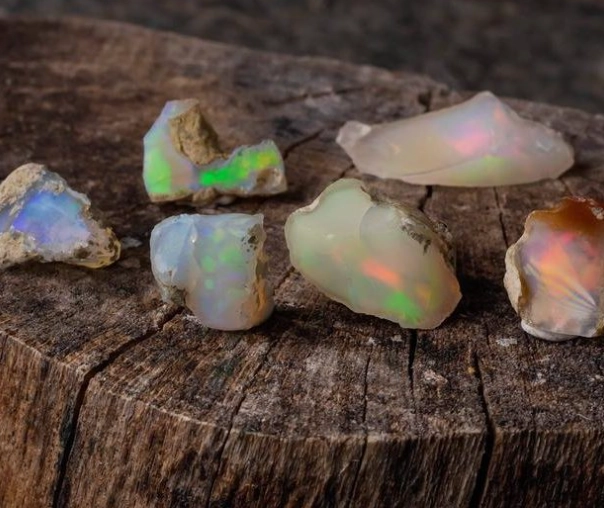
What About Other Tourmaline Colors?
Absolutely, you can wear them! Green tourmaline (verdelite), watermelon tourmaline (pink center, green rind), and indicolite (blue) are all stunning. While not the "official" October pink, they are still tourmalines. If a deep blue tourmaline speaks to you more than a pink one, wear it with pride. Your birthstone should reflect you.
How Color Drives Meaning and Value
Color is the primary driver of value for both these stones, but in completely different ways.
For opal, value is a complex formula: Body Tone + Play-of-Color (Range, Pattern, Brightness). A smaller black opal with brilliant red flashes can be worth far more than a large white opal with only faint blue-green color. It's about the intensity and rarity of the optical effect.
For pink tourmaline, it's more straightforward: Color Saturation + Clarity + Size. The richer, purer, and more vivid the pink, the better. A clean stone (eye-clean, meaning no visible inclusions to the naked eye) with a saturated "hot pink" color is the goal. Size matters, but color matters more.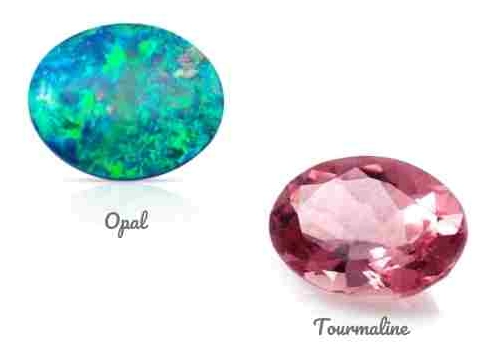
Beyond market value, color carries meaning. Opal's shifting colors have linked it to hope, purity, and the magic of change for centuries. Its ability to show all colors made it a symbol of creativity and inspiration. Pink tourmaline's steady, nurturing hue associates it with compassion, love, and emotional healing. It's a calmer, more focused energy compared to opal's dynamic fire.
Wearing Your October Colors
Choosing between opal and tourmaline often comes down to lifestyle and how you plan to wear the stone.
Opal is more delicate (5.5-6.5 on the Mohs scale). Its play-of-color is a structural phenomenon, making it sensitive to knocks, extreme temperature changes, and chemicals. This doesn't mean you can't wear it daily, but you need to be mindful. It's perfect for pendants, earrings, or cocktail rings—pieces less likely to suffer impact.
A bezel setting that protects the entire rim is smarter than a prong setting for an opal ring you plan to wear often. I've seen too many chipped opals in prong settings from casual bumps against a countertop.
Tourmaline is much tougher (7-7.5 on the Mohs scale). It's a great choice for everyday rings, bracelets, or any piece that might see more active wear. Its consistent color and durability make it a practical heirloom stone.
Stylistically, opal is Bohemian, artistic, and unique. No two are alike. Tourmaline is more classic, elegant, and versatile. A pink tourmaline solitaire ring has a timeless appeal, while an opal ring is a conversation starter.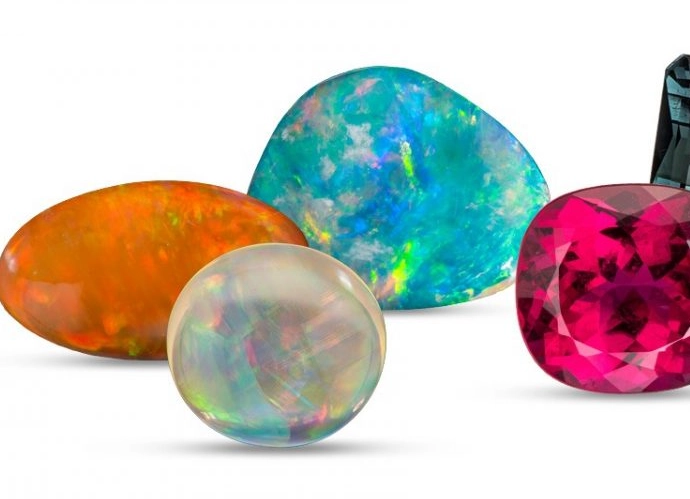
Buying Smart: A Color-Focused Checklist
Before you buy, run through this list. It's the advice I give friends.
For Opal:
- Light Test: Always view the stone under different lights—daylight, indoor light, and with a pinpoint light source (like a penlight). The play-of-color should be visible in multiple conditions, not just blinding direct sun.
- Check for Crazing: Look closely for a network of fine surface cracks. This is a sign of instability and should be avoided.
- Ask About Treatment: Many opals are "smoked" or treated with sugar and acid to darken the body tone. This is common and acceptable but must be disclosed. A treated black opal costs far less than a natural one.
- Consider a Doublet/Triplet: If you love the look but have a tight budget, a doublet (thin opal slice on a dark backing) or triplet (with a clear quartz cap) offers durability and a similar effect at a fraction of the cost. Just know what you're buying.
For Pink Tourmaline:
- Color Consistency: View the stone face-up and from the side. The color should be even. Avoid stones with visible zoning (patches of lighter or darker color) unless you like that look.
- Clarity Expectation: Tourmaline often has inclusions. The key is whether you can see them with your naked eye when the stone is set. "Eye-clean" is the standard for a quality piece.
- Heat Treatment: Some brownish or dull pink tourmalines are heated to improve the color to a purer pink. This is a stable, permanent treatment and is widely accepted in the industry. Again, just ask.
Finally, buy from a reputable seller who provides clear information about treatments, origin (if important to you), and offers a return policy. Don't be shy about asking questions. A good jeweler loves to educate.
Your October Birthstone Color Questions, Answered
Can I wear an opal ring every day, or is it too fragile?
You can, but you need to treat it like fine silk, not denim. Avoid wearing it during manual work, gardening, or gym sessions. The constant pressure and exposure to sweat and chemicals will damage it over time. Opt for a protective bezel setting, and get it checked by a jeweler once a year to ensure the setting is secure. For a true daily-wear ring, tourmaline is the more worry-free October choice.
Is pink tourmaline too feminine for men to wear?
Not at all. This is an outdated view. The rise of men's jewelry has seen pink tourmaline set in masculine signet rings, cufflinks, and pendants. The key is the design. A deep, saturated raspberry pink in a dark grey tungsten or blackened silver setting looks modern and powerful, not feminine. Focus on the color saturation and the metalwork, not gendered stereotypes.
My opal looks cloudy sometimes. Did I damage it?
Probably not. Opal contains water (typically 3-10%). If it's exposed to very dry conditions (like a heated room in winter or a safe deposit box with a dehumidifier), it can lose moisture and temporarily appear cloudy or even develop tiny cracks called "crazing." This is why storing opals correctly is crucial. Keep them in a soft pouch, and occasionally place the pouch in a sealed bag with a damp cotton ball (not touching the stone) to provide humidity. Often, the cloudiness will reverse when rehydrated. If it's from impact damage, the cloudiness is usually localized to a crack or chip.
What's a fair price for a good quality October birthstone?
It's a huge range. A small, pretty white opal or light pink tourmaline in sterling silver can be under $200. A fine black opal or vivid "hot pink" tourmaline over one carat in gold can easily run into the thousands. Instead of a target price, set a budget and work backwards. For $500, you can find a lovely crystal opal pendant or a small but vivid pink tourmaline ring in 10k gold. Be clear with your jeweler about your budget—they can show you the best options within it.
Are there ethical concerns with these stones?
It's a valid question. Major sources for opal include Australia (Ethiopian opal is also significant but can be less stable). Australian mining is generally well-regulated. For tourmaline, Brazil and Nigeria are key sources, with Mozambique producing stunning pinks. The best practice is to ask your jeweler about their sourcing. Reputable dealers increasingly work with suppliers who adhere to responsible mining practices, ensuring safe working conditions and minimizing environmental impact. Look for vendors who are transparent about their supply chain.