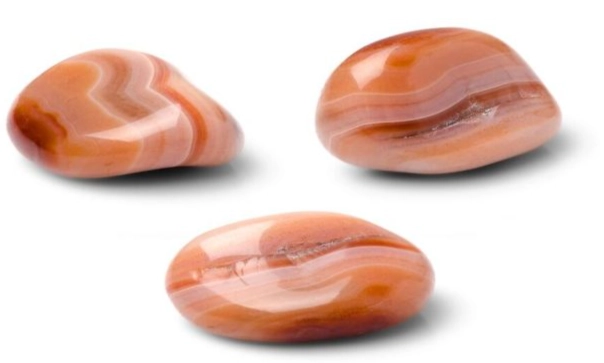
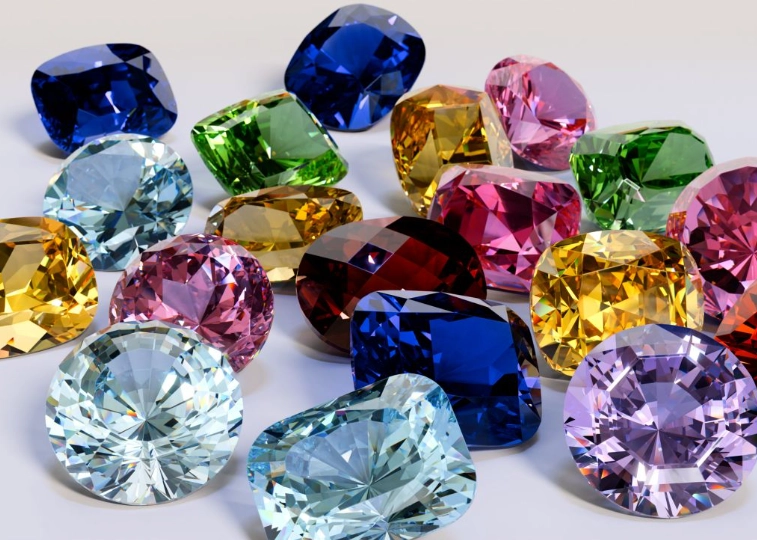
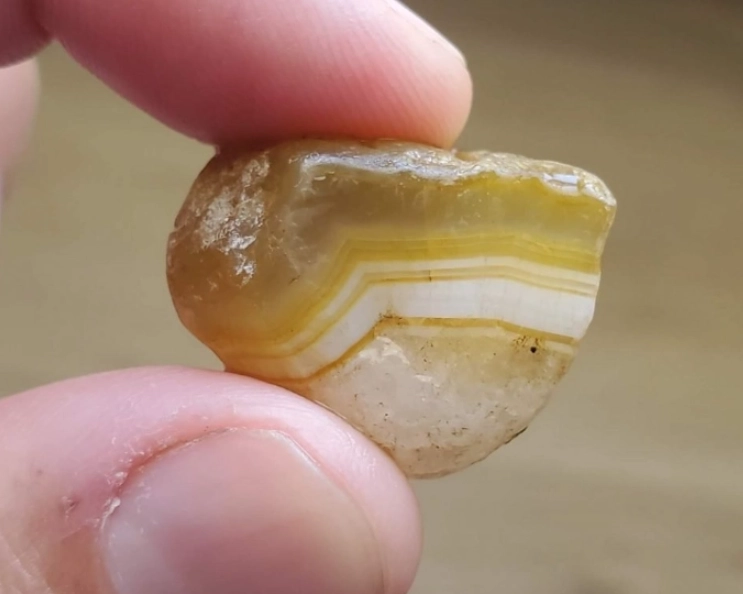
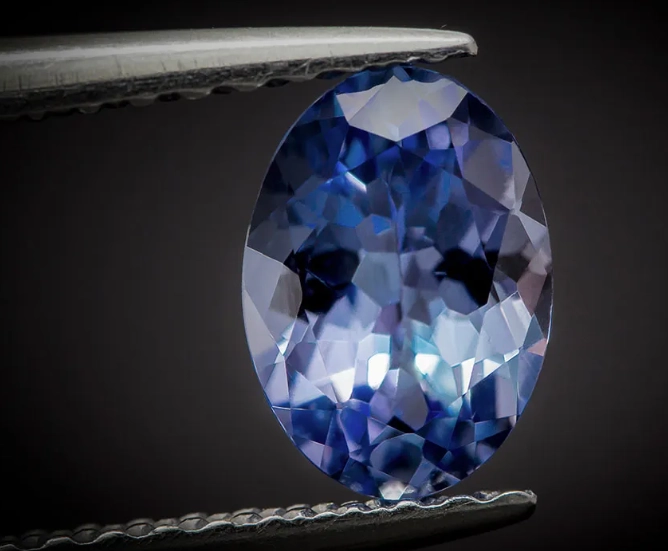
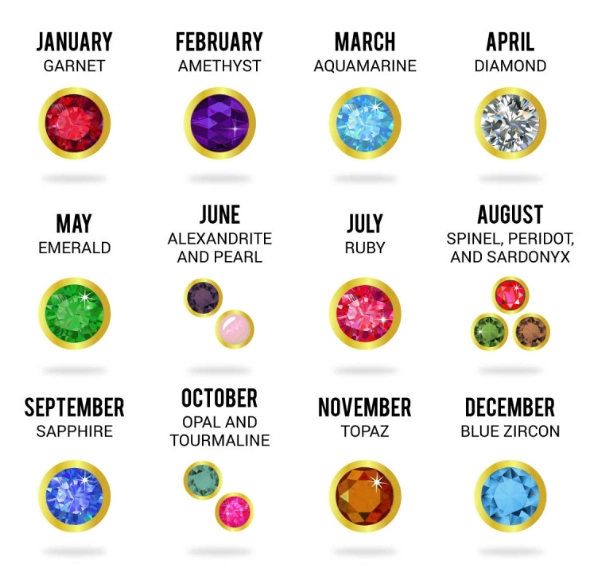
If you're looking for the October birthstone for a boy, you've hit a fascinating snag. October is one of only two months with two official birthstones. That's right. For a boy born in October, you're choosing between the fiery, color-shifting opal and the incredibly durable, colorful tourmaline. It's not just about picking a stone; it's about matching a gem's personality to the boy's. Is he creative and dreamy? Maybe opal. Is he active, sporty, or loves the outdoors? Tourmaline might be the tougher, better fit. Let's cut through the confusion and get into what really matters when choosing between these two stunning gems.
What's Inside This Guide
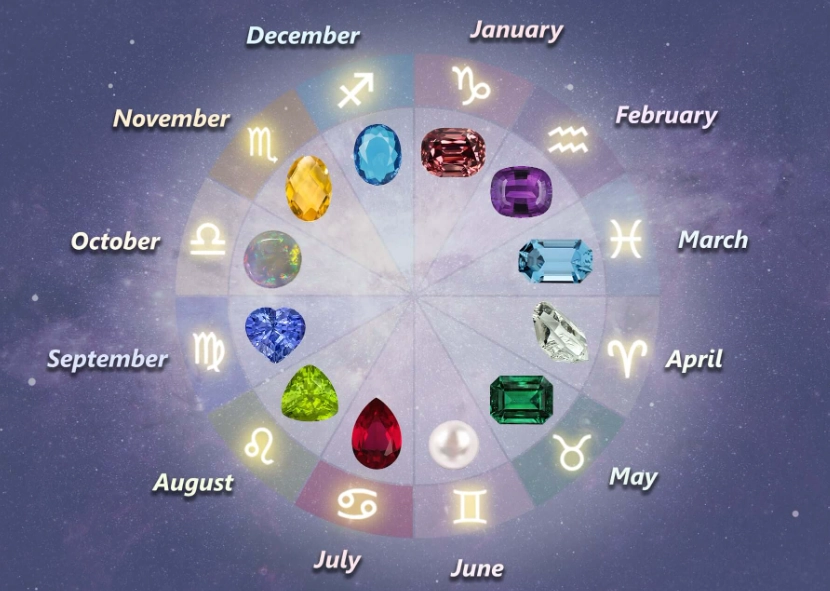
Why Are There Two October Birthstones?
This dual-gem situation isn't a marketing gimmick. It's history clashing with modern gemology. Opal has been the recognized October birthstone for centuries, celebrated in ancient Roman and Arabic cultures. Its play-of-color was thought to contain the magic of all other gems.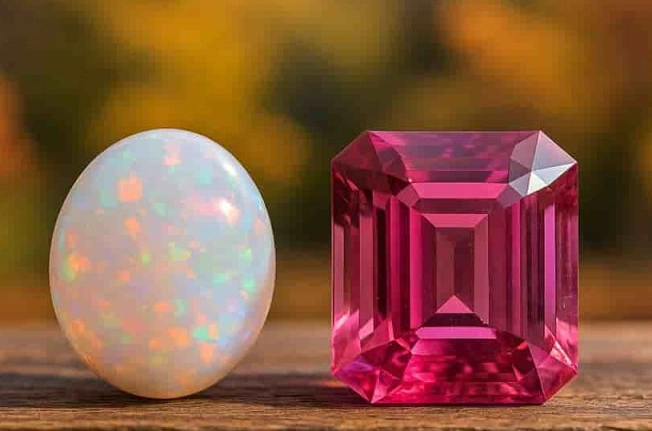
But wait, why add tourmaline?
The American National Association of Jewelers (now Jewelers of America) officially added tourmaline in 1952. The reason often cited is opal's reputation for being delicate and unlucky (a superstition I think is nonsense, but more on that later). Tourmaline, with its wide range of colors and superior hardness, offered a durable and versatile alternative. Think of it this way: opal is the classic, poetic choice. Tourmaline is the practical, modern powerhouse. For a boy's jewelry that might see some action, this distinction is crucial.
Opal: The Traditional October Birthstone
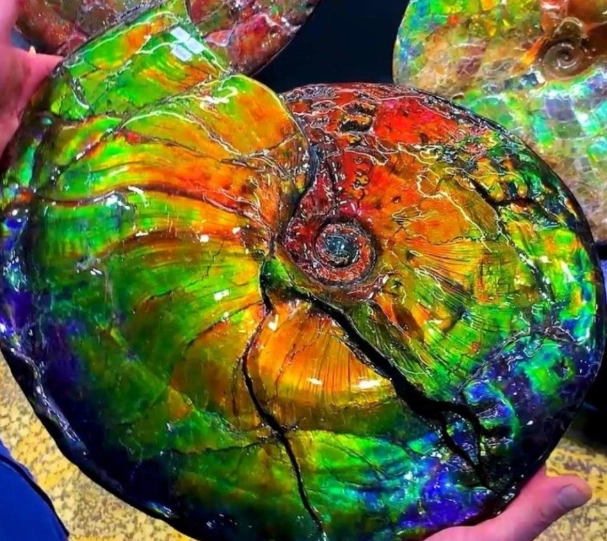
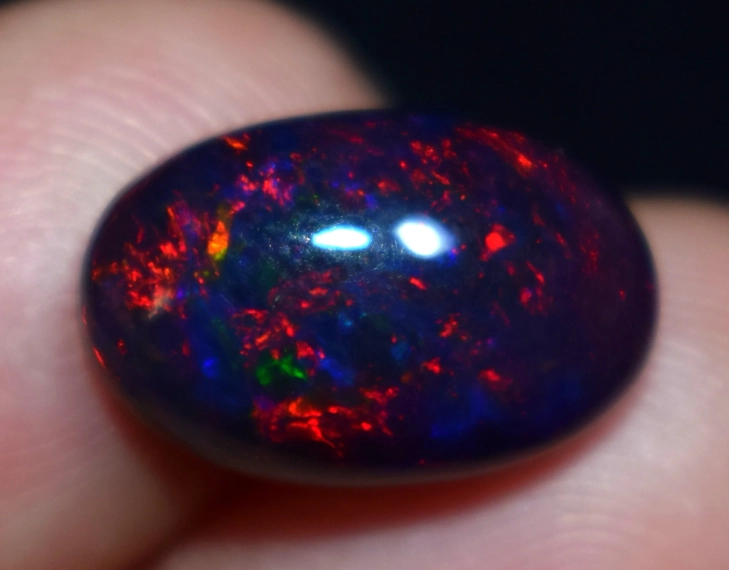
Opal is magic captured in stone. It's not a single color, but a shimmering light show called "play-of-color." This happens because of its unique internal structure diffracting light. No two opals are alike.
Key Specs for the Practical Buyer: Opal is relatively soft, ranking 5.5 to 6.5 on the Mohs hardness scale (diamond is 10). It can also contain 3-20% water, which means it can crack if it dries out or experiences sudden temperature changes. This is the #1 thing people overlook.
Types of Opal Suitable for Boys' Jewelry
Not all opals are created equal, especially for rings or bracelets a boy might wear daily.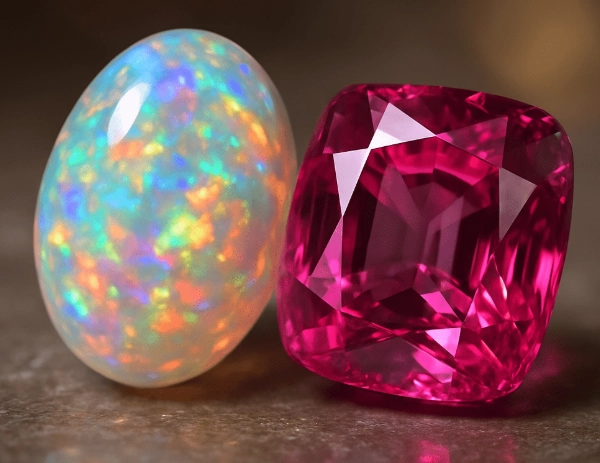
- Australian Lightning Ridge Black Opal: The most famous and valuable. Dark body color makes the play-of-color pop dramatically. Stunning, but also the most expensive and still requires care.
- Ethiopian Welo Opal: Often has a lighter, more transparent body with incredible play-of-color. A fantastic value. However, its porosity is higher—it can absorb liquids and change appearance temporarily. Not ideal for a kid who forgets to take jewelry off before swimming.
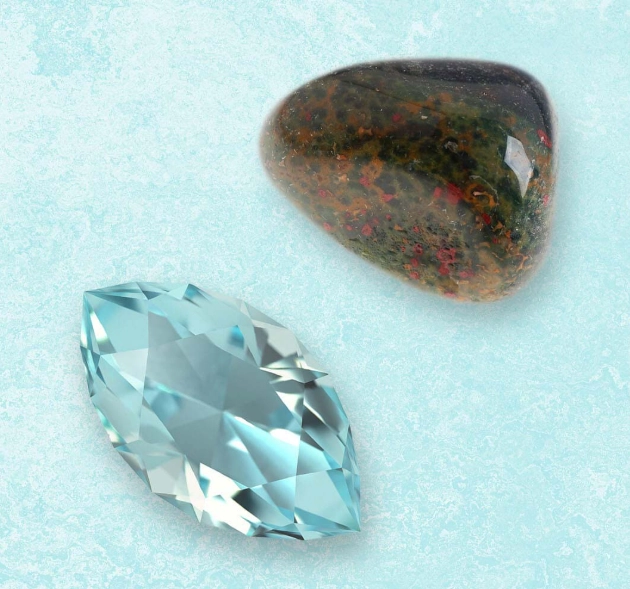
- Boulder Opal: My top recommendation for durability. This Australian opal forms attached to its ironstone host rock. The stone backing makes it much tougher and less prone to chipping. It has a rugged, natural look that many boys and teens love.
- Doublet/Triplet Opals: These are composite stones. A doublet is a thin slice of opal glued to a dark backing. A triplet adds a clear quartz or glass cap on top. They're more affordable and durable than solid opals, but the glue can be damaged by heat or chemicals. A decent entry-level option.
What does opal symbolize for a boy? Historically, it represents hope, purity, and creativity. It's said to amplify traits and emotions. For a creative, introspective, or artistic boy, an opal can be a profoundly meaningful gift. It's the gem for the dreamer.
Tourmaline: The Modern October Birthstone
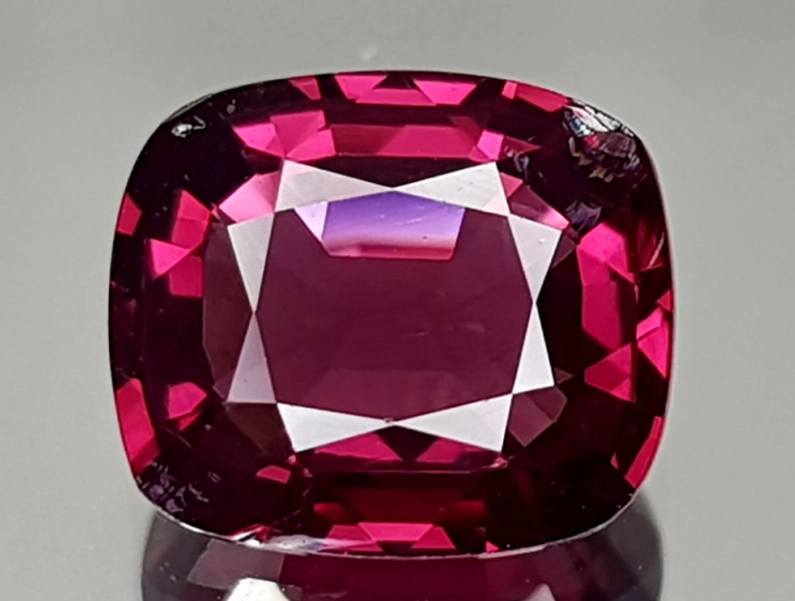
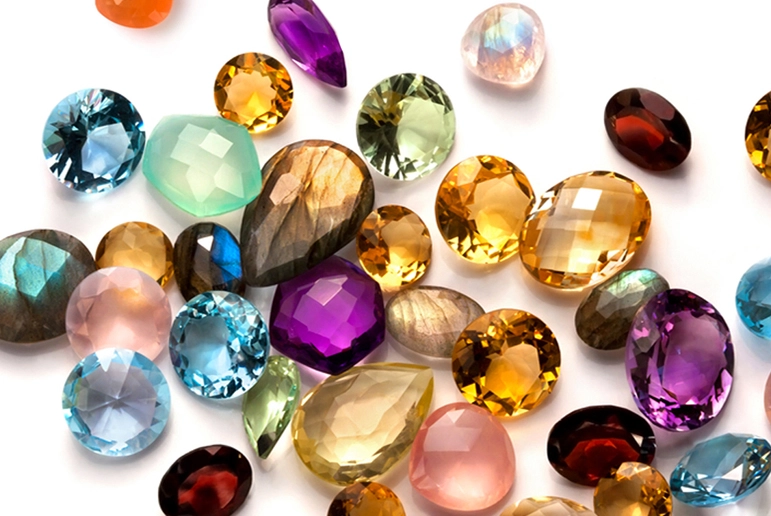
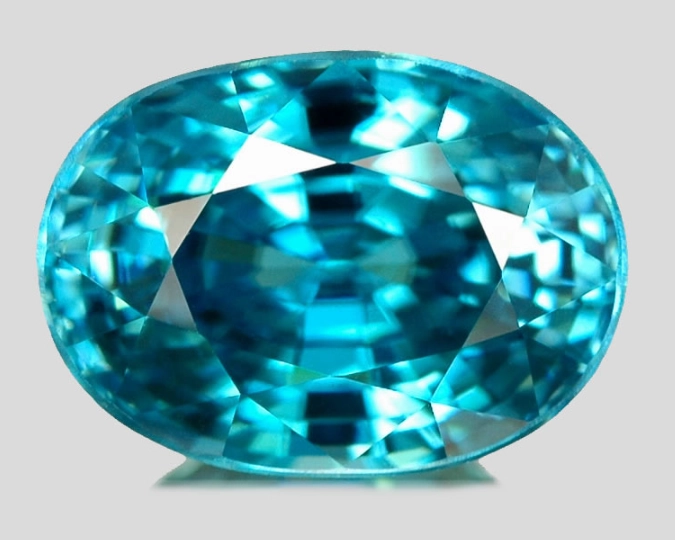
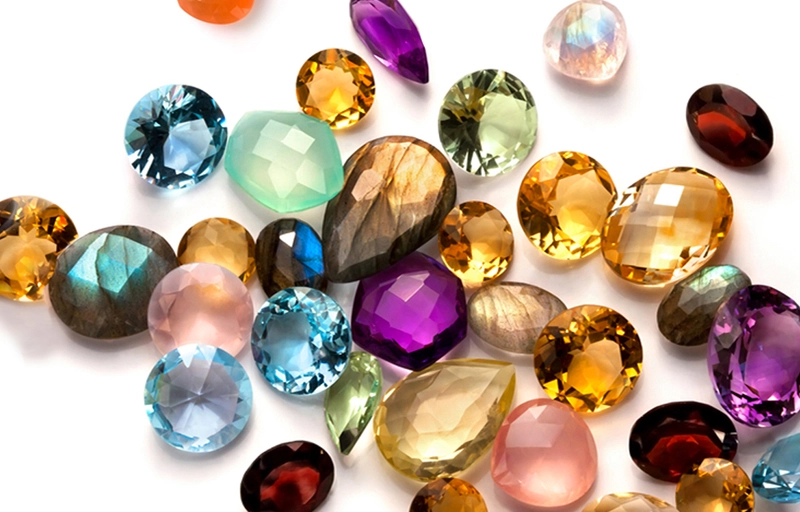
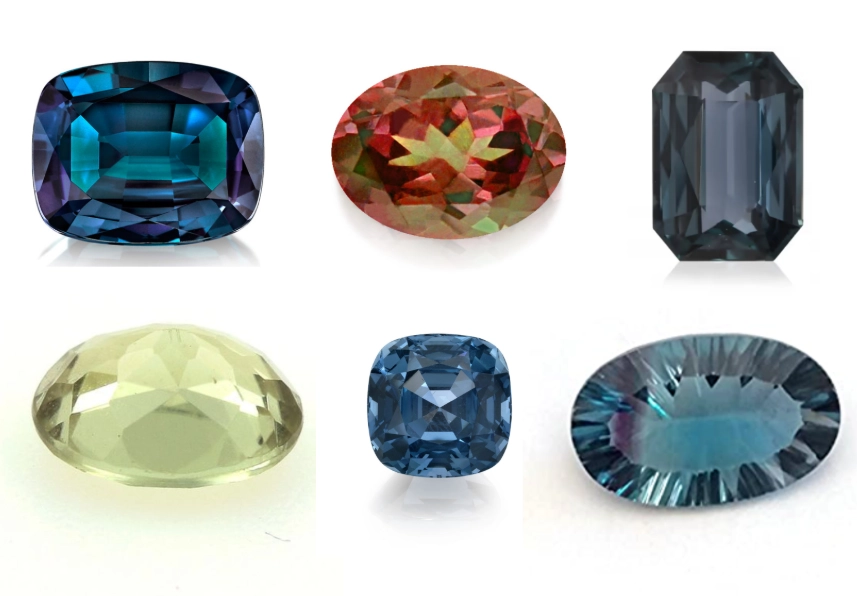
Tourmaline is the chameleon of the gem world. It comes in virtually every color, and it's tough—rating 7 to 7.5 on the Mohs scale. This makes it excellent for everyday wear. You can find it in deep greens, vibrant blues, rich reds (rubellite), and the famous "watermelon" tourmaline with pink centers and green rims.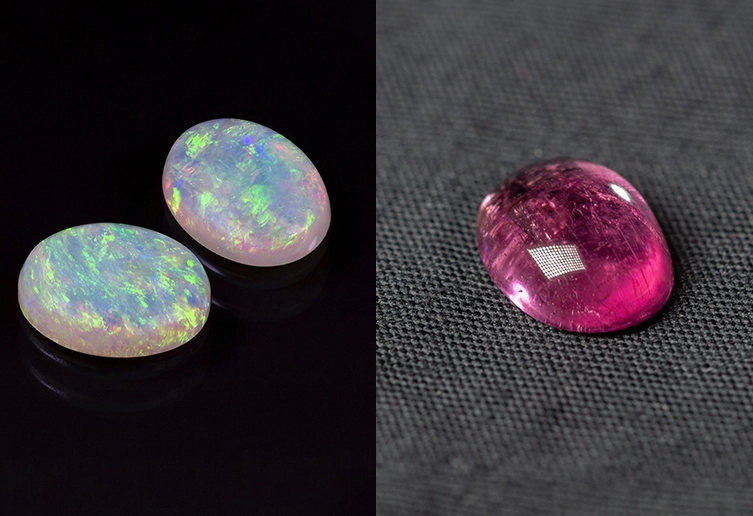
The most common color for October-themed jewelry is pink, but don't feel boxed in. Deep green or blue tourmaline makes a fantastic, masculine choice for a boy.
Why Tourmaline is a "Smart" Choice for Active Boys
I've seen too many disappointed faces when an opal in a ring gets scratched or cracked after a few months of wear. If the boy is into sports, manual activities, or just generally hard on his possessions, tourmaline is the smarter base choice. You're getting near-sapphire toughness with more color options.
Tourmaline's meaning for a boy is about protection, strength, and grounding. It's considered a stone that promotes courage and dispels fear. For an athletic, adventurous, or energetic boy, tourmaline's symbolism and physical durability align perfectly.
How to Choose: Opal or Tourmaline for a Boy?
This is the million-dollar question. Forget just the month; think about the kid. Here’s a breakdown to make the decision clearer.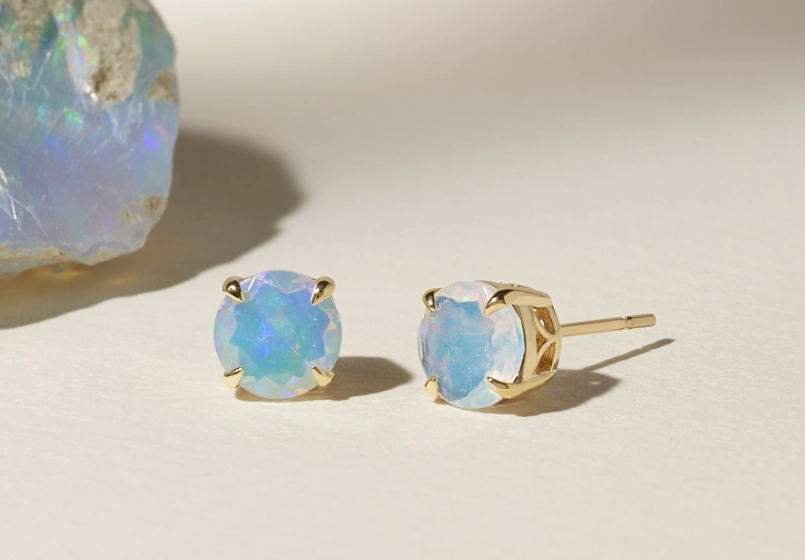
| Factor | Opal | Tourmaline |
|---|---|---|
| Durability (Mohs Scale) | 5.5-6.5 (Delicate) | 7-7.5 (Very Durable) |
| Best For | Pendants, earrings, occasional-wear rings. The creative, careful individual. | Everyday rings, bracelets, signet rings. The active, sporty, or practical kid. |
| Maintenance | High. Avoid heat, chemicals, dryness, impacts. | Low. Standard gemstone care; safe for ultrasonic cleaners (usually). |
| Color Range | Play-of-color (iridescent flashes). Body color can be white, black, crystal. | Solid colors: pink, green, blue, red, watermelon, even black. |
| Price Point (for good quality) | Wide range. Boulder opals can be affordable; black opals are premium. | Generally more consistent. Pinks and greens are common and offer good value. |
| Symbolic Vibe | Magic, creativity, imagination, hope. | Strength, protection, courage, grounding. |
My rule of thumb after 10 years in gems: For a first birthstone piece, especially a ring, lean towards tourmaline. It's the "set it and forget it" option that will last through teenage years. Opal is a gorgeous heirloom choice for a pendant or a gift for a young man who already appreciates and cares for fine things.
Buying an October Birthstone: Expert Pitfalls to Avoid
This is where most buyers, even well-intentioned ones, get tripped up. Let's talk real-world buying.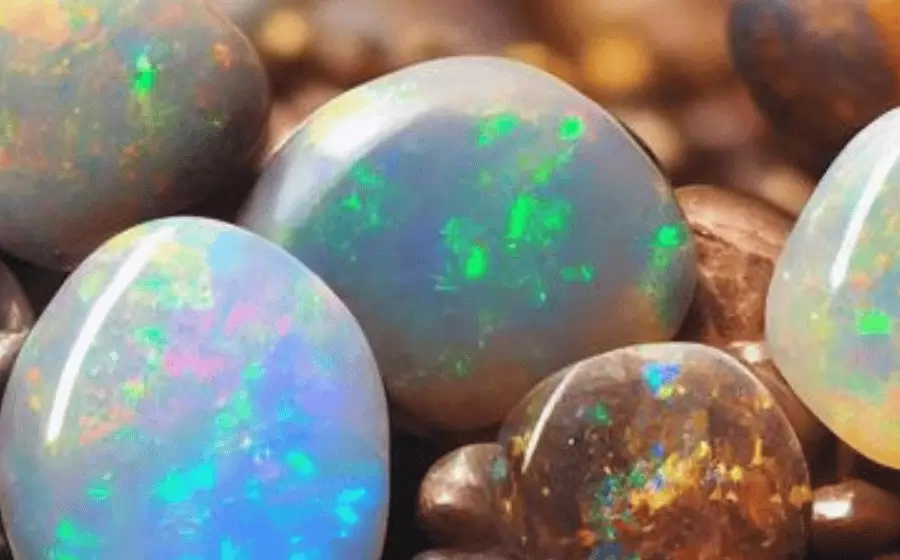
Where to Buy
- Specialist Gem/Jewelry Stores (Online or Brick-and-Mortar): Your best bet. They understand the specifics of these stones. Look for sellers who provide details like origin (e.g., Lightning Ridge, Australia) and treatment disclosure.
- Major Auction Sites (e.g., eBay): Tread carefully. I've seen countless "Australian opals" that are actually synthetic or cheap imitation. If the price seems too good to be true, it is.
- Big Box Jewelers: They often carry birthstone jewelry, but selection may be limited to basic, treated, or composite stones. Ask questions about what you're actually getting.
Red Lights: Spotting Trouble Before You Buy
For Opal: Be wary of stones described as "too perfect" at a low price. They might be synthetic opal (lab-created) or "opalite" (man-made glass). Real opal's play-of-color moves as you turn it. Also, ask if it's a doublet/triplet—this should be clearly disclosed, not hidden.
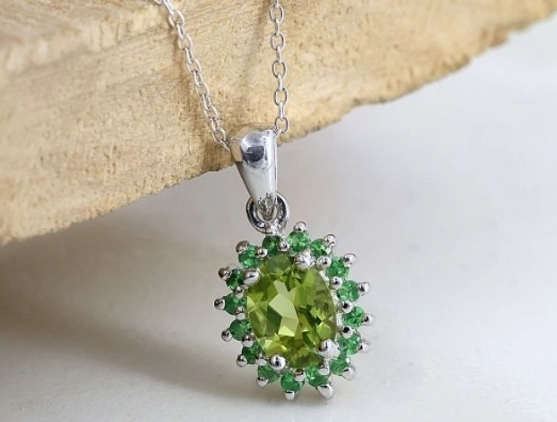
For Tourmaline: Many pink tourmalines are heat-treated to improve color. This is standard and stable, but it should be disclosed. Some gems sold as "green tourmaline" might be cheaper peridot or even glass. A reputable dealer will not misrepresent this.
Real Price Ranges (Not Retail Markup)
For a decent quality, eye-clean stone in a simple sterling silver setting:
- Opal (Boulder or small Welo): $75 - $250
- Opal (Doublet/Triplet): $50 - $150
- Tourmaline (good color, 2-5 carats): $100 - $400
Gold settings, larger stones, or premium origins (like Black Opal) will push prices into the $500+ range quickly. Always prioritize a clear, well-cut stone over a large, included one.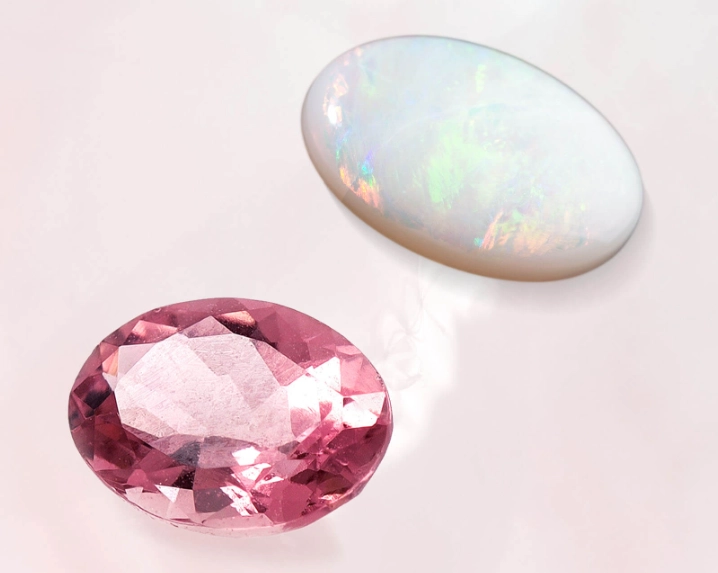
Caring for Your October Birthstone
Proper care is non-negotiable, especially for opal.
Opal Care (Handle with Love):
- Moisture is Key: If you live in a very dry climate, occasionally wipe the stone with a damp cloth. Some people store opals with a humidifying pellet in a sealed bag.
- No Extreme Temps: Don't leave an opal on a sunny car dashboard or wear it in a hot tub.
- Clean Gently: Warm, soapy water and a soft toothbrush. No ultrasonic or steam cleaners. Ever.
- Last On, First Off: Put jewelry on after applying makeup, perfume, or hairspray. Take it off before sports, chores, or swimming.
Tourmaline Care (Pretty Straightforward):
- Ultrasonic cleaners are usually safe, but check with your jeweler if there are fractures.
- Standard mild soap and water cleaning works perfectly.
- It's tough, but can still chip from a sharp blow. Use common sense.