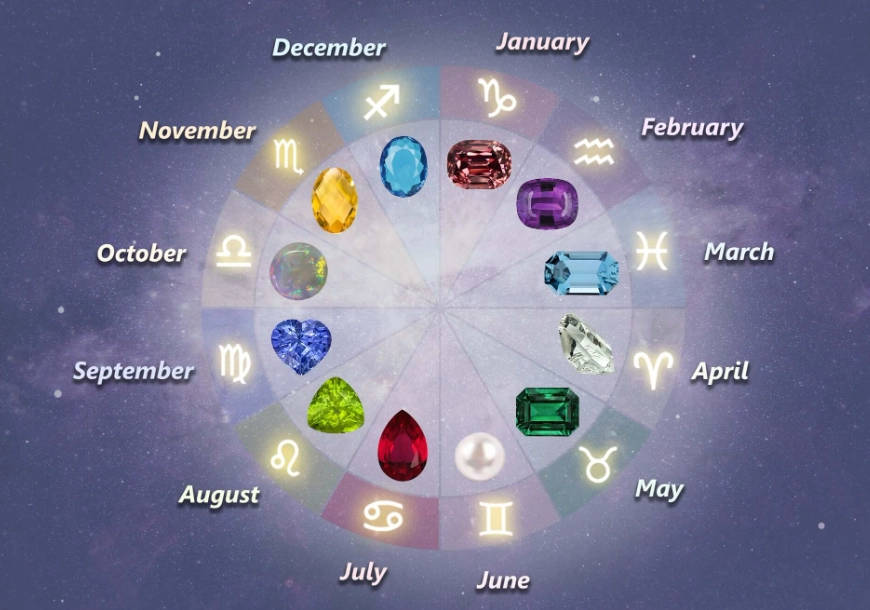
Here's the short answer you came for: Yes, opal is a birthstone for October. But so is tourmaline. If you're feeling confused, you're not alone. This dual-stone situation is one of the most common sources of birthstone mix-ups. For much of history, opal stood alone as October's gem. Then, in the 20th century, tourmaline was added as a modern alternative. Today, major authorities like the American Gem Trade Association and Jewelers of America list both. So, the real question isn't "is it?" but "which one is right for me?" This guide will cut through the confusion, dive into the fascinating history behind the switch, and give you the practical knowledge to choose—or appreciate—your October stone.
What You'll Discover in This Guide
The October Birthstone Shake-Up: A Brief History
Opal's reign as the sole October birthstone goes back centuries, rooted in ancient Arabic and Roman beliefs that it fell from the heavens in flashes of lightning. Its play-of-color was seen as containing the virtues of all other gems. Fast forward to 1912, a pivotal year. The National Association of Jewelers in the U.S. standardized the modern birthstone list to, frankly, sell more jewelry. On that list, opal was October's gem.
The plot thickened in 1952. Why? Commerce and geology. The Jewelers of America updated the list, and this is where tourmaline first appears as an additional option for October. The reasons are pragmatic. Tourmaline is found in a stunning array of colors, including pinks and greens that align with autumn. More importantly, it's a harder, more durable stone (7 to 7.5 on the Mohs scale) compared to opal's more delicate nature (5.5 to 6.5). This gave jewelers and customers a more robust, everyday-wear option. It wasn't a demotion for opal, but an expansion of choice. Think of opal as the classic, poetic choice and tourmaline as the versatile, practical modern counterpart.
Gemologist's Note: A common misconception is that tourmaline "replaced" opal. It didn't. Both are officially recognized. The 2019 list from Jewelers of America still includes both. The confusion often comes from retailers or older guides emphasizing one over the other.
Opal vs. Tourmaline: The Gemology Deep Dive
To understand the choice, you need to understand the stones. They're as different as fire and ice.
What Makes Opal So Special?
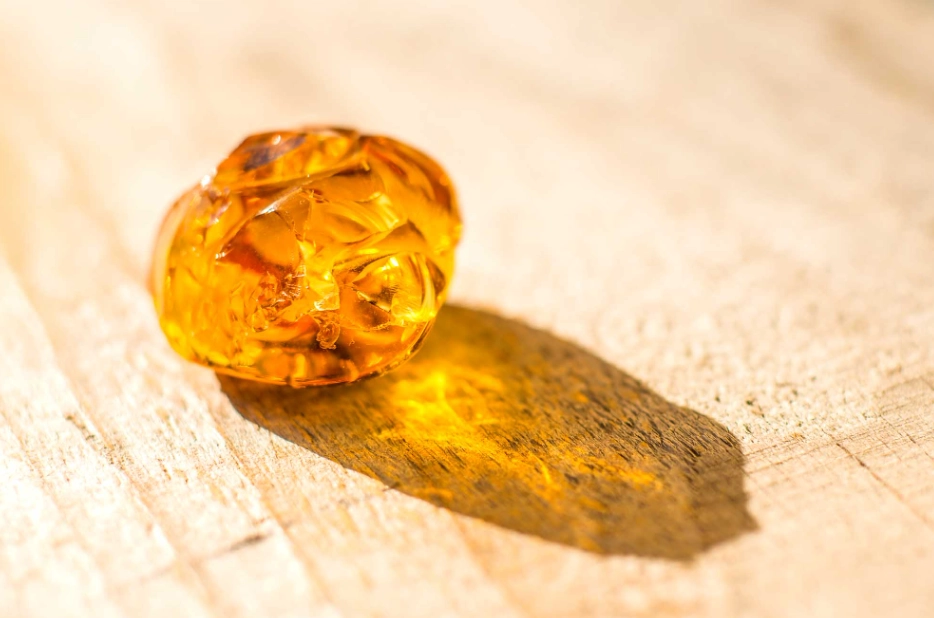
Opal isn't a crystalline gem like a diamond or sapphire. It's a hydrated silica gel, containing up to 20% water. Its magic, the play-of-color, happens because of its internal structure—a grid of tiny silica spheres that diffract light like a prism. No two opals are alike. The main types you'll encounter:
- Precious Opal: The star. Shows play-of-color. Sources: Australia (Lightning Ridge black opal), Ethiopia, Mexico (fire opal).
- Common Opal (Potch): No play-of-color. Often milky or pastel. Pretty, but a fraction of the price.
- Fire Opal: A transparent to translucent opal, usually orange to red. May or may not have play-of-color.
Its downside? Durability. That water content means it dislikes sudden temperature changes and very dry environments. It can crack or "craze." I've seen beautiful rings ruined by wearing them in a hot tub. Its softness also makes it prone to scratches.
What Makes Tourmaline a Powerhouse?
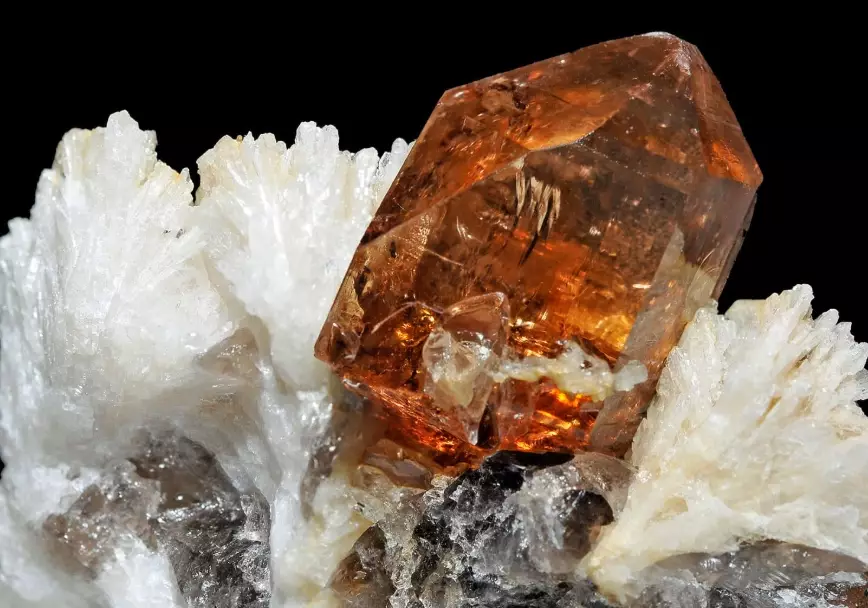
Tourmaline is a complex crystalline boron silicate mineral. The key word is versatility. It comes in more varieties and colors than almost any other gem, often in a single crystal (watermelon tourmaline is the classic example: pink center, green rim).
Its superpower is durability. At Mohs 7-7.5, it's suitable for daily wear in rings and bracelets. It has no cleavage, meaning it's less likely to split from a sharp knock. It's also largely stable against heat and light. You won't need to baby it like an opal.
| Feature | Opal | Tourmaline |
|---|---|---|
| Mohs Hardness | 5.5 - 6.5 (More delicate) | 7.0 - 7.5 (Good for daily wear) |
| Key Trait | Play-of-color (in precious opal) | Incredible color range (pink, green, blue, bi-color) |
| Durability Concerns | Sensitive to knocks, dryness, temp swings | Generally tough and stable |
| Typical Price Range (for good quality) | Wide: $50 - $5,000+ per carat (black opal top) | Moderate: $200 - $1,000 per carat (Paraíba excepted) |
| Best For | Pendants, earrings, occasional-wear rings | Rings, bracelets, daily-wear jewelry |
| Symbolism | Hope, purity, creativity (ancient) | Protection, healing, compassion (modern) |
How to Choose Between Opal and Tourmaline
This isn't about which is "better." It's about which is better for you. Ask yourself these questions.
Consider your budget upfront. You can find lovely common opal or small precious opals for a few hundred dollars. A fine black opal from Lightning Ridge? That's a major investment, easily into the thousands. Tourmaline offers more predictable pricing in the mid-range, except for neon-blue Paraíba tourmaline, which is astronomically expensive.
Be brutally honest about your lifestyle. Are you hard on your hands? Do you work at a computer, garden, or have young kids? If you want a ring you never take off, tourmaline is the safer, smarter choice. I've advised many an active October-born client towards a beautiful pink or green tourmaline for their engagement or right-hand ring. They're always thankful later.
If your heart is set on opal for a ring, compromise smartly. Choose a bezel setting that protects the entire rim. Opt for a pendant or earrings where the stone faces less risk. Consider a doublet or triplet—a thin slice of precious opal glued to a dark backing and capped with quartz. It's more affordable and durable, though purists sniff at it.
Let color guide you. Do you crave the ever-changing fire of an opal, or do you have a favorite solid color? Love pink? Pink tourmaline is gorgeous and abundant. Drawn to deep green? Verdelite tourmaline has you covered. Opal's color is a light show; tourmaline's is a statement.
Personally, I think opal has a soul that no other gem matches. But I only wear mine on special occasions. My daily driver? A chunk of green tourmaline in a simple bezel.
The Non-Negotiable Guide to Opal Care
If you go for opal, this isn't optional reading. Treating it like any other gem will lead to heartbreak.
Water is a friend and a foe. Opal loves stable, mild humidity. It hates extremes. Never leave it on a windowsill in direct sun or near a heat vent. Don't wear it in a sauna, hot tub, or while washing dishes with very hot water. The sudden loss of moisture can cause crazing—a network of fine cracks that looks like a spiderweb.
Conversely, if you live in a very dry climate (or your home is arid in winter), store your opal jewelry in a sealed plastic bag with a damp piece of cotton cloth. Not dripping wet, just damp. This creates a mini-humid environment.
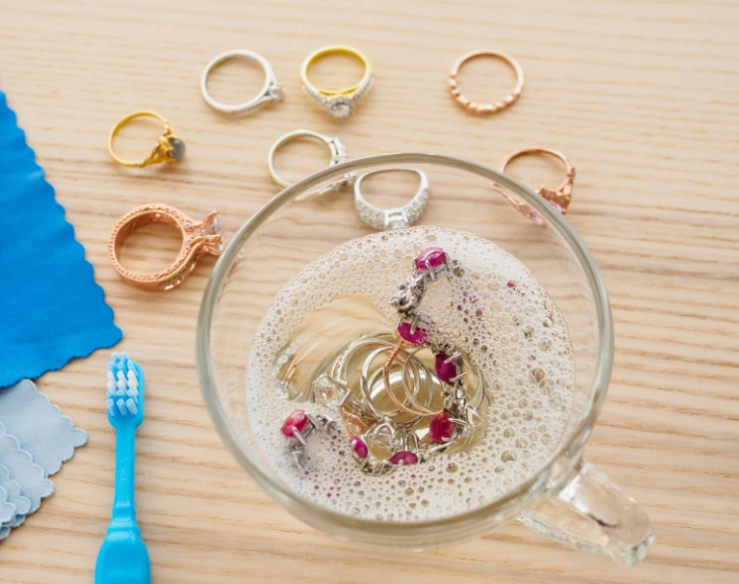
Clean gently. Warm, soapy water and a soft toothbrush are fine. Never use ultrasonic or steam cleaners. The vibrations and heat can shatter it. Dry it thoroughly with a soft cloth.
Store it alone. Opal is soft. Keep it in a fabric-lined box or separate pouch so harder gems (diamonds, sapphires) don't scratch it.
I once had a client bring in a cracked fire opal ring. She'd worn it while baking bread, repeatedly reaching into a hot oven. The thermal shock did it in. The repair was costly. The lesson? Know your gem's limits.