If you were born in October, you hit the jewelry jackpot. You don't have to settle for just one birthstone—you get two stunningly different options: the fiery, rainbow-like opal and the incredibly diverse tourmaline. It's a fantastic problem to have, but it begs the question. Why? Why does October get this special treatment while most other months make do with a single gem? The answer isn't just a simple historical footnote. It's a tangled web of ancient traditions, modern gemology, marketing, and a fundamental shift in how we think about birthstones. Let's untangle it.
What You'll Discover in This Guide
The Historical Shake-Up: From One List to Many
For centuries, the idea of a single birthstone per month was pretty solid. The list we often reference traces back to the Breastplate of Aaron in the Bible and was popularized by 18th-century Polish gem traders. In that old list, opal stood alone for October.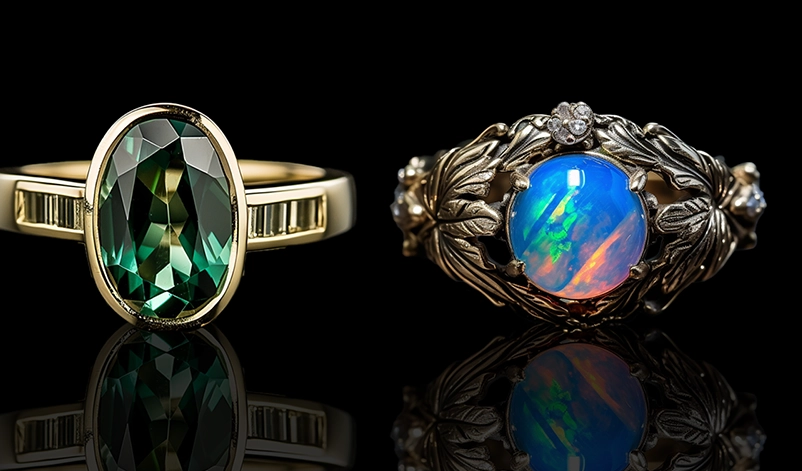
Then the 20th century happened. The jewelry industry, particularly in America, realized that a rigid, single-stone system had... limitations. Some stones were too rare or expensive for everyday buyers. Others had durability issues that made them poor choices for rings worn daily. There was also a growing desire for personal choice and variety.
Think of it this way. The old list was like a prescribed uniform. The modern lists became a curated wardrobe. Opal is the elegant, timeless heirloom piece. Tourmaline is the durable, colorful, everyday wear. October babies get both options in their style arsenal.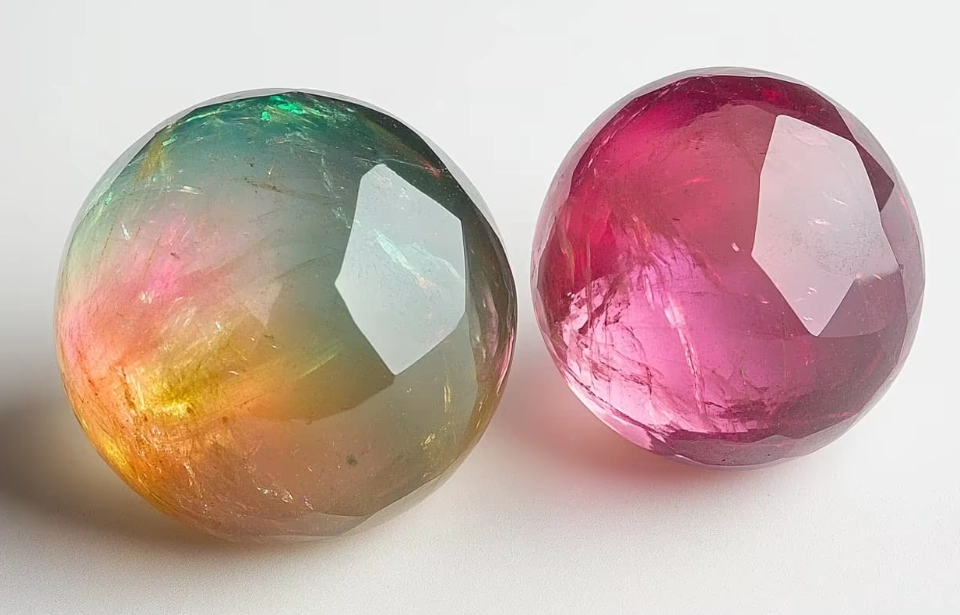
Opal: October's Ancient, Magical Muse
Opal is the original October birthstone, and it carries the weight of millennia of lore. Its defining feature is play-of-color—that mesmerizing flash of rainbow hues that seems to move within the stone. This isn't due to pigments, but to the microscopic silica spheres that diffract light. No two opals are ever alike.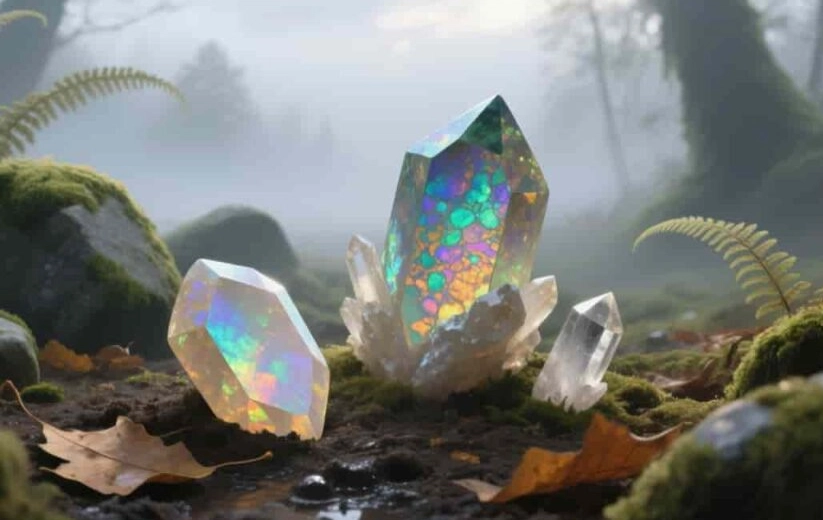
The Good, The Bad, and The Beautifully Delicate
Let's talk about opal's reputation. It's been called the "most magical gem" and also, unfairly, the "stone of bad luck." The luck myth is largely a 19th-century literary invention (thanks, Sir Walter Scott's novel Anne of Geierstein). In almost every other culture—from ancient Romans who saw it as a symbol of hope, to Aboriginal Australians who believe it contains the creator's footprints—opal is revered.
But here's the expert nuance most articles gloss over: the real "bad luck" with opal comes from treating it like a diamond. Opal is relatively soft (5.5-6.5 on the Mohs scale) and contains water (3-20%). This makes it sensitive to knocks, extreme temperature changes, and dehydration. Wearing an opal ring while gardening or washing dishes? That's asking for trouble. An opal pendant or earrings, where it's less prone to impact, is a far smarter choice. The unlucky opal is usually just a poorly cared-for opal.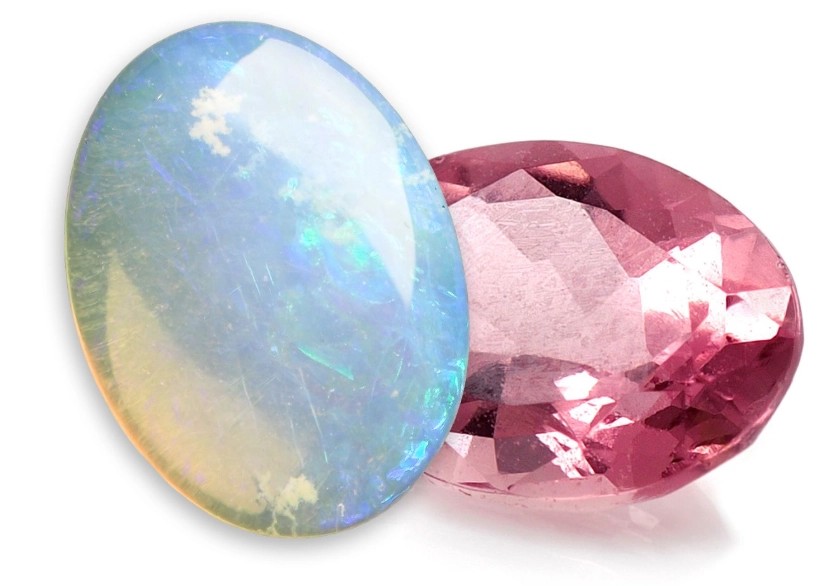
Tourmaline: The Modern, Practical Powerhouse
Tourmaline is the newcomer to the October party, but it's a guest that brings incredible variety. It's not a single color. It's an entire spectrum in one mineral family. The most common October-associated hue is the vibrant pink-to-red rubellite or the lush green verdelite. But it also comes in blues, yellows, and even watermelons (pink center with green rind).
Why was it added? Practicality and supply. Tourmaline is significantly more durable than opal (7-7.5 on the Mohs scale), making it ideal for all types of jewelry, especially engagement rings or daily-wear pieces. It's also more available in consistent qualities and sizes, which jewelers love. It offered October babies a robust, colorful, and less finicky alternative.
A specific discovery sealed its fate: the stunning pink tourmaline finds in California in the late 1800s and early 1900s. This abundant, beautiful American gemstone needed a home, and the modernizing birthstone list provided the perfect opportunity.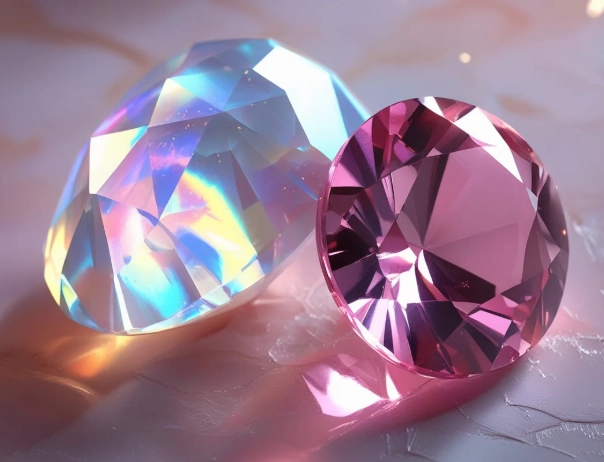
Opal vs. Tourmaline: How to Choose Your October Stone
So, you're an October baby facing this wonderful dilemma. Which gem is right for you? Don't just pick based on a pretty picture. Match the stone's reality to your lifestyle and personality. This comparison table cuts through the noise.
| Consideration | Opal | Tourmaline |
|---|---|---|
| Key Appeal | Unique, magical play-of-color. No two stones are identical. An heirloom conversation piece. | Incredible color range (pinks, greens, blues, watermelons) and great clarity. Vibrant and consistent. |
| Durability (Mohs Scale) | 5.5 - 6.5 (Delicate). Best for protected settings like pendants, earrings, brooches. | 7 - 7.5 (Good). Suitable for rings, bracelets, and daily wear with reasonable care. |
| Care & Maintenance | High. Avoid impacts, heat, chemicals, and dry environments. Clean with mild, damp cloth only. | Moderate. Ultrasonic cleaners are usually safe, but steam cleaning is risky. Avoid hard knocks. |
| Price Range | Wide. Common white opal is affordable; black opal with intense play-of-color is extremely valuable. | Wide. Depends heavily on color saturation and clarity. Fine pinks and neon greens command premiums. |
| Best For Personality | The dreamer, the artist, the individualist who values unique beauty over practicality. | The active, the vibrant, the pragmatist who wants color and sparkle without constant worry. |
My personal take? I adore opals, but I rarely recommend them as a main ring stone for someone with an active life. I've seen too many chipped or crazed opals from people who loved the idea but not the reality of its care. A tourmaline ring, however, you can live in. That's not a knock on opal—it's just respecting what each gem is.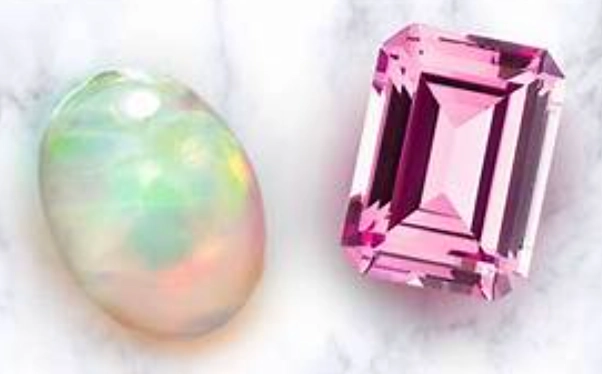
Your October Birthstone Questions, Answered
The bottom line is this: October has two birthstones because we moved from a one-size-fits-all tradition to a celebration of choice and practicality. Opal connects you to ancient mystery and unique beauty. Tourmaline offers modern durability and a rainbow of colors. You're not meant to see it as a confusing conflict, but as a luxurious expansion of your options. Whether you're drawn to the shifting fire of an opal or the solid, vibrant glow of a tourmaline, your October birthstone is a personal signature. Choose the one that speaks to your life, not just your eye.