If you think December's birthstone, turquoise, is just a simple sky-blue gem, you're in for a surprise. That iconic color is a fascinating story of chemistry, geology, and often, human intervention. I've handled hundreds of turquoise pieces over the years, from vintage Navajo squash blossom necklaces to modern bezel-set rings, and the most common question isn't about value—it's about color. "Why is mine turning green?" "Is this bright blue one real?" The color of turquoise isn't just its most defining feature; it's a window into its authenticity, origin, and how well it's been cared for. Let's cut through the myths and get into what really defines turquoise color, how to protect it, and what to look for (and avoid) when buying.
What's Inside: Your Turquoise Color Roadmap
The Science Behind the Hue: Why Turquoise Isn't Always Blue
Turquoise gets its color from two main elements: copper (which gives the blue) and iron (which introduces green). The exact ratio, along with trace elements like zinc and aluminum, creates the entire spectrum. Think of it like a paint mixer. More copper from the host rock? You get a robin's egg blue. More iron? It shifts towards apple green or even a yellowish-green.
Here's the part most articles miss: the matrix. Those dark brown or black spider-web lines running through the stone? That's the host rock, often sandstone or iron oxide. It doesn't just add character; it directly influences color stability. A turquoise with a heavy, hard matrix from a deposit like Nevada's Royston district is often more stable. A very clean, pure blue stone from a softer deposit might be more porous and prone to color change. The Geological Society of America has published studies on how these mineralogical environments affect gem formation, and turquoise is a prime example of a gem that wears its history in its color and pattern.
How Porosity Plays a Hidden Role
This is critical. Turquoise is naturally porous. Its microscopic structure is like a hard sponge. This porosity is the gateway for everything that changes its color—both good and bad. When it forms, groundwater carrying minerals seeps in, depositing color. Later, your skin's oils, perfumes, or even the air can seep in. A highly porous turquoise will absorb substances more readily, leading to faster and more dramatic color shifts, usually towards a darker, greener patina.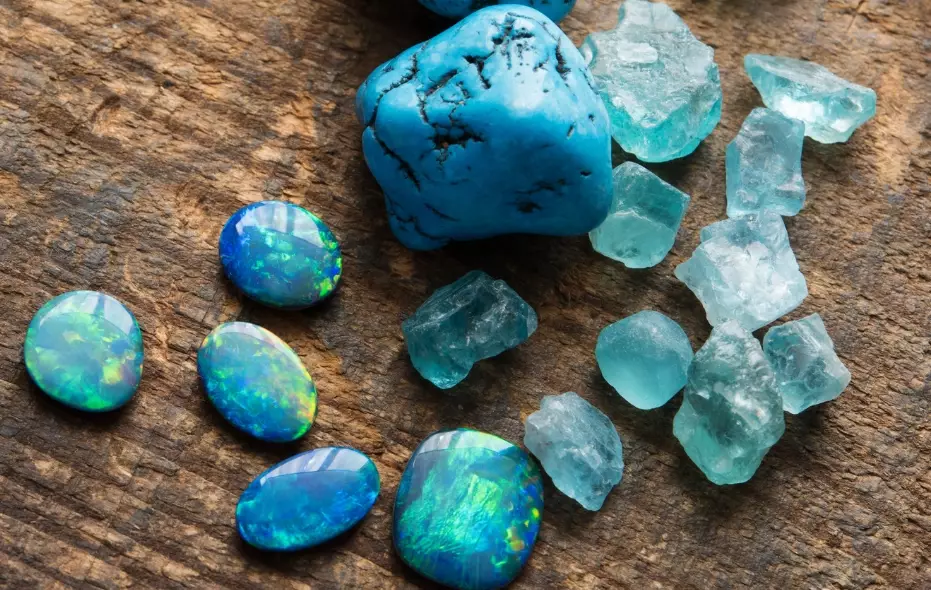
What Makes a Turquoise Color Valuable? It's Not Just About Blue
The old rule was "the bluer, the better." It's not wrong, but it's incomplete. In today's market, three factors interplay:
| Factor | What It Means | Impact on Value & Appeal |
|---|---|---|
| Hue & Saturation | The actual color (blue/green) and its intensity. | Vivid, even saturation is key. A pale, washed-out blue is less valuable than a rich green with great saturation. |
| Matrix Pattern | The pattern and color of the host rock webbing. | A fine, spider-web matrix ("web turquoise") can increase value dramatically. A messy, blotchy matrix can detract. |
| Stability & Treatment | Whether the color is natural and stable or enhanced. | Natural, untreated color from a famous mine (e.g., Bisbee, Lander Blue) commands a premium. Treated stones are more affordable and durable. |
I've seen collectors pay thousands for a small cabochon of "Lander Blue" spider-web turquoise because of its unique, dark blue color and precise webbing. Conversely, a large, perfectly sky-blue stone that's been heavily stabilized and dyed might be worth a fraction of that. The origin story, tied directly to the color and pattern, is a huge part of the value.
The #1 Mistake That Ruins Turquoise Color (And How to Fix It)
People ruin turquoise by treating it like a diamond. They wear it in the shower, swim with it, spray perfume directly on it, or clean it with ultrasonic cleaners or steam. This is a disaster waiting to happen.
Turquoise's enemy is chemical intrusion and thermal shock. Soaps, chlorinated pool water, and acids in lotions invade the pores. They can leave residues that permanently darken or discolor the stone. Heat from a steamer or sudden temperature changes can cause cracking or drive oils deeper into the stone, creating dark spots.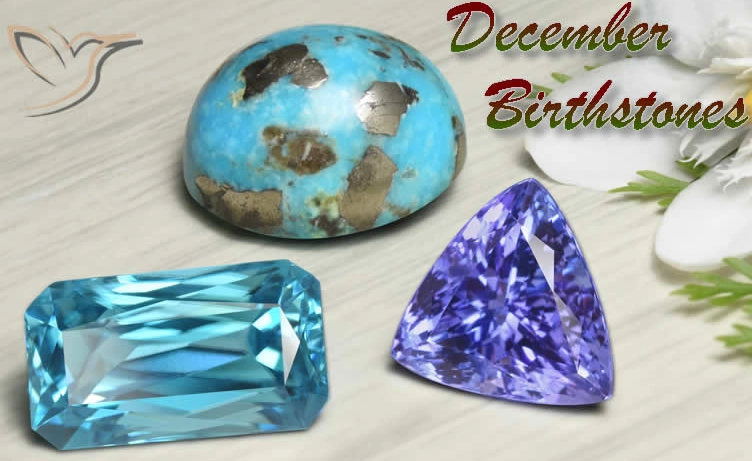
If your turquoise has already absorbed oils and turned a darker green, don't panic. This patina is often valued in Southwestern jewelry for its "lived-in" look. You can't easily reverse it, but you can prevent it from getting worse by following the care rules above. Trying to "bleach" it with chemicals will almost certainly damage it permanently.
Buying Guide: How to Spot Fake or Treated Turquoise by Its Color
When you're shopping, your eye is your best tool. Here’s what to scrutinize: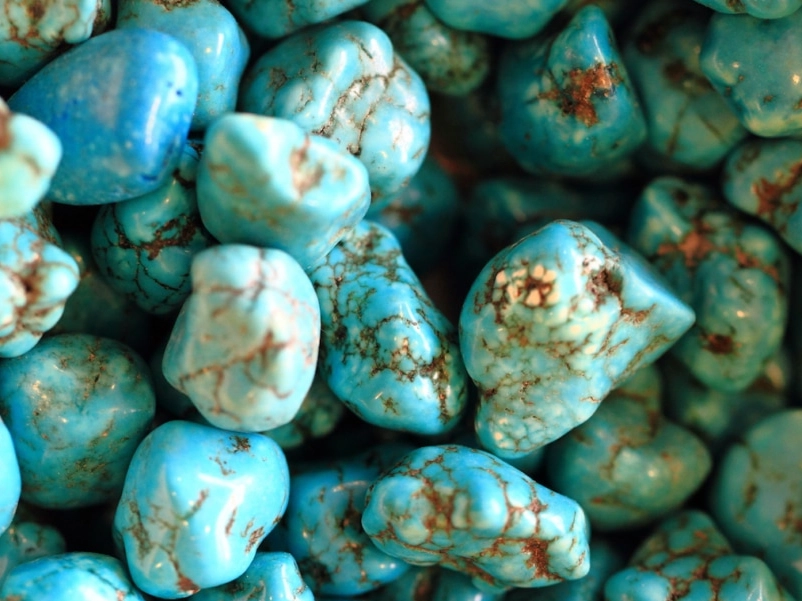
1. The "Too Perfect" Blue
Natural turquoise has variations—slight color zoning, tiny mineral inclusions. If a stone is a completely uniform, electric blue with zero matrix and a plastic-looking shine, it's likely dyed howlite or magnesite, or heavily stabilized and dyed low-grade turquoise. Genuine, high-quality natural blue turquoise exists, but it's rare and expensive. Ask: "Is this natural color, or has it been stabilized?" A reputable seller will disclose treatments.
2. The Matrix Clue
Look at the black or brown webbing. In real turquoise, the matrix is integrated; it looks like it's part of the stone. In fakes, the painted-on matrix often sits on the surface, has fuzzy edges, or looks like it was drawn with a pen. It might also be uniform in a way natural geology rarely is.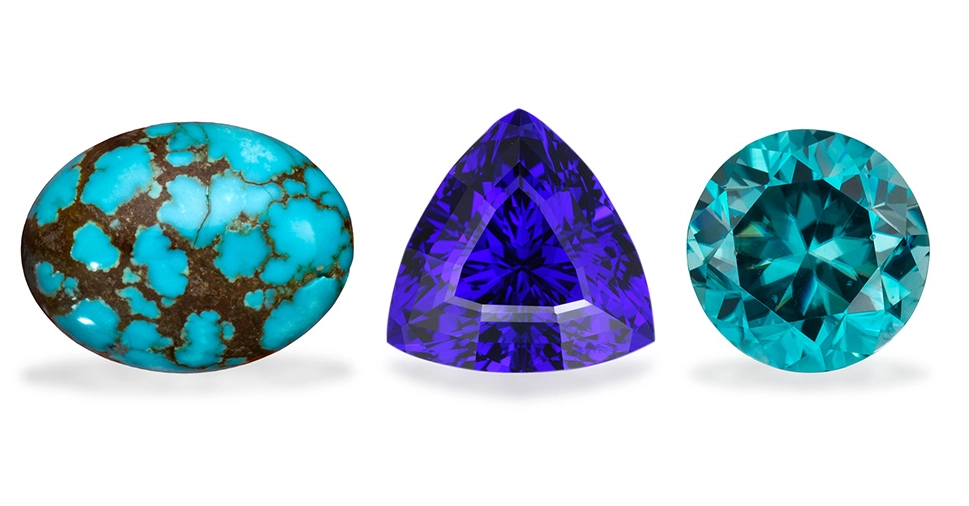
3. The Price and Provenance Red Flag
A statement ring with a large, vivid blue stone selling for $50 online is almost certainly fake. Real, untreated turquoise of size and good color has a certain price floor. Ask about the mine origin. Sellers who know their material will often specify (e.g., "Sleeping Beauty," "Kingman," "Morenci"). Vague answers like "Southwestern" or "natural" without specifics warrant skepticism.
For authoritative information on gem treatments and identification, organizations like the Gemological Institute of America (GIA) provide extensive educational resources that detail how treatments affect appearance.
Your Turquoise Color Questions, Answered
The color of your December birthstone is a living signature. It connects you to an ancient desert landscape, reacts to your world, and develops a personality over time. Don't fear the change—understand it. Choose turquoise based on the life you'll give it: a stable, vibrant blue for everyday resilience, or a natural, evolving stone for a piece with a story that grows with you. Either way, knowing what's behind that beautiful hue empowers you to enjoy it for a lifetime.