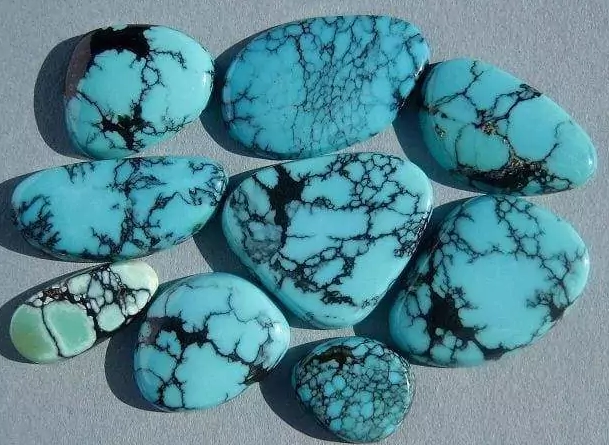
I've lost count of the times someone has walked into a jewelry store where I used to consult, holding a beautiful turquoise ring or pendant, asking if it's the "right" stone for their December birthday. The short, definitive answer is no. Turquoise is not one of the modern, official birthstones for December. But that simple "no" doesn't tell the whole story, and it's why the confusion is so widespread. If you're shopping for a December baby or are one yourself, understanding why this mix-up happens is more useful than just a yes or no. It helps you make a choice that's both informed and personally meaningful, whether you stick with tradition or break from it.
What You'll Find in This Guide
The Direct Answer: Turquoise and December
Let's cut to the chase. According to the official birthstone list standardized in 1912 by the American National Association of Jewelers (now Jewelers of America) and widely adopted since, turquoise is not designated for December. The modern list was created to bring uniformity to the jewelry trade, and it assigned three primary stones to December: tanzanite, zircon, and turquoise.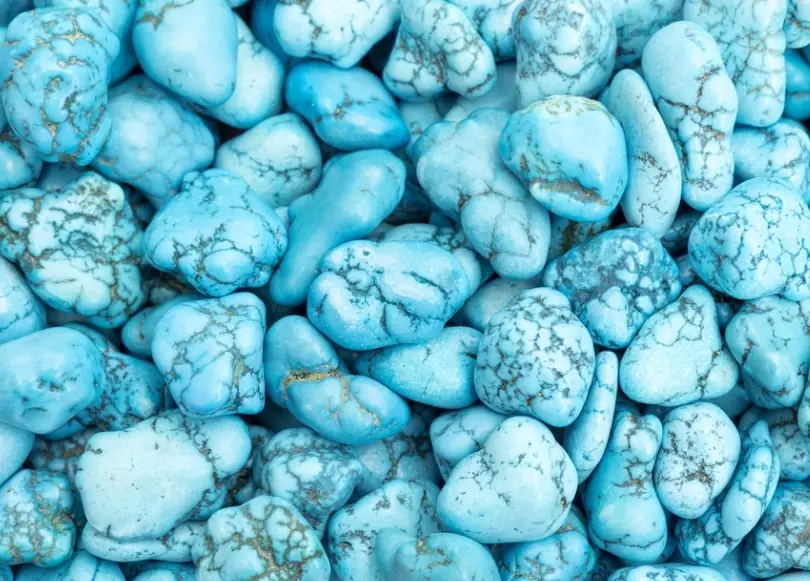
Why the Confusion Exists in the First Place
This isn't just a case of random error. The mix-up has deep roots. Before the 20th-century standardization, birthstone lists were a messy patchwork of cultural traditions. The ancient Tibetan calendar, for instance, linked turquoise to December. Many ancient Arabic, Hebrew, and Polish lists also associated blue stones with the winter months.
Here's the practical reality I saw in the shop: jewelers and salespeople who aren't gem specialists often rely on quick-reference charts. Some of those charts, particularly from older suppliers or generic gift websites, never updated the 1952 change. A customer sees "turquoise - December" on one site and "tanzanite - December" on another and gets understandably confused. The durability of misinformation online is a big part of this.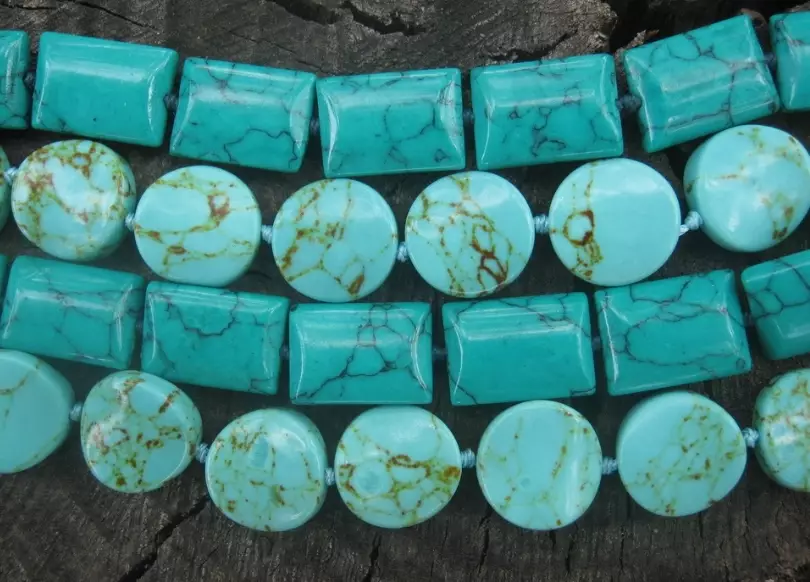
The Official December Birthstones (And How to Choose)
So, what are the official stones? December is lucky to have three stunning options, each with a distinct personality. Choosing between them isn't just about color; it's about lifestyle, budget, and the message you want the stone to carry.
| Birthstone | Color & Vibe | Key Considerations | Good For... |
|---|---|---|---|
| Tanzanite | Vivid violet-blue. Luxurious, rare, modern. | Softer stone (6.5-7 Mohs). Avoid ultrasonic cleaners, hard knocks. Can be heat-treated to enhance color. | Special occasion jewelry, someone who appreciates unique rarity. Price point is medium to high. |
| Zircon (not cubic zirconia) | Brilliant white/blue. Fiery sparkle, often confused with diamond. | Brittle (6.5-7.5 Mohs). Prone to chipping. Requires protective settings. Natural blue zircon is highly valued. | Someone who loves sparkle over color. An excellent, more affordable diamond alternative in earrings or pendants. |
| Turquoise (Historic/Old List) | Opaque sky-blue to green. Earthy, spiritual, southwestern feel. | Porous and soft (5-6 Mohs). Can be damaged by chemicals, perfumes, sweat. Often stabilized. Color can change over time. | Casual, everyday wear in protected settings. Perfect for bohemian or artisan-style jewelry. Widely available. |
See how different they are? Tanzanite is your fancy night-out stone. Zircon is for the sparkle enthusiast. And turquoise, while not "official" anymore, carries a casual, grounded aesthetic. A common mistake is treating all birthstones as equal in durability. Recommending a turquoise or tanzanite ring for a mechanic would be a disaster. A zircon in a toddler's bracelet? Not a chance. Always match the stone's hardness to the wearer's daily life.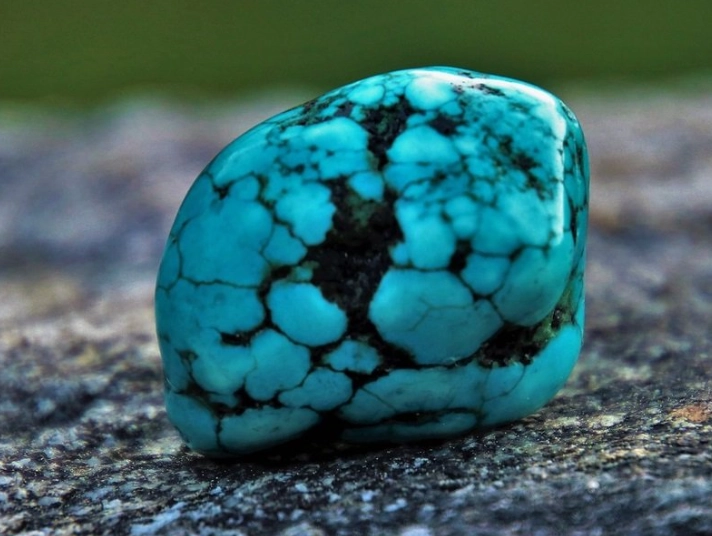
What About Blue Topaz?
You'll often see blue topaz, especially London blue or Swiss blue, marketed heavily for December. It's not on the "official" primary list but is a very popular and accepted alternative. Why? It's durable (8 Mohs), affordable, and comes in reliably beautiful blue shades. Jewelers love it because it's a safe, pretty, and sturdy recommendation. So while not historic, it's a perfectly legitimate and practical modern choice.
Turquoise's True Significance: When and Why It's Worn
If turquoise isn't for December, what is it for? Traditionally, turquoise is celebrated as the birthstone for December in the old system, but more durably, it's the gem for the 11th wedding anniversary. Its real power lies in its cultural meaning, not a birth month.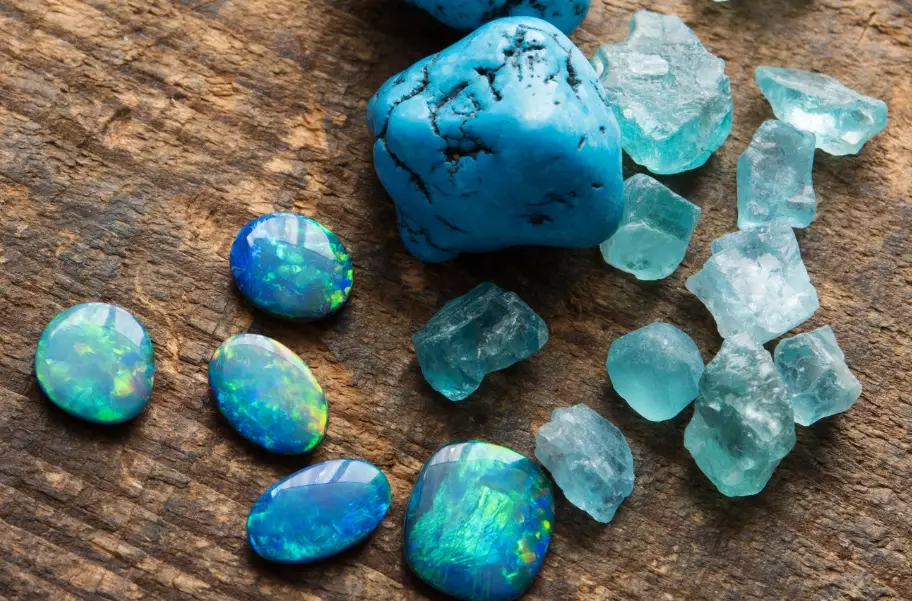
Across Native American, Persian, and Tibetan cultures, turquoise is a master healer and protector. It's considered a living stone that changes color with its wearer's health or the environment. People wear it for:
- Protection: Historically worn into battle or as a talisman against negative energy.
- Friendship and Peace: Its calming blue color symbolizes harmony.
- Grounding and Wisdom: Connecting the earth and sky.
So, giving turquoise to a December-born person isn't "wrong" if you're gifting it for these reasons. You're just not gifting a birthstone in the modern sense. You're gifting a stone of profound symbolic meaning. That's often a more powerful gesture.
Making Your Choice: Tradition vs. Personal Meaning
Here's my take after years of talking to customers: the best gemstone is the one that means the most to the wearer. The "official" list is a helpful guide, not a binding law.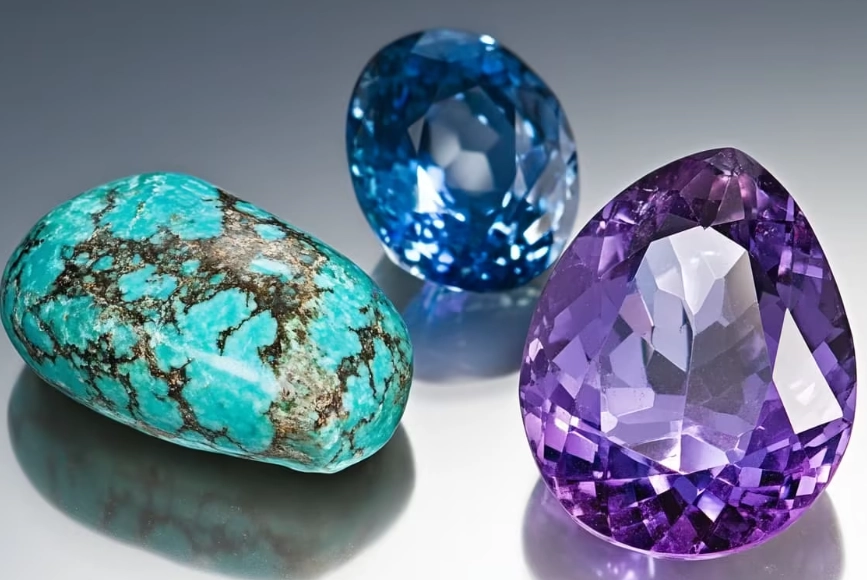
Choose an official December stone if: The person values tradition, horoscopes, and the classic symbolism. They like the idea of wearing "their" stone. In this case, tanzanite or zircon (or blue topaz) is your safest bet.
Turquoise can be a perfect choice if: The person has a personal connection to it—maybe they love Southwest style, it was their grandmother's favorite stone, or they simply adore the color. The gift can come with a story: "This isn't the modern birthstone, but it's a stone of protection and friendship, which made me think of you." That makes it infinitely more personal.
Don't get locked into a list. I've seen people reject a stone they loved because a website said it wasn't "theirs," and that's a shame.