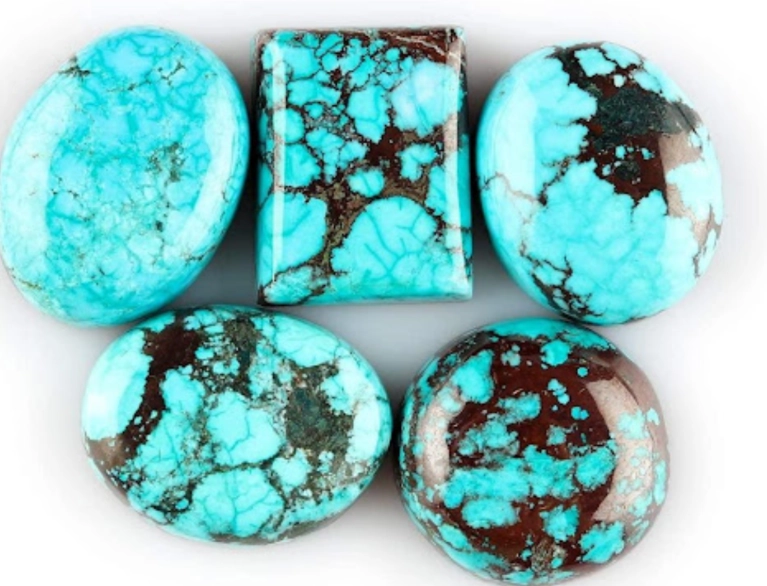
If you were born in December, you might have found yourself a bit confused. You look up your birthstone and find not one, not two, but three different gems: the vibrant blue Tanzanite, the brilliant Zircon (not to be confused with cubic zirconia!), and the earthy Turquoise. It feels like you hit the jackpot, or maybe it's just messy. Why does one month get a trio when others make do with one or two? The answer isn't simple—it's a mix of ancient history, modern marketing, geological discovery, and a desire to offer more choice. It's less about confusion and more about abundance.
Let's break it down. The story involves a last-minute 20th-century addition, a gem that's been misunderstood for decades, and an ancient stone that connects us to the sky and earth.
Your Guide to December's Gems
- The Historical Shuffle: How December Ended Up With Three
- Tanzanite: The Modern Marvel (The New Kid on the Block)
- Zircon: The Underrated Classic (No, It's Not Fake)
- Turquoise: The Ancient Soul (The Original December Stone)
- How to Choose Your December Birthstone
- Your December Birthstone Questions Answered
The Historical Shuffle: How December Ended Up With Three
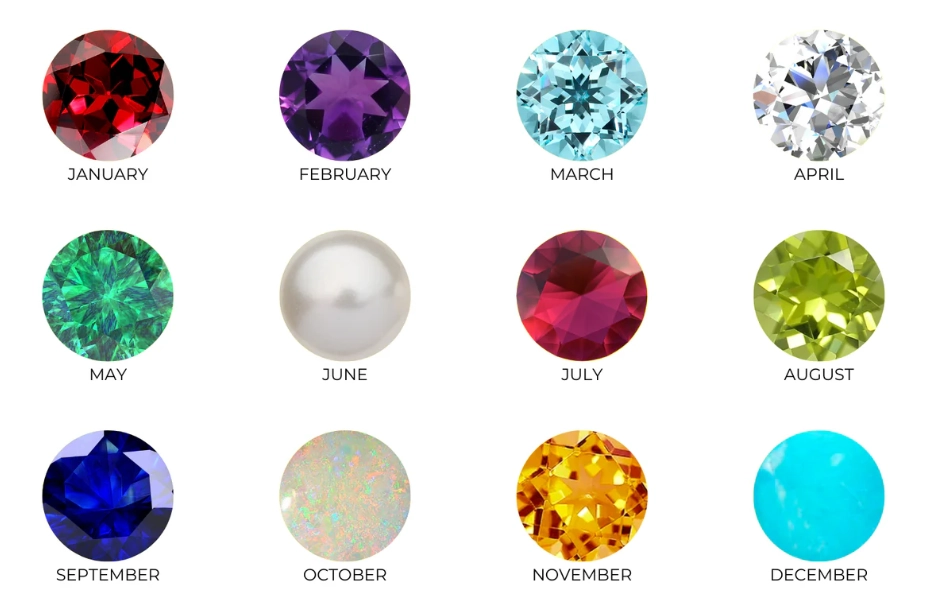
The modern birthstone list we mostly follow comes from the American National Association of Jewelers (now Jewelers of America). They standardized it in 1912. Back then, December had just one official birthstone: the Lapis Lazuli. Turquoise was also a traditional stone for the month. Zircon was floating around as an alternative in some older lists.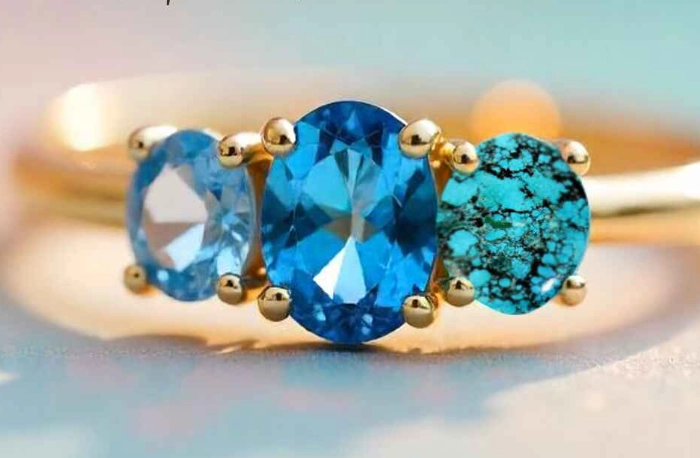
Then, in 1952, the list got a major update. Lapis was out. Turquoise and Zircon were officially in for December. This made sense historically—both have centuries of association with the month.
The real game-changer came in 2002. A stunning blue-violet stone discovered only in 1967 in Tanzania, called Tanzanite, was added as an additional December birthstone. This wasn't a replacement; it was an expansion. The push came largely from Tiffany & Co., who saw its potential and marketed it heavily. The American Gem Trade Association (AGTA) announced the addition, citing its popularity and beautiful color. So, December went from one to two, and then to three, reflecting both tradition and commerce.
Tanzanite: The Modern Marvel (The New Kid on the Block)
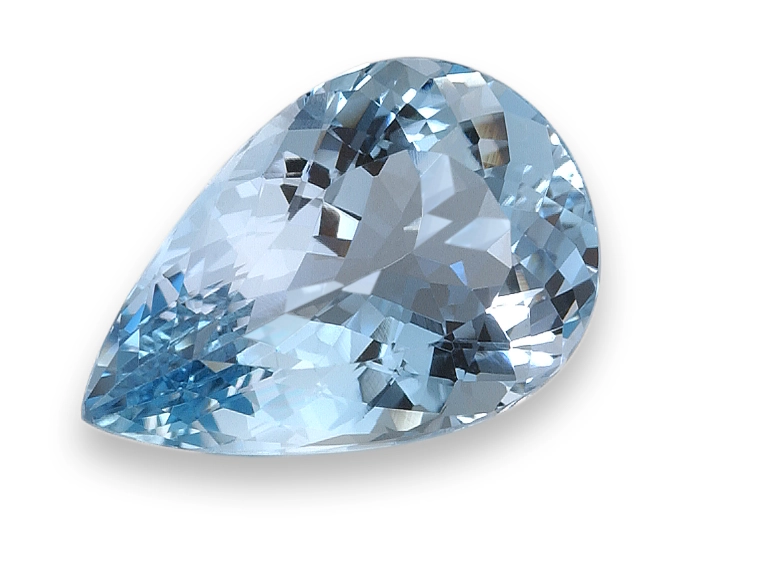
Discovered at the foot of Mount Kilimanjaro, Tanzanite is a geologic one-of-a-kind. It's a blue-violet variety of the mineral zoisite. The craziest part? Most of it is actually brownish-yellow when it comes out of the ground. The mesmerizing blue and purple colors are usually achieved through careful heat treatment—a standard, accepted, and permanent practice for this gem. Everyone in the trade knows this and expects it.
What Makes Tanzanite Special?
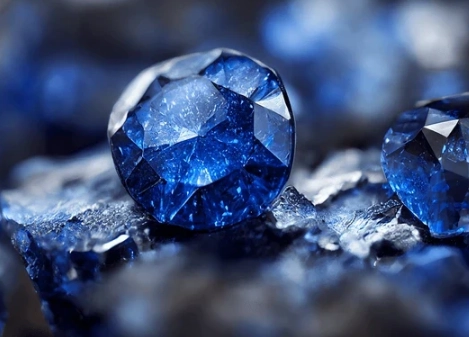
Its color is its signature. The best stones show a rich, velvety blue with flashes of purple, depending on the angle you look at it (a property called pleochroism). It's relatively soft for a gemstone (6.5-7 on the Mohs scale), so it's better suited for pendants and earrings than rings you'll bang around daily. The biggest talking point is its rarity. It's found in only one small area of the world, and many geologists believe the mines could be depleted within a generation. That "limited supply" story is a huge part of its appeal and value.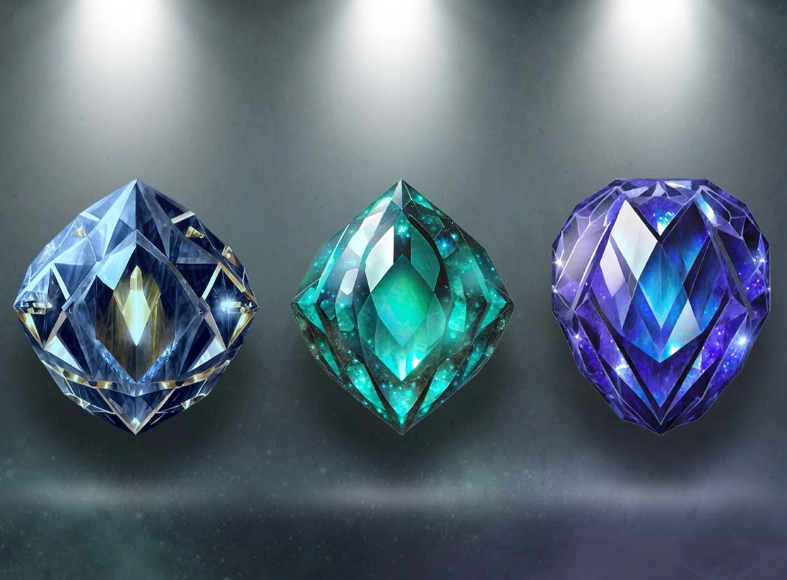
The Common Mistake People Make
People often think a darker Tanzanite is automatically better. Not true. A stone can be so dark it looks inky black in indoor light. The ideal is a saturated, medium-toned blue-violet that still sparkles and shows its color under various lights. A very pale stone has less value, but a stone that's too dark loses its life. Always ask to see it under different lighting conditions.
Zircon: The Underrated Classic (No, It's Not Fake)
This is the stone with the worst PR problem in all of gemology. For decades, people have confused natural Zircon with synthetic cubic zirconia (CZ), the diamond simulant. They are completely different materials. Natural Zircon is an ancient gem, formed in the earth over millions of years. It has a brilliance and fire (dispersion) that can rival a diamond's.
Zircon comes in many colors—blue (the most popular for December), white, yellow, green, and the rare, intense red. The blue color is almost always created by heat treating common brown Zircon, another standard and stable practice.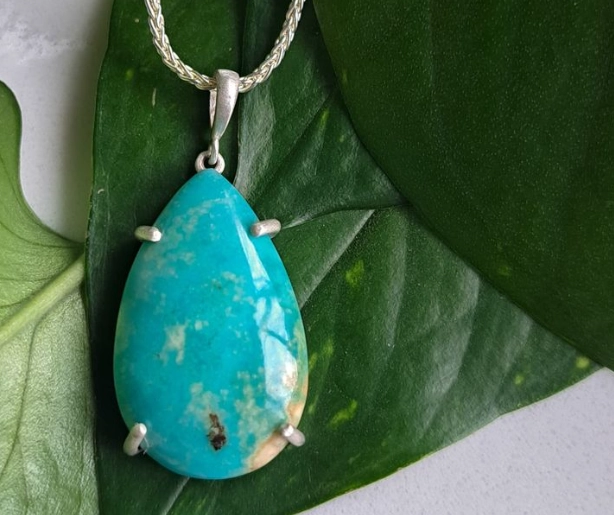
Zircon's Hidden Quirk
Here's something most guides won't tell you: Some Zircons can be slightly radioactive. Wait, don't panic! The vast majority of gem-quality Zircon used in jewelry is perfectly safe. The radioactive elements (like uranium and thorium) within its crystal structure decay over eons, which actually damages the structure. This leads to two types: "High" type zircons (fully crystalline, stable, usually untreated) and "Low" type zircons (metamict, with a damaged structure, often used for heat treatment to produce blue stones). The heat treatment stabilizes them. Reputable dealers test for radioactivity. The takeaway? Buy from a trusted source who knows their gems, and you'll get a stunning, safe stone. It's a non-issue for the consumer but fascinating gemology.
Turquoise: The Ancient Soul (The Original December Stone)
Turquoise is arguably the oldest of the three, with a history spanning from Ancient Egypt to Native American tribes to Persia. It's not a crystal; it's an opaque mineral, a hydrated phosphate of copper and aluminum. Its color—that iconic robin's egg blue—comes from copper, while greenish hues indicate the presence of iron.
Turquoise is soft (5-6 on Mohs) and porous. This leads to its biggest vulnerability and its most common treatment.
The Stabilization Debate
Most Turquoise on the market is "stabilized." This means it has been infused with a clear resin or plastic to harden it, enhance its color, and make it suitable for cutting and jewelry. Many purists turn their noses up at this. But here's the practical reality: High-quality, hard, untreated "natural" Turquoise from mines like the legendary Sleeping Beauty in Arizona is rare and expensive. It's also still somewhat fragile. For an everyday ring or bracelet, a well-stabilized stone is a smart, durable choice. The key is that the seller should disclose this treatment. Don't pay a premium for stabilized material pretending to be all-natural.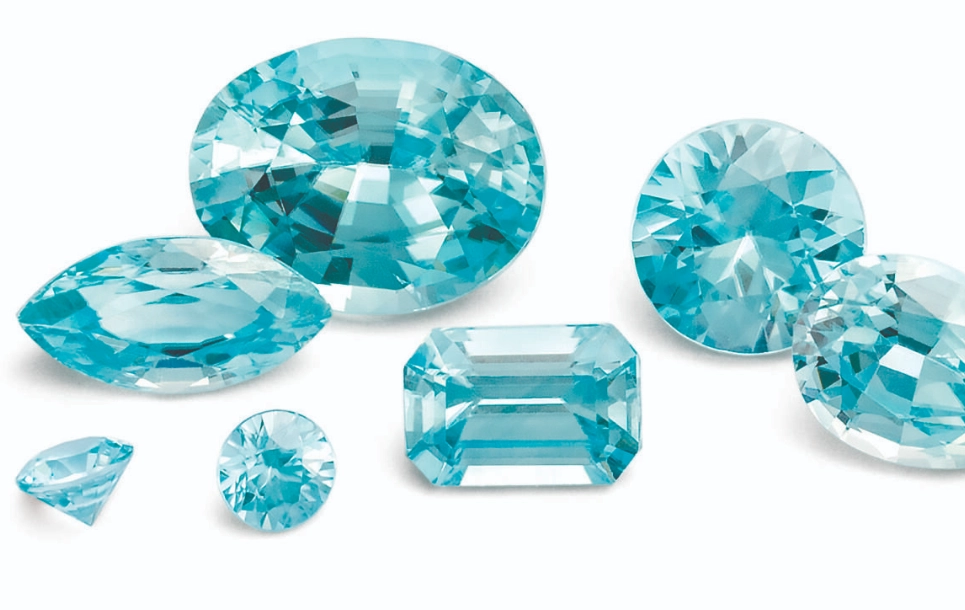
How to Choose Your December Birthstone
With three options, the choice is personal. It's about your style, your lifestyle, and what the stone means to you. Let's compare them head-to-head.
| Feature | Tanzanite | Zircon | Turquoise |
|---|---|---|---|
| Best For | Statement pieces, heirloom jewelry, color lovers. | Brilliant, fiery jewelry (like a diamond alternative), classic styles. | Casual, bohemian, or Southwestern-style jewelry, connection to nature. |
| Durability (Mohs) | 6.5-7 (Good for protected settings) | 6.5-7.5 (Good, but can chip if knocked) | 5-6 (Soft & porous; needs care) |
| Typical Care | Avoid ultrasonic cleaners, harsh chemicals, hard knocks. | Avoid hard knocks; clean with mild soap and water. | Avoid water, chemicals, perfumes, and prolonged sun. |
| Price Range* | Medium to High (driven by color, clarity, and rarity story) | Low to Medium (excellent value for its brilliance) | Low to Very High (depends on color, matrix, and source) |
| Vibe | Modern, luxurious, rare. | Classic, brilliant, misunderstood. | Ancient, earthy, spiritual. |
*Prices vary massively based on quality, size, and treatment. This is a general guide.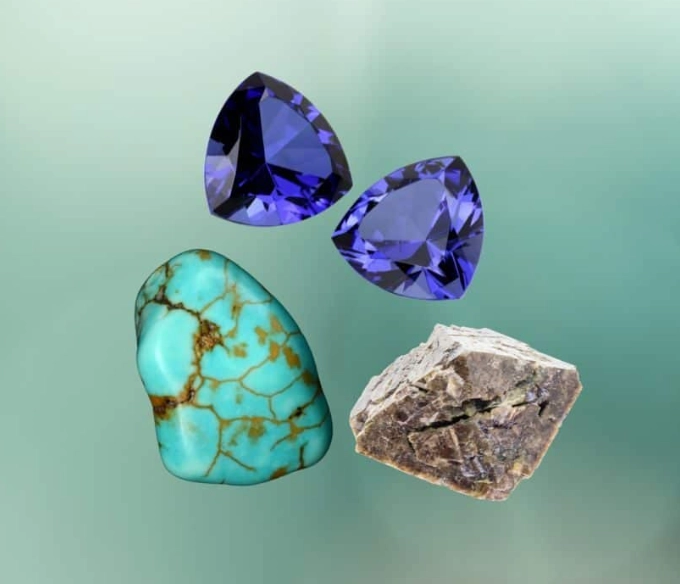
My personal take? If you lead an active life and want a ring you never take off, none of these are ideal. Consider a pendant or earrings. If you love sparkle and want something brilliant on a budget, blue Zircon is a secret weapon. If you're drawn to a story of geologic rarity, Tanzanite calls. If you want a piece of the earth with millennia of history, Turquoise is your stone.
You can also embrace all three. A stack of rings, or a necklace combining the blues of Tanzanite and Turquoise with the white sparkle of a Zircon accent? That's a uniquely December look.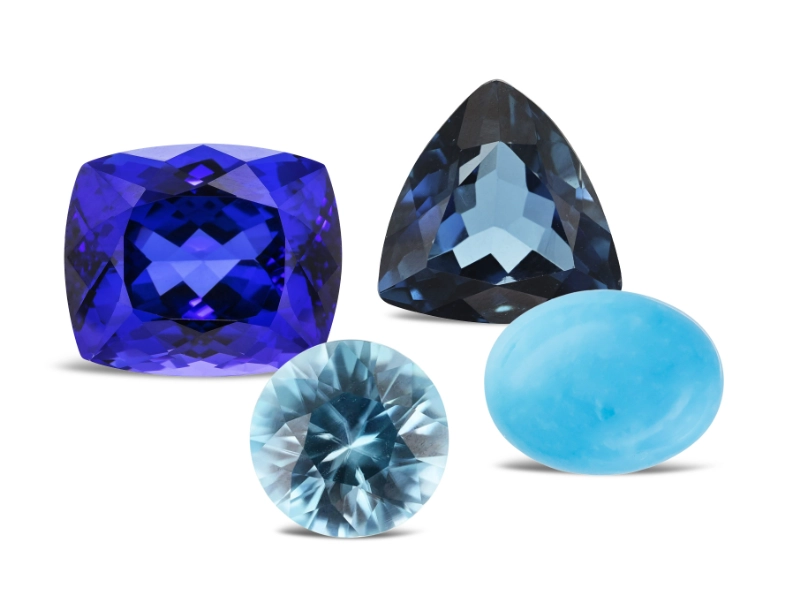
Your December Birthstone Questions Answered
I'm on a tight budget but want a real December birthstone. Which one should I look at?
Blue Zircon is your best bet. You can find small, well-cut stones for very reasonable prices, and you're getting incredible brilliance for your money. Small Tanzanites can also be affordable, but they often look best in larger sizes to show off the color. Avoid commercial-grade, dyed Turquoise; it's cheap but won't last. Instead, look for a small, genuine stabilized Turquoise cabochon in a simple setting.
Which December birthstone holds its value the best as an investment?
This is tricky. Gemstones are generally poor short-term investments. However, top-quality, untreated Tanzanite with exceptional color has the strongest argument due to its single-source rarity. The market believes the supply is finite. High-end, natural (unstabilized) Turquoise from historic, depleted mines like Lander Blue or Number 8 can also command collector prices. Zircon, while beautiful, doesn't have the same investment narrative. Never buy a gem purely as an investment unless you're a seasoned expert.
I want a December birthstone ring for daily wear. Is any of them tough enough?
With serious caveats. Tanzanite and Zircon are "hard enough" but can chip or scratch. If you must, choose a bezel setting that protects the entire rim of the stone, and opt for a lower profile so it doesn't protrude. Consider a side-stone accent instead of a main stone. Turquoise is a definite no for a daily-wear ring—water, soap, and bumps will ruin it. For daily wear, many people choose a sapphire (September's stone) in a blue hue and call it their "December blue" stone—a practical workaround.
Is the blue color in Zircon and Tanzanite always treated? Am I getting a "fake" stone?
No, you are not getting a fake. For Zircon, the attractive blue color is almost exclusively the result of heat treatment. This is a stable, permanent, and universally accepted process that reveals a color potential already in the stone. Natural, untreated blue Zircon is extremely rare. For Tanzanite, heat treatment is also standard to bring out the blue-violet from the raw brownish material. In both cases, the treatment is expected and does not significantly lower the value—it's what makes the gem marketable. An untreated, naturally blue specimen of either would be a collector's oddity and priced accordingly.
How can I tell if a Turquoise is high quality or low quality?
Look at three things: Color, Matrix, and Hardness. Color: A even, medium robin's egg blue is most prized. Greenish hues are less valued. Matrix: These are the dark webbing or patterns in the stone. Some, like fine spiderweb matrix, are desirable. Chunky, blotchy matrix can lower value. Many people prefer a clean, solid blue stone. Hardness: Gently (and with permission) try to scratch an inconspicuous spot with your fingernail. If material comes off or it feels chalky, it's very low quality, likely dyed and will not last. A good dealer will let you know if it's stabilized, which is fine, as long as you're not paying a natural price for it.