If you're a December baby, you've got options. Three, to be exact. But when people ask about the rarest December birthstone, the conversation usually gets muddy. Is it the blue Zircon? The ancient Turquoise? Let's cut through the noise. The unequivocal winner in the rarity stakes is Tanzanite. Not just a little rarer, but orders of magnitude more scarce due to one simple, unforgiving geological fact: it's found in one place on Earth. I've been collecting and writing about gems for over a decade, and the story of Tanzanite's rarity is often overshadowed by its color. We're going to fix that.
Your Quick Guide to December's Gems
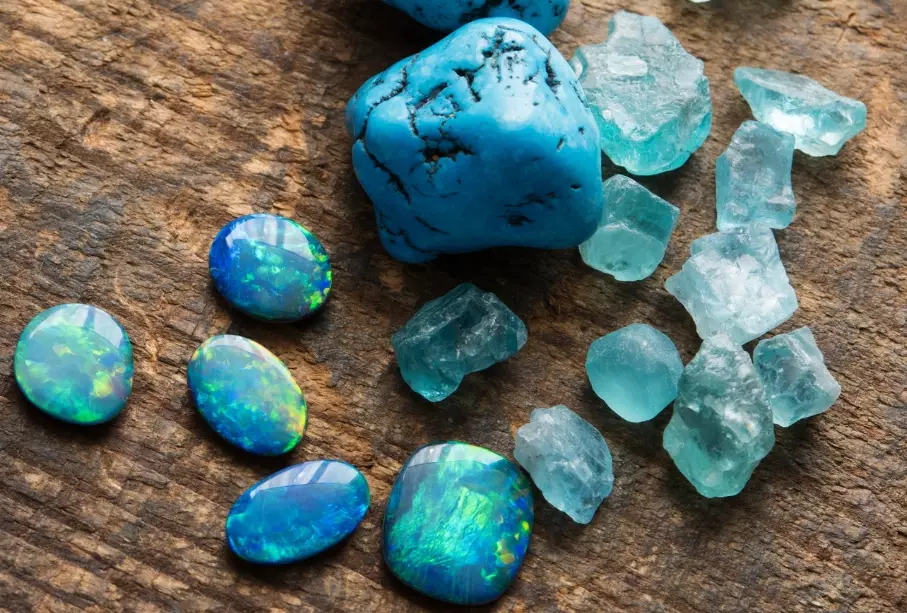
Meet the Three December Birthstones
Before we crown the rarity king, let's meet the lineup. The American Gem Trade Association officially lists three gems for December. Here’s the snapshot most articles give you, but we'll dig deeper.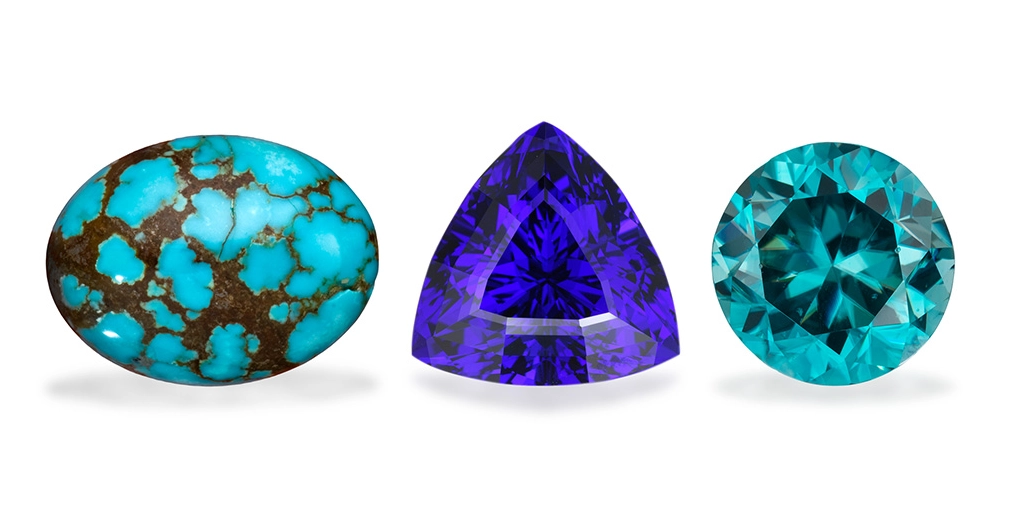
| Birthstone | Typical Color | Key Source Locations | Mohs Hardness |
|---|---|---|---|
| Tanzanite | Violetish-Blue | Merelani Hills, Tanzania (only) | 6.5 |
| Blue Zircon | Sky Blue, Teal | Cambodia, Sri Lanka, Myanmar | 6.5 - 7.5 |
| Turquoise | Sky Blue to Green | Southwest USA, Iran, China | 5 - 6 |
That "only" next to Tanzania is the whole story. It's not an exaggeration. While Zircon and Turquoise pop up in various countries across continents, Tanzanite's entire commercial existence is tied to a mining area about 7 kilometers long and 2 kilometers wide. Think about that. All the Tanzanite jewelry you've ever seen comes from a plot of land smaller than many airports.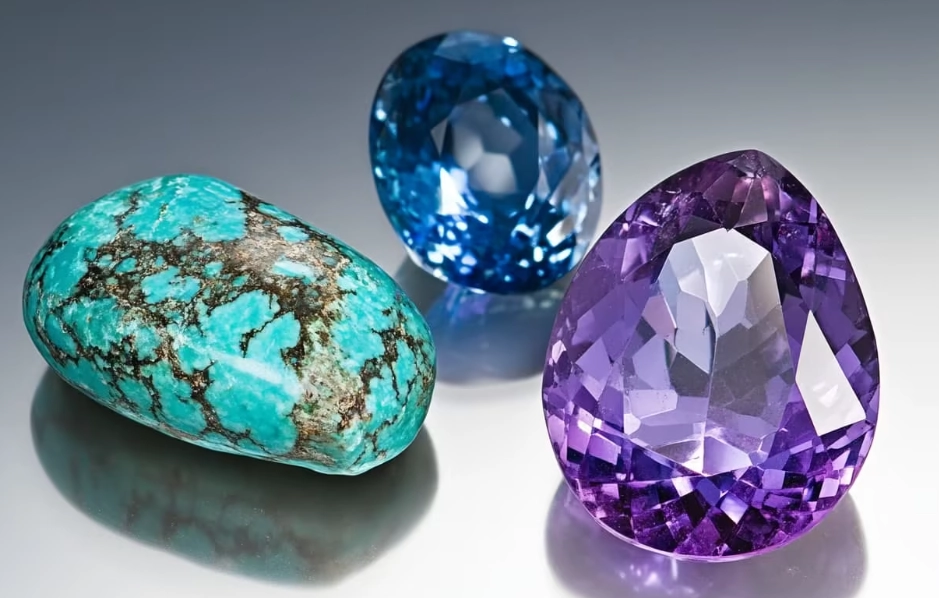
Why Tanzanite is the Undisputed Rarity Champion
Rarity in gems isn't just about "fewer pieces." It's a combination of geological scarcity, mineable quantity, and gem-quality yield. Tanzanite scores a perfect 10 on all three, and here's the breakdown most gem blogs miss.
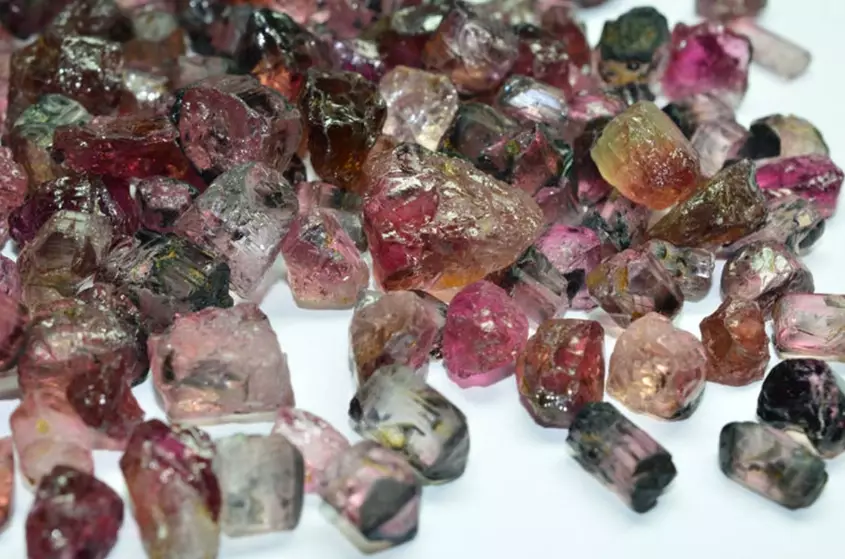
First, the geology is a freak accident. Tanzanite is a blue variety of the mineral zoisite. For it to form, it needed a very specific cocktail of vanadium, chromium, and extreme heat and pressure, all in the right sequence. This happened exactly once, in the foothills of Mount Kilimanjaro, about 585 million years ago. Geologists from the Gemological Institute of America (GIA) have described the conditions as "vanishingly unlikely" to be repeated elsewhere.
Second, the mining is brutal and finite. The Merelani Hills are divided into blocks. The best, gem-quality material historically came from a specific section. As miners go deeper, the costs skyrocket and the yield of fine gem material decreases. I've spoken with miners who say finding a clean, deep-blue piece over 5 carats is now a major event, whereas 20 years ago it was more common.
Third, and this is crucial, most Tanzanite is not gem quality. Over 90% of what comes out of the ground is pale, heavily included, or fractured, destined for carvings or low-end beads. The vibrant, saturated blue-violet stones you see in high-end jewelry? They represent a tiny, shrinking fraction of an already microscopic supply.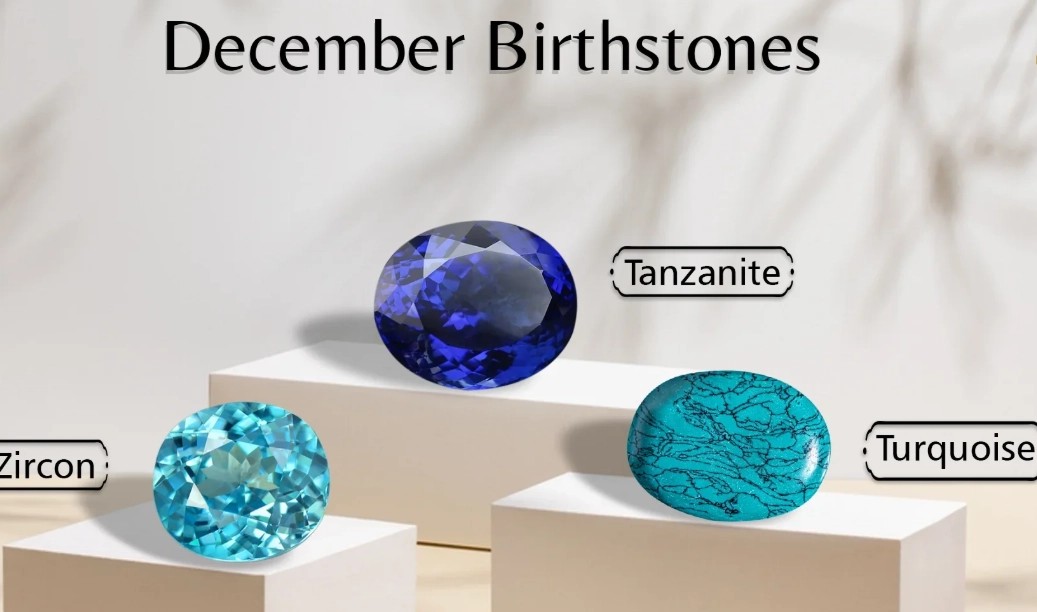
A Personal Note on Scarcity: I remember a dealer friend in Arusha telling me around 2015, "The easy Tanzanite is gone." He wasn't talking about running out tomorrow, but about the end of finding large quantities of top-grade material without immense effort and investment. That shift is what defines true commercial rarity.
Tanzanite: The Clock is Ticking (But Be Wary of Hype)
You'll often hear "Tanzanite is 1000 times rarer than diamond." That's a marketing line, but it's rooted in a real fact: diamonds are found in over 30 countries, in various rock types, and new sources are still being discovered. Tanzanite's single-source status is unique among major gemstones. The mining company (now a government partnership) has given estimates ranging from 10 to 30 years of minable reserves left. Even if it's on the longer end, it's a blink in geological and mining terms.
This scarcity directly impacts you if you're buying. A one-carat, fine-quality Tanzanite has increased in value more steadily than a comparable Zircon or commercial-grade Turquoise over the past two decades. It behaves more like a colored diamond than a typical semi-precious stone.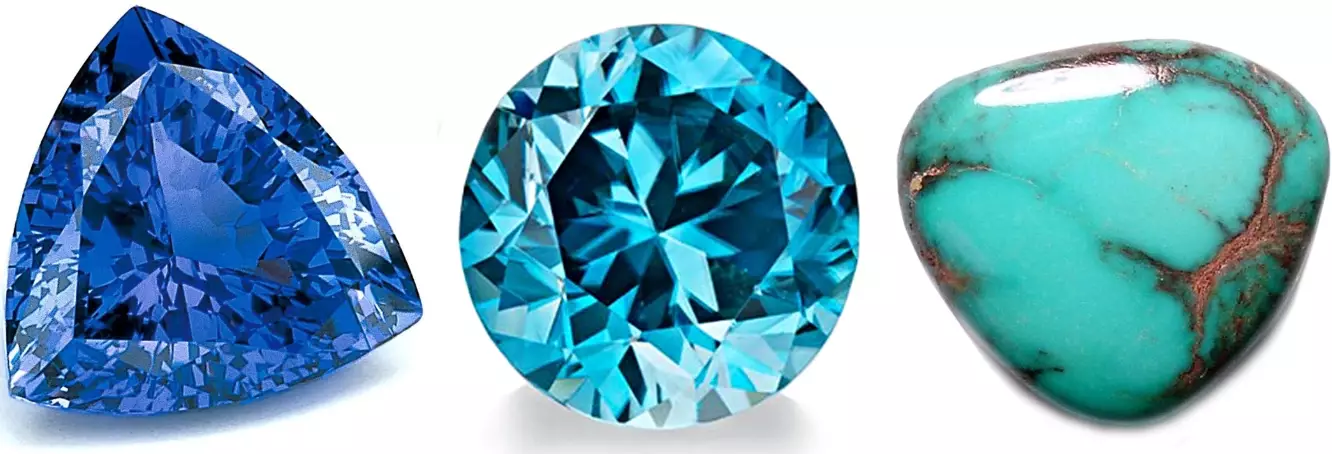
Blue Zircon: The Most Misunderstood Gem
Here's where experience matters. Many people confuse Zircon with the synthetic cubic zirconia (CZ). They are completely unrelated. Natural Zircon is one of Earth's oldest minerals and has a brilliant fire and dispersion (that rainbow flash) that rivals diamond. Its rarity is nuanced.
While Zircon deposits exist in several places, the supply of fine, natural blue Zircon is tight. Most blue Zircon on the market is actually heat-treated brown material from Cambodia or Vietnam. The treatment is stable and accepted, but it means completely natural, untreated blue crystals are themselves quite rare. The real scarcity issue with Zircon is public perception and demand, not absolute geological supply. It's a gemologist's favorite that the public overlooks, which keeps prices for all but the finest specimens relatively modest.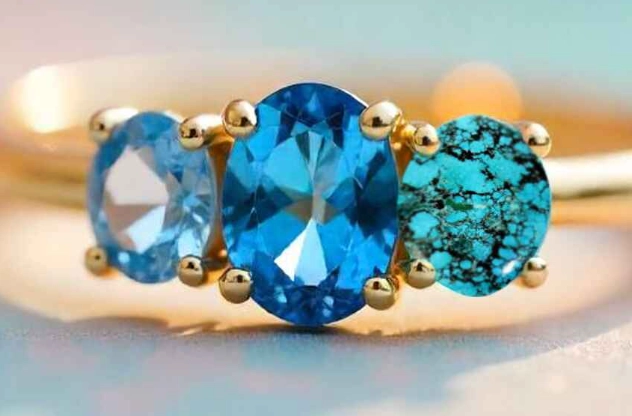
Turquoise: Rarity is in the Details
Turquoise is plentiful in a chalky, porous form. But that's not what you want in jewelry. Rarity in Turquoise is about three things: color, matrix, and stability.
- Sleeping Beauty Blue: The iconic, clear, robin's-egg blue from Arizona's Sleeping Beauty mine closed in 2012. That specific, matrix-free color is now finite, making existing stones more sought-after.
- Persian (Iranian) Turquoise: For centuries, the Neyshabur mines produced the benchmark for top color and hardness. Political and export challenges make genuine, high-quality Persian material rare in Western markets.
- Stabilization: Over 95% of Turquoise sold is "stabilized"—impregnated with resin to harden it and improve color. Completely natural, untreated, hard, and brightly colored Turquoise is genuinely rare and commands a high premium.
So, while you can buy Turquoise easily, the rare, collectible pieces are a different category altogether, defined by specific mines and natural treatment.
The Bottom Line on Rarity: Tanzanite is rare because the Earth made almost none of it in one place. Fine Blue Zircon is rare because few people seek it out and top color is uncommon. Collector-quality Turquoise is rare because specific, depleted mines created a unique product. But for sheer, in-the-ground, can't-find-it-elsewhere scarcity, Tanzanite stands alone.
How to Buy the Rarest December Birthstone
If you want the truly rare one, you're looking at Tanzanite. Here’s how to buy it smartly, not just expensively.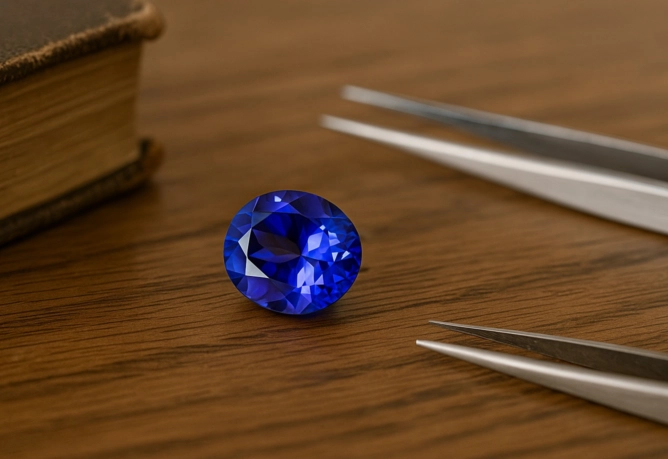
1. Prioritize Color Over Everything. The value is in the saturation of that violet-blue hue. GIA grades Tanzanite color as Exceptional, Vivid, Intense, Moderate, Light, and Pale. Aim for Vivid or Exceptional. A smaller stone with fantastic color is better than a larger, paler one.
2. Understand Treatment. Nearly all Tanzanite is heat-treated to bring out the blue. This is a permanent, universal practice. Be wary of any dealer presenting a stone as "untreated"—it's almost certainly not true and should be backed by a lab report from a major institute like GIA or AGL.
3. Respect its Softness. At 6.5 on the Mohs scale, it's softer than quartz. This means rings and bracelets need protective settings (bezels are great) and you should never use ultrasonic cleaners. Stick to warm, soapy water and a soft brush. I've seen too many chipped Tanzanites from careless wear.
4. Get a Reputable Lab Report for Major Purchases. For any stone over, say, $1000, a report is worth it. It verifies natural origin, details any treatments (though heat treatment for Tanzanite is assumed), and documents the characteristics. It's your receipt and insurance document.
5. Consider the Alternatives. If you love the color but the rarity premium of Tanzanite is too high, a well-cut blue Zircon offers incredible brilliance and durability at a lower cost. If you want earthy and unique, seek out a piece of natural, untreated Turquoise from a known source like the Kingman or Lander Blue mines.