When you think of August birthdays, that vibrant green gem probably comes to mind. But peridot is more than just a pretty stone—it’s packed with history, meaning, and a few surprises most jewelry shops won’t tell you. I’ve been collecting gemstones for over a decade, and peridot often gets overlooked for flashier options. Let’s fix that. Here, we’ll unpack everything from its ancient roots to how you can pick a piece that doesn’t turn dull in a year.
What You'll Discover in This Guide
What is the Meaning of Peridot as an August Birthstone?
Peridot’s meaning stretches back thousands of years. The ancient Egyptians called it the “gem of the sun,” mining it on an island in the Red Sea. They believed it warded off night terrors—a bit dramatic, but it shows how prized it was. Today, it’s officially recognized as the August birthstone by organizations like the American Gem Trade Association. Symbolically, peridot ties to renewal, prosperity, and emotional healing. Think of it as nature’s reset button.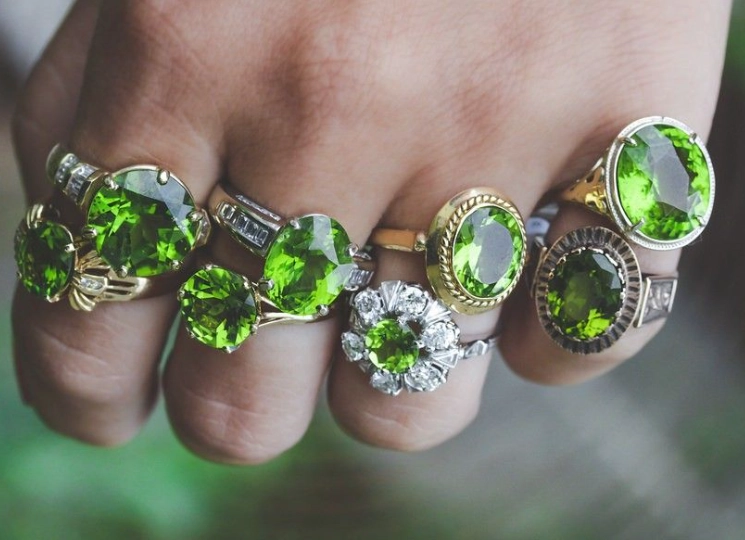
Historical and Cultural Significance
Most articles will mention Egypt, but here’s a nuance: peridot was often confused with emeralds in medieval times. Kings wore it thinking it was more valuable. That confusion led to some hilarious historical mix-ups, like in the Shrine of the Three Kings in Cologne Cathedral, where “emeralds” turned out to be peridot. Personally, I love that—it’s a gem with an identity crisis that ended up shining on its own.
Symbolism and Healing Properties
In crystal healing circles, peridot is touted for reducing stress and attracting abundance. But let’s be real: it’s not a magic pill. I’ve seen clients buy low-quality stones expecting miracles, only to feel disappointed. The key is intent. Wear it as a reminder to let go of old baggage. Its green hue, ranging from yellowish-green to olive, connects to heart chakra work. Some modern studies, like those referenced in the Gemological Institute of America’s archives, note its use in meditation for clarity.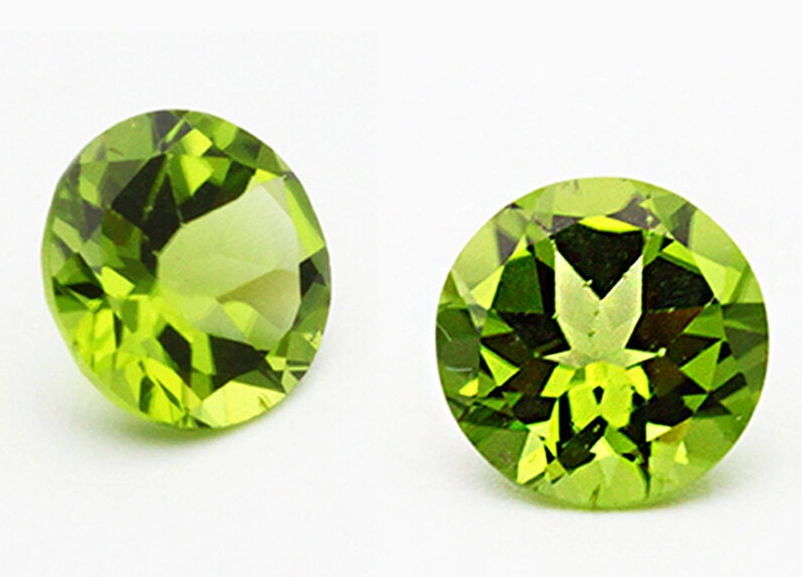
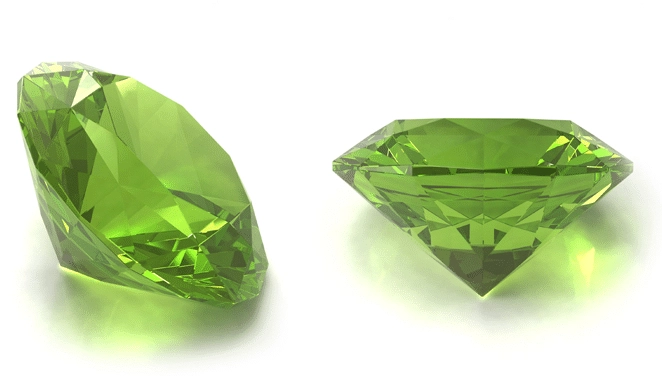
Quick tip: Peridot’s color comes from iron content. Higher iron means a deeper green, but too much can make it look muddy. Aim for a balanced hue—think fresh lime, not army green.
How to Choose the Perfect Peridot Jewelry
Buying peridot isn’t like grabbing a coffee. You need to know what to look for, or you’ll end up with a stone that loses its sparkle. I learned this the hard way when I bought a cheap ring online; it scratched within months. Let’s break it down.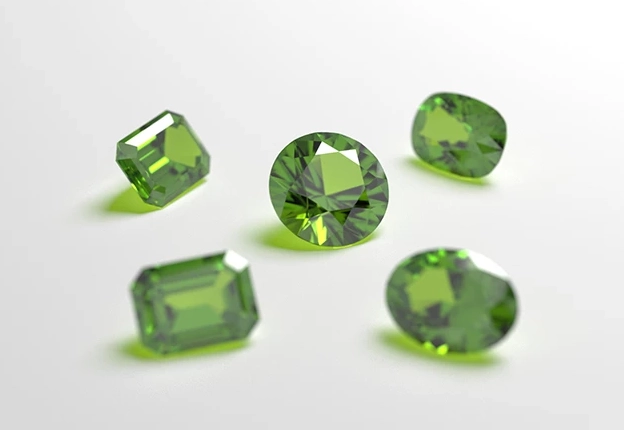
Factors Affecting Peridot Quality
Quality hinges on four things: color, clarity, cut, and carat. Peridot is relatively soft (6.5-7 on the Mohs scale), so durability matters. Here’s a table comparing key aspects:
| Factor | What to Look For | Why It Matters |
|---|---|---|
| Color | Vibrant yellow-green, even saturation | Determines value and visual appeal; avoid brownish tints |
| Clarity | Eye-clean (no visible inclusions to naked eye) | Inclusions like “lily pad” patterns are common but can weaken stone |
| Cut | Well-proportioned (e.g., oval, cushion) | Enhances brilliance; poor cuts make it look flat |
| Carat Weight | 1-5 carats for affordability | Larger stones are rarer; price jumps above 10 carats |
Top sources include Arizona (USA), Pakistan, and Myanmar. Arizona peridot tends to be brighter, while Pakistani stones often have richer color. I’ve held pieces from both—the difference is subtle but real.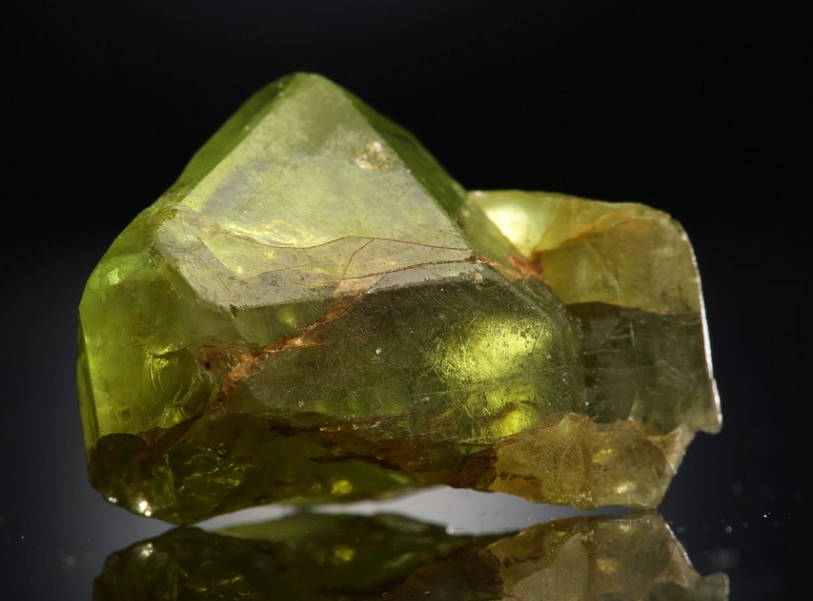
Tips for Buying Peridot
Start with a budget. Peridot can range from $50 to $500 per carat, depending on quality. For a gift, aim for a setting that protects the stone, like bezel or halo designs. Avoid prong settings if it’s for daily wear; they snag. And always ask for a certification from a reputable lab, like GIA. Most jewelers skip this, but it’s your proof of authenticity.
Consider this scenario: Sarah wants a peridot necklace for her August-born mom. She sets a $300 budget. Instead of a large, included stone, she opts for a smaller, eye-clean piece from Arizona, set in sterling silver. It lasts years, and her mom loves the color. That’s smart buying.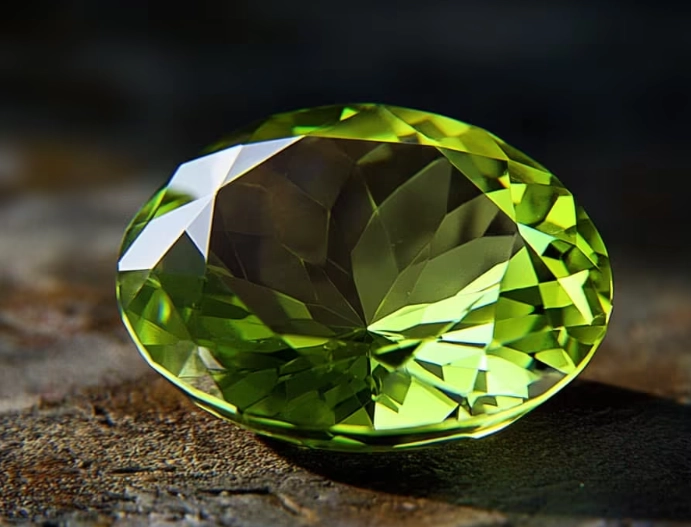
Common Misconceptions About Peridot
Let’s bust some myths. First, peridot isn’t just “cheap emerald.” It has its own charm—a brighter, sunnier vibe. Second, many think it’s fragile. True, it’s softer than diamond, but with care (avoid harsh chemicals, store separately), it holds up fine. I’ve worn a peridot pendant for five years, and it still gleams.
Another big one: all peridot is green. Actually, it spans yellow-green to olive. The best stones have a zesty lime tone. If a seller calls it “emerald green,” they’re likely exaggerating.