What's Inside
August has three birthstones—Peridot, Spinel, and Sardonyx—because of historical changes in gemstone lists and cultural adaptations. It's not a mistake or oversupply; it's a story of tradition meeting modern gemology. If you're an August baby, you've got options, and that's a good thing. Let's dive into why.
I've been in the jewelry business for over a decade, and I've seen countless clients confused about this. They walk in asking for "the" August birthstone, only to find out there are three. It's a common pain point, but once you understand the history, it makes sense. Here's the breakdown, straight from an insider.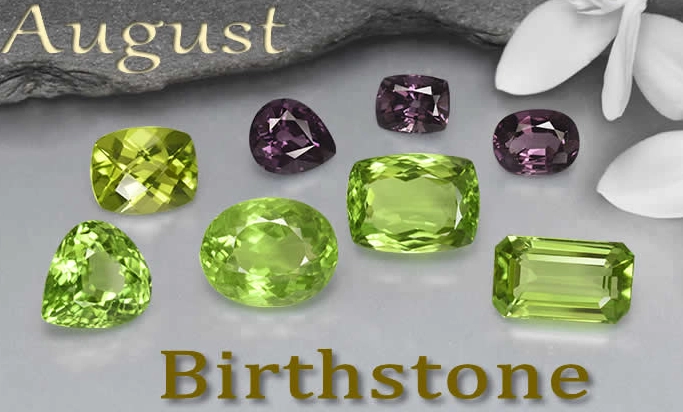
The Historical Shift: From One to Three Birthstones
Back in the day, birthstones were simpler. Ancient lists, like those from the Bible or early Arabic traditions, often had one stone per month. For August, it was Sardonyx—a striped gem that symbolized strength and protection. But things changed in the 20th century.
In 1912, the American National Association of Jewelers (now Jewelers of America) standardized a modern birthstone list to boost sales and clarity. They assigned Peridot as the primary August stone, pushing Sardonyx to a secondary role. Then, in 2016, Spinel was added officially, making it three. Why the update? Gemological research showed Spinel's rarity and beauty were underrated, and it deserved a spot.
This shift isn't unique to August. Other months have multiple stones too, but August stands out because all three are still widely recognized. Some sources, like the Gemological Institute of America (GIA), list Peridot and Spinel as primary, but Sardonyx hangs on in traditional circles. It's a mess if you don't know the backstory.
Ancient Origins: Sardonyx as the Original
Sardonyx is a layered gem, usually with bands of red and white. It was popular in Roman times for signet rings—think of it as the ancient version of a security stamp. People believed it warded off evil. Today, it's less common in jewelry because it's softer and more prone to scratching, but it's still cherished for its vintage appeal.
I remember a client who inherited a Sardonyx necklace and thought it was fake because it wasn't green like Peridot. That's a classic mistake. Sardonyx is legit, just old-school.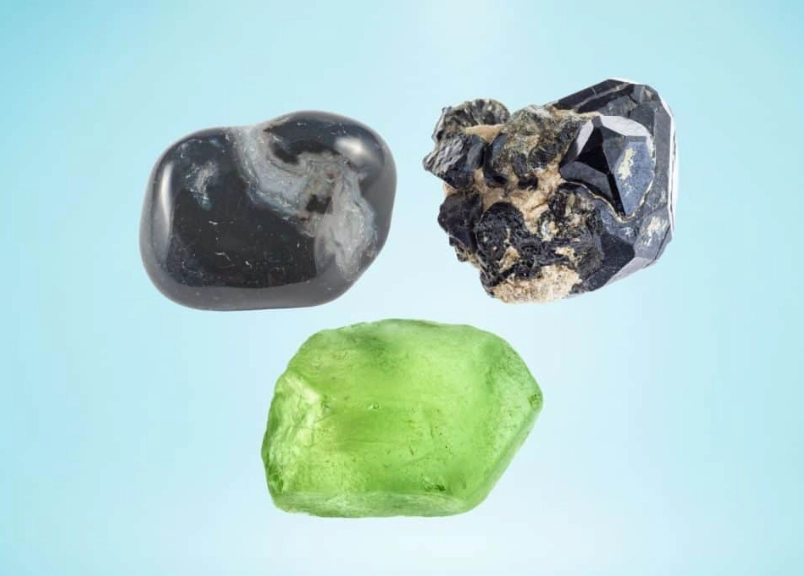
Modern Additions: Peridot and Spinel
Peridot, with its vibrant green hue, became the face of August in the 1900s. It's found in places like Arizona and Myanmar, and it's relatively affordable—think $50 to $500 per carat for decent quality. Spinel, added later, is a sleeper hit. It comes in reds, pinks, and blues, and high-quality spinels can rival rubies in price, hitting $1,000 per carat or more.
The addition of Spinel in 2016 wasn't random. The jewelry industry wanted to highlight ethical sourcing; spinels are often mined in smaller, less controversial operations compared to some rubies. It's a nod to the growing demand for sustainable gems.
Meet the Three Stones: Peridot, Spinel, and Sardonyx
Let's get practical. Here's a quick comparison to help you see the differences. I've based this on my experience selling these gems—prices are averages, and they can vary widely.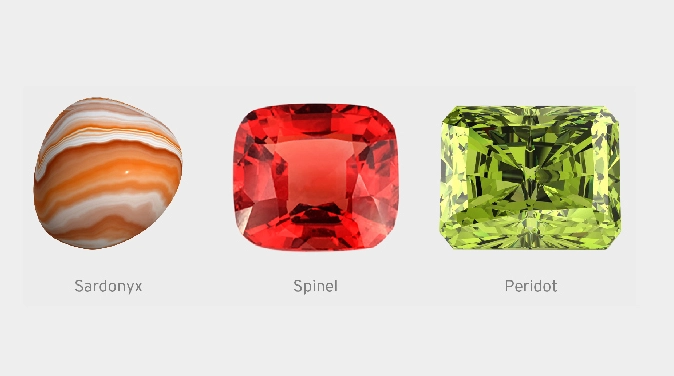
| Gemstone | Color | Hardness (Mohs) | Typical Price per Carat | Symbolic Meaning |
|---|---|---|---|---|
| Peridot | Olive green | 6.5-7 | $50 - $500 | Prosperity, peace |
| Spinel | Red, pink, blue | 8 | $200 - $1,500+ | Revitalization, joy |
| Sardonyx | Red and white bands | 6.5-7 | $20 - $200 | Protection, courage |
Peridot is the go-to for August babies. It's abundant, so you can find it easily. But watch out—cheap peridot can be yellowish and dull. Aim for a rich green without brown tints. Spinel is tougher and more brilliant, but it's often mislabeled as ruby. I've seen shops sell red spinel at ruby prices, which is a scam. Sardonyx is the budget option, great for carvings or cameos, but it scratches easily.
Peridot: The Vibrant Green Gem
Peridot forms in volcanic rocks, and some of the best comes from the San Carlos Apache Reservation in Arizona. It's a stone that doesn't need enhancements—most peridot is untreated, which is rare in gems. Care tip: avoid ultrasonic cleaners; the vibrations can crack it. Use mild soap and water instead.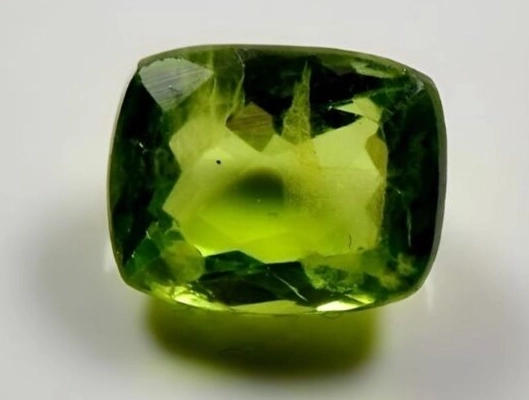
Why do people love it? It's said to bring good luck. A friend of mine swears her peridot ring helped her land a job. Placebo or not, it works for her.
Spinel: The Underrated Beauty
Spinel was historically confused with ruby—the British Crown Jewels have a "Black Prince's Ruby" that's actually spinel. It's harder than peridot, making it better for daily wear. The price spike in recent years is due to gemologists pushing its value. If you're buying, look for vivid colors; pale spinels aren't worth much.
I recommend spinel for engagement rings if you want something unique. It's durable and ethical, but supply is limited, so prices might rise.
Sardonyx: The Striped Classic
Sardonyx is all about history. It's a type of onyx, and it's often used in men's jewelry like cufflinks. The bands can be natural or enhanced with dye—ask your jeweler. It's cheap, but don't expect high sparkle. It's more about the pattern.
I've had clients complain that sardonyx looks "boring" compared to peridot. True, but it has a rustic charm. Pair it with gold for a vintage look.
Why Three? The Real Reasons Behind the Multiplicity
So, why three stones? It boils down to three factors: commercial interests, gemological discoveries, and cultural persistence. The jewelry industry updates lists to keep things fresh and sell more gems. When Spinel was added, it was a marketing move to highlight a neglected stone.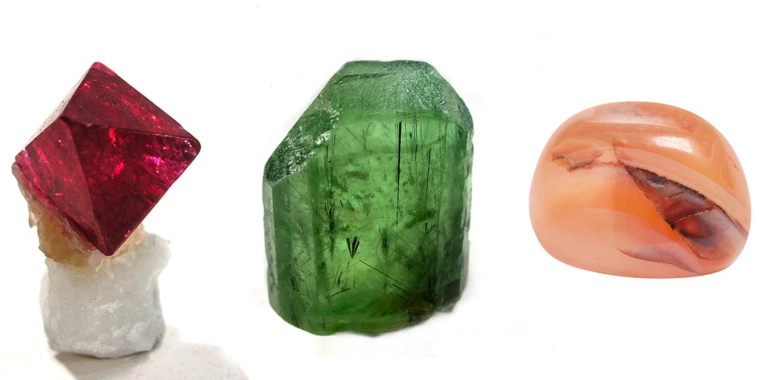
Also, different cultures have different lists. In some traditions, August might include carnelian or moonstone. The "three" here refers to the Western standard, but it's fluid. This multiplicity actually benefits consumers—more choice means you can pick a stone that fits your style and budget.
A common error is thinking all three are equally official. They're not. Peridot and Spinel are on the modern list from Jewelers of America, while Sardonyx is traditional. If you're buying a birthstone gift, check what the recipient prefers. Some purists stick to Sardonyx; others go modern.
How to Choose Your August Birthstone: A Practical Guide
Choosing isn't about right or wrong—it's about what works for you. Here's a step-by-step approach I give my clients.
First, consider durability. If you're active or plan to wear the stone daily, Spinel (hardness 8) is best. Peridot and Sardonyx (6.5-7) are okay for occasional wear. I've seen peridot rings get scratched from gardening, so be mindful.
Second, think budget. Peridot is mid-range, Spinel can be pricey, and Sardonyx is affordable. For a $300 budget, you could get a nice peridot pendant or a small spinel earring set.
Third, color preference. Love green? Go peridot. Want something flashy? Spinel comes in reds and pinks. Prefer subtle patterns? Sardonyx.
Last, symbolism. Peridot for peace, Spinel for energy, Sardonyx for protection. Match it to the person's personality.
I helped a client last month pick a spinel necklace for her August-born daughter. The daughter wanted something "not green," and spinel's pink hue was perfect. It cost around $800, but it'll last a lifetime.
Common Myths and Mistakes About August Birthstones
Let's debunk some myths. I hear these all the time in my shop.
Myth 1: "Peridot is the only real August birthstone." False. Spinel is equally official since 2016, and Sardonyx has historical roots. Check the GIA website for their birthstone chart—it lists both Peridot and Spinel.
Myth 2: "Spinel is just a cheap ruby substitute." Not true. Spinel has its own identity and can be more valuable than low-quality rubies. It's rarer in large sizes.
Myth 3: "Sardonyx is outdated and worthless." It's less popular, but it has niche appeal. I've sold sardonyx seals to artists for stamping wax—it's versatile.
Biggest mistake: buying based on price alone. Cheap peridot might be treated with resin to hide cracks. Always ask for a gemstone report from a reputable lab, like GIA. I've turned away sales because the stones were poorly enhanced—it hurts short-term but builds trust.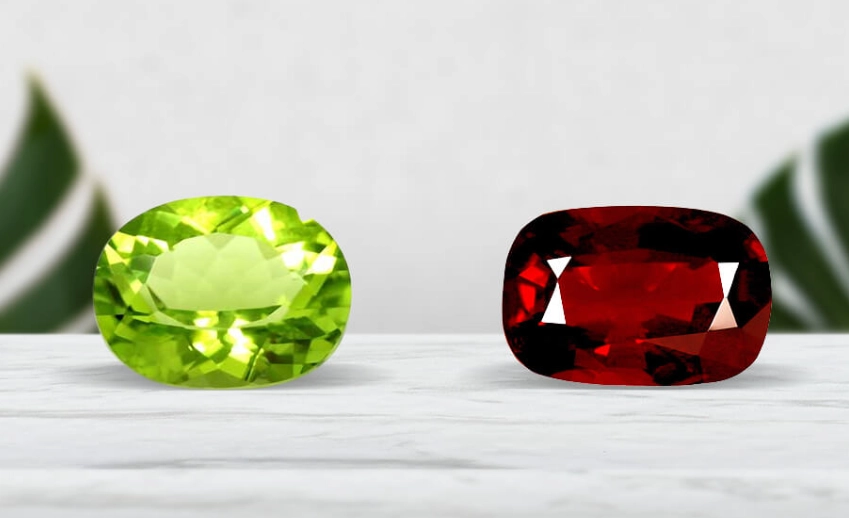
FAQs About August Birthstones
In the end, August's three birthstones are a gift—literally. They offer flexibility and rich stories. Whether you pick Peridot for its cheer, Spinel for its resilience, or Sardonyx for its heritage, you're honoring a tradition that's evolved over centuries. Just don't get bogged down by the choice; enjoy the journey.
If you're still unsure, visit a local jeweler with good reviews. Ask questions, feel the stones, and trust your gut. After all, it's your birthstone—make it personal.