If you're born in August, you've got not one but two stunning birthstones to claim: peridot and sardonyx. But when people ask about the August birthstone color, they're often met with vague answers. Let's cut through the noise. The core colors are peridot's lively green and sardonyx's contrasting bands of red and white. I've been collecting and writing about gemstones for over a decade, and I've seen too many folks get tripped up by oversimplified descriptions. In this guide, we'll dive deep into what these colors really mean, how they look in different lights, and why picking the right shade matters more than you might think.
What You'll Find in This Guide
What is the August Birthstone Color?
Peridot is all about green—think fresh lime or olive tones, not the dark emerald you might expect. Sardonyx, on the other hand, is a layered chalcedony with straight bands of red, brown, or white. The Gemological Institute of America (GIA) notes that peridot's color comes from iron content, while sardonyx forms through silica deposits. But here's a nuance most blogs miss: peridot's green can shift under artificial light, sometimes looking more yellowish, which affects its value. Sardonyx bands should be crisp and even; if they're blurry, it might be dyed.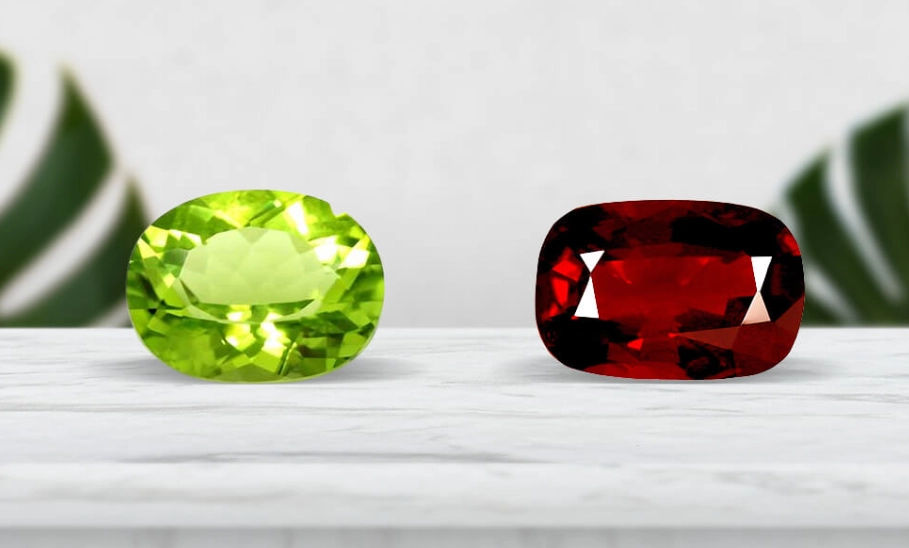
The Green of Peridot: A Closer Look
Peridot ranges from yellowish-green to brownish-green, but the most prized hue is a pure, vibrant green without brown undertones. I once bought a peridot ring that looked perfect in the store, but under my home LEDs, it turned a sickly yellow. Lesson learned: always check gems in natural light. The color intensity depends on iron concentration—higher iron means deeper green. Some dealers enhance color with heat treatments, but natural peridot has a subtle glow that treated stones lack.
The Banded Beauty of Sardonyx
Sardonyx isn't a single color; it's a play of red, white, and sometimes brown bands. The best pieces have sharp contrasts, like stripes on a candy cane. Historically, it was used for cameos because the layers allow for detailed carving. But modern sardonyx often gets dyed to boost color. A genuine piece will have bands that are consistent throughout, not just on the surface. If you see a sardonyx with overly bright reds, be suspicious—it might be artificial.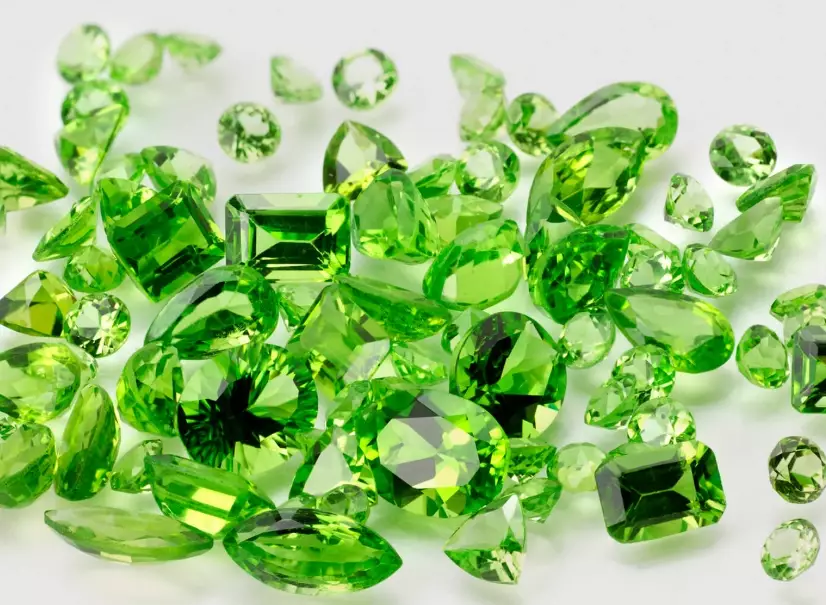
How to Choose the Right August Birthstone Color for You
This isn't just about preference; it's about what works for your life. Let's break it down with a scenario: imagine you're shopping for an August birthstone necklace. Do you want something everyday or for special occasions? Peridot's green pops against cool skin tones, while sardonyx's warmth suits olive or darker skin. I've advised clients to consider their wardrobe—peridot pairs well with neutrals, but sardonyx can clash with patterned outfits.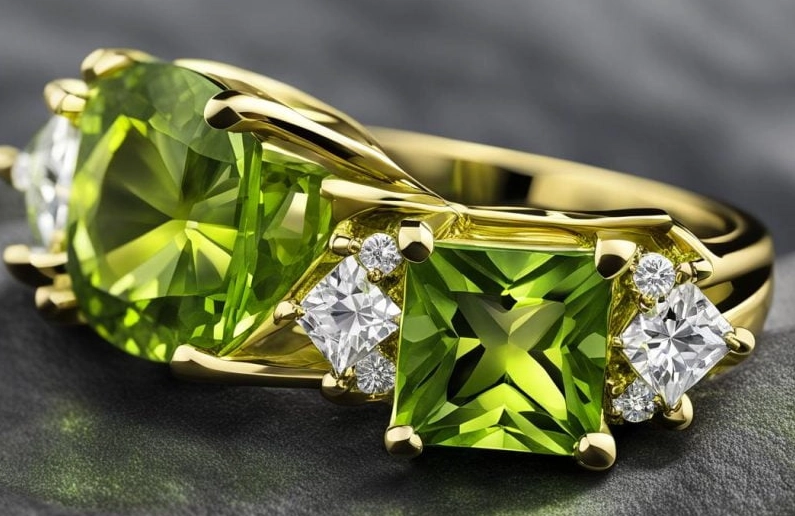
Factors to Consider: Skin Tone, Occasion, and Personal Style
Here's a quick table to help you decide:
| Factor | Peridot (Green) | Sardonyx (Banded Red/White) |
|---|---|---|
| Skin Tone Match | Best for fair or cool undertones | Ideal for warm or medium-dark skin |
| Occasion Suitability | Great for casual wear, summer events | More formal, vintage-style occasions |
| Maintenance Level | Low—durable but avoid harsh chemicals | Moderate—bands can scratch if not cared for |
| Price Range (per carat) | $50-$200 for good quality | $20-$100, depending on band clarity |
Personal style matters too. If you love minimalist jewelry, peridot's solid color works better. Sardonyx has a bold, statement look. I recall a friend who bought a sardonyx bracelet for her wedding, but it overwhelmed her simple dress. She swapped it for a subtle peridot pendant, and it looked flawless.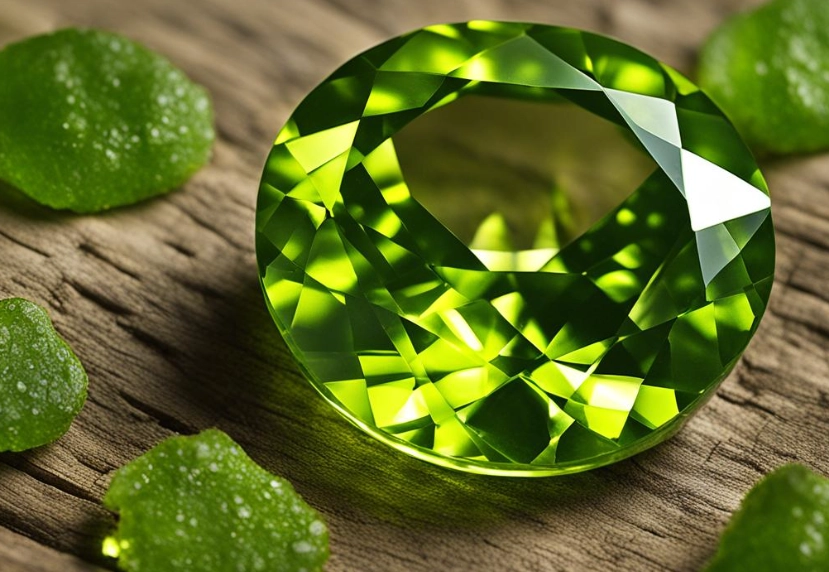
The Meaning and History Behind August Birthstone Colors
Colors carry stories. Peridot's green symbolizes growth, prosperity, and protection—ancient Egyptians called it the "gem of the sun." Sardonyx, with its bands, represents courage and happiness in marriage. But here's a twist: many sources claim peridot wards off evil, but in my experience, that's more folklore than fact. The historical record from the GIA shows it was prized for its beauty, not magic.
Symbolism of Green in Peridot
Green has long been tied to nature and renewal. In peridot, this connects to August's late summer vibe—think harvest and abundance. Some cultures believe it reduces stress, but I've found its real power is in boosting confidence. Wearing a peridot ring, I feel more grounded, maybe because the color is so earthy.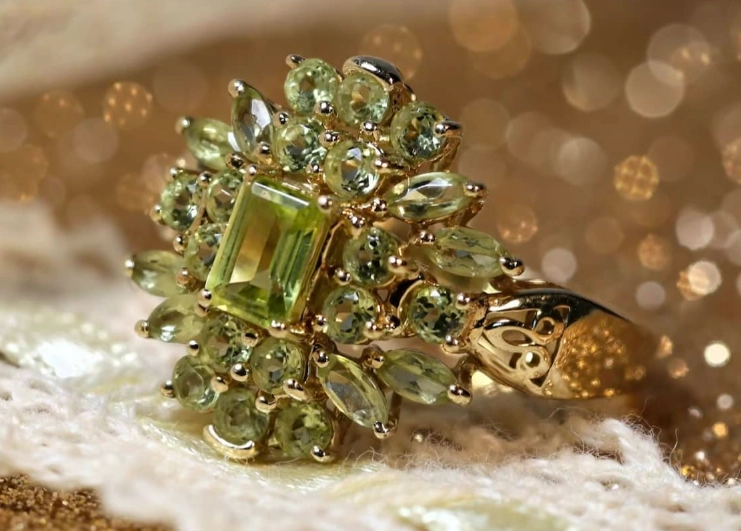
Historical Significance of Sardonyx
Sardonyx dates back to Roman times, used in signet rings and talismans. The bands were thought to strengthen relationships, hence its link to August weddings. However, modern gemologists like those at the International Gem Society point out that its durability made it practical for engraving, not just symbolism. That's a key insight: sardonyx's value isn't just in color, but in function.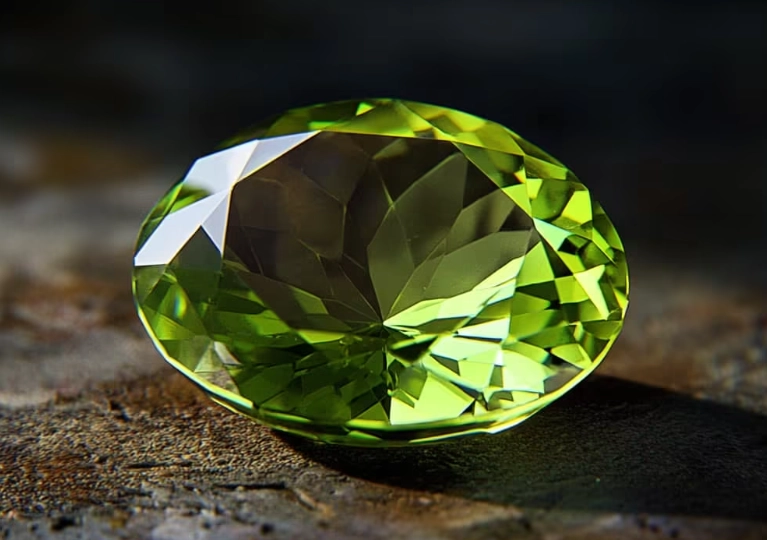
Common Mistakes When Buying August Birthstone Jewelry
I've seen buyers overspend on poor-quality stones because they focused solely on color. One big error: assuming darker peridot is better. Actually, a too-dark peridot can look muddy and lose its sparkle. Another pitfall—ignoring the setting. A sardonyx in a flimsy setting will chip easily, ruining those beautiful bands.
Avoiding Overpriced or Low-Quality Gems
Always ask for certification, especially from reputable labs like GIA. For peridot, check for inclusions—small black spots are common, but too many weaken the stone. With sardonyx, inspect the bands under a loupe; if they're uneven or faded, it's likely low-grade. I once bought a "bargain" sardonyx online, and the bands were painted on. It peeled off in weeks. Now, I stick to trusted sellers who provide detailed photos and return policies.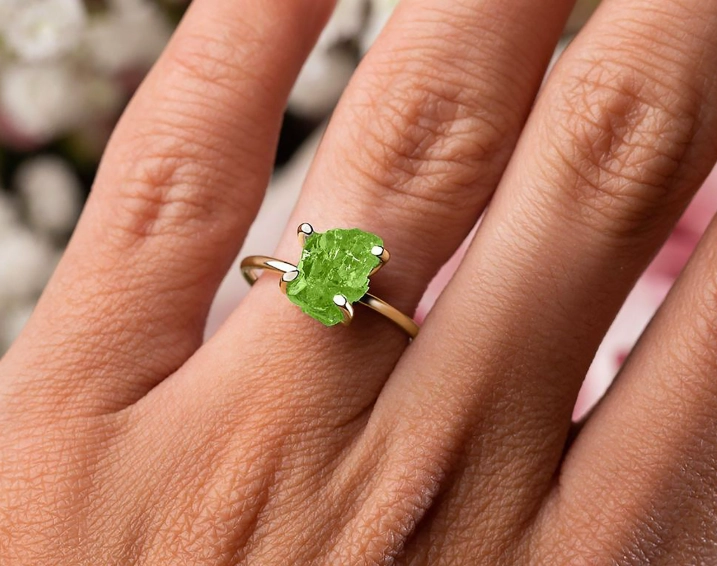
Pro Tip: When shopping online, request a video of the gem in natural light. Static images can hide color flaws, especially for peridot's shifting hues.
FAQ: Your Questions Answered
Wrapping up, the August birthstone color story is richer than a simple swatch. Whether you're drawn to peridot's vibrant green or sardonyx's layered bands, understanding these hues helps you make informed choices. Remember, color isn't just aesthetics—it's about how the gem fits your life and style. If you take one thing away, let it be this: always inspect in natural light and ask questions. Your birthstone should be a joy, not a regret.