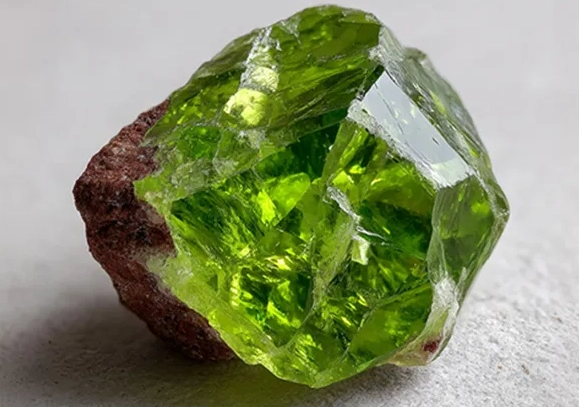
That vibrant, lime-green gem you see in August birthstone jewelry? That's peridot. Its meaning goes way deeper than just being a pretty summer color. For centuries, this gem has been wrapped in stories of protection, inner strength, and new beginnings. If you're an August baby, considering a peridot gift, or just drawn to its unique glow, understanding the peridot birthstone meaning can add a whole new layer of appreciation. It's not just a stone; it's a piece of sunlight captured in the earth, believed to carry the power to lighten your spirit.
What You'll Discover in This Guide
What is the Meaning of the Peridot Birthstone?
At its core, the peridot birthstone meaning is about renewal and protection. Think of it as nature's reset button. Its signature green color, ranging from yellowish-green to a deeper olive, is directly linked to themes of growth, prosperity, and the heart. Many believe it helps to clear away negative energy—like jealousy, anger, or resentment—making space for more positive feelings. It's often called the "stone of compassion."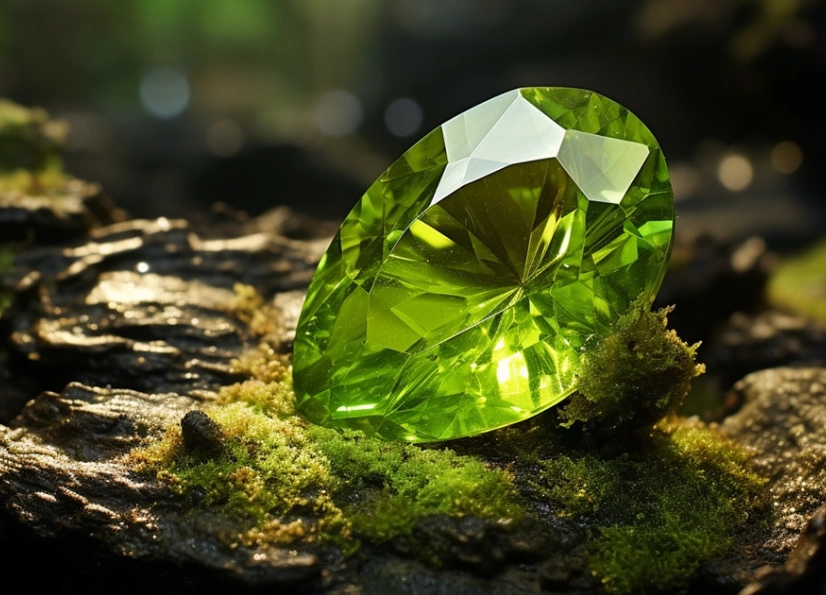
For August birthdays, it symbolizes the warmth and abundance of late summer. It's a gem that encourages you to embrace change, let go of what's holding you back, and step into a new chapter with confidence. Whether you take the metaphysical beliefs literally or see them as beautiful symbolism, the peridot's message is universally appealing: move forward with a light, open heart.
Peridot's History & Symbolism Across Cultures
Peridot's story is ancient and global. It's one of the oldest known gemstones.
Ancient Egypt & The "Gem of the Sun"
The Egyptians mined peridot on Zabargad Island in the Red Sea over 3,500 years ago. They called it the "gem of the sun," believing it could ward off night terrors and evil spirits when set in gold. Cleopatra's famous emerald collection? Historians from the Smithsonian Institution suggest some of those stones were likely peridots. Egyptians saw its glow as a piece of their sun god Ra's power.
Hawaiian Tradition & Pele's Tears
In Hawaii, peridot crystals found in volcanic ash are revered as the tears of Pele, the goddess of volcanoes and fire. These gems symbolize the creative and destructive power of nature, born from the raw heat of the earth. Locals view them as sacred, powerful tokens of the land.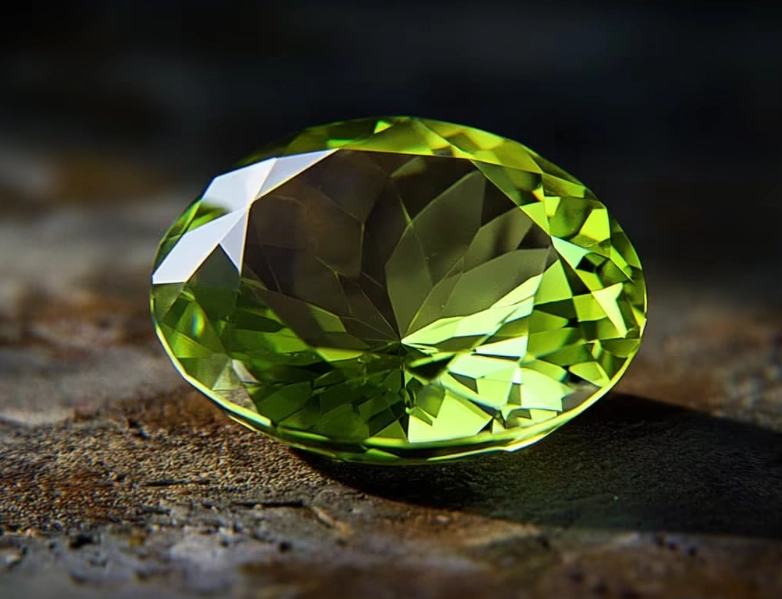
Medieval Europe & Church Treasures
During the Middle Ages, peridot was brought to Europe by Crusaders. It became popular in church reliquaries and was believed to strengthen the power of any medicine when ground into powder (a practice we definitely don't recommend today!). It was thought to glow with its own inner light, making it a symbol of divine grace.
A quick note: For a long time, any green stone was called an "emerald." This includes many historical references to "emeralds" that gemologists now believe were actually peridots. It's a classic case of mistaken identity that adds to its mystique.
Peridot Healing & Metaphysical Properties
In crystal healing and metaphysical circles, peridot is a powerhouse. It's primarily associated with the heart chakra, but its influence is said to extend further. Here’s a breakdown of its commonly cited properties.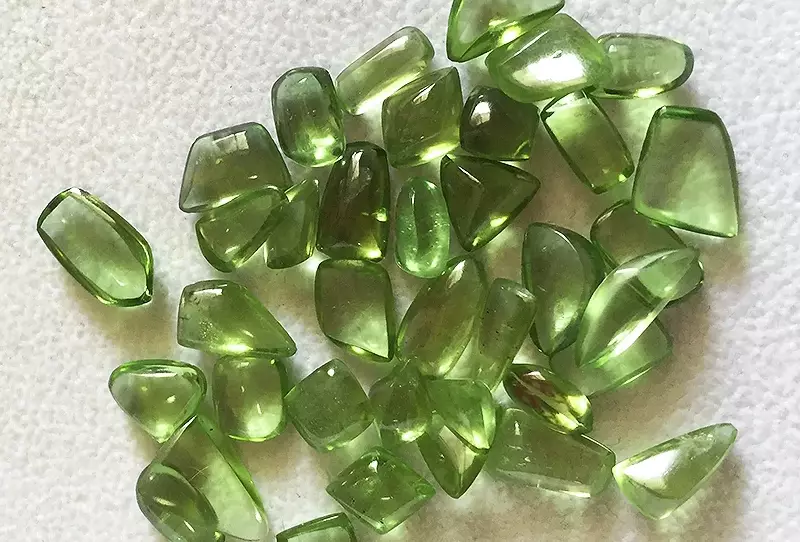
| Property Area | Commonly Associated Benefits |
|---|---|
| Emotional Healing | Releasing old baggage, guilt, and jealousy. Fostering forgiveness (of self and others), boosting self-esteem, and attracting positive relationships. |
| Physical Association | Traditionally linked to supporting detoxification, improving digestion, and strengthening the immune system. It's also thought to aid with sleep issues related to stress. |
| Spiritual & Energetic | Cleansing the aura, enhancing meditation, and connecting one with nature's cycles. Believed to attract prosperity and good luck. |
How do people use it? Some wear it as jewelry to keep its energy close. Others place a raw stone on their desk to combat work stress or hold one during meditation to focus on heart-centered intentions.
I've spoken to collectors who swear by keeping a peridot in their pocket during stressful times. One told me, "It doesn't magically solve problems, but it feels like a calming touchstone that reminds me to breathe and not get bogged down." That's the practical side of these beliefs—it's a physical reminder of an intention you've set.
How to Care for Your Peridot Jewelry
Here's where many people go wrong. Peridot isn't the most delicate gem, but it has specific needs. Ignoring them can lead to a dull, scratched stone.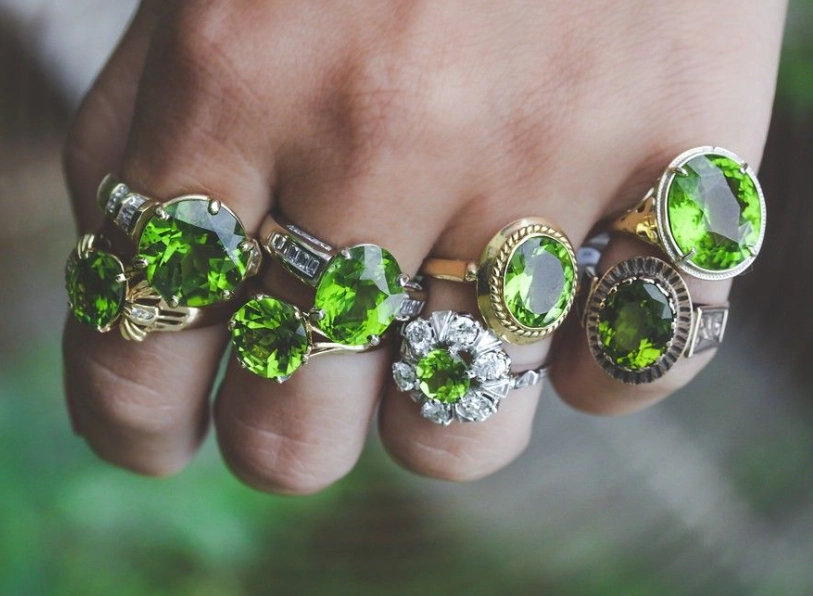
The Hardness Reality (It's Softer Than You Think)
Peridot ranks 6.5 to 7 on the Mohs scale of hardness. For comparison, quartz (in dust) is a 7. This means everyday dust and grit can scratch peridot if you're not careful. Never store it loosely in a jewelry box with diamonds, sapphires, or even other metal pieces that can rub against it.
Cleaning: Warm Water, Mild Soap, and a Soft Brush
Forget ultrasonic cleaners and steamers. The vibrations and sudden heat can cause fractures in peridot. The safest method is the simplest:
- Use lukewarm water with a drop of mild dish soap.
- Gently scrub with a soft-bristled toothbrush (a baby toothbrush is perfect).
- Rinse thoroughly with lukewarm water.
- Pat dry with a soft, lint-free cloth.
Storage & Daily Wear Tips
Keep peridot jewelry in a fabric-lined box or a separate soft pouch. Take it off before doing household chores, gardening, swimming (chlorine is bad), or hitting the gym. Chemicals, sudden temperature changes, and hard knocks are its enemies.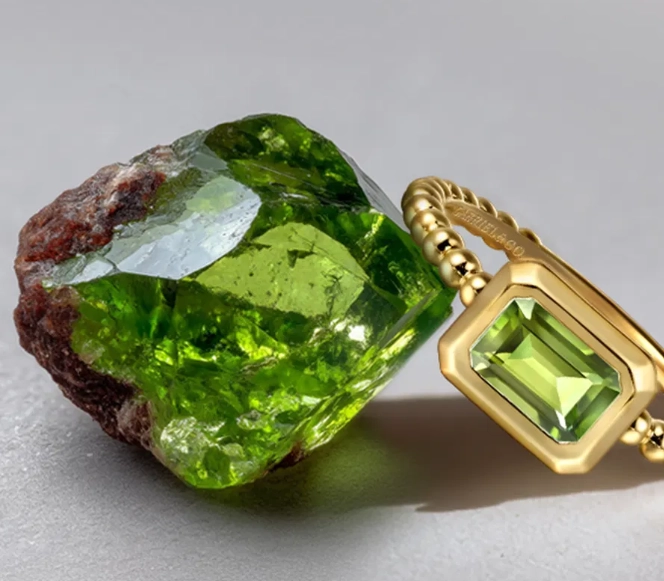
I learned this the hard way years ago with a peridot ring I wore daily. After a few months, the surface had tiny abrasions that clouded its brilliance. Now, I treat it like the special occasion gem it deserves to be.
Common Peridot Myths & The Truth
Let's clear up some confusion. The peridot birthstone meaning gets tangled with a few persistent myths.
Myth 1: "Peridot is a type of emerald." Absolutely not. They are completely different minerals. Emerald is a green variety of beryl, while peridot is a variety of the mineral olivine. Their chemical makeup is different, and peridot is only ever green, while emerald's green comes from trace elements.
Myth 2: "All peridot is cheap and low-quality." This is a huge misconception. While smaller, yellowish stones are abundant and affordable, high-quality peridot with a rich, saturated lime-green color and good clarity can be quite valuable. Large, clean stones over 10 carats are rare and command high prices from collectors. The American Gem Trade Association (AGTA) notes that fine peridot is a respected gem in the trade.
Myth 3: "It's too soft for everyday rings." It's a matter of setting and expectation. A peridot in a protective bezel or halo setting can handle daily wear with care. But a high, prong-set solitaire peridot ring is asking for trouble. It's perfect for pendants, earrings, and occasional-wear rings.
Buying Peridot: What You Need to Know
If you're looking to buy peridot, knowing what to look for will help you get the best stone for your budget.
Color is King: The most valued color is a pure, vibrant "lime" or "grass" green without too much brown or yellow undertones. The saturation should be strong. A pale, washed-out green is less desirable.
Clarity Matters: Peridot often has tiny inclusions called "lily pads" (chromite crystals surrounded by stress fractures). A few are expected and can be a sign of natural origin. However, look for stones that are "eye-clean"—meaning no visible inclusions to the naked eye—for the brightest sparkle.
Cut & Carat: A good cut maximizes the stone's brilliance. Peridot is commonly cut into ovals, rounds, and cushions. Larger stones are available, but color quality should be your priority over size.
Always ask the seller about the origin if that's important to you. Major sources today include Pakistan, Myanmar, China, and the United States (Arizona). A reputable dealer should be able to provide this information. For significant purchases, consider a report from a lab like the Gemological Institute of America (GIA), though it's less common for peridot than for diamonds or rubies.