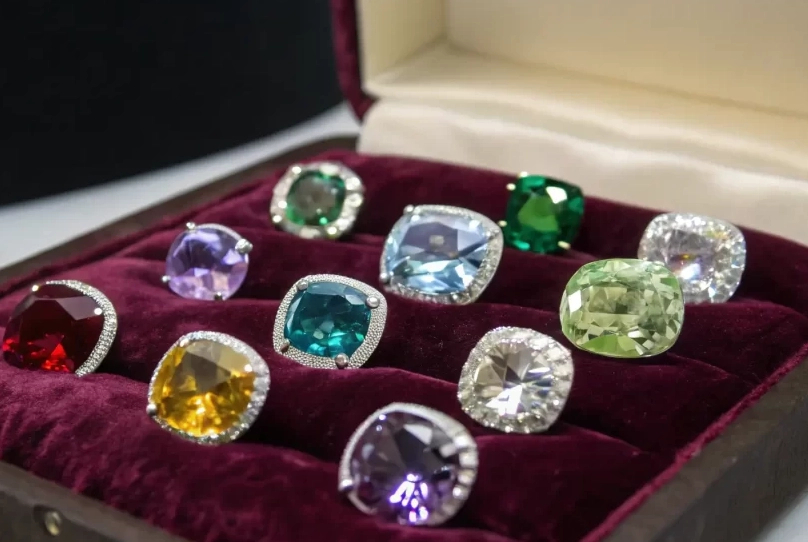
Let's be honest. You've seen that beautiful green stone in the jewelry case. You know it's the August birthstone. You might even want to buy a piece. But when you try to say the name out loud, you freeze. Is it "PEAR-ih-doe"? "Peh-rih-DOT"? The hesitation is real, and it can make a trip to the jeweler feel like a pop quiz.
This guide is here to end that anxiety for good. We're going to break down the correct pronunciation of "peridot" so clearly that you'll say it with confidence. But we won't stop there. Knowing how to say it is step one. Understanding what makes this gem special, how to pick a good one, and why its pronunciation has been so tangled up for centuries is where the real fun begins.
In This Article
What Exactly Is a Peridot?
Peridot is the gem-quality variety of the mineral olivine. It's one of the few gemstones that comes in essentially one color: a vibrant, grassy green to yellowish-green. Unlike emeralds or rubies, which get their color from trace impurities, peridot's signature hue comes from the basic chemical composition of the mineral itself—iron. No iron, no peridot green.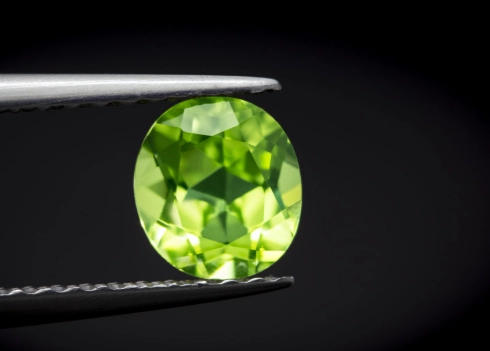
It's an ancient gem. Egyptians mined it over 3,500 years ago on an island in the Red Sea called Topazios (now Zabargad or St. John's Island). They called it the "gem of the sun." Today, major sources include Arizona in the US, China, Pakistan, and Myanmar. Some peridot even comes from outer space, found in pallasite meteorites.
Quick Identity Check: If you see a consistently lime-green, olive-green, or yellowish-green gem that isn't emerald (which is a deeper, bluer green) and isn't glassy like green quartz, you're probably looking at a peridot. Its color is its most defining feature.
Why Is the Pronunciation So Confusing?
The confusion isn't your fault. It's baked into the word's history. "Peridot" comes to English via Old French (peritot), but its ultimate origin is unclear—possibly from the Arabic word faridat, meaning "gem."
Here’s the twist that trips everyone up: For centuries, the standard English pronunciation ended with a silent 't'. Think "PEAR-ih-doe." This is the pronunciation you'll still hear from many older gemologists, in some regions of the UK, and in historical contexts. It has a certain old-world charm.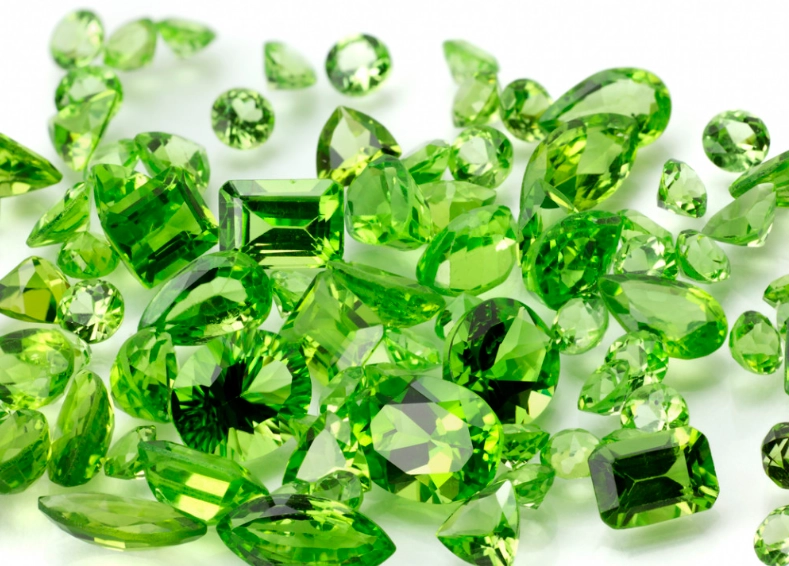
However, language evolves. In modern American English and increasingly in international gem trade circles, the pronunciation has shifted to reflect the spelling. The 't' is now pronounced. The shift makes logical sense—we say the 't' in words like "apricot" and "patriot." This newer pronunciation is now considered standard by major authorities like the Gemological Institute of America (GIA) and Merriam-Webster dictionary.
So when you hear two different versions, you're not hearing one right and one wrong. You're hearing a language change in action. But for clarity and modern usage, we have a clear winner.
The Correct Pronunciation of Peridot, Explained
The Standard Modern Pronunciation:
PAIR-uh-dot or PEAR-uh-dot
/ˈpɛr.ə.dɑːt/ (International Phonetic Alphabet)
Break it down into three clear syllables: PAIR (like a pair of shoes) - uh (a soft schwa sound) - DOT (like a dot on a page).
Say it with me: PAIR-uh-dot. The stress is firmly on the first syllable. The last syllable is crisp, not drawn out.
Common Mispronunciations to Avoid
Let's clear the deck of the common errors. Knowing what not to say is half the battle.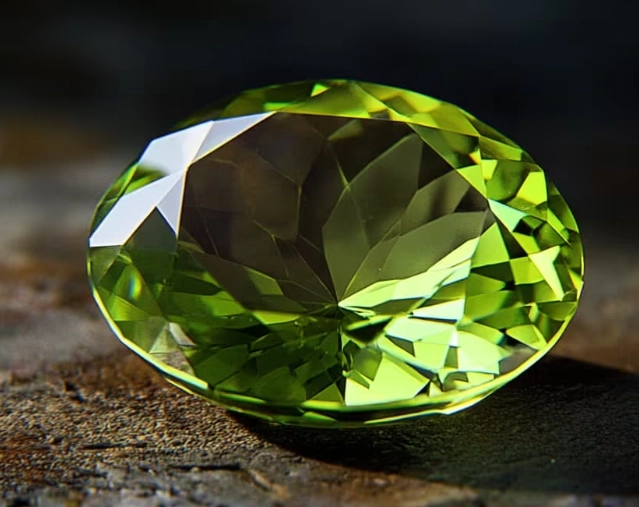
"PEAR-ih-doe" / "PAIR-ih-doe": This is the old-fashioned, silent 't' version. While not "wrong" historically, using it today in a jewelry store might mark you as using an outdated term or cause a momentary confusion with a younger sales associate. It's like pronouncing "forehead" as "FOR-hed" instead of "FOR-id." Some purists love it, but it's not the current standard.
"Peh-rih-DOT" or "Per-ih-DOT": This is the big one. Putting the emphasis on the last syllable (dot) is the most common mistake I hear. It sounds awkward and immediately identifies you as unsure. The gem doesn't like being shouted at the end.
"Perry-dot": Smushing the first two syllables together. Avoid this.
A little memory trick? Think of the phrase: "A PAIR of green DOTs." That gets the stress and the final 't' sound right.
Beyond the Name: Key Characteristics of Peridot
Now that you can say it, what are you actually talking about? Here’s what makes peridot stand out in the gem world.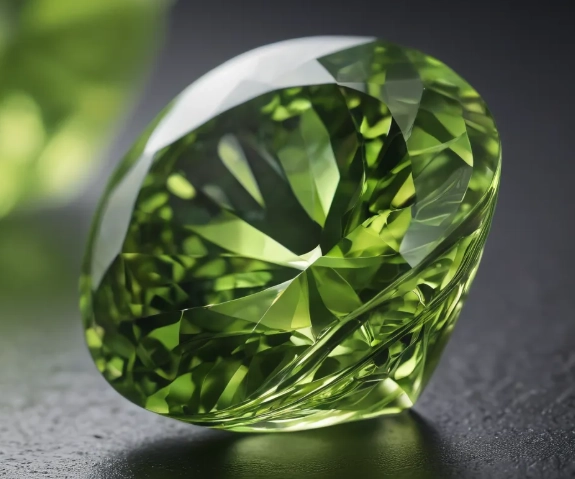
Color is King: From a soft, buttery yellow-green to a deep, intense olive or lime green, the color is everything. The most valued peridots are a pure, vibrant grass green without any brown or yellow undertones. The intensity of the color matters more than the darkness or lightness.
Clarity Matters: Eye-clean peridots (no visible inclusions to the naked eye) are common and expected for a good quality stone. However, tiny black chromite crystal inclusions are so typical they're almost a fingerprint for natural peridot. If a stone is completely flawless under magnification, be a little curious about its origin.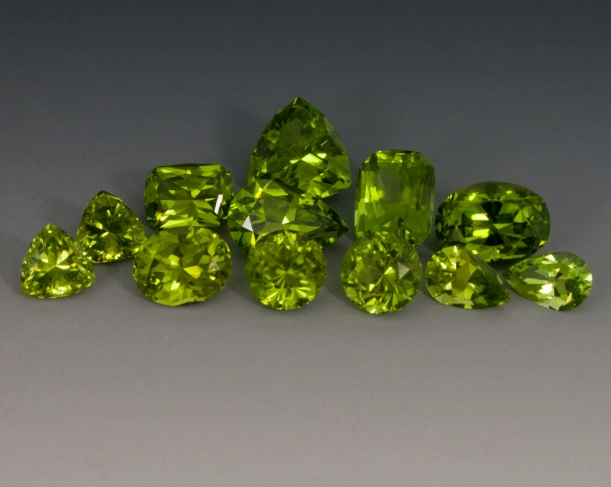
It's Not as Soft as You Think: Peridot ranks 6.5 to 7 on the Mohs scale of hardness. That's harder than glass or an opal, but softer than quartz, topaz, or sapphire. This means it's suitable for everyday wear in protective settings like earrings or pendants, but for an engagement ring or a right-hand ring that will see knocks, a bezel or halo setting is a smarter choice than a prong setting that exposes the girdle.
A Sunshine Gem: Peridot looks best in daylight or under fluorescent light. Incandescent (tungsten) light can bring out more yellow tones. When shopping, ask to see the stone under different light sources.
How to Choose a Quality Peridot
You're at the counter, confident in your pronunciation. Here’s how to shift the conversation to quality.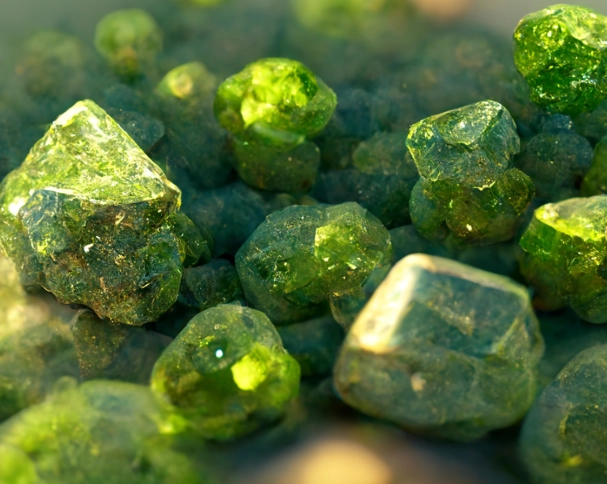
Forget the 4Cs in the diamond sense. With peridot, the hierarchy is different.
1. Color: This is 80% of the decision. Look for a rich, saturated green. Ask yourself: Does it look lively, or kind of muddy? Hold different stones side by side. The one with the most vivid, pure green hue is typically the better stone, even if it's slightly smaller.
2. Clarity: Look for a stone that is clean to your eye. Hold it at a normal reading distance (about 12 inches). If you can't see any black specks or veils, it's fine. Don't pay a premium for loupe-clean perfection; it's unnecessary with this gem.
3. Cut: A good cut brings out peridot's brilliance. Look for symmetrical facets and a stone that reflects light back at you evenly, without a "dead" spot in the center (called a window). Peridot is often cut in oval, round, or cushion shapes. The classic emerald cut is less common but can be stunning.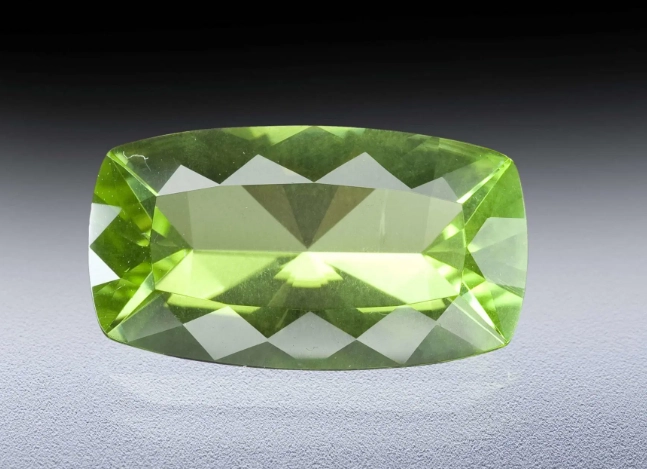
4. Carat Weight: Peridot is relatively abundant in smaller sizes. Stones over 10 carats with good color are rarer and command higher prices per carat. For most people, a 1-3 carat stone in a beautiful green makes a fantastic, affordable statement piece.
One specific, non-consensus tip I'll give you: Be wary of stones that are an impossibly dark, forest green. The finest peridot is a bright green, not an emerald substitute. Some very dark stones might be lower-quality material where thickness is used to deepen a pale color, killing the brilliance. Always look for life in the color.
And if you're ever on the Big Island of Hawaii, visit Papakōlea (Green Sand) Beach. The sand is literally olivine crystals eroded from the surrounding cliffs. It's not gem quality, but holding that green sand in your hand connects you to the raw material in a way a jewelry store never can.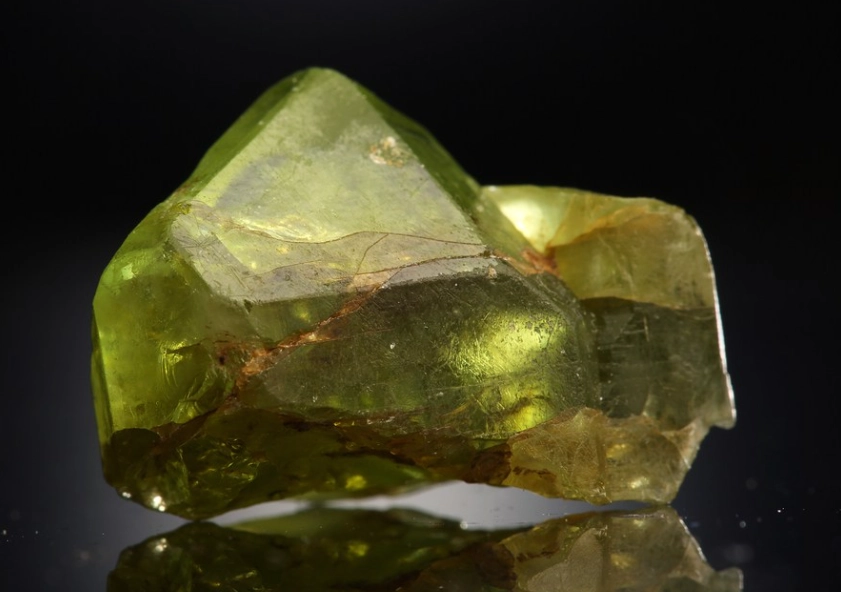
Your Peridot Questions, Answered
I'm in a jewelry store and blank. What's the safest way to ask to see peridot?
Just say "PAIR-uh-dot" clearly and with a smile. If you're nervous, point and say, "Could I see that green stone, the peridot?" Using the name correctly shows you're informed, which often leads to better service. If the salesperson corrects you to "PEAR-ih-doe," you can simply nod and say, "Ah, the classic pronunciation," and move on. You're both right, but you're using the modern standard.
Is peridot just a cheap alternative to emerald?
Not at all. That's a common misconception. Peridot is its own gem with a unique history and identity. Emeralds are a deeper, often bluish-green and are famously included. Peridot is a brighter, yellower green and is often much cleaner. While generally more affordable than high-quality emerald, a fine peridot is valued for its own cheerful color and brilliance, not as a stand-in. It's like comparing a lime to a green apple—both green, but distinctly different.
Can peridot get wet or can I wear it every day?
Water won't hurt it. Cleaning with mild soap, warm water, and a soft brush is safe. The issue is physical abrasion. Its 6.5-7 hardness means it can be scratched by common dust (which contains quartz particles at hardness 7). For a daily-wear ring, choose a protective setting. For earrings or a pendant, wear it as often as you like. Just take it off before gardening, lifting weights, or any hard impact.
Why does some peridot look yellowish?
The color range of peridot is tied to its iron content. More iron generally means a richer, purer green. A lower iron content or the presence of other elements can push the color toward a yellow-green or even a brownish-green. The yellowish stones are still peridot, just lower on the color saturation scale. Personal preference plays a big role—some people love that lemony hue.
Is peridot a valuable gemstone?
It sits in the mid-range of the gem world. You can find lovely small peridots for under $100 per carat. Fine quality stones over 3-5 carats with excellent color can reach $400-$800 per carat. It's not in the league of ruby, sapphire, or emerald, but its unique color and long history give it enduring value and appeal. It's an accessible way to own a large, colorful gem with personality.