Peridot symbolizes new beginnings, protection, and prosperity. If you're here, you probably saw that vibrant green gem and wondered what it means. I've been collecting and studying gemstones for over a decade, and peridot is one of those stones that often gets overlooked—but it shouldn't. Let's dive into the real symbolism behind peridot, beyond the basic birthstone facts you find everywhere.
What You'll Learn in This Guide
The Basics: What Is Peridot?
Peridot is a gem-quality form of the mineral olivine. It's one of the few gemstones that comes in only one color: a lush green that ranges from yellowish-green to olive green. The intensity depends on iron content. Most peridot forms deep in the Earth's mantle and gets brought to the surface by volcanic activity. Major sources include Pakistan, Arizona in the US, and Myanmar.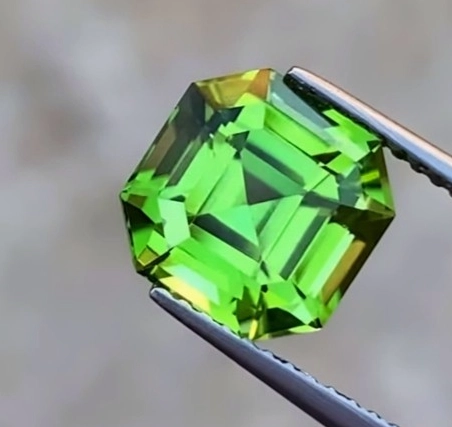
I remember my first peridot piece—a small ring from a local jeweler. It wasn't expensive, but the color caught my eye. Many people think peridot is cheap, but high-quality stones from Pakistan can rival emeralds in vibrancy. The Gemological Institute of America (GIA) has detailed charts on peridot grading, which I often refer to when buying.
Fun fact: Peridot is the birthstone for August, but it's also associated with the 16th wedding anniversary. That makes it a popular choice for anniversary gifts, though I've seen couples shy away because they think it's too soft. More on that later.
The Symbolic Meanings of Peridot
Peridot's symbolism isn't just about beauty; it's rooted in centuries of belief. Here’s a breakdown of what this gem really means.
New Beginnings and Growth
The green color ties peridot to nature, renewal, and growth. In ancient times, it was thought to bring springtime energy year-round. If you're starting a new job, moving, or making a life change, peridot is said to encourage positive transitions. I've gifted peridot to friends after major milestones, and they often report feeling a subtle boost in confidence.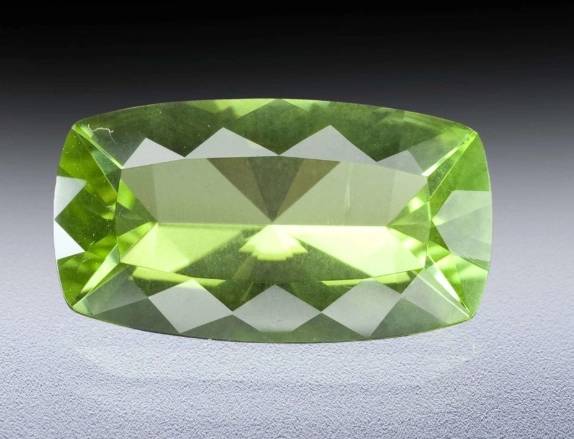
Protection and Healing
Historically, peridot was used as a protective talisman against evil spirits and nightmares. Some cultures believed it could ward off anxiety. Modern crystal healers claim it aids digestion and reduces stress, but take that with a grain of salt. From a practical standpoint, wearing peridot might remind you to stay grounded—a psychological effect rather than magical.
Wealth and Prosperity
Linked to abundance, peridot was called the "gem of the sun" by Egyptians. It's thought to attract wealth and success. In my experience, this symbolism makes peridot popular in business settings. I know a entrepreneur who wears a peridot pendant during negotiations, not for luck, but as a personal motivator.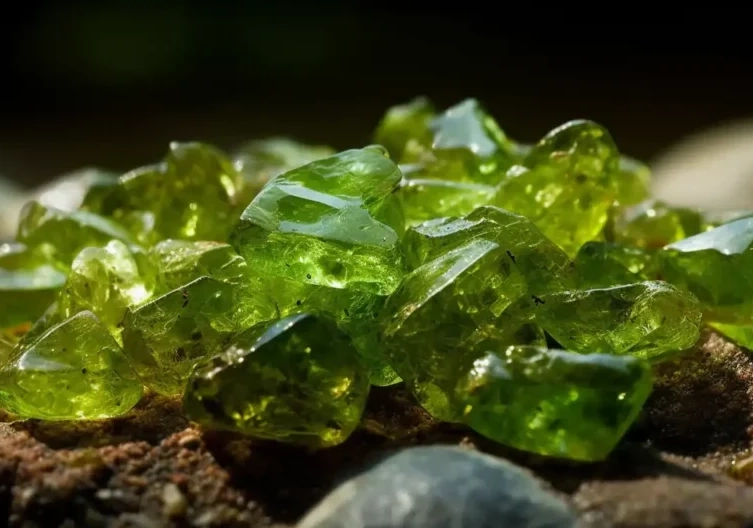
Peridot in History and Culture
Peridot has a rich backstory. The ancient Egyptians mined it on Zabargad Island in the Red Sea, calling it the "gem of the sun." They used it in talismans and believed it protected against terrors of the night. In Hawaii, peridot is considered the tears of the volcano goddess Pele, symbolizing creation and destruction.
During the Middle Ages, peridot was brought to Europe by Crusaders and often confused with emerald. The Shrine of the Three Kings in Cologne Cathedral reportedly contains peridot, mistaken for emeralds for centuries. This mix-up shows how peridot's value has been underestimated.
I visited a museum in London that had a peridot necklace from the Victorian era. The curator pointed out that peridot was favored for its affordability, but today, rare large stones can fetch high prices. The American Gem Trade Association (AGTA) provides historical insights on gem trends, noting peridot's resurgence in artisan jewelry.
How to Choose Peridot Jewelry: A Practical Guide
Choosing peridot isn't just about picking a green stone. Here’s what to look for, based on my years of buying and selling gems.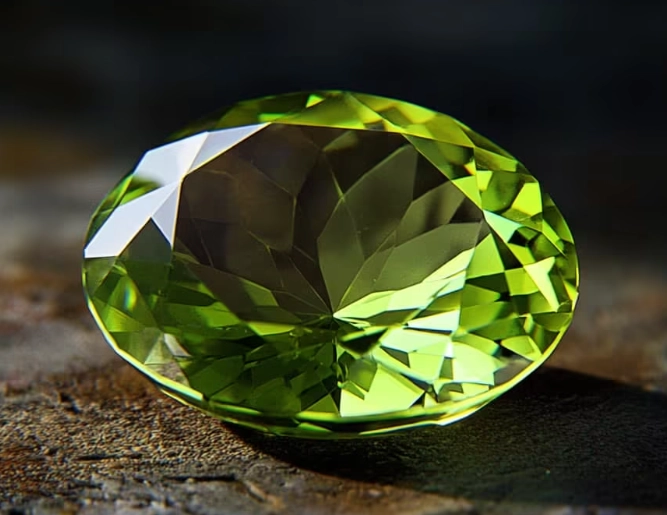
Color: The best peridot has a pure green hue without brownish tones. Yellowish-green is common, but a vivid lime green is more valuable. I always examine stones in natural light—artificial lighting can mask flaws.
Clarity: Peridot often has visible inclusions, like lily-pad patterns. Some inclusions add character, but avoid stones with cracks that might weaken them. For earrings or pendants, minor inclusions are fine; for rings, go for clearer stones since they'll face more wear.
Cut: A good cut enhances the color. Oval and cushion cuts are popular, but I've seen stunning custom cuts that make peridot pop. Avoid shallow cuts that make the stone look washed out.
Setting: Peridot has a hardness of 6.5-7 on the Mohs scale, so it's softer than diamonds or sapphires. Choose protective settings like bezels for rings. I made the mistake of buying a peridot ring in a prong setting—it snagged on everything. Now, I recommend semi-bezel or halo settings for daily wear.
Price: Peridot is generally affordable, but prices vary. Expect to pay $50-$200 per carat for good quality. Rare large stones over 10 carats can cost more. Always buy from reputable sellers; check reviews or ask for certification from labs like GIA.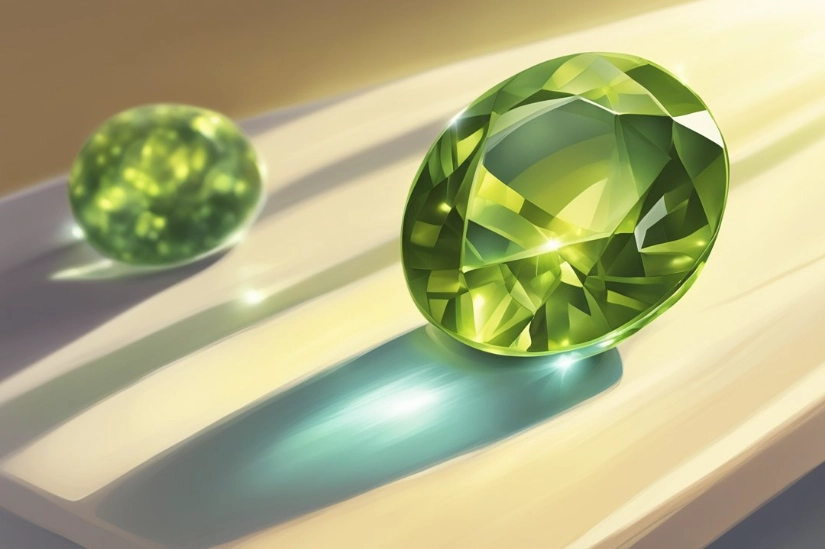
Pro tip: If you're buying peridot as a gift, consider the recipient's style. Peridot pairs well with yellow gold for a vintage look or white gold for modern appeal. I've found that smaller stones in stackable rings are trending right now.
Caring for Your Peridot: Dos and Don'ts
Peridot requires gentle care. I've ruined a piece by being careless, so learn from my mistakes.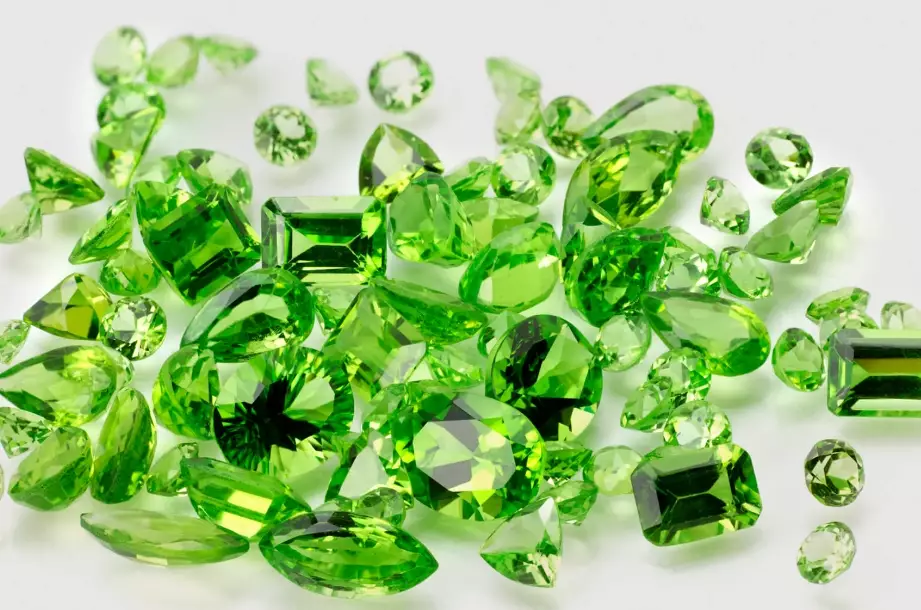
Do: Clean peridot with warm soapy water and a soft brush. Store it separately in a fabric-lined box to prevent scratches. Remove it during physical activities or when using harsh chemicals.
Don't: Use ultrasonic or steam cleaners—they can damage the stone. Avoid sudden temperature changes, which can cause fractures. I once left a peridot necklace in a hot car, and it developed tiny cracks.
Peridot can fade with prolonged exposure to strong sunlight, so don't store it on a sunny windowsill. If you wear it daily, inspect the setting periodically for loosening.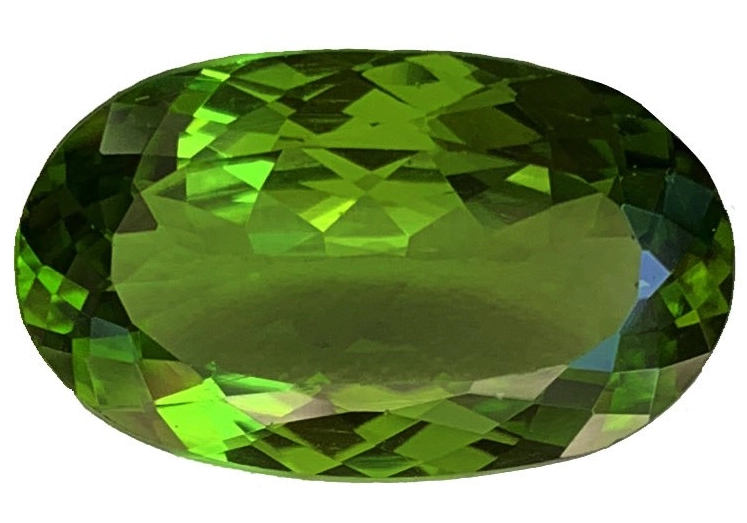
Frequently Asked Questions About Peridot Symbolism
Peridot's symbolism is as vibrant as its color. Whether you're drawn to it for birthstone reasons or deeper meanings, this gem offers a unique blend of history and personal significance. Remember, the best peridot piece is one that speaks to you—so take your time choosing, and enjoy the journey.