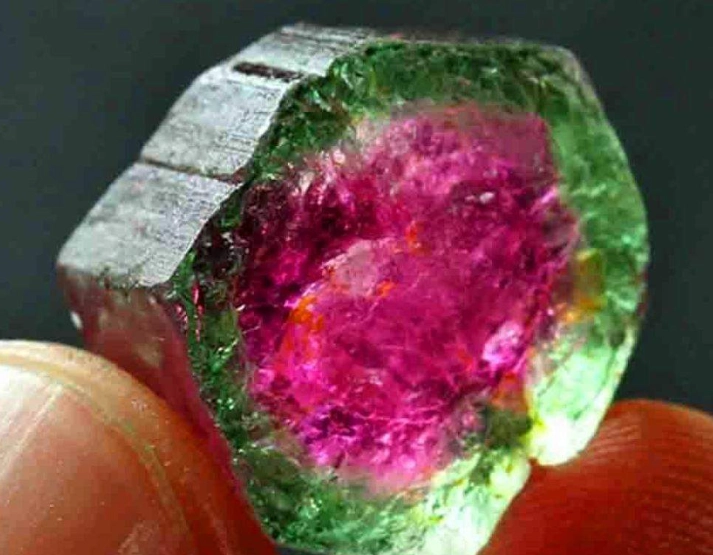
If you were born in May, your birthstone is the magnificent emerald. It's not just a pretty green rock. The May birthstone meaning is woven from thousands of years of history, mythology, and a belief in its powerful influence. It symbolizes rebirth, love, and wisdom. But there's more to it than the standard "stone of successful love" tagline you see everywhere. As someone who's worked with gems for years, I've seen people make simple mistakes when buying or caring for emeralds, misunderstanding what makes this stone truly special—and surprisingly fragile.
What You'll Discover in This Guide
What is the May Birthstone?
The May birthstone is emerald, a variety of the mineral beryl. Its iconic green color comes from trace amounts of chromium and sometimes vanadium. That's the textbook answer. What they don't always tell you is that this same chemistry makes it softer and more included than, say, a sapphire. On the Mohs scale, it's a 7.5 to 8. That sounds hard, but in the jewelry world, it's considered a stone that needs a protective setting.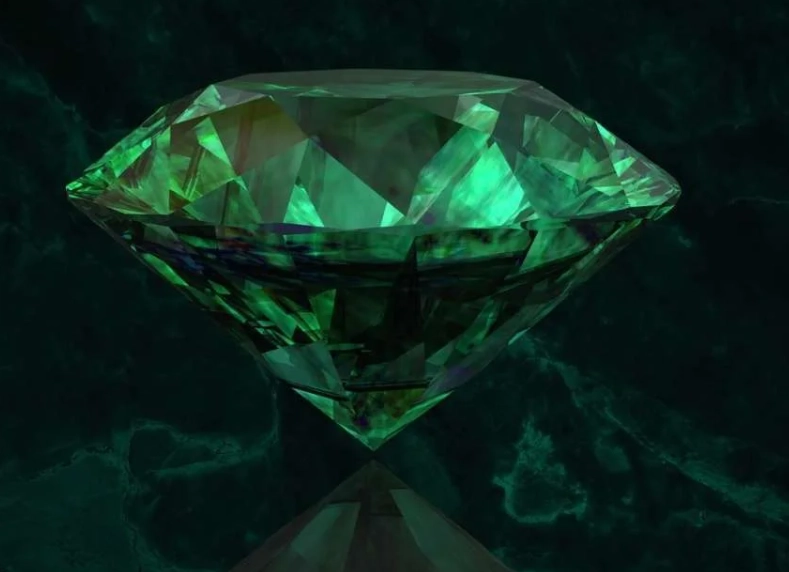
The most prized emeralds have a pure, vivid green to bluish-green hue. Too much yellow or blue, and it starts being classified as a different type of green beryl. The color should be deep, not dark. A common misconception is that a flawless, deep green emerald is the norm. It's the opposite. Almost all natural emeralds have visible inclusions—garden-like internal features that gemologists call "jardin" (French for garden). These aren't necessarily flaws; they're a fingerprint of authenticity. A completely clean emerald is extremely rare and commands an astronomical price, or it might be synthetic.
Quick Gem Profile: Emerald is a cyclosilicate. Its crystal system is hexagonal, often forming long, six-sided prisms. Major sources include Colombia (famous for its fine color), Zambia, Brazil, and Afghanistan. The value hinges on color first, then clarity and cut.
The Symbolic Meaning of Emerald
The May birthstone meaning is rich and layered. It's most famously associated with love and rebirth, making it a popular choice for engagement rings and anniversary gifts (especially the 20th and 35th). Cleopatra was famously obsessed with them. The Romans dedicated it to Venus, the goddess of love.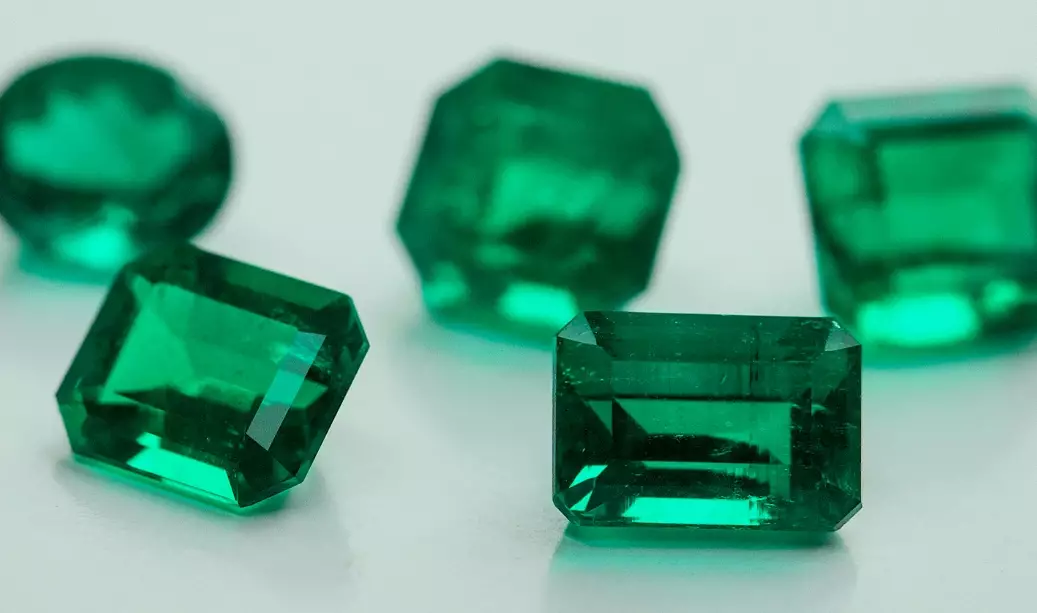
But there's a deeper, less talked-about layer. Historically, emerald was believed to enhance clairvoyance and reveal truth. It was thought to protect against memory loss and strengthen mental acuity. In many cultures, it was a talisman for travelers, guarding against fatigue and peril.
Today, in the realm of crystal healing—which I approach with a blend of historical curiosity and practicality—emerald is linked to the heart chakra. The idea is that it promotes emotional balance, compassion, and harmony. Whether you buy into the metaphysical or not, there's no denying the psychological effect of wearing a stone with such a profound history. It can feel like carrying a piece of ancient wisdom.
Here's a personal take: the "rebirth" symbolism feels apt not just for spring (May's season) but for personal growth. I've known clients who chose an emerald after a significant life change—a career shift, a healing period—as a tangible marker of their new chapter. The stone's meaning is what you project onto it as much as what history dictates.
How to Choose a Quality Emerald for Jewelry
Buying an emerald is different from buying a diamond. Applying a diamond's 4Cs rigidly will lead you astray. Let's break down what to actually look for.
Color is King (But Don't Ignore Tone and Saturation)
Everyone says "look for a vibrant green." That's too vague. You need to assess three things: Hue (the basic color—green, bluish-green, yellowish-green), Tone (how light or dark it is), and Saturation (the intensity or purity of the color). The most desirable is a medium to medium-dark tone with a vivid saturation and a hue that's primarily green, perhaps with a slight blue secondary hue. A stone that's too light looks washed out; too dark, and you lose the brilliance.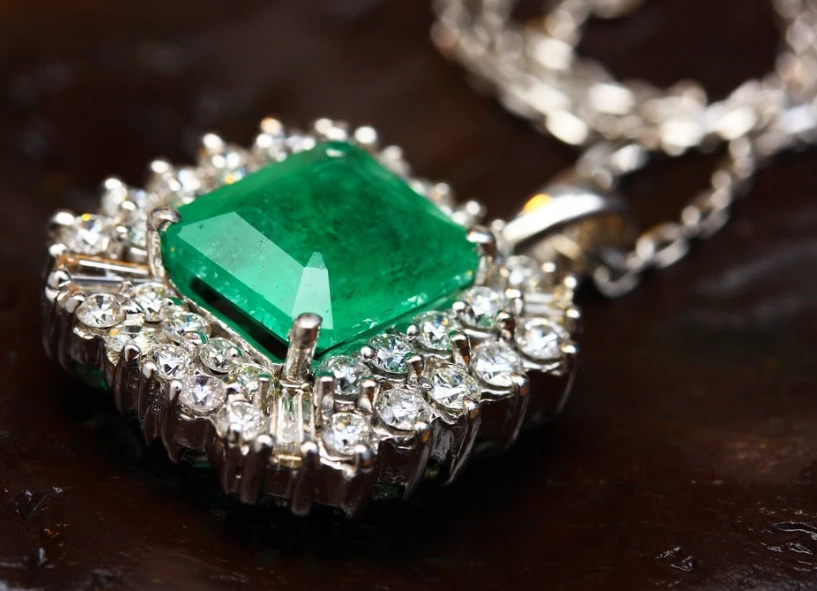
Understanding Clarity and the "Jardin"
Forget flawless. Look for a stone where the inclusions don't severely compromise the stone's durability or overall beauty. Surface-reaching fractures are a bigger concern than internal gardens. Most emeralds are treated with oils or resins to fill these tiny fractures and improve clarity. This is a standard, accepted practice in the industry. The key is disclosure. A reputable seller will tell you it's been treated. Ask about the type of treatment (cedar oil is common and considered stable) and if it requires special care.
The Cut is a Compromise
Emeralds are often cut in the signature "emerald cut" (a rectangular step cut) not just for style, but because it's a practical shape that minimizes pressure on the corners, which are prone to chipping. The cutter's goal is to maximize color, not brilliance. A well-cut emerald will have even color distribution and good symmetry, even if it doesn't sparkle like a round brilliant diamond.
| Quality Factor | What to Look For | Common Pitfall to Avoid |
|---|---|---|
| Color | Vivid, medium to medium-dark green or bluish-green. Even color distribution. | Choosing a stone that's too dark in dim lighting. View it under different light sources. |
| Clarity | Inclusions that don't threaten durability. Accept standard clarity enhancement with proper disclosure. | Rejecting a beautiful stone for having any inclusions, or buying one with obvious, ugly fractures. |
| Cut | Symmetrical facets, good polish, and a shape that protects the stone (e.g., emerald or oval cut with bezel settings). | A cut that's too shallow (washes out color) or too deep (makes it look black). Exposed, sharp corners on a ring. |
| Carat Weight | Size is a personal choice. Remember, a high-quality 1-carat emerald can be worth more than a poor-quality 3-carat stone. | Prioritizing size over all other factors. A large, lifeless emerald has little appeal. |
How to Care for Your Emerald Jewelry?
This is where most people mess up. Emeralds are delicate. That oil treatment? It means heat, harsh chemicals, and ultrasonic cleaners are your enemy.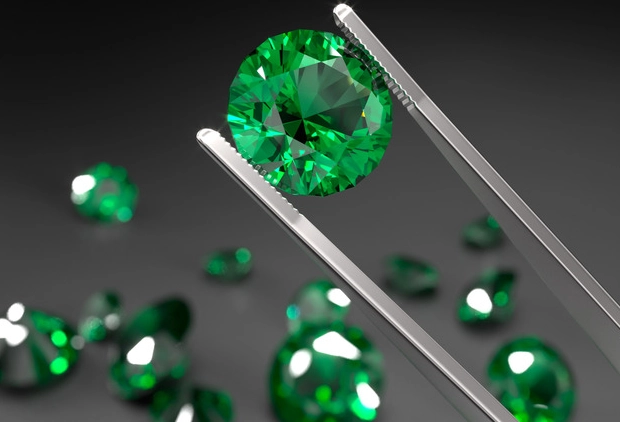
Cleaning: Use only warm, soapy water and a soft brush. Gently scrub and pat dry with a soft, lint-free cloth. Never use steam or ultrasonic cleaners; the vibrations and heat can dry out the oil in fractures, making inclusions more visible or even causing damage.
Storage: Store it separately from harder gems like diamonds, sapphires, or even metal bands that can scratch it. A soft pouch or a separate compartment in your jewelry box is essential.
Wearing: Put your emerald jewelry on after applying makeup, perfume, and hairspray. Take it off before household chores, gardening, or swimming. Chlorine and harsh detergents are particularly damaging.
I had a client once who wore her beautiful emerald ring in the shower daily for years, wondering why it became cloudy and dull. The soaps and heat steadily degraded the treatment and allowed grime to seep into micro-fractures. A professional re-oiling by a jeweler restored some of its life, but it was a costly lesson.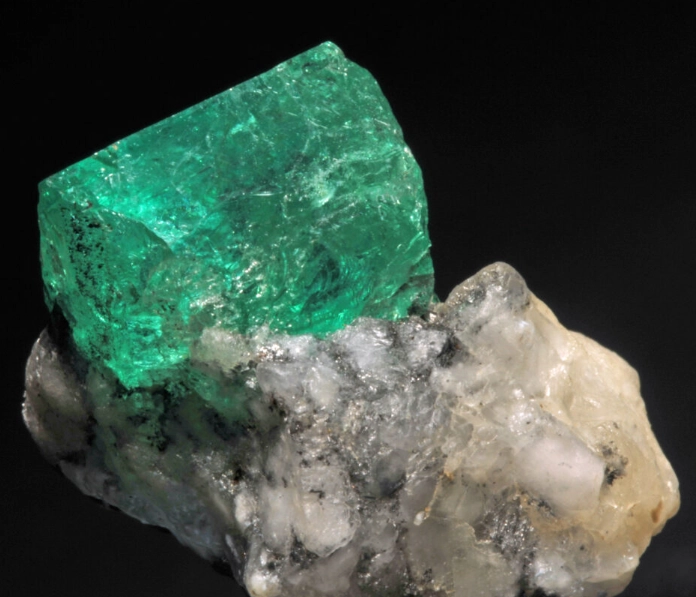
Is Emerald a Good Investment?
Like all colored gems, high-quality emeralds from top sources (like Colombian mines with documented provenance) have shown steady appreciation. According to a report by Knight Frank luxury investment index, rare colored gemstones have been a strong asset class. However, this is for investment-grade stones: exceptional color, good clarity (by emerald standards), significant carat weight, and certified by a top lab like the Gemological Institute of America (GIA) or Gübelin.
The emerald you buy at a local jewelry store for a few thousand dollars is unlikely to be a financial investment. It's a personal, emotional one. Its value is in the beauty and meaning it brings to you. If investment is your primary goal, you need to work with specialized dealers, understand the market deeply, and be prepared to tie up capital in a stone that's less liquid than stocks or gold.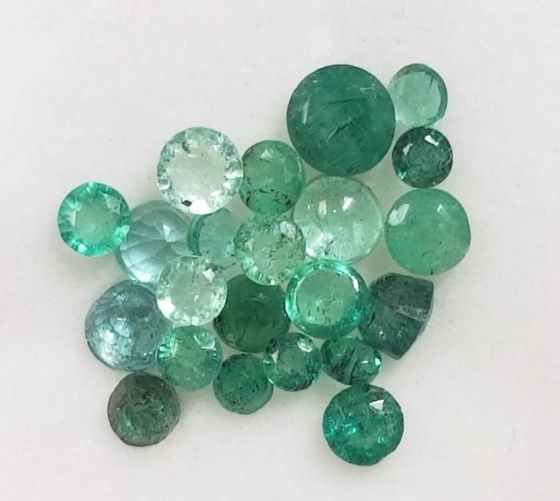
Your Emerald Questions Answered
Can I wear my emerald ring every day?
You can, but I wouldn't recommend it for an active lifestyle. If it's a must, ensure it's in a very protective setting like a bezel or a halo with strong prongs, and be hyper-vigilant about bumps. For most people, reserving a fine emerald ring for special occasions dramatically extends its life and beauty.
Are lab-created emeralds a good alternative for the May birthstone?
Absolutely. Lab-grown emeralds have the same chemical and physical properties as mined ones, often with better clarity and a lower price point. They are a fantastic, ethical choice if you love the look but are budget-conscious or prefer an option with minimal environmental impact. Just ensure it's disclosed as lab-created.
My emerald has a small crack. Did I break it?
Probably not. It's more likely an inherent fracture that was always there, possibly stabilized with oil. Changes in temperature or drying out of the treatment oil can sometimes make these more visible. Take it to a trusted jeweler for assessment. They can often re-oil it to improve its appearance.
What's the difference between an emerald and a green sapphire as a May birthstone?
They're completely different minerals. Green sapphire is a variety of corundum (like ruby and blue sapphire), is much harder (9 on Mohs scale), and is typically less included. It lacks the specific historical and symbolic weight of emerald as the traditional May birthstone. It's a more durable, often more affordable, but different aesthetic and symbolic choice.
Do I have to wear an emerald if I was born in May?
Not at all. Birthstone traditions are just that—traditions. Some people connect deeply with their traditional stone, others prefer a different gem's color or properties. Many modern lists also suggest agate for May. Choose what resonates with you. The meaning comes from your connection to the stone, not a calendar.