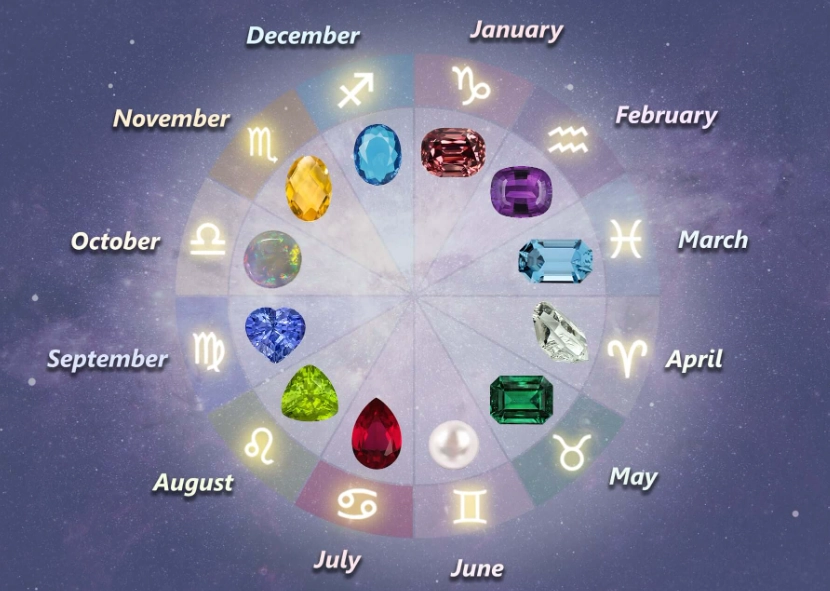
Let's cut straight to the point. If you're asking "which birthstone is opal?", the direct answer is October. Opal is one of the two modern birthstones for October, sharing the month with tourmaline. But that simple answer barely scratches the surface of what makes opal one of the most fascinating and misunderstood gems in the world of birthstones. I've been collecting and writing about gems for over a decade, and I still get a thrill seeing a fine opal's play-of-color. This guide isn't just a fact sheet; it's a deep dive into why opal holds its October spot, how to choose one, and the crucial care tips most jewelry stores gloss over.
What You'll Discover in This Guide
The Two October Birthstones: Opal vs. Tourmaline
October is unique for having two official modern birthstones. The American Gem Trade Association and Jewelers of America list both opal and tourmaline. This wasn't always the case. Historically, opal was the primary stone. Tourmaline, with its vast color range (especially the popular pink), was added later to offer more durable and affordable options. It's a classic case of tradition meeting modern market practicality.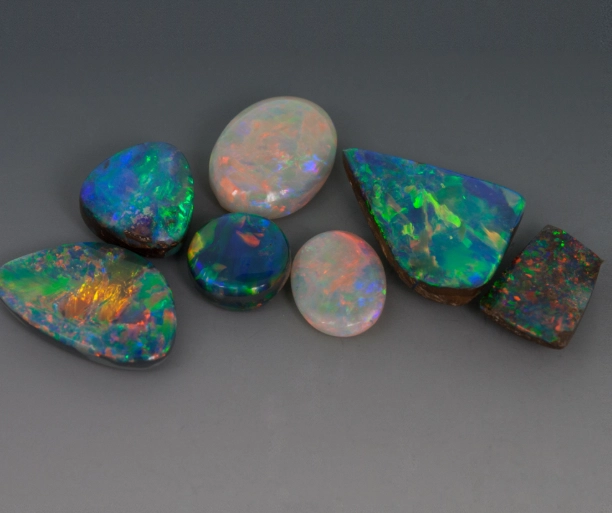
Here’s a quick breakdown of how they stack up for an October birthstone purchase:
| Feature | Opal | Tourmaline |
|---|---|---|
| Key Appeal | Unique play-of-color, fiery flashes, each stone is one-of-a-kind. | Vibrant, consistent colors (pink, green, watermelon). High clarity. |
| Durability (Mohs Scale) | 5.5 - 6.5. Softer, requires careful wear. | 7 - 7.5. Tougher, better for everyday rings. |
| Price Range | Wide. Common white opal is affordable; black or fire opal can be very expensive. | Generally moderate, but rare colors like Paraíba are extremely high. |
| Best For | Pendants, earrings, cocktail rings. Heirloom pieces. | Everyday rings, bracelets. Active lifestyles. |
| Maintenance | Avoid water, chemicals, sudden temperature changes. | Standard gemstone care. More resilient. |
Choosing between them isn't about which is "better." It's about matching the stone to the person. Does the wearer adore unique, magical flashes of color and doesn't mind a little extra care? Opal. Do they want a sturdy, colorful stone for daily knocks? Tourmaline might be the safer bet.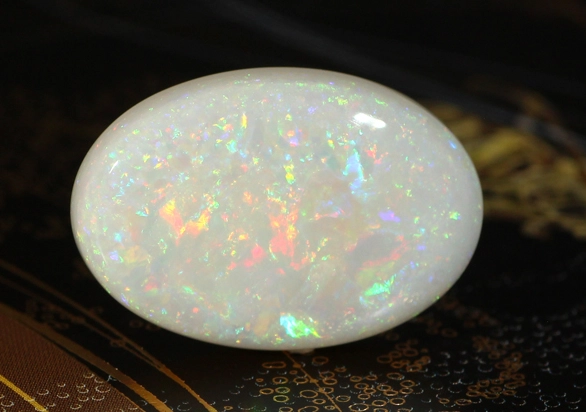
Not All Opals Are Equal: Types, Origins & Value
Calling a stone "an opal" is like saying "a painting." It tells you nothing about the masterpiece versus the poster print. The value and appearance hinge on type, body color, and play-of-color.
Black Opal vs. White Opal: The Body Tone Matters
The most expensive and sought-after opals are black opals. Don't let the name fool you; they're not literally black. They have a dark body tone (dark gray, blue, or green) that acts like a dark canvas, making the play-of-color explosions appear incredibly vivid and bright. The premier source is Lightning Ridge in Australia. A top-quality black opal with a full spectrum of red, green, and blue fire can command prices higher than diamond.
White opals have a light or white body tone. The play-of-color is softer, often pastel, against that light background. They are more abundant and generally more affordable, making them a fantastic entry point into opal ownership. Coober Pedy in Australia is famous for these.
Fire Opal: The Often-Overlooked Gem
Here's a non-consensus point: many people searching for "which birthstone is opal" don't even know fire opal exists. It's a transparent to translucent opal from Mexico that glows with warm body colors—yellow, orange, red. The key difference? It may or may not have play-of-color. A fiery orange Mexican opal with no play-of-color is still a stunning, vibrant birthstone. I have a simple fire opal cabochon ring that gets more compliments than any other gem I own because of its sheer, warm glow.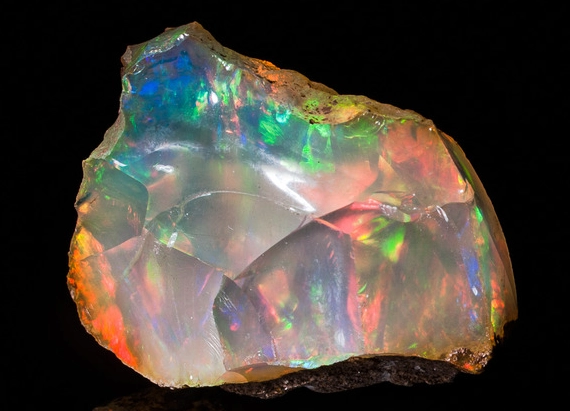
Boulder Opal & Matrix Opal: Nature's Setting
Boulder opal forms within ironstone host rock. The opal veins cut through the brown rock, creating a natural, rugged contrast. Matrix opal is where the opal infuses the pores of the host rock (often sandstone). These types are typically cut to include the host rock as part of the design. They're durable (the rock acts as a backing) and offer a unique, earthy aesthetic. Winton, Australia, produces incredible boulder opals.
A Quick Geography Lesson: While Australia dominates the opal market (~90%), don't ignore Ethiopia. Ethiopian Welo opals, discovered in 2008, are stunning hydrophane opals (they absorb water). They can display incredible play-of-color but require specific, dry care. It's a newer source shaking up the traditional market.
The Real Truth About Caring for Opal Jewelry
This is where most generic articles fail. They'll warn you opal is "delicate" and leave it at that, scaring people off. Let's be specific and practical. Opal has a water content (typically 5-10%). This makes it sensitive to sudden temperature changes (like moving from a cold car to a warm house) which can cause cracking, and to harsh chemicals.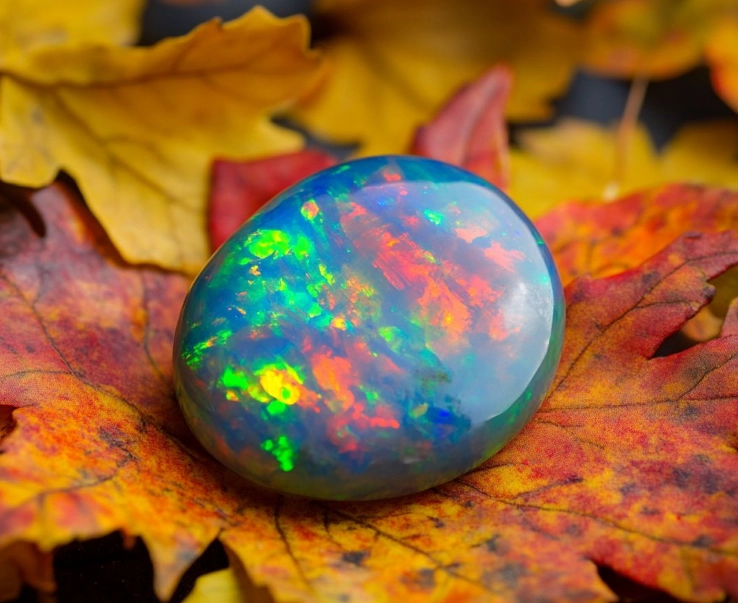
The biggest mistake I see? People soaking opal rings in ultrasonic cleaners or detergent. Never, ever do this. You'll likely ruin the stone. The safest cleaning method is a soft, damp cloth. Gently wipe it dry immediately after.
For storage, don't toss it in a dry, hot safe or a steamy bathroom. A fabric-lined jewelry box in a stable environment is perfect. If you're storing it long-term, some experts suggest placing it with a damp cotton ball in a sealed bag to prevent dehydration (called "crazing"), but for regular rotation, this isn't necessary.
Can you wear an opal ring daily? It depends. A bezel-set opal in a protective mounting, worn by someone with a desk job, can last a lifetime. For a nurse, gardener, or mechanic, a pendant is a wiser choice. It's about risk management, not an outright ban.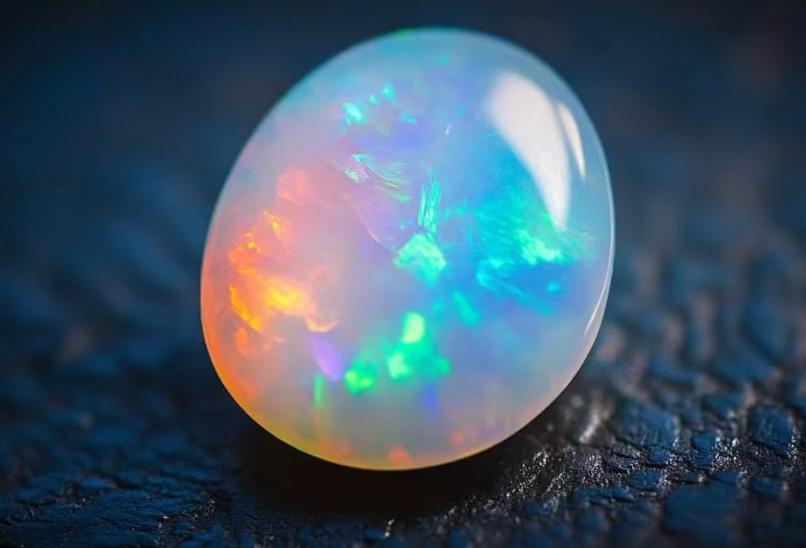
Choosing an Opal Birthstone Gift: What Actually Matters
Looking for an October birthstone gift? Forget the Four Cs of diamonds. For opal, focus on these three things:
1. The Play-of-Color: This is everything. Look for brightness, the number of colors (red is rarest), and the pattern. Do the colors dance as you move the stone? A bright, multi-colored flash is worth more than a large, dull stone.
2. The Setting: This is your durability insurance. A bezel setting (a metal rim encircling the stone) protects the vulnerable edges far better than prongs. For rings, a low profile (the stone doesn't stick up high) minimizes impacts.
3. Body Tone & Transparency: Personal preference reigns. Do they love the dramatic contrast of a dark opal or the gentle pastels of a white opal? A transparent fire opal offers a different kind of beauty altogether.
Ask the jeweller about the origin and whether it's a solid opal or a doublet/triplet (a thin opal slice glued to a backing). Doublets are more affordable and durable but are considered composite stones. There's no right answer, just full disclosure.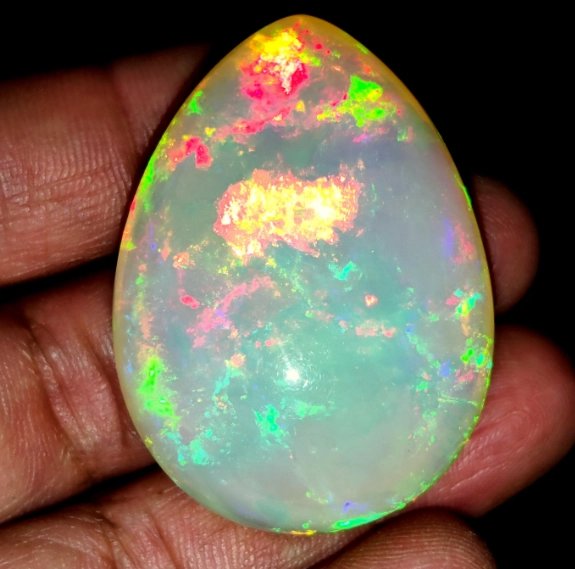
Your Opal Birthstone Questions Answered
So, which birthstone is opal? It's October's poetic, unpredictable, and profoundly beautiful choice. It's not the stone for someone who wants to forget it's on their hand. It's for the wearer who enjoys its living fire, understands its gentle needs, and treasures its one-of-a-kind story. In a world of uniform gems, opal remains a captivating exception.