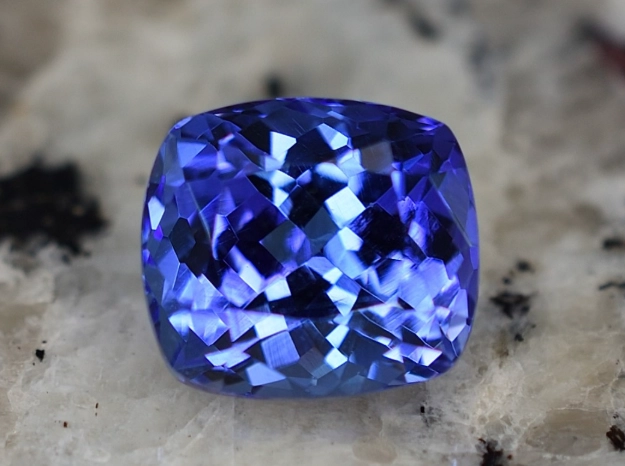
Let's get the straightforward answer out of the way first. The opal is the modern birthstone for the month of October. If you were born in October, congratulations—your birthstone is one of the most visually complex and captivating gems on Earth. But here's where most articles stop, and where the real conversation begins. Simply knowing the month is like being told you own a rainbow but only being shown a gray cloud. The true magic, and the source of most confusion, lies in the opal birthstone color.
Unlike a ruby (red) or an emerald (green), opal doesn't have a single defining body color. Its legendary status comes from its play-of-color—a dazzling internal fire that flashes every hue of the spectrum as you move the stone. The base, or body color, of the opal can range from milky white and translucent crystal to dark gray and black. This means your October birthstone could be a kaleidoscope of reds and oranges on a black background, or soft blues and greens floating in a transparent crystal. Calling it just a "white" or "colorful" stone is a massive oversimplification.
I've been collecting and writing about gemstones for over a decade, and the number of people who feel locked into the "pastel" idea of opal is surprising. They think because it's October's stone, they must wear something light and milky. That's a myth we're going to bust today.
What's Inside This Guide?
Opal Birthstone Basics: Month & The Traditional Color Myth
Yes, October. It shares this slot with tourmaline, but opal is the classic choice. The tradition of birthstones is ancient, but the modern list we use was standardized by the Jewelers of America in the 20th century. You can find their official list on their website, which solidifies opal's October placement.
Now, about that "traditional" color. Many sources will vaguely state opal's color as "white" or "pale with rainbow flashes." This description primarily refers to White Opal, the most common and commercially available type. It has a light, milky, or translucent white body color with play-of-color. Because it's common, it became the default image in people's minds.
But think of this as only seeing one breed of dog and assuming all dogs look like that. The world of opal is vastly more diverse. Relying solely on this "traditional" view can lead you to overlook the most stunning and personally fitting opal for your birthstone jewelry. The key is to understand the body color first, as it's the canvas upon which the play-of-color dances.
A quick note on semantics: When people search for "opal birthstone month color," they're often trying to reconcile two things: 1) What's the official color? and 2) Why do I see so many different colors? The answer is that the "color" is officially its phenomenon—the play-of-color—not a single hue. The body color is a separate, equally important characteristic.
The Real Opal Color Spectrum: It's Not Just "Rainbow"
To choose an opal intelligently, you need to know the players. The value and appearance are heavily influenced by the body color and the type of play-of-color. Let's break down the main categories you'll encounter, moving far beyond the basic "white."
| Opal Type | Body Color (The Canvas) | Typical Play-of-Color (The Fire) | What Makes It Special |
|---|---|---|---|
| White Opal | Light, milky, translucent white. | All colors, often softer pastels (blue, green, pink). | The classic, most accessible type. Great for everyday pieces and a softer look. |
| Black Opal | Dark gray to jet black. (Not literally pure black). | Vivid reds, oranges, greens, and blues. The contrast makes the fire pop dramatically. | The most valuable and sought-after. The dark background creates a "starry night" effect. Primarily from Lightning Ridge, Australia. |
| Crystal Opal | Transparent to semi-transparent, like clear glass or water. | Brilliant, clear colors that seem to float within the stone. | Offers incredible depth and clarity. The play-of-color is visible through the body of the stone, creating a 3D effect. |
| Boulder Opal | Natural ironstone matrix forms part of the gem, creating dark brown/black patterns. | Often vibrant patches or veins of color against the rustic host rock. | Organic, rugged beauty. The stone is cut with the ironstone attached, making each piece a unique landscape painting. |
| Fire Opal | Transparent to translucent with warm body colors: yellow, orange, red-orange. | May or may not show play-of-color. Valued primarily for its fiery body color. | Brings warm, sunset-like tones. Often faceted like other gems (e.g., citrine) rather than cut en cabochon. |
The play-of-color itself is a scientific marvel caused by the diffraction of light through microscopic silica spheres stacked within the stone, as explained in detailed studies by gemological authorities like the Gemological Institute of America (GIA). The size and arrangement of these spheres determine which colors flash. Smaller spheres create blues and violets, while larger ones allow reds and oranges to appear—red being the rarest spectral color to see in opal.
So, when you look at an opal, you're not just seeing a color. You're witnessing a unique geological structure interacting with light. No two are exactly alike.
How to Choose Your Opal Based on Color (A Practical Guide)
Forget the idea that you must pick a white opal because it's "traditional." Your birthstone should resonate with you. Here’s a more personal framework for selection.
Consider Your Personal Style & Wardrobe
Are your jewelry boxes filled with cool-toned silver and platinum, or warm yellow gold? Do you wear a lot of neutrals (black, white, gray) or vibrant colors?
For a modern, dramatic look: A Black Opal is unparalleled. It pairs stunningly with both white and yellow gold, and its flashes of color stand out against dark clothing. It’s a statement piece.
For a versatile, everyday piece: A White or light Crystal Opal with soft blue and green flashes is incredibly wearable. It goes with everything and offers a subtle, magical sparkle.
For a unique, earthy aesthetic: Boulder Opal is your gem. Its natural, unfinished look is perfect for bohemian or rustic styles. It tells a story.
I once advised a client who only wore warm autumnal colors. She was set on a white opal pendant but looked underwhelmed. We looked at a fiery orange Crystal Opal with red flashes, and her face lit up. It complemented her entire wardrobe. That's the goal.
Setting & Metal Choice Amplifies Color
The metal you set your opal in can enhance or mute its colors.
Yellow Gold warms up the stone and can make red and orange flashes in any opal type appear richer. It's a classic, cozy pairing.
White Gold or Platinum provides a cool, contemporary frame. It makes the blues, greens, and violets in an opal pop and gives the whole piece a sleek, modern feel.
Rose Gold can create a beautifully romantic and unique combination, especially with opals that have pink or peach tones in their play-of-color.
A common misconception is that black opal must be set in white gold. Not true. A black opal with strong red fire set in yellow gold is absolutely breathtaking—it leans into the warmth and creates a cohesive, luxurious feel.
3 Common Opal Color & Care Mistakes (And How to Avoid Them)
After a decade, you see patterns in mistakes. Here are the big ones related to color and longevity.
1. Chasing "Red" at All Costs: Yes, red play-of-color is rare and increases value. But a black opal with a mesmerizing, broad pattern of brilliant green and blue can be far more beautiful and personal than a small patch of dull red. Judge the stone by the overall beauty and intensity of its pattern, not just by a checklist of colors.
2. Assuming All Opals Are Delicate Flowers: The fragility of opal is overstated for well-cared-for stones. The real enemy isn't gentle wear; it's sudden temperature changes and extreme dryness. Don't wear your opal ring while baking (hot oven to cool counter) or in a sauna. Prolonged dry air can cause "crazing"—fine surface cracks. Store it with a damp cotton ball in a sealed bag if you live in a desert climate.
3. Cleaning with Harsh Chemicals or Ultrasonic Cleaners: This is a surefire way to dull or damage your opal. The play-of-color can be harmed. Stick to warm, soapy water, a soft brush, and a gentle pat dry. Never soak a doublet or triplet opal (layered stones), as water can seep between the layers.