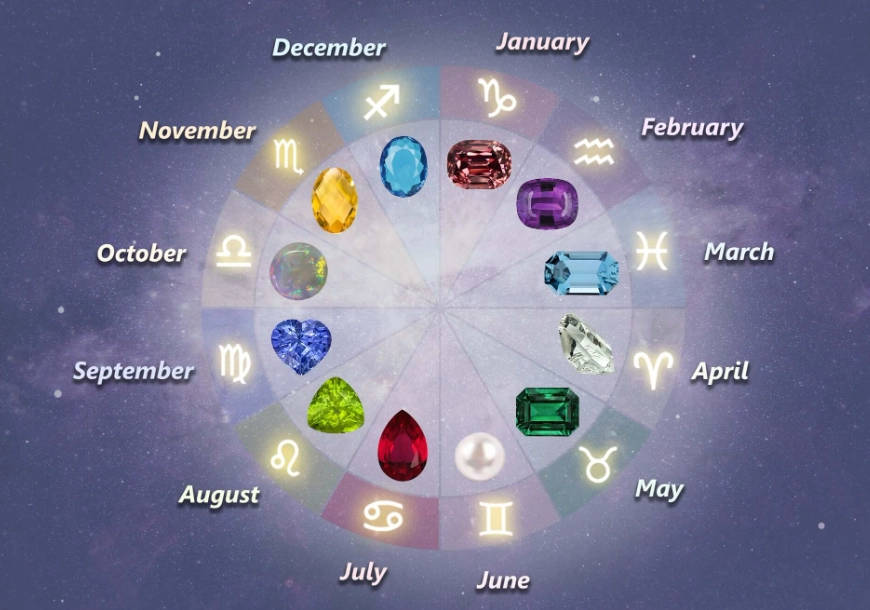
If you're born in October, your birthstone is opal—a gem that dances with color and mystery. But there's more to it than just pretty flashes. I've been collecting and studying gemstones for over a decade, and opals still surprise me. They're fragile, yes, but with the right knowledge, you can enjoy them for a lifetime. Let's cut through the hype and get into what really matters about opals.
Jump to What Matters Most
Why Opal is the October Birthstone: History and Symbolism
Opal has been linked to October for centuries, but the reason isn't just random. In ancient Rome, opal symbolized hope and purity, and it was believed to bring good fortune. The modern birthstone list, standardized by the National Association of Jewelers in 1912, cemented opal as October's gem. What makes it special? That play-of-color—the way it shifts hues in light—mirrors the changing leaves of autumn. It's nature's light show.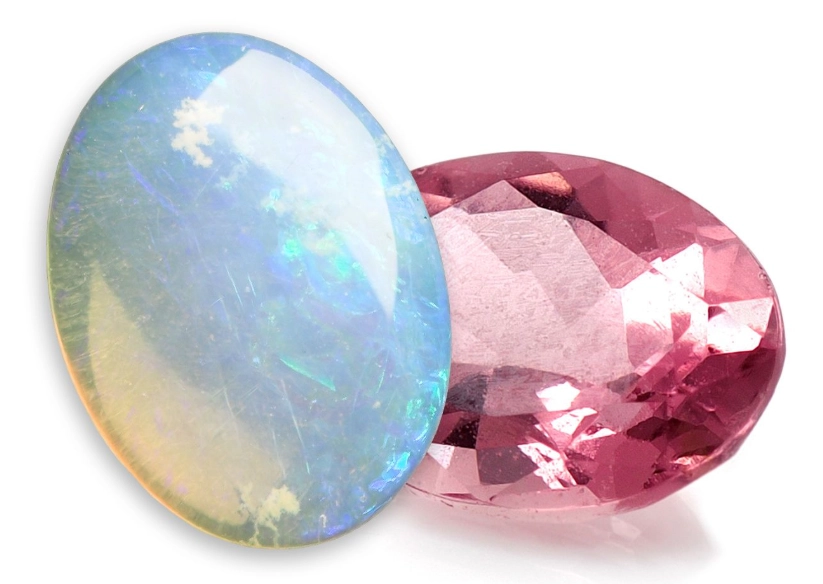
I remember a client who thought opals were unlucky because of some old superstition. That's a myth we'll bust later. In reality, opals represent creativity and emotional healing. If you're giving an opal gift for an October birthday, you're tapping into a deep tradition. The Gemological Institute of America (GIA) notes that opal's uniqueness makes it a favorite for personalized jewelry.
The Different Types of Opal: From White to Black and Beyond
Not all opals are the same. The variety can be overwhelming, so here's a breakdown based on body color and origin. This table sums it up quickly, but I'll add nuances afterward.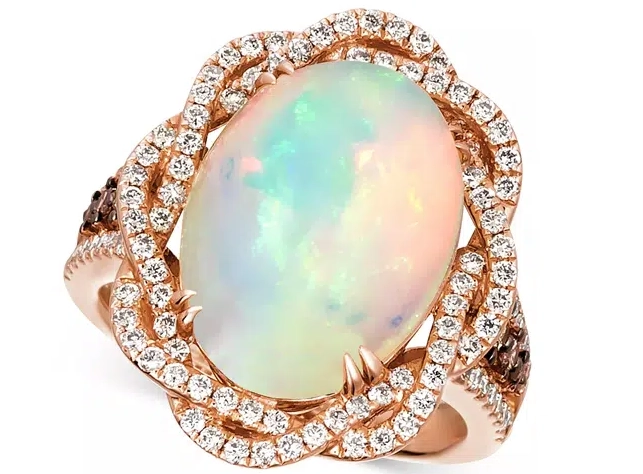
| Type of Opal | Body Color | Key Features | Typical Price Range (per carat) |
|---|---|---|---|
| White Opal | Light, milky white | Subtle play-of-color, common in jewelry | $10 - $200 |
| Black Opal | Dark gray to black | Vivid color contrast, most valuable | $100 - $10,000+ |
| Fire Opal | Yellow, orange, red | Transparent, often lacks play-of-color | $50 - $500 |
| Boulder Opal | Brown with ironstone | Natural matrix, rustic appeal | $20 - $1,000 |
| Crystal Opal | Transparent to translucent | Clear body with intense colors | $30 - $800 |
Black opal from Lightning Ridge, Australia, is the king of opals. I once saw a piece that sold for $20,000—it had a red flash that seemed to move. But don't overlook boulder opal; its raw beauty is underrated. Fire opal from Mexico is often misunderstood; people expect play-of-color, but it's prized for its warm hue instead.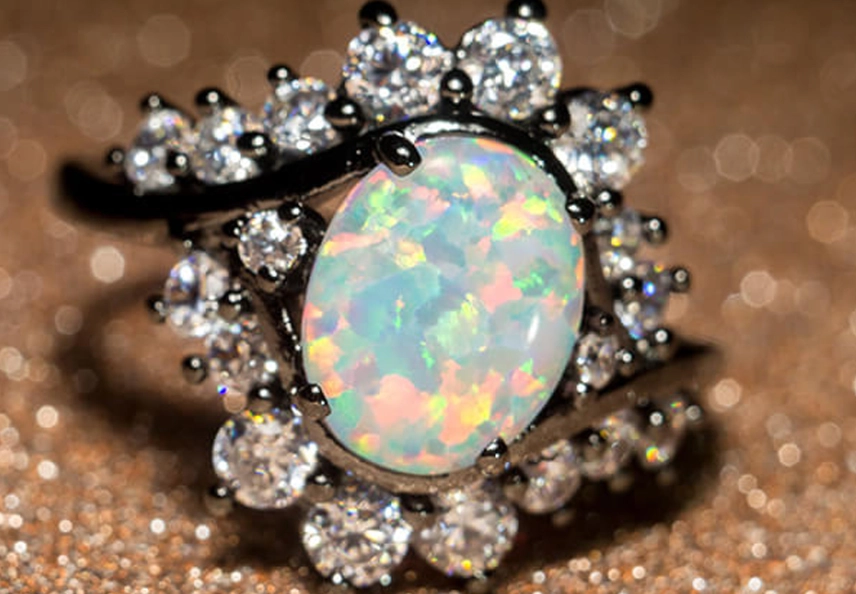
Where Do Opals Come From?
Australia produces about 90% of the world's opals, but Ethiopia is rising fast with its vibrant crystal opals. The International Gem Society reports that Ethiopian opals can be more porous, affecting durability. If you're buying, ask about origin. Australian opals tend to be more stable.
How to Choose the Perfect Opal: A Buyer's Checklist
Choosing an opal isn't like picking a diamond. There's no universal grading system, so you need to trust your eyes. Here's what I tell my friends: focus on three things—play-of-color, body tone, and cut.
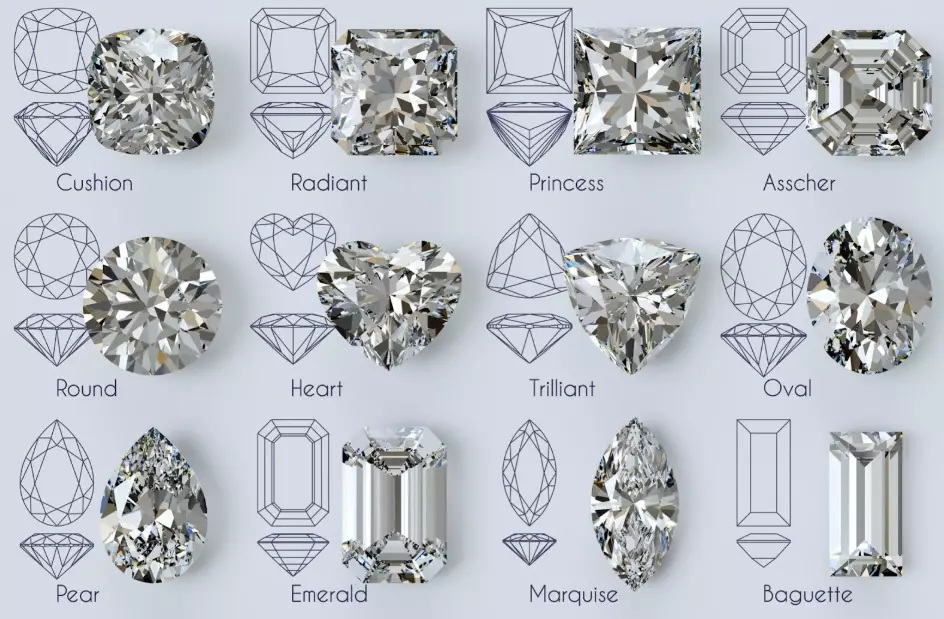
Body tone matters more than you think. Darker bodies make colors pop, which is why black opal costs more. But a white opal with bright flashes can be stunning too. Cut is often ignored. A good cut enhances the play-of-color; a bad one hides it. Avoid opals with windows—areas that look transparent and dull.
Let's say you're shopping online. Zoom in on videos to see how the color moves. Ask for certification from labs like GIA. And set a budget. I've seen people overspend on a large opal with weak color when a smaller, vibrant one would've been better.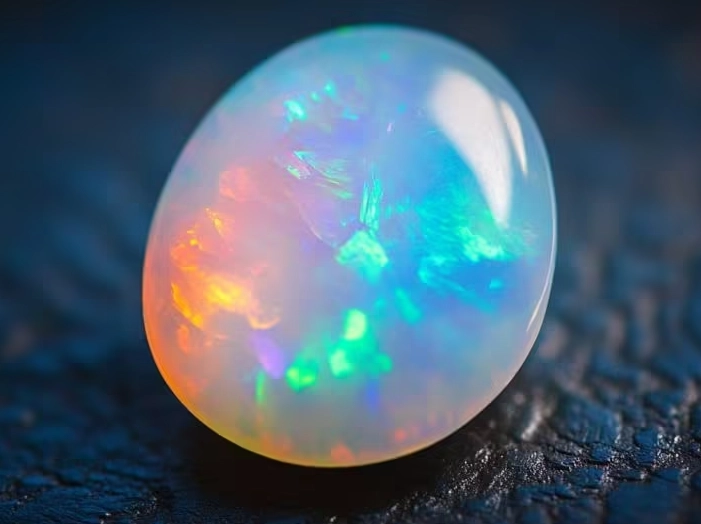
A Personal Story
My sister wanted an opal ring for her October birthday. We went to a local jeweler, and she fell for a big white opal. But under store lights, it looked great; at home, it was lifeless. We learned: always check opals in natural light. We returned it and found a smaller black opal with fiery red flashes. She wears it daily, and it still mesmerizes.
Opal Care and Maintenance: Keeping Your Gemstone Sparkling
Opals are delicate—around 5.5 to 6.5 on the Mohs scale. That means they can scratch easily. But with proper care, they last generations. The biggest mistake? Exposing them to sudden temperature changes or dryness.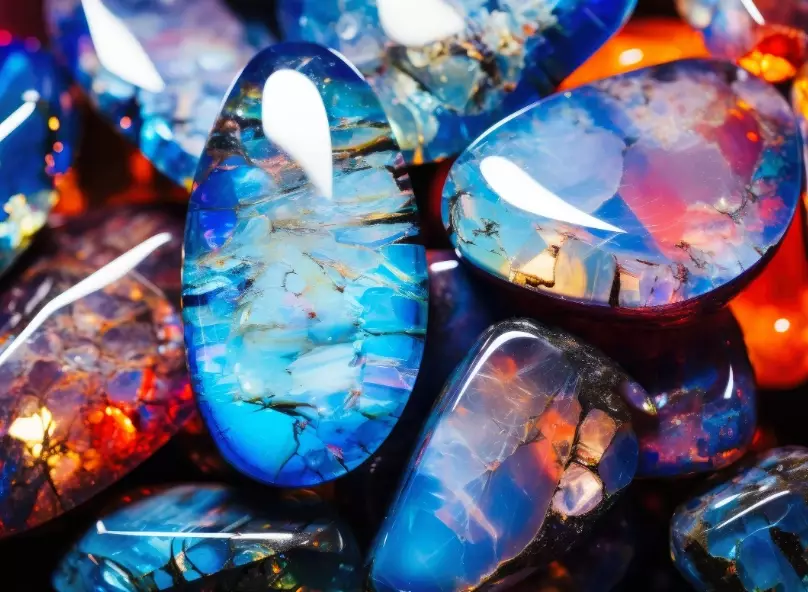
Here's a simple routine:
- Cleaning: Use a soft cloth and mild soapy water. Never soak opals for long; they can absorb water and crack if they're Ethiopian types.
- Storage: Keep them in a padded box, away from harder gems like diamonds. I add a damp cotton ball in the box for Australian opals to prevent crazing (tiny cracks).
- Wearing: Don't wear opal rings during heavy work or showering. The heat and chemicals can damage them.
Some jewelers recommend oiling opals, but I disagree. It can attract dirt. Instead, just wear them regularly—the natural oils from your skin help maintain moisture.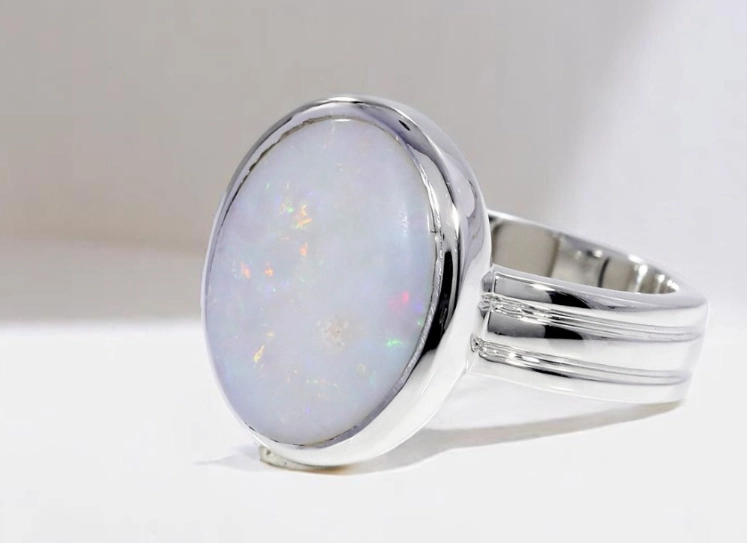
Debunking Common Opal Myths: What You've Been Told Wrong
Opals have a bad rap, and it's mostly nonsense. Let's clear things up.
Myth 1: Opals bring bad luck. This stems from a 19th-century novel where an opal was cursed. In reality, opals were considered lucky in ancient times. I've worn opals for years with no issues.
Myth 2: Opals are too soft for daily wear. They're softer than sapphires, but with protective settings like bezels, they're fine. My sister's ring has held up for five years.
Myth 3: All opals need water to survive. Only some porous opals from Ethiopia do. Australian opals are stable; over-wetting can actually harm them.
These myths scare people away. Don't let them. Opals are unique, and that's their strength.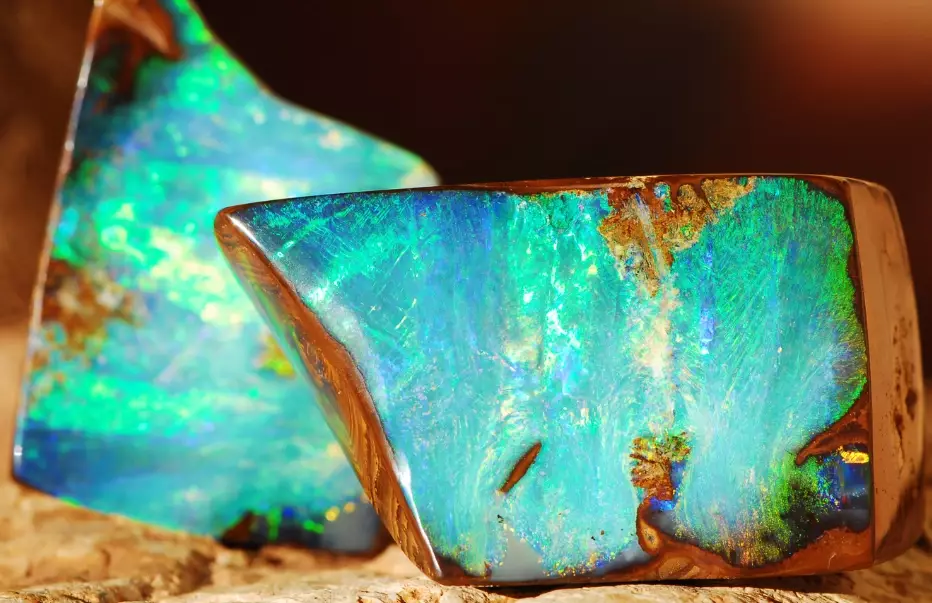
FAQ: Practical Opal Questions Answered by an Expert
Opals aren't just October's birthstone; they're a journey into color and light. Whether you're buying your first piece or caring for an heirloom, treat them with respect. They reward attention. If you remember one thing: opals thrive on wear, not neglect. So go ahead, embrace that October sparkle.