You found this page because you're asking, "Is opal a birthstone for any month?" The short, direct answer is yes, opal is the modern birthstone for October. But if we stop there, we miss the whole story. The relationship between opal and birthstones is more nuanced, fascinating, and even a bit controversial than a simple yes or no. It involves ancient lists, modern marketing, a gemological rivalry, and the unique, fiery personality of the opal itself. As someone who's spent years in the jewelry trade, I've seen the confusion firsthand—customers torn between opal and tourmaline, or disappointed to hear old myths about opals being unlucky. Let's clear all that up.
What You'll Find in This Guide
The Official Answer: Opal and October
According to the modern birthstone list standardized by the American Gem Trade Association (AGTA) and the Jewelers of America in the 20th century, opal shares the month of October with tourmaline. This is the list you'll find in most jewelry stores today.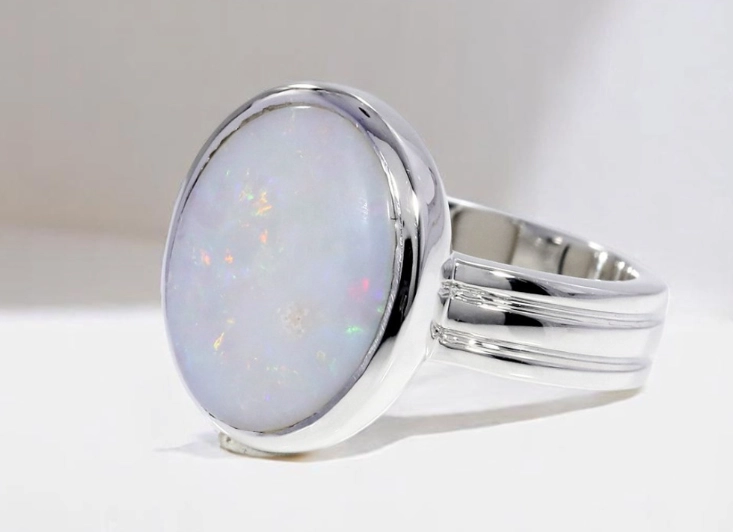
But here's a piece of trivia most articles won't tell you: this wasn't always the case. The "official" list is itself a compromise, a snapshot of tradition that got fossilized by commerce. Prior to 1912, there was no single authority. Opal's place has been remarkably consistent in Western tradition for centuries, often linked to October, but the idea of one-per-month is surprisingly modern.
Key Takeaway: If you were born in October, you have two stunning official birthstones to choose from: the endlessly colorful opal and the rainbow-hued tourmaline. It's a luxury of choice, not a conflict.
Tourmaline vs. Opal: A Historical Shift
Let's rewind. In 1912, the National Association of Jewelers (a precursor to today's groups) met in Kansas City. Their goal? To standardize a birthstone list for easier marketing and sales. The list they published is largely the one we use now. For October, they designated opal.
So when did tourmaline appear? It gained significant popularity as a gemstone in the latter half of the 20th century, particularly with discoveries in Brazil and Africa. Its vast color range—including the coveted pink and green "watermelon" tourmaline—made it a jeweler's darling. The industry, recognizing its commercial appeal and the desire for more durable options, began promoting it alongside opal for October. The AGTA's modern list now formally includes both.
This creates an interesting dynamic. Opal is the traditionalist's choice, steeped in lore. Tourmaline is often seen as the more practical, durable alternative. I've had many October-born clients who feel a pull towards opal's magic but get nervous about its care, and that's a perfectly valid concern we'll address head-on.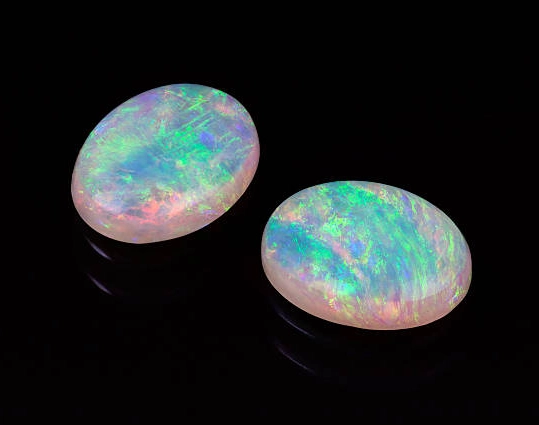
Birthstone Lists at a Glance
| Month | Modern (AGTA) Birthstone(s) | Traditional / Ancient Alternatives |
|---|---|---|
| October | Opal, Tourmaline | Aquamarine (in some very old lists) |
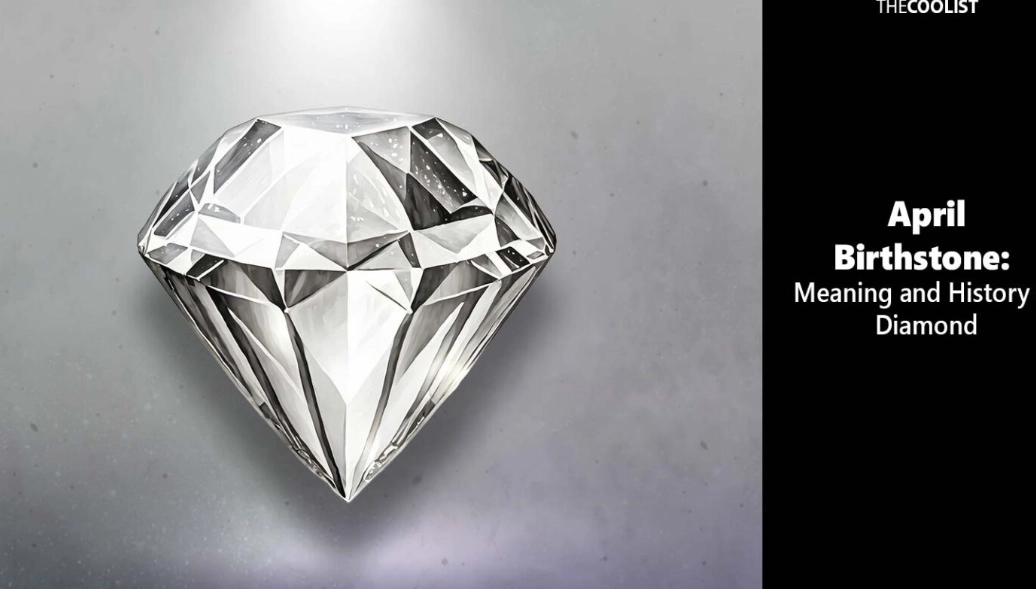
| April | Diamond | Sapphire (Hebrew tradition) |
| June | Pearl, Alexandrite, Moonstone | Cat's Eye (Arabic tradition) |
Why Choosing an Opal Birthstone Matters (Beyond the List)
Forget the lists for a second. The real reason opal captivates as a birthstone isn't because a trade association said so. It's because of what it is. No other gemstone possesses play-of-color—that dynamic, shifting fire within the stone that looks like a captured kaleidoscope.
This makes every opal unique. Two October-born sisters could both have opal birthstone rings, and the stones would be as different as their fingerprints. In an age of mass production, that inherent individuality is powerful. It transforms the jewelry from a category purchase (“I need an October stone”) into a personal talisman.
Then there's the symbolism. Historically, opal was believed to embody the virtues of all stones because it displayed all colors. Roman scholar Pliny the Elder described it as containing "the fiery flame of the carbuncle, the glorious purple of the amethyst, and the sea-green of the emerald." For a birthstone, this symbolism is profound: it doesn't represent one single virtue, but a spectrum of potential, mirroring the complexity of a person born in October.
I remember a client, a writer born in late October, who chose an opal for her pendant. She didn't just want a birthstone; she wanted a stone that felt like her imagination—never static, full of unexpected flashes of light. That's the connection a list can't dictate.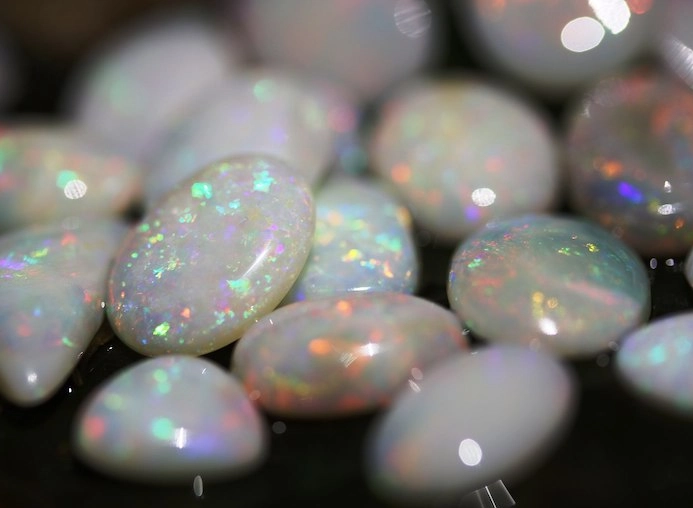
The Real Talk on Caring for Your Opal Jewelry
Here's the expert advice most generic guides gloss over: the biggest threat to your opal isn't impact—it's desiccation (drying out). Many opals, especially the stunning white and crystal opals from Australia, contain a small amount of water (3-10%). Sudden, extreme dryness can cause them to craze—develop a network of tiny cracks.
The common mistake? Storing an opal ring in a sealed plastic bag with a desiccant packet (the "do not eat" silica gel packs that come in shoe boxes). You might as well be putting it in a desert. Conversely, soaking it in water or oil is also a bad idea; it can lead to discoloration or loosen the stone from its setting if water seeps behind it.
- Daily Wear: It's fine for rings, but be mindful. Take it off for dishes, gym, gardening, or any harsh chemicals. The surface can be softer than a sapphire.
- Cleaning: Warm, soapy water and a soft cloth. That's it. No ultrasonic cleaners, no steamers. Ever.
- Storage: A soft pouch in a normal humidity environment is perfect. If you live in an extremely arid climate, some jewelers suggest keeping the pouch in a small, loosely sealed container with a damp (not wet) piece of cloth or cotton ball, changed regularly to prevent mold. This is a pro tip.
Is this more fuss than a diamond? Absolutely. But for many, the opal's beauty is worth the conversation. It's a gem you have a relationship with, not just a rock you wear.
Where Can You Find Quality Opal Jewelry?
Buying opal is different. You're not just buying carat weight and clarity grades. You're buying an experience of color. Here’s what to look for, moving beyond the basics:
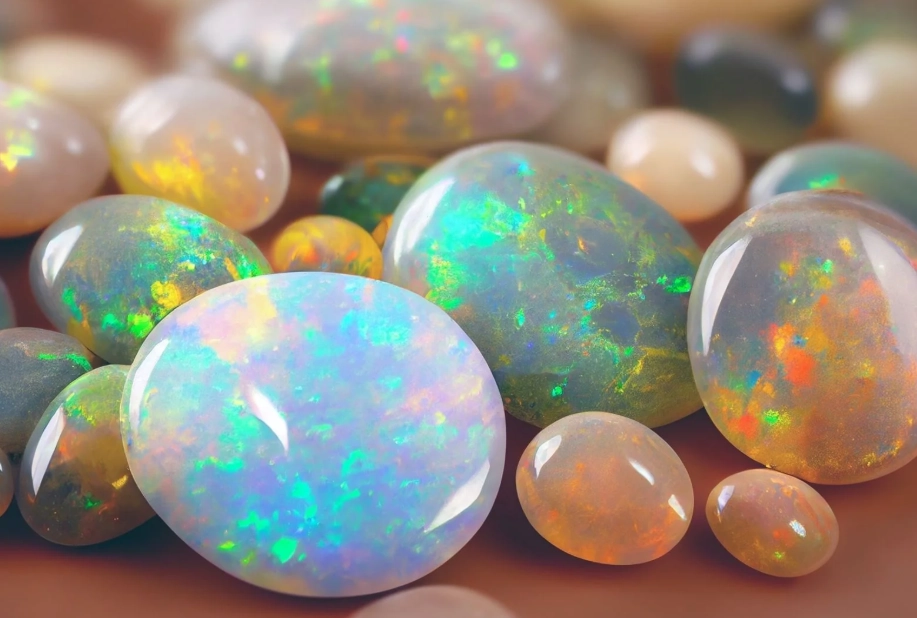
1. The Play-of-Color: This is everything. Look for stones with bright, distinct flashes (red and orange are rarer and more valuable than just blue and green). The pattern matters too—broad flashes, pinfire (small dots), or harlequin (angular patches) all have their fans. Don't buy a dull, lifeless opal just because it's cheap.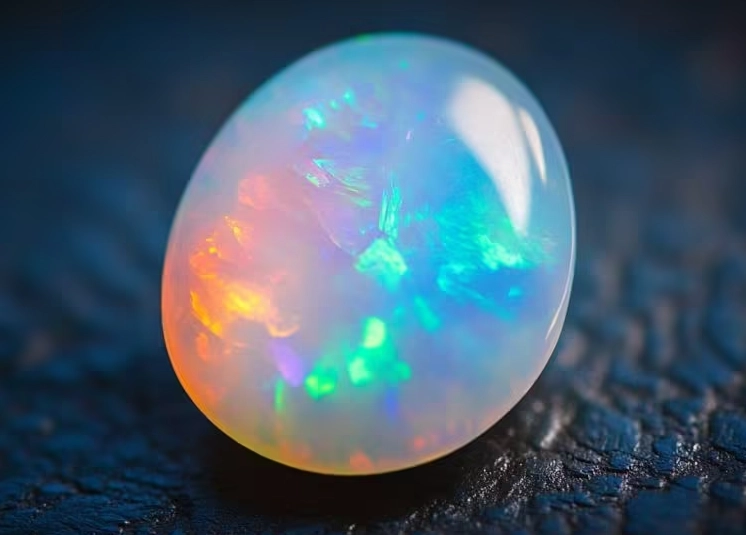
2. The Type of Opal:
Australian Lightning Ridge Black Opal: The king. Dark body tone makes the colors pop incredibly. Most expensive.
Australian White or Crystal Opal: Lighter body, beautiful, more accessible. Crystal opal is transparent.
Ethiopian Welo Opal: Often has a stunning, broad play-of-color. A more recent discovery, but be aware: some are hydrophane (absorb water), which changes their appearance when wet. A reputable dealer will disclose this.
3. The Setting: A good setting for opal is protective. Look for bezel settings or settings with protective "milgrain" edges that gently hug the stone, rather than high prongs that leave it exposed. For a ring, a lower profile is smarter.
My go-to sources for information? I always recommend cross-referencing with the Gemological Institute of America (GIA) opal gem encyclopedia for unbiased scientific facts. For historical context and stunning examples, the collections highlighted by institutions like the Natural History Museum, London are fantastic references.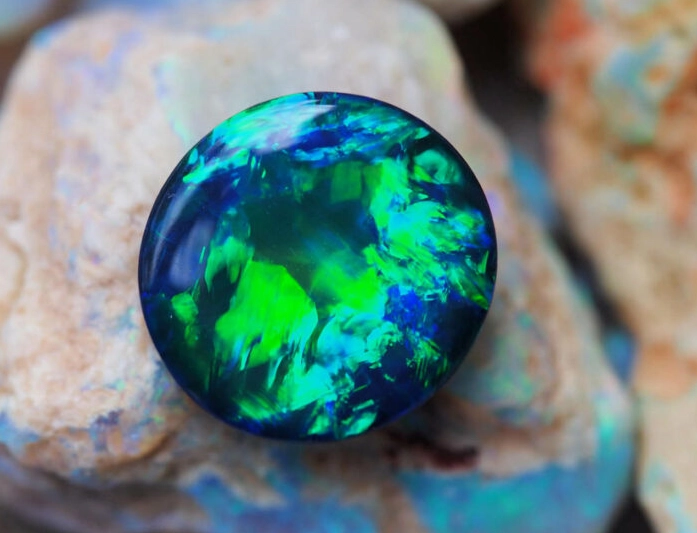
Your Opal Birthstone Questions, Answered
I've heard opals are unlucky if they're not your birthstone. Is there any truth to this?
My grandmother's opal pendant has become cloudy or cracked. Can it be repaired?
Are there any affordable alternatives that look like opal?
Can opals be worn in engagement rings?