December gets a bad rap sometimes. The holidays are hectic, the weather turns, and everyone seems stressed. But if you're a December baby, you've got a secret weapon: the blue topaz birthstone. It's not just a pretty blue rock. It's a piece of the sky you can wear, tied to stories of serenity, clarity, and communication. I've been working with gemstones for over a decade, and I still think the way blue topaz became December's signature stone is one of the more interesting, and slightly messy, tales in the jewelry world. Let's clear up the confusion and get into what makes this gem special, beyond the basic "birthstone of the month" label.
In This Article You'll Discover:
Why is Blue Topaz the Birthstone for December?
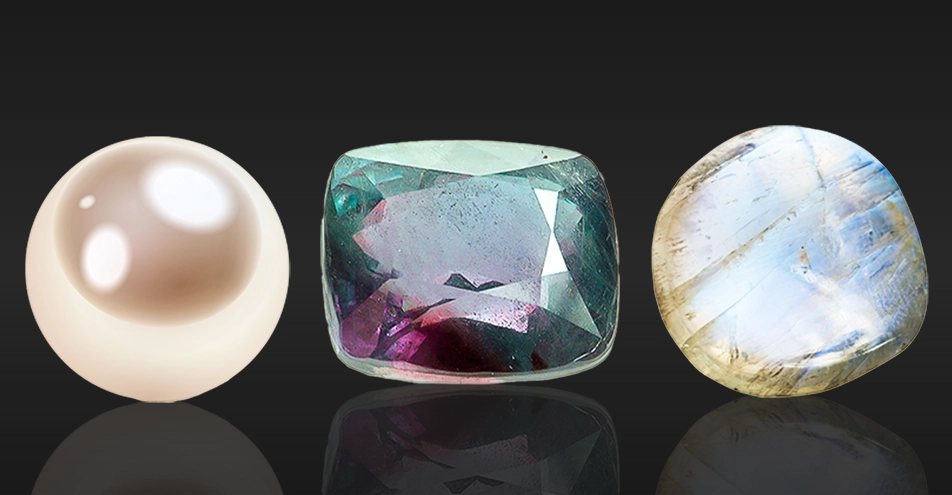
Here's the thing most articles gloss over: blue topaz wasn't always the top pick for December. For centuries, the primary December birthstone was turquoise. The modern list we use today, created by the Jewelers of America in 1912, also listed lapis lazuli as an alternative. Blue topaz muscled its way onto the scene much later, around the 1950s, as treatments to create its stunning blue colors became commercially viable and popular.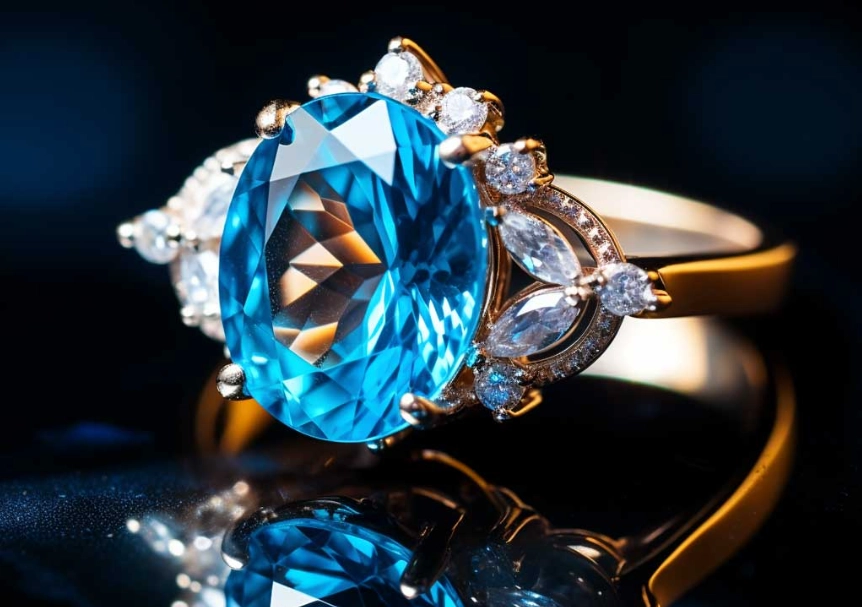
So why the switch? A few reasons. Turquoise is relatively soft and porous, making it less durable for everyday jewelry like rings. Blue topaz, with a hardness of 8 on the Mohs scale, is significantly tougher. Its clarity and vibrant, consistent blue color also aligned perfectly with mid-century fashion trends. The National Association of Jewelers (now Jewelers of America) officially added it, and it eventually became the most recognized December stone.
The Meaning & Symbolism Behind the Blue
Beyond the calendar, blue topaz carries weight. It's historically linked to calmness, clear communication, and emotional balance. In ancient lore, it was thought to cool hot tempers—handy during the holiday family dinner. For a December baby, it can symbolize a cool head and a warm heart amidst the season's chaos. It's also associated with the 4th and 19th wedding anniversaries.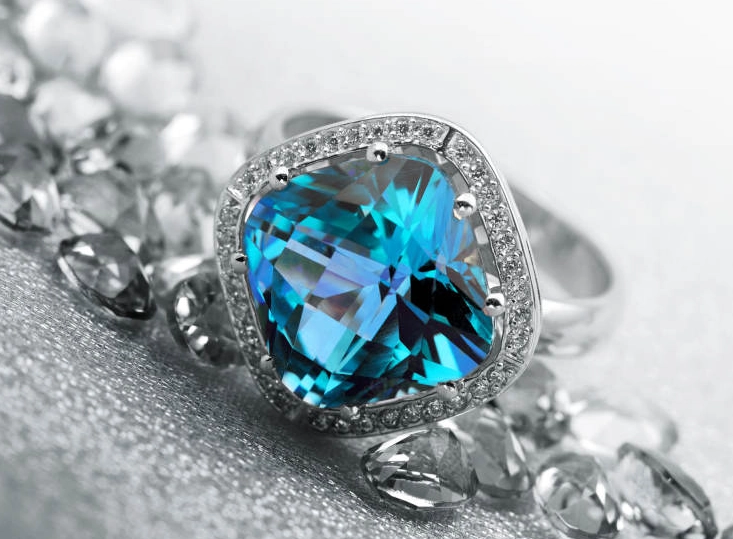
Blue Topaz Types, Colors, and Understanding Its Real Value
This is where things get technical, and where most buyers get tripped up. Nearly all blue topaz on the market is treated. Natural blue topaz is extremely rare and pale. The vibrant blues you see are created by irradiating colorless topaz and then applying heat. It's a safe, standard, and accepted practice in the industry. The key is knowing what you're buying.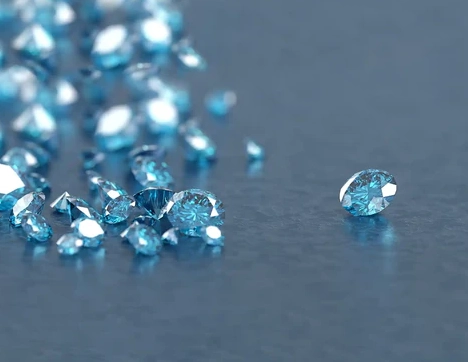
Commercial names like "Swiss Blue," "London Blue," and "Sky Blue" are marketing terms, not geological classifications. Their value differs dramatically.
| Commercial Name | Color Description | Typical Treatment | Relative Price Point (Per Carat) | Best For |
|---|---|---|---|---|
| Sky Blue Topaz | Very light, pastel sky blue. The most subtle. | Light irradiation & heat. | $10 - $30 | Delicate, everyday pieces. A gentle birthstone accent. |
| Swiss Blue Topaz | Vivid, electric medium blue. The "classic" bright blue. | Irradiation & heat. | $20 - $50 | Statement rings, earrings. Maximizes color impact. |
| London Blue Topaz | Deep, inky greenish-blue or steely grey-blue. The most saturated. | Higher level irradiation & heat. | $30 - $80+ | Men's jewelry, sophisticated pendants, art deco styles. |
A common mistake is thinking "London Blue" is inherently more valuable because it's darker. Not exactly. While it often commands a higher price due to its popularity and depth of color, a well-cut, eye-clean Swiss Blue in a large size can be just as impressive and valuable. The cut and clarity matter immensely.
The Natural vs. Treated Debate (And Why It Matters)
I need to be blunt: if a seller is advertising "natural blue topaz" at a mainstream jewelry store price, be very skeptical. True natural blue topaz is a collector's item with a price tag to match. The treatment process is permanent and stable for Swiss and London Blue. However, I've seen some very light Sky Blue stones fade slightly after years in strong sunlight. It's rare, but it's a practical reason to store your jewelry properly.
The value in blue topaz isn't in it being a rare, untreated gem. Its value is in its beauty, durability, and accessibility. You can get a large, stunning blue stone without breaking the bank, which is why it's a fantastic choice for birthstone jewelry.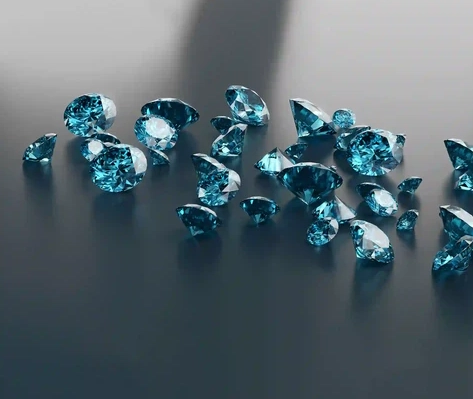
How to Choose and Care for Your Blue Topaz Jewelry
Picking a piece isn't just about the stone color. You need to think about the setting, the wear, and the long-term care.
For Rings: Blue topaz's hardness (8) is good, but it can still chip or scratch if whacked against a granite countertop. A bezel or a protective setting with robust prongs is smarter for an everyday ring than a delicate claw setting. I'd avoid a high, exposed setting for someone with a very active job.
For Earrings and Pendants: These are the safest bets. They encounter less impact. Here you can go for more elaborate, delicate settings without as much worry.
Metal Choices: White gold and platinum make the blue color pop with a cool, modern look. But don't sleep on rose gold—the contrast between the pink metal and the blue stone is unexpectedly beautiful and trendy. Yellow gold gives a classic, vintage feel.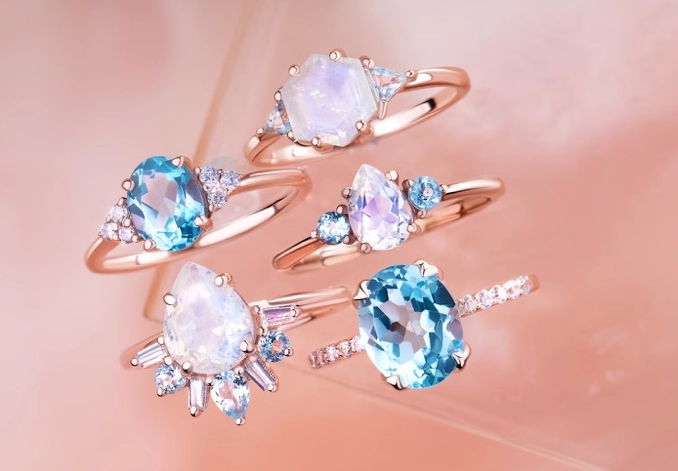
A Simple Care Routine That Actually Works
Forget complicated potions. Here's what I tell my clients:
- Cleaning: Warm water, a drop of mild dish soap, and a soft toothbrush. Gently scrub behind the stone where grime collects. Rinse thoroughly and pat dry with a soft, lint-free cloth. Do this every month or two.
- Storage: This is the most important step. Keep it separate from harder gems like diamonds, sapphires, or even other topaz stones to prevent scratches. A soft pouch or a compartment in a fabric-lined jewelry box is perfect.
- What to Avoid: Ultrasonic cleaners are usually safe for blue topaz itself, but they can loosen settings or damage other gems in the piece. I generally advise against them for any multi-stone or delicate jewelry. Also, avoid harsh chemicals (bleach, chlorine) and sudden temperature changes.
Think of it like a nice shirt. You wouldn't throw it in with sharp buttons or wash it with bleach. A little basic care keeps it looking new for decades.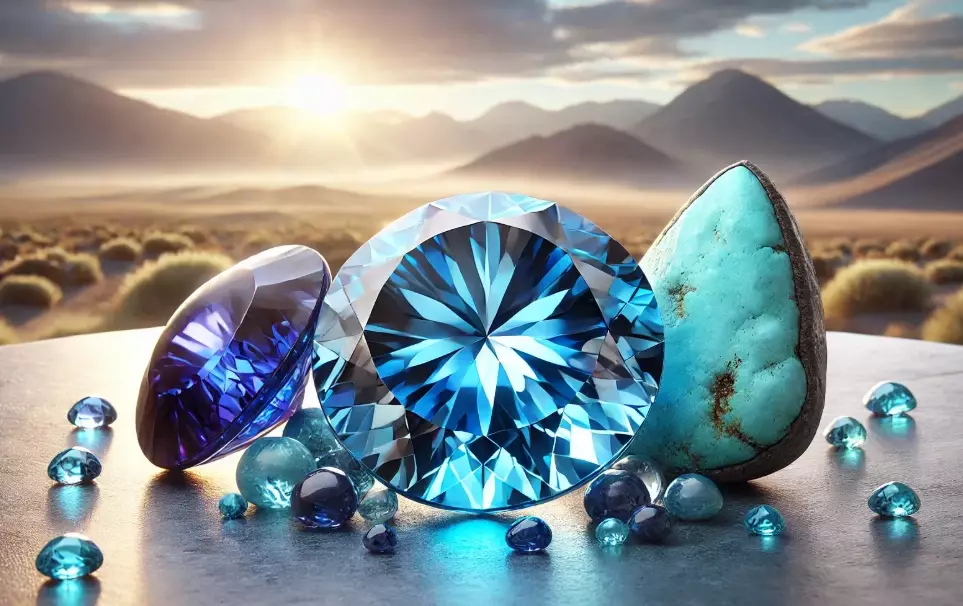
Your Blue Topaz Questions Answered
Is blue topaz durable enough for an engagement or daily-wear ring?
It can be, with caveats. Its hardness is good, but its cleavage (a tendency to split along certain planes) means a hard, direct blow can cause a chip. For a daily-wear ring, opt for a protective setting (bezel, halo) and consider it for someone with a less hands-on lifestyle. For absolute, worry-free daily pounding, sapphire is still the king. But for many, a well-set blue topaz makes a beautiful and affordable alternative.
I've heard some blue topaz can be radioactive. Should I be concerned?
This is a classic scare story that needs context. The irradiation process used can make stones temporarily radioactive. Reputable dealers and large-scale treatment facilities are required to let the stones "cool down" until radiation levels fall far, far below any safety concern—often for several months. Stones from major suppliers and jewelers are perfectly safe. The risk would only come from buying a recently treated stone directly from an unregulated source, which is highly unlikely for a consumer.
Why does my blue topaz look different under store lights versus sunlight?
This is a great observation. Blue topaz, especially the deeper London Blue, can have a slight grey or green undertone. Bright white LED or fluorescent store lights minimize this, giving you the purest blue flash. Natural sunlight, which has a fuller spectrum, can reveal those subtle undertones. It's not a flaw; it's part of the stone's character. When buying, ask to see it under different light sources if possible.
Can I resize a ring with a blue topaz in it?
Yes, a skilled jeweler can do it, but there is risk. The heat from soldering during resizing can potentially damage the stone if it's not properly protected. Any reputable jeweler will remove the stone before working on the band and reset it afterwards. There will be an extra charge for this service. Always disclose the stone type to your jeweler before any work.
What's the best way to tell if my blue topaz is real?
At home, a few clues: Glass or plastic fakes will feel warmer to the touch faster than real topaz, which is a good thermal conductor and stays cool longer. Also, real topaz is quite heavy for its size (high specific gravity). The most reliable test, though, is taking it to a jeweler. They can use a refractometer to measure its optical properties—a dead giveaway no fake can match.