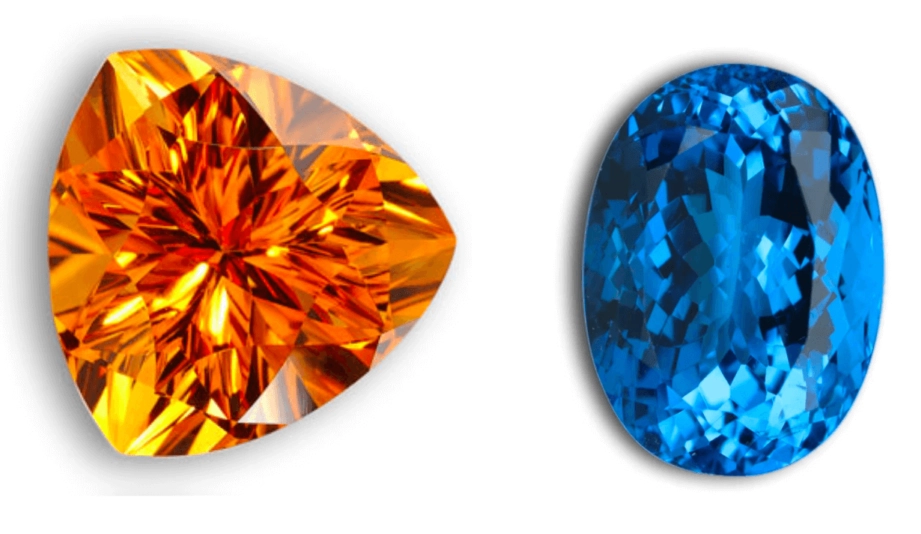
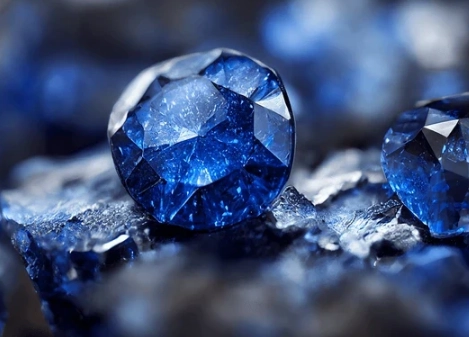
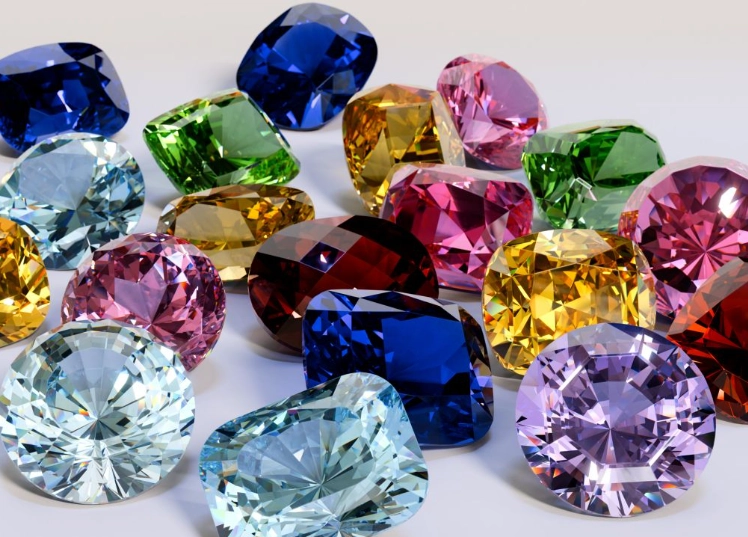
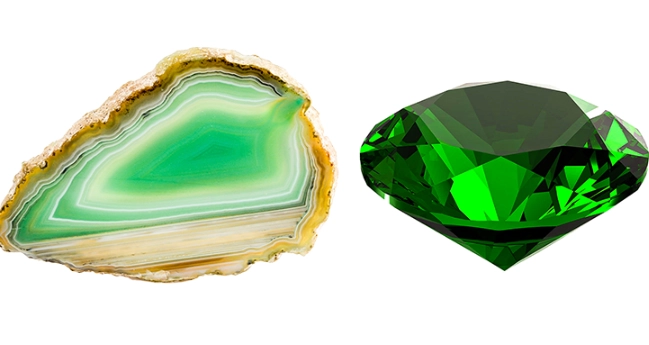
Let's clear something up right away. If you're a November baby drawn to that perfect sky-blue gem, you're not alone. Blue topaz is wildly popular. But here's the thing most articles won't lead with: the vast, vast majority of that stunning blue color you see in jewelry stores isn't how the stone comes out of the ground. Natural blue topaz is incredibly rare. What you're usually buying is a treated stone. Now, before you think "treated" means fake or inferior, hold on. In the gem world, treatment is standard, accepted, and when done right, creates a stable, beautiful, and affordable gem. Understanding this is the first step to buying blue topaz intelligently, not just emotionally.
Your Blue Topaz Roadmap
What Makes Blue Topaz Special?
Beyond its obvious beauty, blue topaz carries a weight of symbolism that resonates deeply. It's traditionally associated with calmness, clarity, and communication. Think of it as an antidote to a chaotic November. While other birthstones like citrine (yellow) offer warmth, blue topaz provides a cool, soothing counterpoint.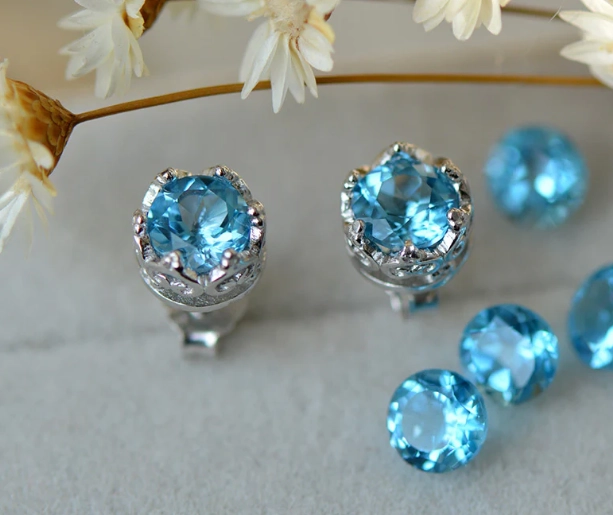
On a physical level, it's a durable choice. With a hardness of 8 on the Mohs scale, it's suitable for daily wear in rings and bracelets, though it's not indestructible like a diamond (10) or sapphire (9). Its clarity is often excellent, meaning you get a lot of clean, transparent stone for your money compared to other gems where inclusions are expected.
The Color Origin Story: Natural vs. Treated
This is where the magic—and the marketing—happens. Most colorless or pale topaz is turned blue through irradiation and heat treatment. This process is permanent and stable. The industry uses specific names for these treated blues, and knowing them is your superpower when shopping.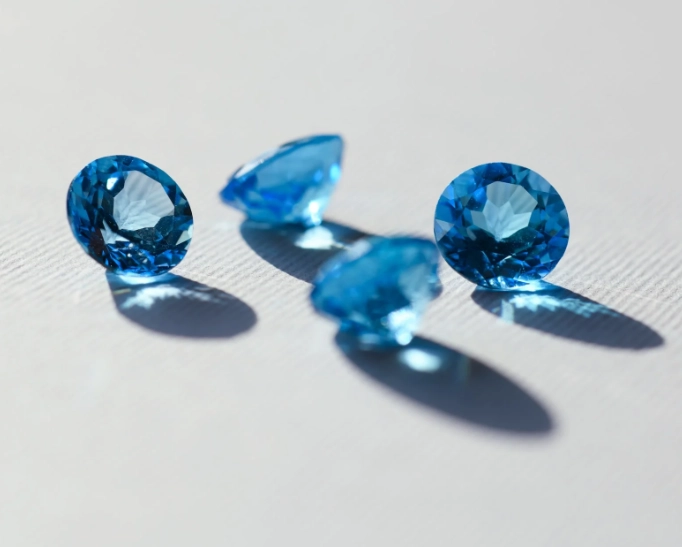
| Commercial Name | Color Description | What You Need to Know |
|---|---|---|
| Swiss Blue | A vivid, electric medium blue. | The most common and often most affordable treated blue. It's bright and eye-catching. Some find it almost too vibrant, lacking subtlety. |
| Sky Blue | A very light, pastel azure blue. | The faintest of the blues. It can look delicate and ethereal in smaller sizes but might appear washed out in larger stones if you're seeking bold color. |
| London Blue | A deep, steely grayish-blue, often with a greenish undertone. | The most coveted and expensive treated shade. It looks sophisticated, less "commercial" than Swiss Blue. The depth can make inclusions slightly more visible. |
I once had a client insist on a "natural London Blue." After a long conversation, we realized she'd seen a photo of a high-quality, well-cut London Blue topaz and assumed its depth meant it was mined that way. She was disappointed to learn the truth, but then appreciated the stone for what it was—a beautiful, enhanced material—and bought it anyway. The lesson? Fall in love with the stone in front of you, not a mythical origin story.
Is Treatment a Bad Thing?
Absolutely not. It makes a beautiful gem accessible. The Federal Trade Commission and major gemological labs like the Gemological Institute of America (GIA) require disclosure of such treatments. A reputable seller will tell you. If they hesitate or don't know, walk away. The value is in the final product's beauty and durability, not an arbitrary "natural" tag that, for blue topaz, would make it prohibitively rare and expensive.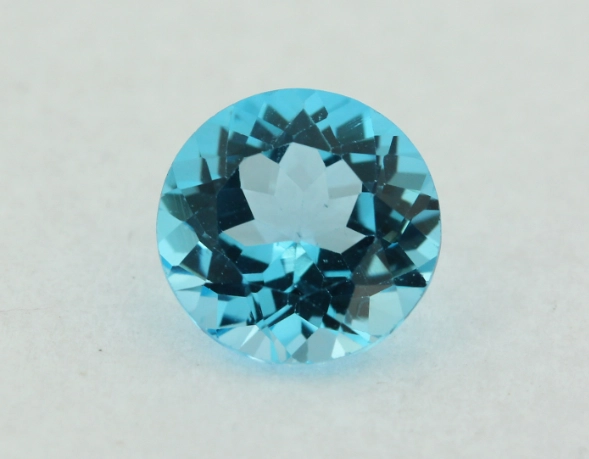
How to Choose Your Blue Topaz Birthstone Jewelry
Forget the textbook 4Cs for a second. With blue topaz, your decision tree looks different.
Color is King (or Queen). Decide which blue speaks to you. Do you want the pop of a Swiss Blue pendant, the subtlety of Sky Blue earrings, or the depth of a London Blue ring? View stones under different lights—store lighting can be deceptive.
Cut is Critical. Because topaz is often so clean, the cut determines its life. A poorly cut stone will look flat and dead. A well-cut one will dance with light. Look for symmetrical facets and a stone that doesn't have a dark, lifeless center (a "window"). For London Blue, a slightly shallower cut can keep it from looking too dark.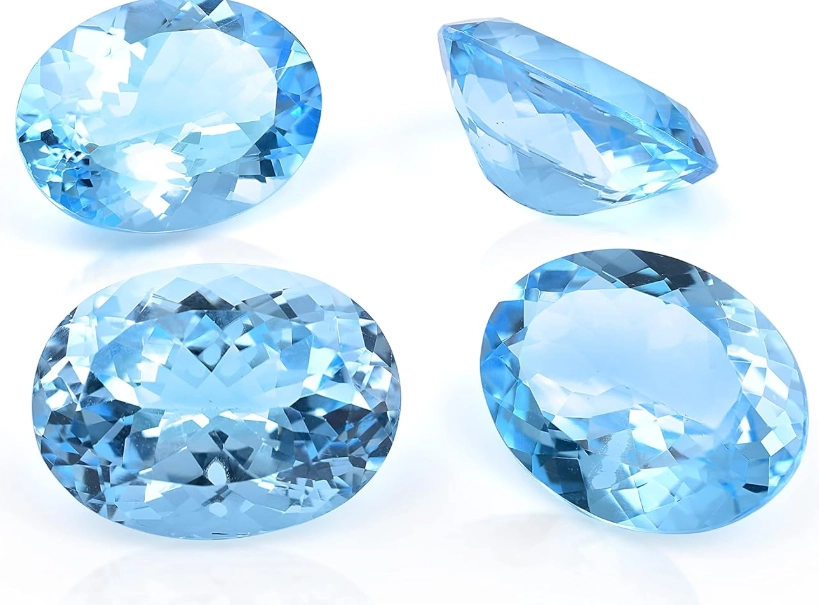
Carat & Cost. Topaz has a high density, so a 5-carat stone will be physically smaller than a 5-carat aquamarine. The good news? Large sizes are feasible. You can get a statement 10-carat oval for a fraction of a sapphire's price. Set a budget based on the setting (gold vs. silver) and size, not just the stone.
The Setting Matters More Than You Think. That perfect cleavage plane I mentioned? A skilled jeweler will set the stone to protect it from sharp blows. Bezels or semi-bezels are safer than high prong settings for a ring meant for daily wear. For earrings or pendants, it's less of a concern.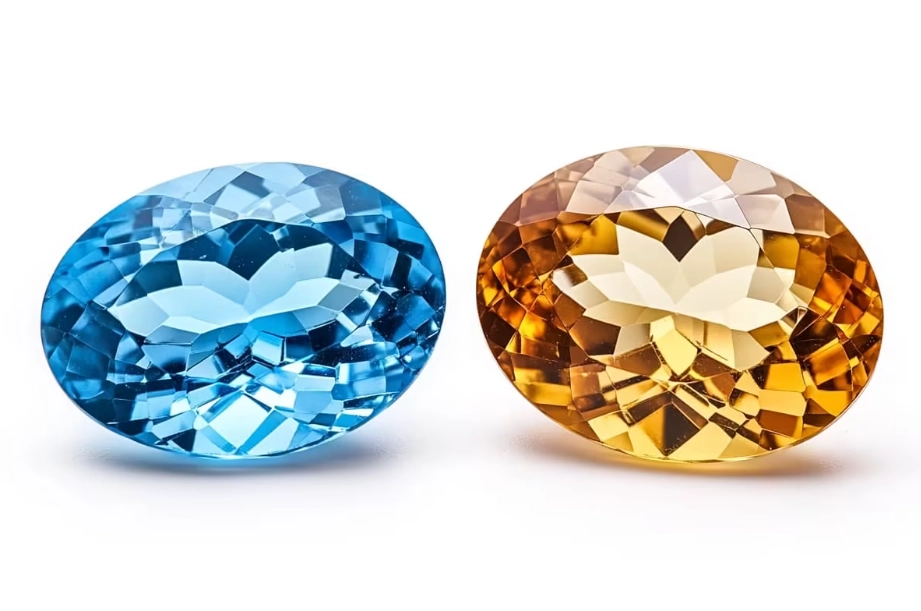
Daily Care and Cleaning for Blue Topaz
Here's a common mistake: people treat their topaz ring like a diamond ring. They wear it while gardening, working out, or cleaning with harsh chemicals. Don't.
Ultrasonic cleaners? Usually safe for untreated, well-set topaz, but I never recommend them for any treated stone. The stability of the color is high, but why risk it? Steam cleaners are a definite no—sudden heat can cause fractures.
The Safe Routine: Warm water, a drop of mild dish soap, and a soft toothbrush. Gently scrub behind the stone where grime collects. Rinse thoroughly and pat dry with a soft, lint-free cloth. Do this every few weeks if worn regularly.
Store it separately. Topaz can scratch other stones (like quartz) and can be scratched by harder ones (sapphire, diamond). A soft pouch or a separate compartment in your jewelry box is ideal.