You see it everywhere—in December birthstone jewelry, in statement rings, dangling from elegant necks. Blue topaz has a quiet popularity. But what does blue topaz symbolize, really? It's more than just a pretty blue stone. Its meaning is a layered story of calm minds, honest words, and ancient protection, all influenced by the specific shade of blue you're holding. As someone who's worked with gems for over a decade, I've seen how its symbolism gets oversimplified. Let's fix that.
Your Quick Guide to Blue Topaz Meaning
- What Does Blue Topaz Symbolize? A Deep Dive
- How Color Shades Change the Symbolism
- How to Choose a Blue Topaz Based on Its Symbolic Meaning
- Modern Uses: Jewelry, Healing & Personal Rituals
- Buying Blue Topaz: What They Don't Tell You About Symbolism & Value
- Your Blue Topaz Symbolism Questions, Answered
What Does Blue Topaz Symbolize? A Deep Dive into Its Meaning
At its core, blue topaz symbolizes three powerful ideas: serenity, communication, and protection. It's not a random list. These concepts are deeply tied to its color and historical journey.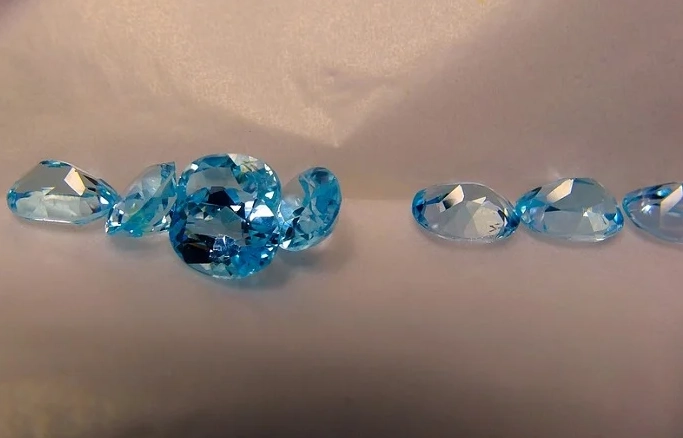
Serenity and Calm: This is the most immediate association. The color blue is universally linked to the sky and calm waters. Blue topaz is believed to act as a coolant for turbulent emotions. I've had clients—particularly those in high-stress jobs—choose a blue topaz not just for beauty, but as a tangible reminder to breathe and find mental clarity. It's a symbol of peace you can wear.
Clear Communication and Truth: This is where it gets interesting. Historically, the throat chakra (associated with expression) is linked to the color blue. Blue topaz is thought to encourage honest, articulate, and kind communication. It's not about talking more; it's about speaking your truth with confidence and listening with an open mind. Think of it as a symbol for difficult conversations or creative blockages.
Protection and Strength: This aspect is often overlooked. Ancient Egyptians and Romans associated topaz (in its various colors) with the sun god Ra and Jupiter, respectively, linking it to divine strength and protection. The blue variant carries this forward as a symbol of safeguarding one's energy and personal boundaries. It's like an amulet against negativity or emotional drain.
A note from experience: The biggest mistake I see is people treating all blue topaz the same. A pale Swiss Blue and a deep London Blue don't just look different—they can symbolize slightly different intensities of these core meanings. The depth of color matters.
How Color Shades Change the Symbolism of Blue Topaz
Not all blues are created equal. The trade has specific names for blue topaz colors, and each carries a nuanced symbolic weight. This is crucial for choosing a stone that aligns with your intent.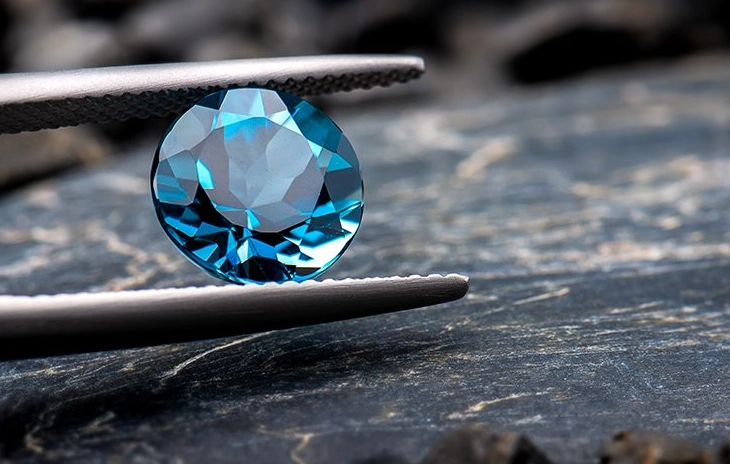
| Color Name & Shade | Primary Symbolic Focus | Best For Symbolizing... |
|---|---|---|
| Sky Blue Topaz (Light, pastel blue) | Gentle Serenity, Mental Clarity | New beginnings, calming anxiety, enhancing lightheartedness and optimism. |
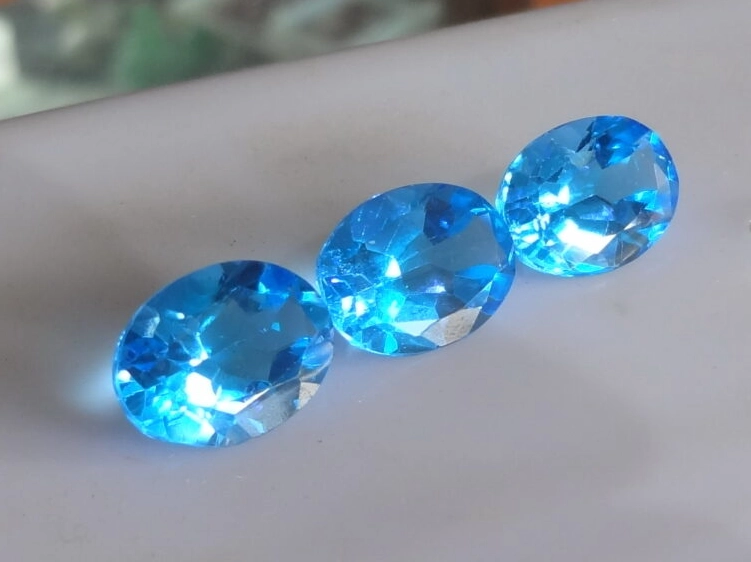
| Swiss Blue Topaz (Vivid, medium electric blue) | Vibrant Communication, Energy | Creative expression, public speaking, energizing one's personal truth and charisma. |
| London Blue Topaz (Deep, steely grayish-blue) | Profound Protection, Wisdom | Emotional depth, setting strong boundaries, wisdom gained through experience, stability. |
See the difference? If you're buying a gift for a friend starting therapy to manage anxiety, a Sky Blue might be a more fitting symbolic choice than a dramatic London Blue. The latter might be perfect for someone stepping into a leadership role who needs symbolic "armor" and wise discernment.
How to Choose a Blue Topaz Based on Its Symbolic Meaning
So, you want a blue topaz that means something specific to you. Let's move beyond the generic. Here’s a practical, step-by-step approach I guide my customers through.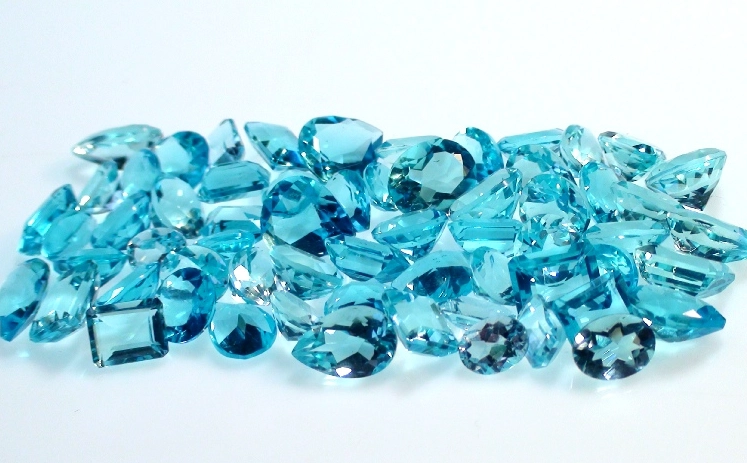
Step 1: Identify Your Personal "Why"
Ask yourself: What do I need more of right now? Is it inner peace during a chaotic time (leaning towards Sky Blue)? Is it the courage to have a tough talk or write that book (pointing to Swiss Blue)? Or is it about feeling protected and grounded amidst change (suggesting London Blue)? Be honest. The stone's symbolism works best when it resonates with a genuine personal intention.
Step 2: Match the Color Grade to Your "Why"
Use the table above as your cheat sheet. Don't just pick the prettiest blue; pick the one whose described symbolic focus aligns with your answer in Step 1. This creates a personal connection that makes the jewelry more than an accessory.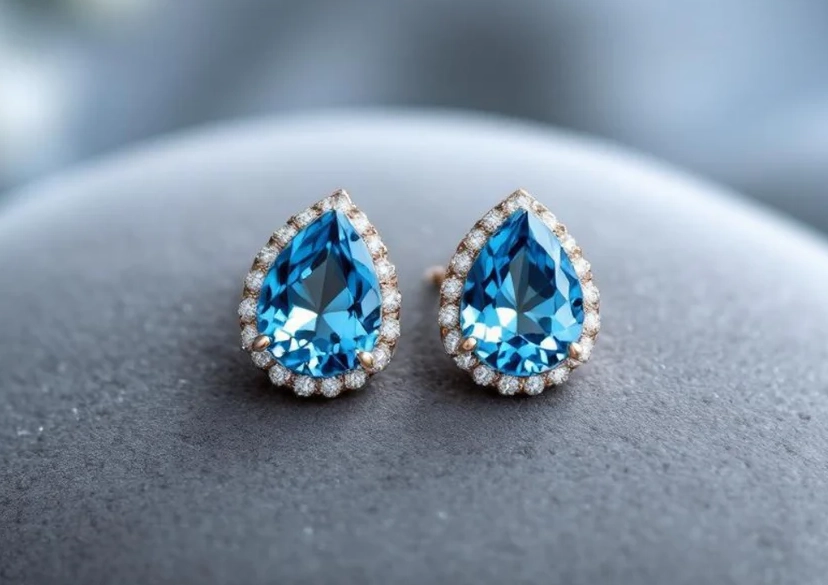
Step 3: Consider the Jewelry Setting
The setting amplifies the symbolism. A pendant worn near the throat? That physically emphasizes the communication aspect. A ring on your active hand? That could symbolize carrying that serenity or protection into your daily actions. A pair of earrings? Perhaps symbolizing listening (to others and your own intuition). Think about how and where you'll wear it.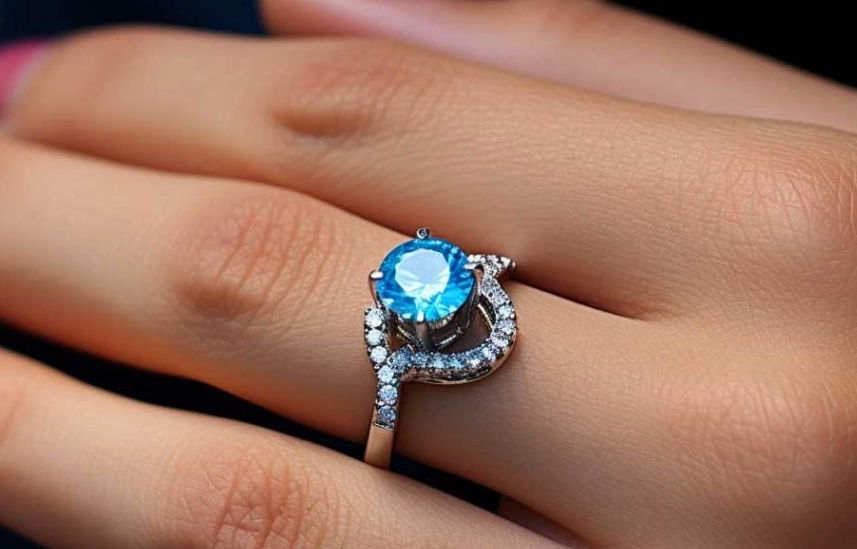
Modern Uses: Jewelry, Healing & Personal Rituals
How does this symbolism translate off the page and into real life? It happens in three main spaces.
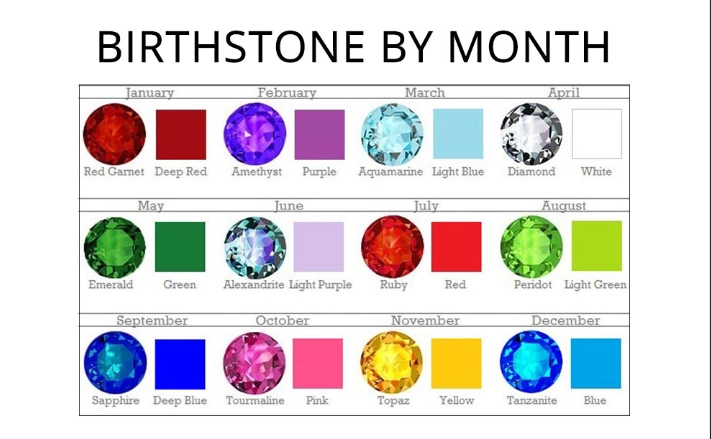
As December's Birthstone: This is its most famous role. For those born in December, blue topaz symbolizes clarity and calm for the year ahead—a meaningful alternative to the more traditional turquoise or tanzanite. It's a gift that says, "I wish you a peaceful and expressive year."
In Crystal Healing & Mindfulness Practices: In modern metaphysical circles, blue topaz is used as a focus tool. People might meditate while holding a stone to visualize calm (Sky Blue), place one on their desk while working on a presentation (Swiss Blue), or keep a tumble stone in their pocket during stressful travel (London Blue). It's a physical anchor for an intended mental state. The Mindful.org website often discusses using objects as focal points for meditation, a principle that applies here.
In Commitment Jewelry: It's becoming a popular choice for anniversary or commitment rings, especially for 4th or 19th anniversaries. Here, it symbolizes clear, honest communication and enduring, tranquil love—a powerful statement for a long-term partnership.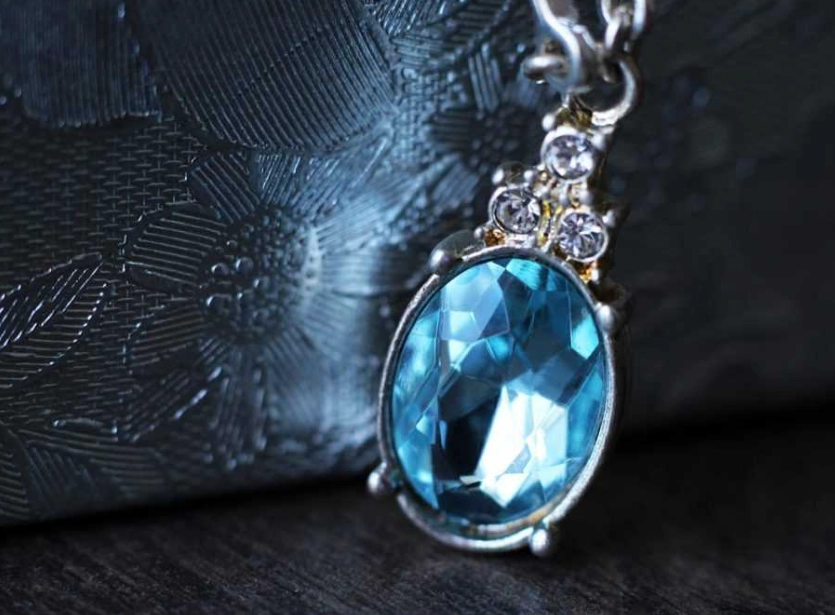
Buying Blue Topaz: What They Don't Tell You About Symbolism & Value
Here's the insider knowledge most blogs won't stress enough: Nearly all vivid blue topaz on the market is treated. Natural blue topaz is extremely rare and usually a very pale blue. Stones are irradiated and heated to achieve those stunning Swiss and London Blue colors. The Gemological Institute of America (GIA) considers this a stable and acceptable treatment.
Why does this matter for symbolism? It doesn't negate it. The color—and thus the symbolic association—is permanent and real. But it should affect the price. A treated blue topaz should be affordable. If someone is selling a London Blue topaz at a "rare natural" diamond-like price, walk away. You're paying for symbolism, beauty, and craftsmanship, not for geological rarity. Always ask if the stone is treated and buy from reputable sellers who disclose this.
For untreated, natural pale blue topaz, check sources like the Gemological Institute of America's (GIA) gem encyclopedia for reference images. The symbolism of a natural stone can feel more profound to some collectors, as it's a direct product of the earth.