You typed that question into Google. Maybe you saw a beautiful ring and wondered if the price was fair. Or perhaps you're considering an amethyst gift and need to set a budget. The short, honest answer is: it depends. Dramatically. A small, pale amethyst bead might cost you less than a fancy coffee. A spectacular, deep purple amethyst from a legendary mine can command thousands per carat. The word "expensive" is relative here. This guide won't just tell you average prices; it will show you why prices vary so wildly and teach you how to assess value for yourself, so you never overpay.
What's Inside This Guide
The Real Price Range: From Loose Stones to Jewelry
Let's get specific with numbers, because "affordable" means different things to everyone. For loose, faceted amethyst, the commercial-grade material you'll find in most mall jewelry stores, prices typically range from $2 to $20 per carat. This gets you a decent, eye-clean stone with a pleasant purple color. Step up to finer quality—richer color, better cut, higher clarity—and you're looking at $20 to $50 per carat. Exceptional, top-grade pieces with superb color saturation (think "Siberian" deep purple) and excellent cutting can reach $50 to $100+ per carat.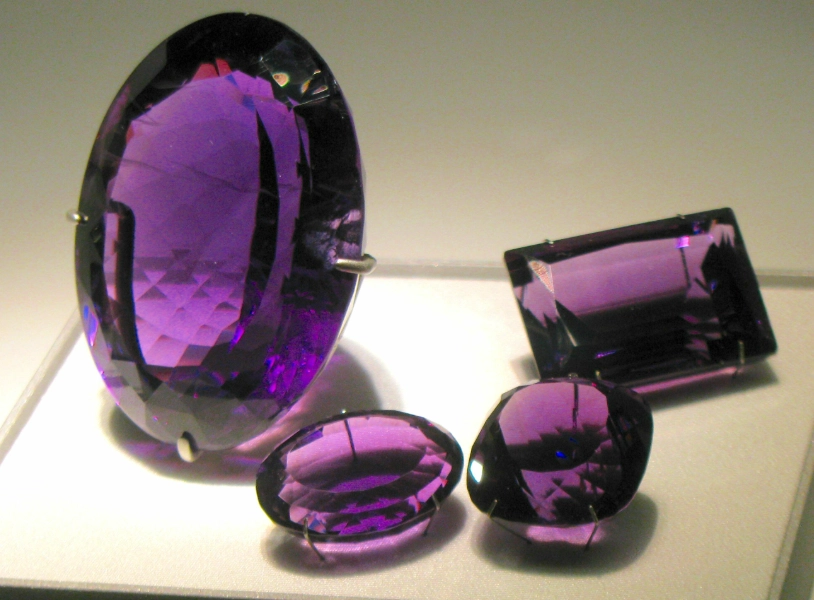
Now, for jewelry, the markup begins. A simple sterling silver amethyst pendant with a small stone might be $30-$80. A solid 14k gold ring with a good quality 1-carat center stone could easily be $200-$500. High-end designer pieces with exceptional stones set in platinum? Those enter the thousands.
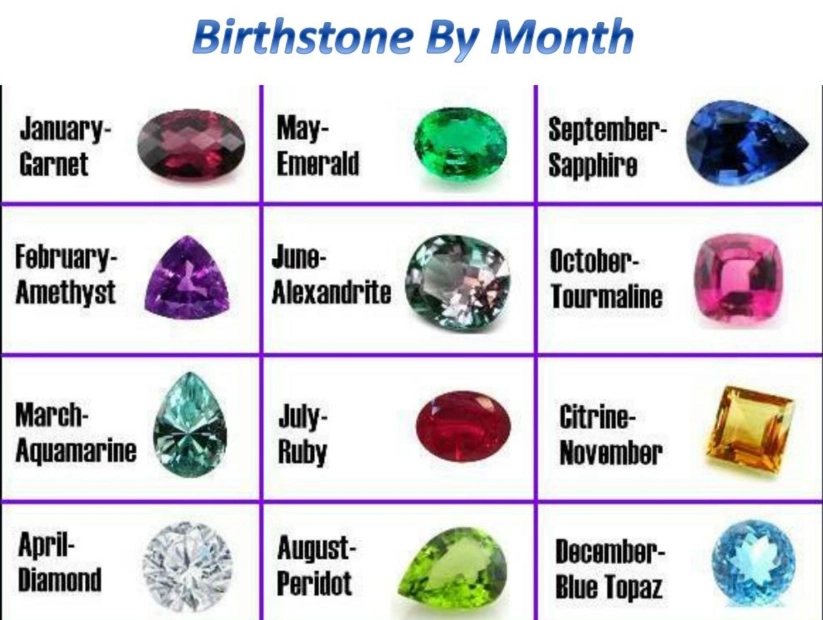
Here's a perspective many miss: amethyst is a type of quartz. Its abundance keeps base prices lower than rare gems like ruby or sapphire. That's why it's the birthstone for February—it's accessible. But within that quartz family, the finest amethyst is treated as a premier gem in its own right.
How is Amethyst Graded and Priced?
Four main factors, often called the "Four Cs" (adapted for colored gems), determine an amethyst's value. They interact with each other. A flaw in one can tank the value, even if others are perfect.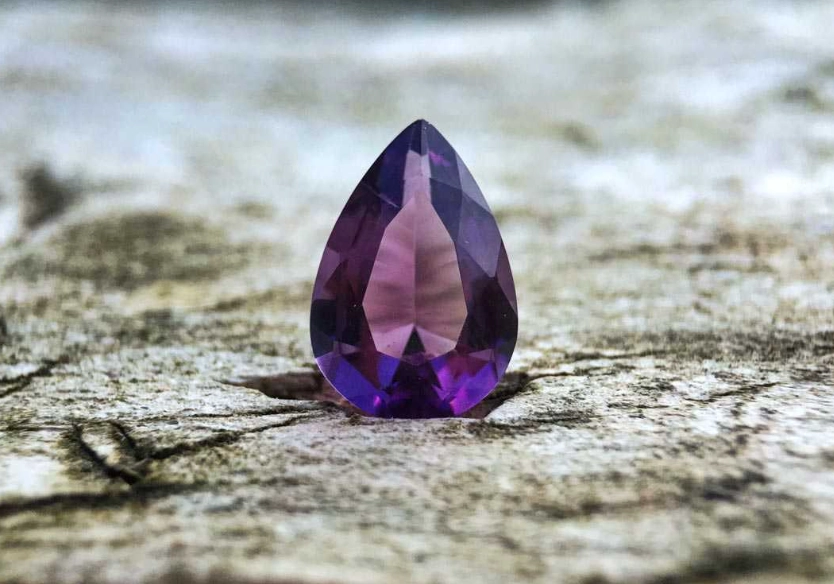
| Factor | What to Look For (High Value) | What Lowers Value | Price Impact |
|---|---|---|---|
| Color | Deep, vivid purple with red/pink flashes ("Siberian" hue). Even saturation throughout the stone. | Pale lilac, grayish or brownish tints. Uneven color zoning (visible light & dark patches). | The #1 driver of price. Top color can multiply value 10x over pale stone. |
| Clarity | Eye-clean (no visible inclusions to naked eye). Some silk-like inclusions acceptable if they don't dull brilliance. | Visible cracks, clouds, or heavy inclusions that reduce transparency or sparkle. | Significant. A visible crack can make a stone fragile and nearly worthless for jewelry. |
| Cut | Precise proportions that maximize brilliance and color. Symmetrical facets. No windowing (see-through dead spots). | Poor proportions, asymmetrical shape, overly deep or shallow cut that loses light. | Major. A great cut can make mediocre color look better. A bad cut ruins a good stone. |
| Carat Weight | Larger stones are rarer, but price per carat increases at certain size thresholds (e.g., over 5 carats, over 10 carats). | Very small melee stones (under 0.5 ct) have low per-carat value. | Non-linear. A 10-ct stone costs more than 10x a 1-ct stone of equal quality. |
A common newbie mistake? Focusing only on carat size. I've seen a poorly cut, washed-out 5-carat stone priced the same as a stunning, intense 1.5-carat stone. The smaller one was objectively the better value and more beautiful gem.
Pro Tip on Color: The term "Siberian amethyst" originally described the deep, reddish-purple stones from Russia. Today, it's used as a color grade, not always a geographic guarantee. Dealers use it for any amethyst showing that top-tier color, regardless of origin. Don't pay a huge "Siberian" premium unless its provenance is documented.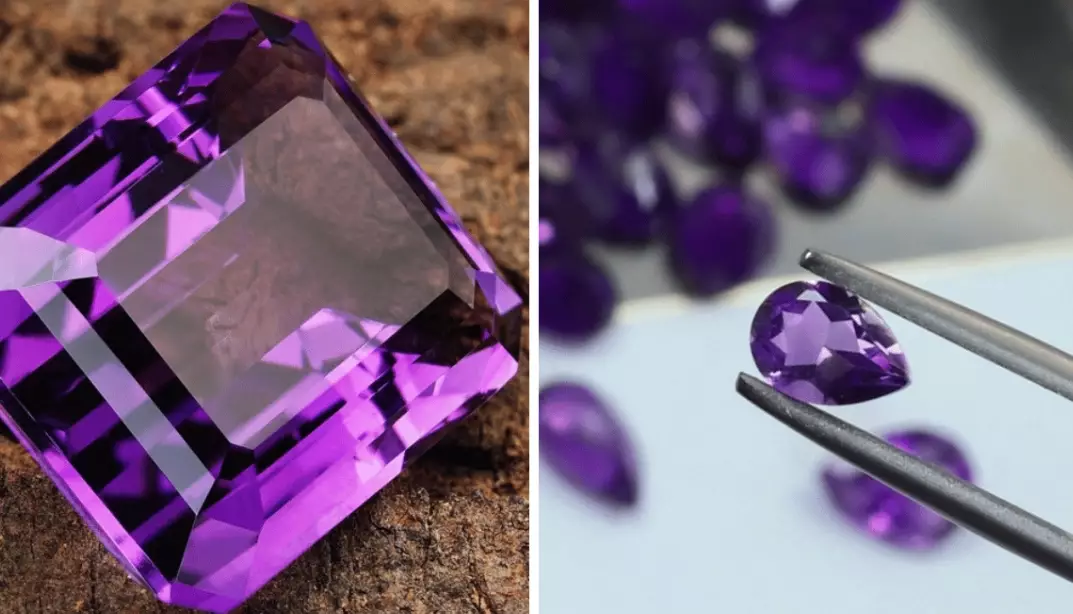
The Impact of Origin and Treatment
Where your amethyst comes from matters, but not in the way you might think. Unlike sapphires (Kashmir) or emeralds (Colombia), there's no single origin that commands a universal, massive premium. However, some locations are legendary for quality.
- Brazil is the giant, producing the vast majority of the world's amethyst, from commercial to fine quality. Uruguayan and Bolivian amethyst often has a deep, saturated color that's highly sought after.
- African sources (like Zambia) can produce stones with a unique, slightly reddish hue.
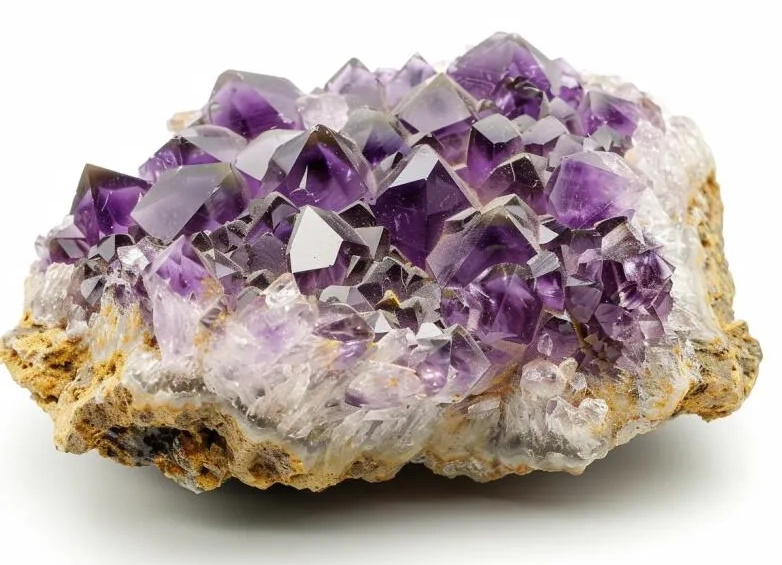
- The classic Russian (Siberian) material is scarce and fetches high prices from collectors, but true antique pieces are rare on the general market.
More critical than origin is treatment. Most amethyst on the market is heat-treated. Natural amethyst is often mined with yellowish (citrine) or greenish (prasiolite) zones. Gentle, controlled heating evens out the color to a stable purple. This is a universal, accepted practice reported by organizations like the Gemological Institute of America (GIA). It doesn't significantly lower value if disclosed.
What you must avoid are stones treated with surface coatings or dye to improve color. These are cheap imitations that wear off. A telltale sign? Use a moist cotton swab with acetone (nail polish remover) to gently rub an inconspicuous part. If color comes off, it's dyed.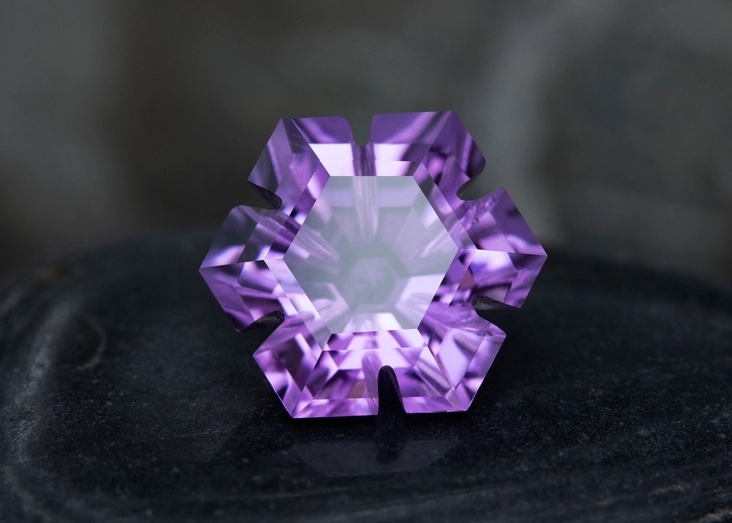
Where Can You Buy Real Amethyst?
Your purchase location drastically affects price and what you get for your money.
Big-Box & Mall Jewelers: Convenient, but you're paying for branding, overhead, and standardized settings. Stones are usually commercial grade (paler, included). You're buying jewelry, not necessarily a fine gem. Prices are often at the higher end for the quality offered.
Local Independent Jewelers: Often the best bet for personalized service and seeing stones in person. A good jeweler can source better quality stones and explain the specifics. Prices can be competitive, and you build a relationship.
Online Retailers (Etsy, eBay, Specialty Sites): Huge range. You can find fantastic deals from lapidaries cutting their own material, but risk is high. Photos lie. Lighting can make pale stone look deep purple. Always check return policies, read reviews, and ask for videos of the stone in natural light. Request a gemological report for any significant purchase.
Gem & Mineral Shows: The playground for enthusiasts. You can buy directly from cutters and miners, handle hundreds of stones, and negotiate. You need some knowledge to navigate, but value can be exceptional.
My personal rule? For a piece I'll wear daily, I go to a trusted local jewler. For a collector's specimen or a loose stone I'll have set later, I hunt at shows or use highly-reputed online specialists.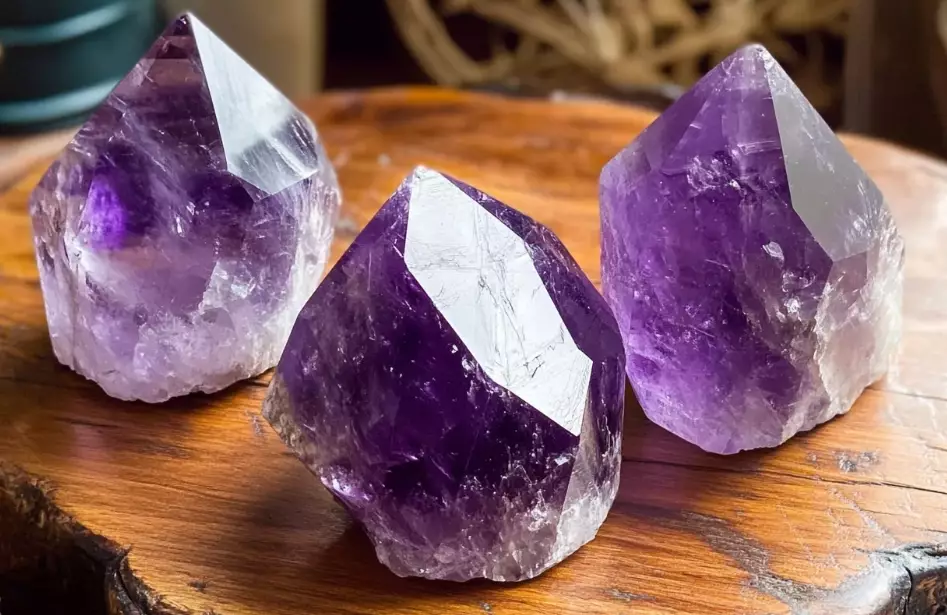
Your Amethyst Price Questions Answered
So, is real amethyst expensive? It can be, but it doesn't have to be. Its beauty lies in that spectrum. You can own a piece of this violet quartz for a modest sum, enjoying its color and lore. Or you can invest in a rare, museum-quality specimen that showcases nature's finest work. The key is understanding the language of color, cut, clarity, and carat. Now you speak it. That knowledge is what turns a simple purchase into a confident acquisition of real value.