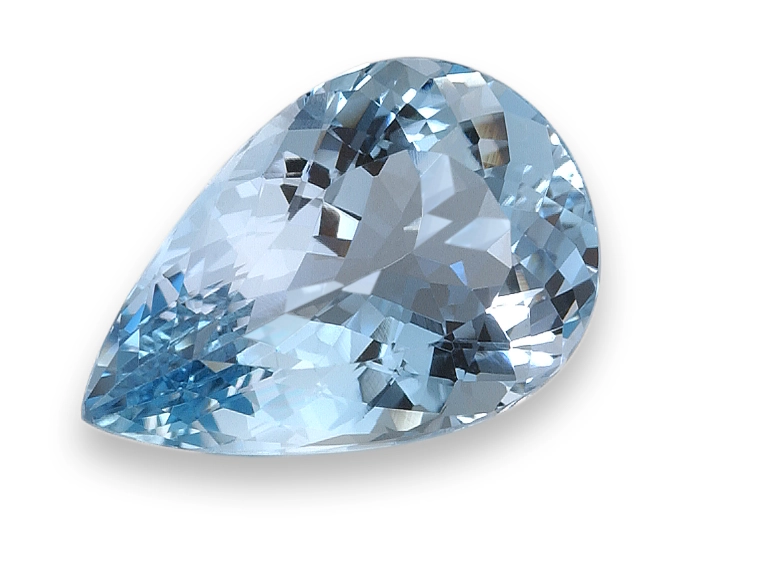
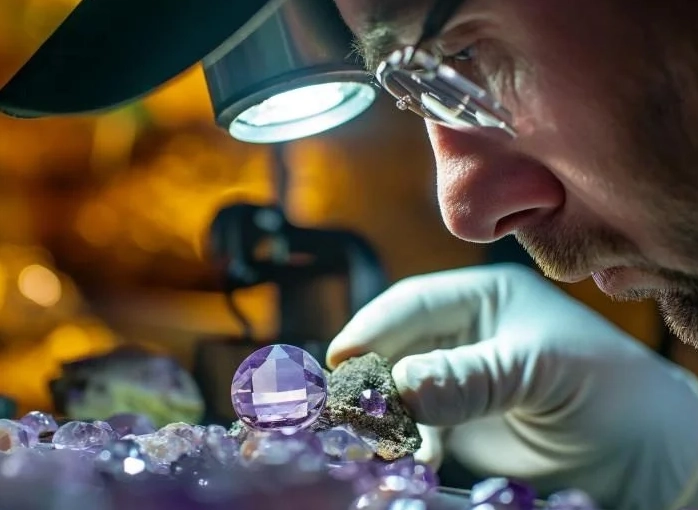
The short answer is: it depends wildly. You can find a small, pale sapphire for less than a nice dinner, and a top-tier, unheated Burmese sapphire can cost more than a house. Calling a sapphire "expensive" is like asking if a car is expensive—a Toyota Corolla and a Ferrari are both cars, but their prices inhabit different universes. The real question isn't a simple yes or no, but what factors push a sapphire's price into the stratosphere or keep it surprisingly accessible. Let's cut through the marketing and look at what you're actually paying for.
What's Inside This Guide?
What Makes a Sapphire Expensive? The 4C's (Plus a Secret 5th)
Forget diamonds for a second. Sapphires have their own rulebook. While the classic 4Cs (Color, Clarity, Cut, Carat) apply, their weight is completely different.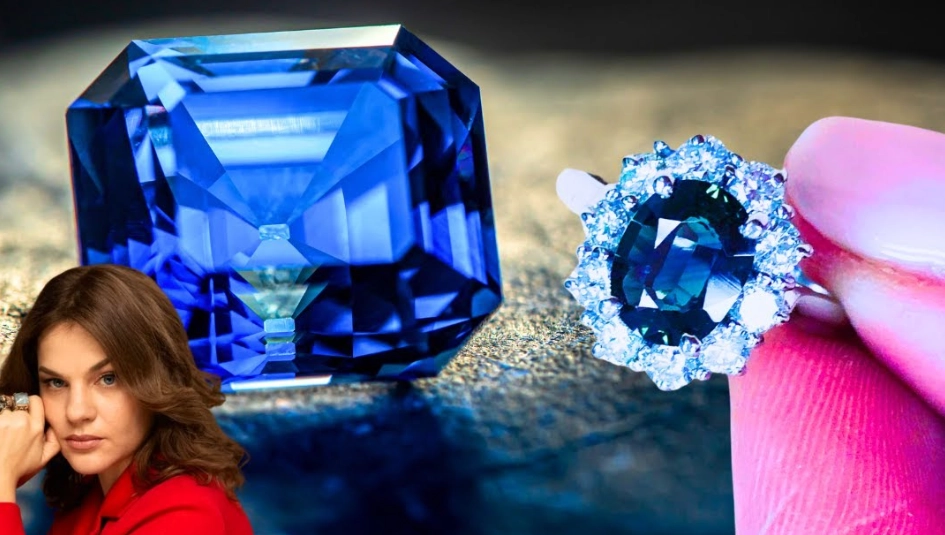
1. Color: The King of Value
This is everything. A sapphire's hue, saturation, and tone dictate 70% of its value. The most coveted color is a vivid, velvety blue with a slight violet undertone, neither too dark nor too light. Trade names like "Royal Blue" and "Cornflower Blue" (often associated with Kashmir) command massive premiums.
Here's a mistake I see all the time: people get fixated on the name "Ceylon sapphire," thinking it automatically means top quality. Ceylon (Sri Lanka) produces beautiful stones, but also plenty of pale, commercial-grade material. The origin tag is useless without evaluating the color in front of you. A stunning Australian sapphire can easily outprice a mediocre Ceylon one.
2. Clarity: Eye-Clean vs. Included
Sapphires are Type II gemstones, meaning some inclusions are expected. The market forgives inclusions more than with diamonds, as long as they don't severely impact brilliance or durability. A stone that is "eye-clean" (no visible inclusions to the naked eye) will cost significantly more than a heavily included one. However, certain inclusions, like fine silk, can create desirable effects like asterism (a star) or velvety appearance, which increases value.
3. Cut: The Forgotten Multiplier
A poor cut can murder a great piece of rough. A cutter's goal is to maximize color and weight. Sometimes, to preserve carats, they produce a windowed or too-deep stone that looks dead in the center. A premium cut that returns light evenly and showcases the color beautifully adds a hidden premium. It's often the difference between a stone that sings and one that just sits there.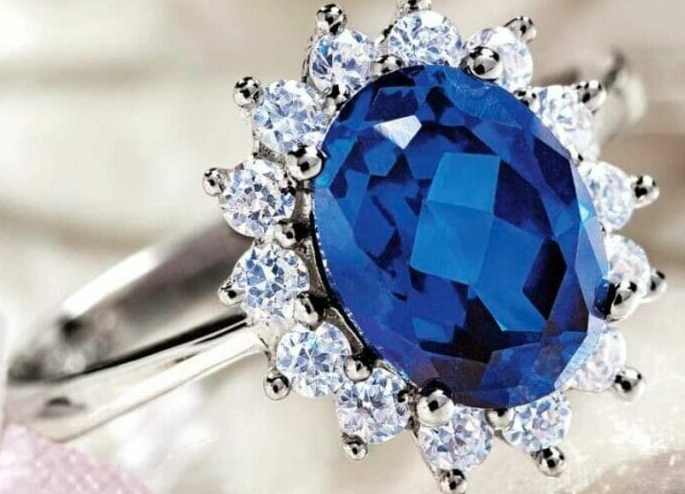
4. Carat Weight: Exponential, Not Linear
Price per carat jumps dramatically with size. A 2-carat sapphire of a given quality isn't twice the price of a 1-carat one; it could be three or four times. Large, fine-quality rough is exponentially rarer.
5. The Secret Factor: Treatment & Origin
This is where prices truly diverge.
Heat Treatment: The vast majority (around 95%) of sapphires are heated to improve color and clarity. This is a stable, accepted practice. An unheated sapphire of equal appearance to a heated one can be 5x to 20x more expensive. The premium is for rarity and natural perfection.
Other Treatments (Diffusion, Filling, Dyeing): These are less stable and significantly reduce value. They must be disclosed.
Origin: Provenance matters. Stones from legendary, depleted sources like Kashmir (India) or certain classic Burmese (Myanmar) mines carry a collector's premium, sometimes double or triple the price of a visually similar stone from Montana or Madagascar. A lab report from a reputable source like the Gemological Institute of America (GIA) is essential for verifying both treatment and suggested origin.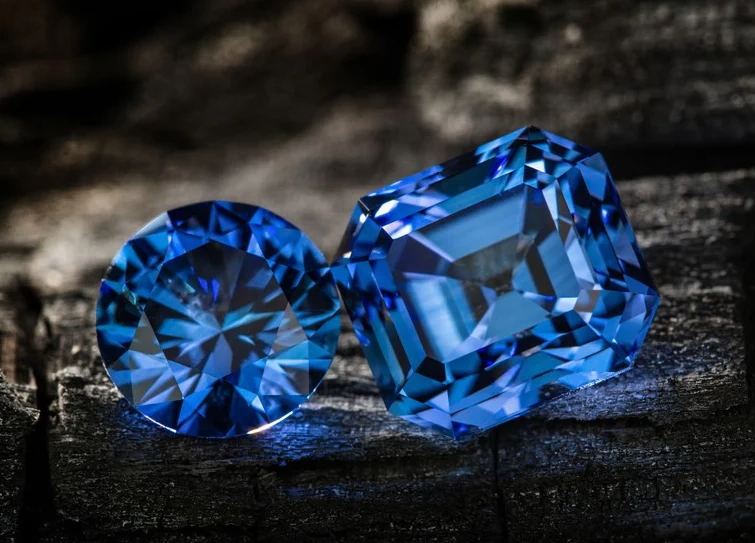
My Take: Don't get hypnotized by the "no heat" label alone. A beautifully heated sapphire with fantastic color is a smarter buy for most people than a mediocre, expensive unheated stone. The key is disclosure—you should always know what you're getting.
How Much Do Sapphires Actually Cost? A Reality Check
Let's translate those factors into real numbers. Remember, these are broad ranges for standard, commercial-quality to fine-quality stones in the retail market. Auction prices for exceptional pieces are a different world.
| Quality Tier | Color Description | Clarity | Price Per Carat (USD) - Heated | Example: 2-carat Stone Total |
|---|---|---|---|---|
| Commercial | Pale to light blue, grayish or greenish undertones. | Visible inclusions. | $50 - $300 | $100 - $600 |
| Good | Medium blue, decent saturation, pleasant color. | Eye-clean to minor inclusions. | $300 - $1,000 | $600 - $2,000 |
| Fine | Vivid, saturated blue (e.g., "Royal Blue"), excellent tone. | Eye-clean. | $1,000 - $3,000+ | $2,000 - $6,000+ |
| Exceptional / Unheated | Top color (Kashmir-like, intense Royal Blue). | Loupe-clean or with desirable silk. | $3,000 - $10,000+ | $6,000 - $20,000+ |
| Collector / Kashmir | Unmatched velvety cornflower blue with saturation. | Typical fine silk. | $10,000 - $50,000+ | $20,000 - $100,000+ |
See the spread? A "sapphire" isn't a single product. That $100 commercial stone and the $50,000 collector's piece are both corundum, but they're not in the same conversation.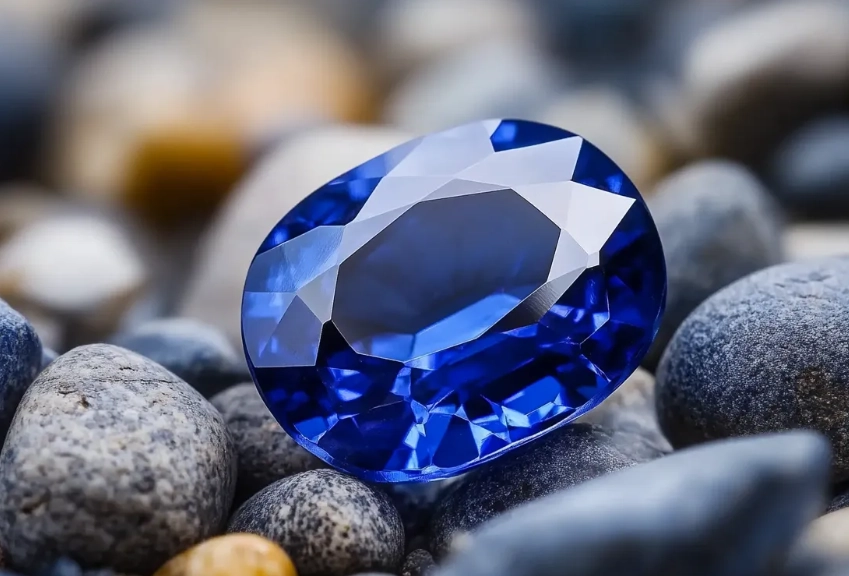
How to Buy a Sapphire Without Overpaying? 3 Practical Rules
Based on watching people make expensive mistakes, here's my advice.
Rule 1: Prioritize Color Over Everything (Including Carat). A smaller stone with breathtaking color will always be more satisfying and hold value better than a larger, dull one. Don't compromise on hue and saturation to get an extra half carat.
Rule 2: Demand a Reputable Lab Report for Any Significant Purchase. I mean GIA, AGL (American Gemological Laboratories), or Gubelin. A store's "in-house certificate" is worthless. The report is your insurance policy against undisclosed treatments and misrepresented origin. It's non-negotiable.
Rule 3: View the Stone in Multiple Lights. A sapphire can look like a million bucks under a jeweler's spotlight and flat in daylight. Ask to see it by a window and under ordinary indoor light. The best stones look good everywhere.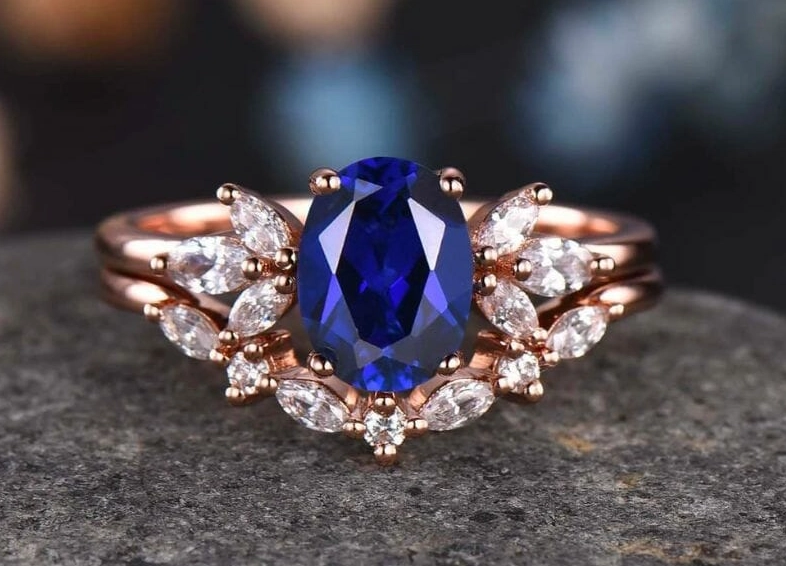
Lab-Grown vs. Natural: A Price Game Changer
This is the biggest shift in the market. Lab-created sapphires have identical chemical and physical properties to mined stones. The difference? They cost a fraction of the price.
You can get a large, vivid, flawless lab-grown blue sapphire for $200-$500 total, not per carat. For someone who just loves the look and durability, it's a fantastic, ethical option. But it's not an investment. It has no rarity, so its monetary value is minimal.
The market is splitting: natural sapphires are becoming luxury/collector items, while lab-grown dominates the affordable fashion and entry-level segment. Knowing which camp you're in before you shop saves a lot of confusion.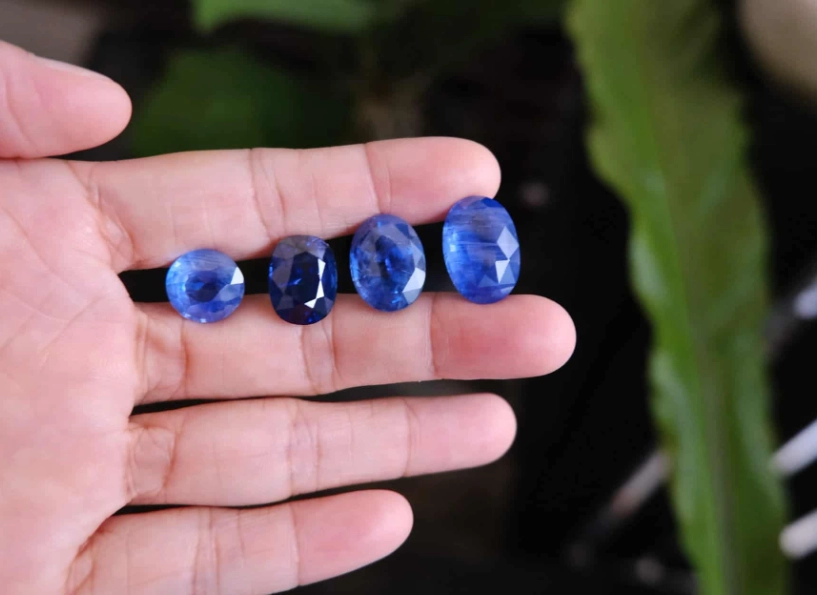
Your Sapphire Price Questions Answered
Not at all. Heated sapphires represent the vast majority of the market and offer the best value for color and clarity. The treatment is permanent and stable. The issue is paying an unheated price for a heated stone. As long as it's disclosed (and it should be), a heated sapphire is a perfectly wise purchase. The value hit comes from non-disclosure, not from the heating itself.
For a solitaire in a simple setting, aim for these benchmarks. For a good quality (nice medium blue, eye-clean) 1-carat heated sapphire, budget $500-$1,500 for the stone. For a fine quality 1-carat stone, expect $1,500-$4,000+. If you want an unheated stone of fine quality, start at around $4,000 and go up from there. Always allocate separate budgets for the stone and the setting.
Several reasons. They might be very low-quality commercial grade (pale, included). They could be treated with unstable methods like diffusion or glass-filling, which isn't always disclosed. Sometimes they're synthetic (lab-grown) sold as natural. Or, they're simply small. The old adage holds: if a deal seems too good to be true for a vivid, large sapphire, it almost certainly is. Cheap usually means compromised quality, treatment, or honesty.
High-quality natural sapphires with great color, clarity, and reputable origin have a strong history of holding value and appreciating, especially unheated stones from famous localities. They are finite resources. Commercial-grade, heavily treated, or lab-grown sapphires are consumer goods—they depreciate, like most mass-produced items. If resale value is a concern, focus on the best natural color you can afford with a solid lab report.
Often, yes, because true padparadscha color is exceptionally rare. A fine, unheated padparadscha can command prices comparable to top-tier blue sapphires. However, the market is flooded with stones that are just light orange or light pink being called "padparadscha." A genuine, saturated salmon or sunset hue is a premium product. Be extra cautious and insist on a lab report for these.
So, is a sapphire an expensive stone? It can be one of the most expensive gemstones on Earth, or a surprisingly accessible piece of beauty. The price tag isn't attached to the word "sapphire"; it's attached to the specific combination of color, clarity, treatment, and origin in that particular stone. Your job as a buyer is to learn that language, so you can decide where on that vast spectrum your perfect stone—and budget—lies.