Let's get this out of the way first: when most people say "diamond shape," they're usually talking about the silhouette you see from above—round, square, pear. But here's the thing that trips up a lot of buyers. That outline is just the starting point. The real magic, what makes a diamond sparkle or look dull, is the cut—the precise arrangement, proportions, and angles of all those tiny facets underneath. Think of shape as the genre of a book (mystery, romance) and cut as the quality of the writing. You can have a poorly written mystery or a masterpiece. I've seen stunning oval diamonds that look lifeless because the cut was bad, and breathtaking round brilliants that command attention from across the room. This guide will untangle shape from cut and show you how to pick the perfect one.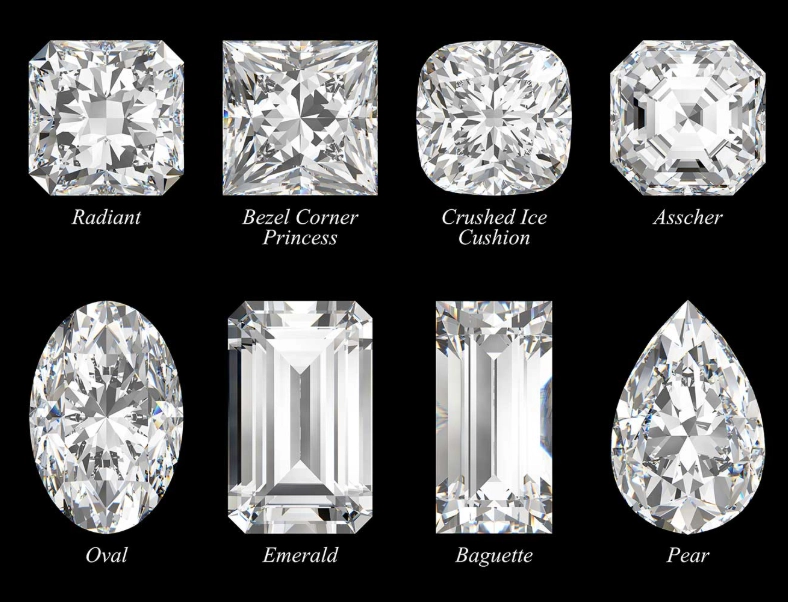
What's Inside This Guide?
Shape vs. Cut: The One Mistake Almost Everyone Makes
This is the hill I will die on in gemology. Confusing these two terms leads to disappointment. The Gemological Institute of America (GIA) is very clear about this.
Cut refers to the craftsmanship—the proportions, symmetry, and polish that determine how well light performs within that shape. It's the "function."
You ask for a "Princess Cut," but you're really asking for a square-shaped diamond cut in a specific brilliant style. The "cut grade" on a GIA report (Excellent, Very Good, Good, etc.) evaluates the quality of that craftsmanship within the chosen shape. A common pitfall? Assuming all fancy shapes (anything non-round) have a universal "Excellent" cut standard. They don't. The criteria differ. An "Excellent" cut for an emerald shape focuses on the clarity and elegance of its hall-of-mirrors effect, not the explosive fire of a round.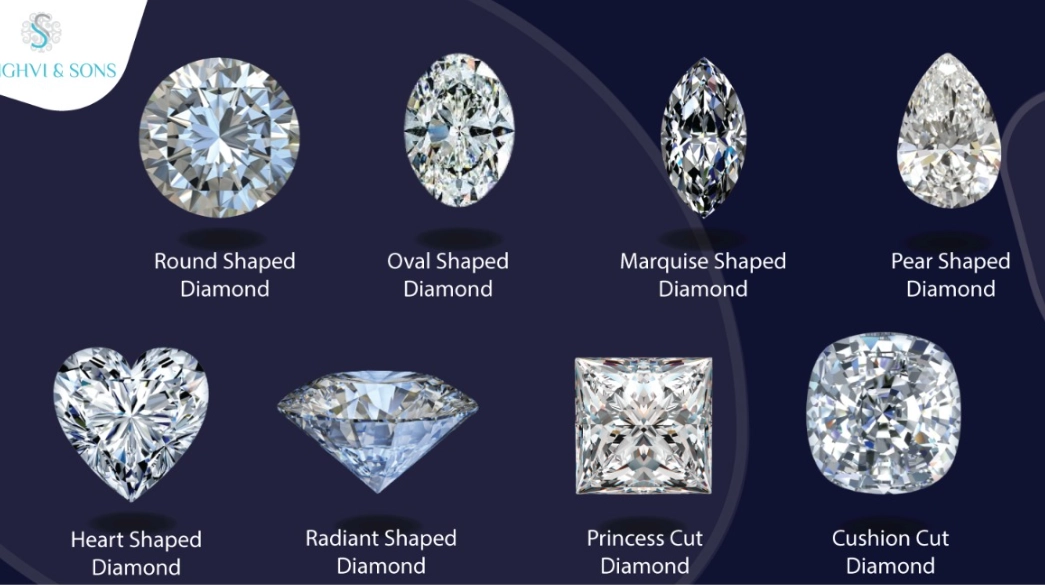
The Major Diamond Shapes: A Detailed Breakdown
Let's move beyond basic descriptions. Here’s what you need to know about each primary shape, beyond the sales brochure.
| Shape | Key Characteristics | Best For | Considerations & Expert Note |
|---|---|---|---|
| Round Brilliant | 58 facets standard. Maximizes fire (color flashes) and brilliance (white light return). The most researched and optimized shape. | Maximum sparkle, classic appeal, resale value. The safe, brilliant choice. | Most expensive per carat due to highest rough crystal waste (over 50%). Cut quality is paramount; never compromise on cut grade here. |
| Princess | Square or rectangular with sharp corners. A brilliant-cut style, so it's very sparkly. Modern and clean. | Contemporary style, often appears larger per carat than round. Popular for engagement rings. | Corners are vulnerable to chipping. Requires a V-prong or bezel setting for protection. Look for depth between 65-75% for good light performance. |
| Cushion | Square or rectangular with rounded corners (like a pillow). Can be cut for more brilliance or a "crushed ice" look. | Vintage or romantic styles. Offers a softer, glowing appearance. | The "crushed ice" cushion can mask inclusions but may also lack the crisp sparkle of a brilliant cushion. Know which look you prefer. |
| Emerald | Rectangular with stepped facets (parallel lines). Creates a "hall of mirrors" effect with long flashes of light. | Elegant, understated glamour. Favored for its clean, architectural lines. | Demands high clarity and color grade. Inclusions and lower color are far more visible in its open table. Not the most sparkly, but incredibly chic. |
| Pear | Hybrid of round and marquise, with a pointed end and rounded end. Creates a lengthening effect. | Unique, feminine, flattering on fingers. Can be worn with point up or down. |
I remember a client obsessed with the idea of a pear shape but worried it looked "too trendy." We looked at portraits from the 1400s featuring pear-shaped gems. That historical perspective sealed the deal for her—it wasn't trendy, it was timeless.
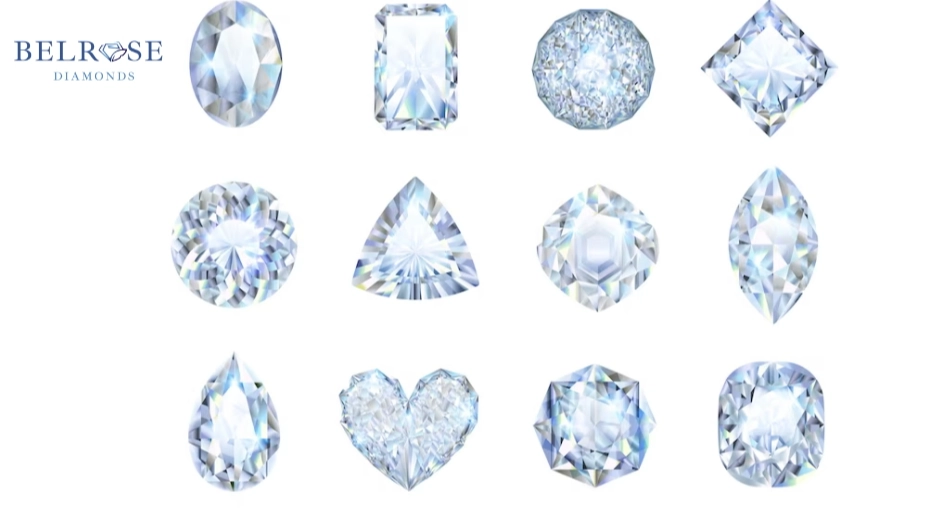
The other key shapes follow similar principles. Oval diamonds offer the brilliance of a round but with a lengthening effect on the finger. They can suffer from the "bow-tie" effect—a dark area across the center—if cut poorly. Marquise is dramatic and elongating but has two very sharp points to protect. Heart shape is the most sentimental and technically challenging to cut symmetrically. Radiant is a rectangular or square hybrid with the clipped corners of an emerald and the facet pattern of a round, offering both sparkle and modernity. Asscher is like a square emerald cut, often with a higher crown and smaller table, producing a deep, mesmerizing hall-of-mirrors look. It's my personal unsung hero of diamond shapes.
How to Choose a Diamond Shape For Your Hand and Style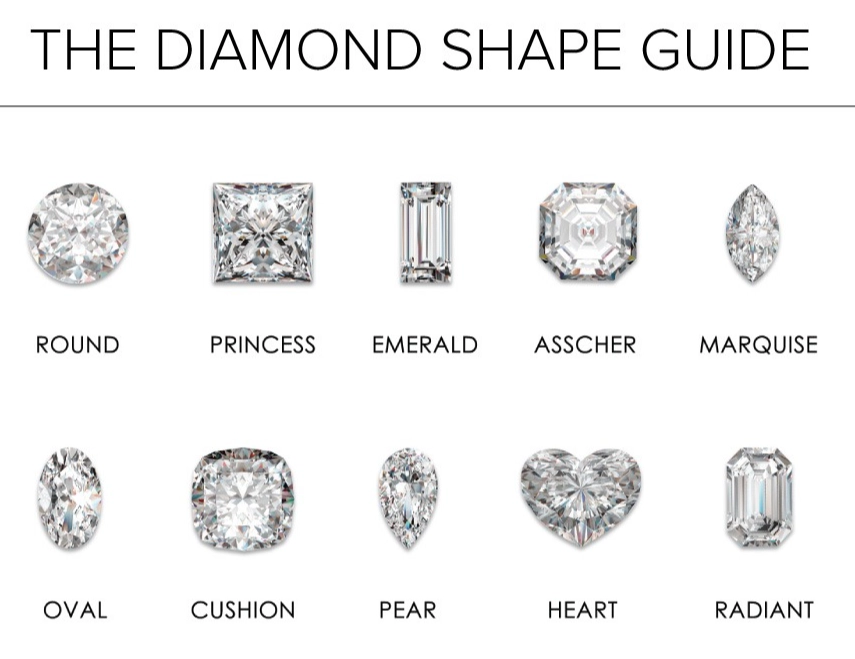
Forget generic advice. Try this instead.
Look at Your Finger Proportions
Long, slender fingers? Almost any shape works, but elongated shapes (oval, marquise, emerald) can look exceptionally elegant. Shorter fingers? Rounds, cushions, and princess cuts can create a balanced look without over-elongating. Wider fingers? Larger face-up shapes like ovals or radiants can be very flattering. The best test? Go try some on, even cheap CZ replicas, and take photos. Your eye is the best judge.
Consider Your Lifestyle
Do you work with your hands, garden, or hit the gym regularly? Shapes with points (pear, marquise, princess) or softer corners (cushion, round) might be more practical than a shape with exposed, sharp corners. A bezel setting can make any shape more secure.
Think About Metal and Setting
A classic solitaire setting lets the shape speak for itself. A halo setting can make the center stone appear larger and can protect points. For a three-stone ring, mixing shapes (e.g., a pear center with trapezoid side stones) requires careful proportioning. Yellow gold can warm up lower color grades in fancy shapes, while platinum or white gold emphasizes cool, white sparkle.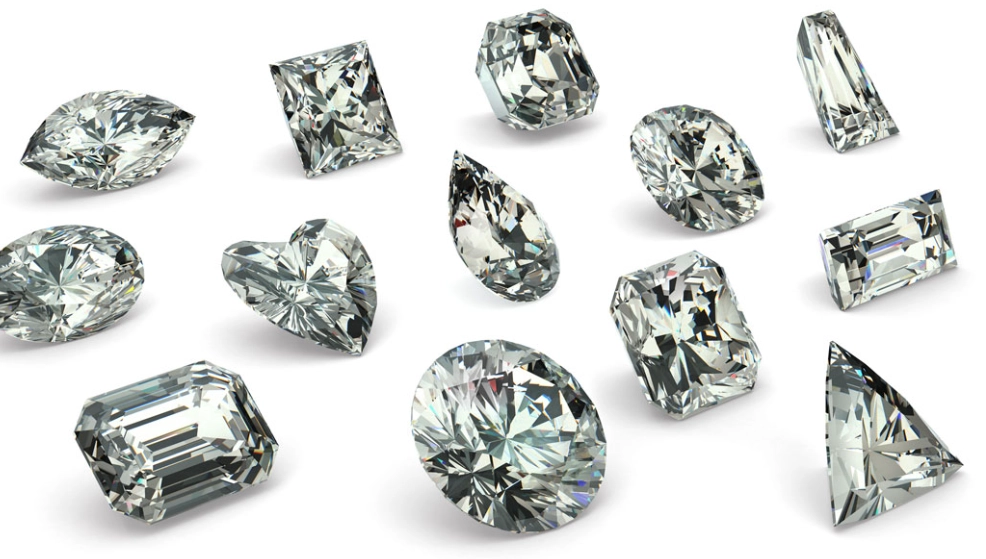
How Shape Dramatically Affects Diamond Price
Here’s the financial reality no one likes to talk about upfront. Round brilliant diamonds are the most expensive per carat. Why? Market demand is huge, and cutting a round from a rough octahedral crystal wastes more than 50% of the original material. Fancy shapes (princess, cushion, oval, etc.) are generally 20-40% less expensive per carat than rounds of similar quality because they are cut to preserve more weight from the rough. This is the single biggest lever for getting a larger-looking stone on a budget. Want a 1.5-carat look for a 1-carat round budget? A well-chosen oval or radiant might get you there.
But there's a trade-off. The cut quality standards for fancy shapes are less uniformly defined than the mathematical ideal for rounds. You have to be more vigilant. A "spready" oval might have a larger surface area for its weight but a poor cut that makes it look glassy. You're not always getting a free lunch.
From Rough to Radiant: How a Diamond's Shape is Chosen
It's not like picking a cookie cutter. The cutter analyzes the raw diamond crystal, mapping inclusions, color zoning, and the natural crystal shape. The primary goal is to yield the largest, cleanest possible finished stone while minimizing waste. A long, flat crystal might naturally become a marquise or oval. A more cubic crystal suggests a princess or cushion. The cutter's skill lies in balancing yield with optical performance. Sometimes, forcing a popular round shape from an unsuitable crystal means sacrificing both size and brilliance. This is why some shapes are more readily available than others.
Shape-Specific Care and Setting Tips
Different shapes have different vulnerabilities. Rounds and ovals are fairly robust. Princess, Asscher, and Radiant shapes have sharp corners that need protective settings (V-prong or bezel). Pear and Marquise shapes have delicate points that are prime targets for chipping—always protect them with prongs or a v-tip setting. When cleaning at home, use a soft brush and be gentle around prongs covering points and corners. Ultrasonic cleaners are generally safe for rounds but can be risky for stones with feathers (internal cracks) or for fancy shapes in older, worn settings.
Your Diamond Shape Questions Answered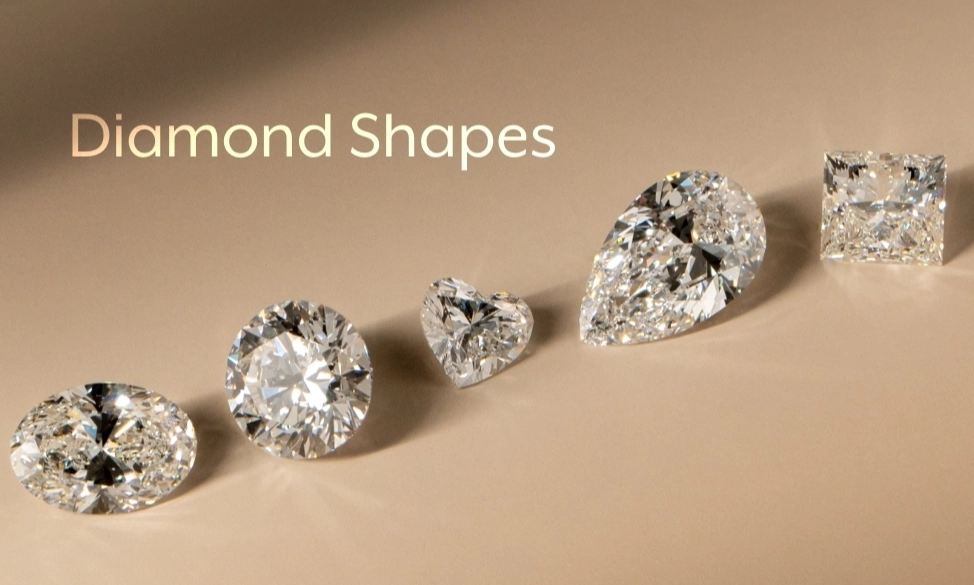
Does an emerald cut diamond look smaller than a round of the same carat weight?
It can, depending on its proportions. An emerald cut carries more of its weight in its depth (the "belly" under the table). A poorly proportioned one will look smaller face-up. A well-cut emerald with a larger table and appropriate depth can have a very impressive footprint. Always check the millimeter dimensions, not just the carat weight.
Is a heart-shaped diamond tacky or prone to breaking?
Tacky is subjective—it's a symbol of love, and when well-cut, it's beautiful. As for durability, the cleft (the dip at the top) is a potential weak point if it's very shallow or has an inclusion. A skilled cutter will orient the stone to avoid this, and a good setting will protect the point. It's not inherently fragile, but it requires a quality cut and setting.
 I want a unique shape but worry about resale value. What should I do?
This is a real concern. Round brilliants have the most liquid market. For fancy shapes, stick to the popular ones (oval, cushion, princess) if resale is a priority. Truly rare cuts (like old European or certain antique cushions) have a niche market. Buy the shape you love for the long term, but understand that a 3-carat marquise might take longer to sell than a 3-carat round. Consider it a piece of jewelry first, an investment second.
Can I get a lab-grown diamond in any shape?
Absolutely. In fact, lab-grown diamonds offer even more flexibility. Since the rough is grown in a controlled block form, cutters have more freedom to optimize for beauty over yield. You'll find excellent availability in all shapes, often at even more accessible price points than their natural counterparts, especially for fancy shapes.
What's the best diamond shape to hide inclusions?
Brilliant-cut shapes (round, princess, radiant, oval) with lots of small, moving facets are best at disguising inclusions by breaking up light. Avoid step cuts (emerald, asscher) if the stone has lower clarity, as their large, open facets act like windows straight into the diamond.