If you're searching for the world's single most expensive diamond, you might expect a simple name and a price tag. The reality is more fascinating and complex. The title doesn't belong to a diamond sitting in a private vault waiting for a billionaire's bid. It belongs to a stone so historically significant and so deeply embedded in a nation's heritage that its value is considered incalculable. Based on its characteristics, provenance, and symbolic weight, the strongest contender for the number one spot is the Cullinan I, also known as the Great Star of Africa, mounted in the head of the Sovereign's Sceptre with Cross in the British Crown Jewels.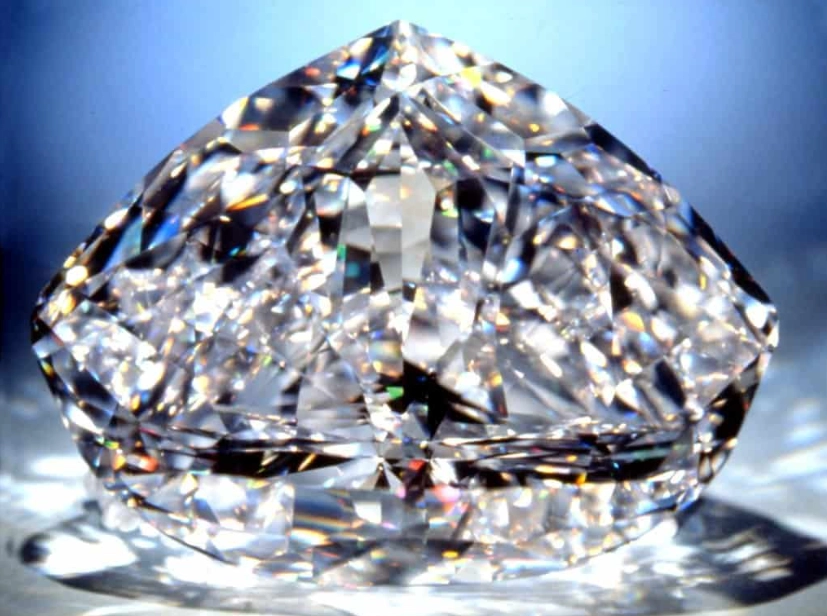
What You'll Discover
The Undisputed Contender: Cullinan I
Let's cut through the noise. When experts in gemology and royal historians debate the most valuable cut diamond, the Cullinan I consistently tops the list. It's not just big; it's a masterpiece with a story that adds zeroes to its worth.
The Cullinan diamond was a monstrous 3,106 carats in the rough, discovered in 1905 at the Premier No. 2 mine in South Africa. It was named after the mine's chairman, Thomas Cullinan. The Transvaal government bought it and presented it to King Edward VII as a gesture of goodwill. The king entrusted the cutting to the renowned Asscher brothers of Amsterdam.
Joseph Asscher studied the stone for months before making the first blow. Legend says the initial steel blade broke. On the second try, the diamond cleaved perfectly, and Asscher fainted from the tension. The original stone was cleaved into nine major numbered stones (Cullinan I to IX) and 96 smaller brilliants.
The Bottom Line: The Cullinan I is the largest clear-cut diamond from the largest gem-quality rough diamond ever found. That combination of supreme size and royal destiny is unmatched.
| Characteristic | Details |
|---|---|
| Name | Cullinan I / Great Star of Africa |
| Current Location | Sovereign's Sceptre with Cross, British Crown Jewels, Tower of London |
| Cut & Shape | Pear-shaped brilliant (also called a drop brilliant) |
| Weight | 530.4 carats |
| Color Grade | Exceptional white (Colorless, likely D-F range) |
| Clarity | Flawless to the eye; reports suggest exceptional clarity |
| Origin | Premier Mine, Cullinan, South Africa (1905) |
Why "Priceless" Has a Price: The Valuation Logic
Saying something is "priceless" is unsatisfying. In the world of ultra-high-value assets, experts still make estimates. For the Cullinan I, they use a framework called comparative valuation.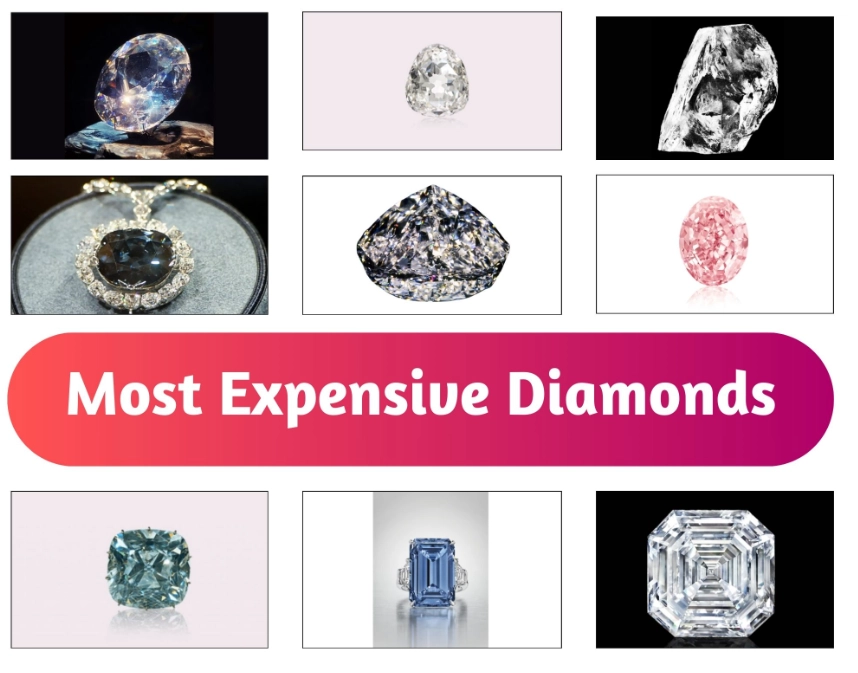
Look at recent market benchmarks:
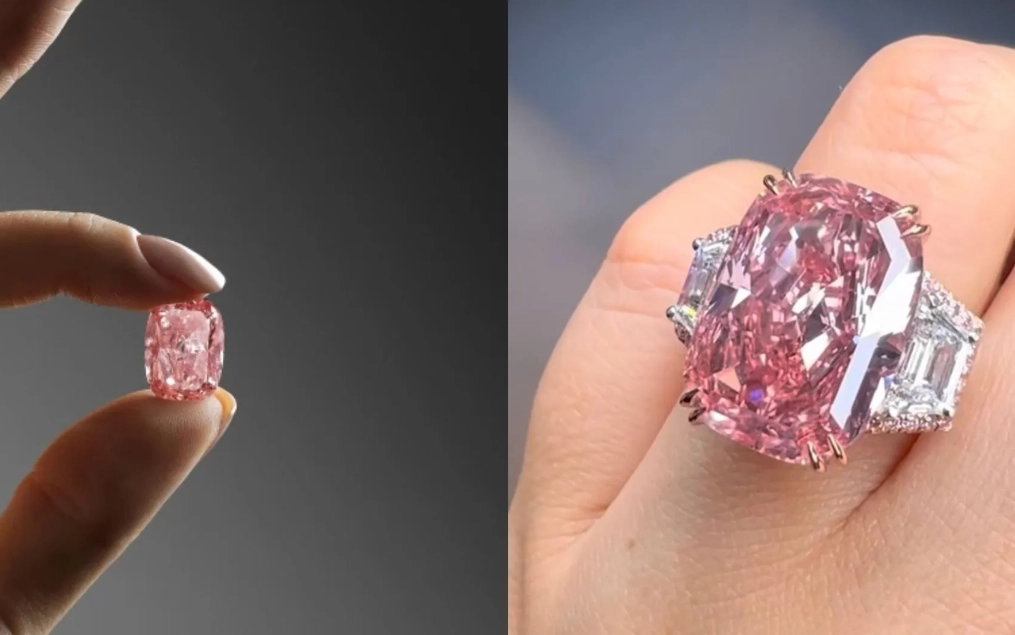
- The Pink Star diamond (59.60 carats, Fancy Vivid Pink) sold for $71.2 million in 2017, roughly $1.2 million per carat.
- The CTF Pink Star (renamed after the buyer) is a similar stone.
- Large, flawless white diamonds of exceptional quality routinely fetch over $200,000 per carat at auction.
The Cullinan I is over eight times the size of the Pink Star, of the finest white color, flawless, and with a historic royal provenance that no other diamond can claim. Conservative estimates from luxury asset appraisers, factoring in a massive "provenance premium," place its insurance value between $400 million and $650 million. Some argue that if it were ever to come to a theoretical auction, competitive bidding between nations and billionaires could push it close to $1 billion.
Its value isn't just in the stone. It's in the sceptre. It's in being the literal centerpiece of the coronation regalia. You're not buying a gem; you're buying a piece of the British monarchy's tangible history.
The Factors You Can't Ignore (That Most Articles Do)
Everyone talks about the 4Cs. For this level of diamond, you need to talk about the 4Ps: Provenance, Politics, Permanence, and Public Perception.
Provenance is king. The diamond's journey from South Africa to the British Crown is well-documented. This airtight history eliminates any doubt about its authenticity or ethical origins (by the standards of its time), which is a huge deal for modern collectors.
Politics make it unsellable. It's owned by the British state in right of the Crown. Selling it is politically inconceivable. This artificial scarcity guarantees its status.
Permanence refers to its setting. It's not in a necklace that could be redesigned. It's in the Sovereign's Sceptre, used in coronations since 1911. This immutability cements its identity.
Public Perception is global. It's one of the most viewed objects in the world at the Tower of London. This fame adds an intangible brand value that a private stone lacks.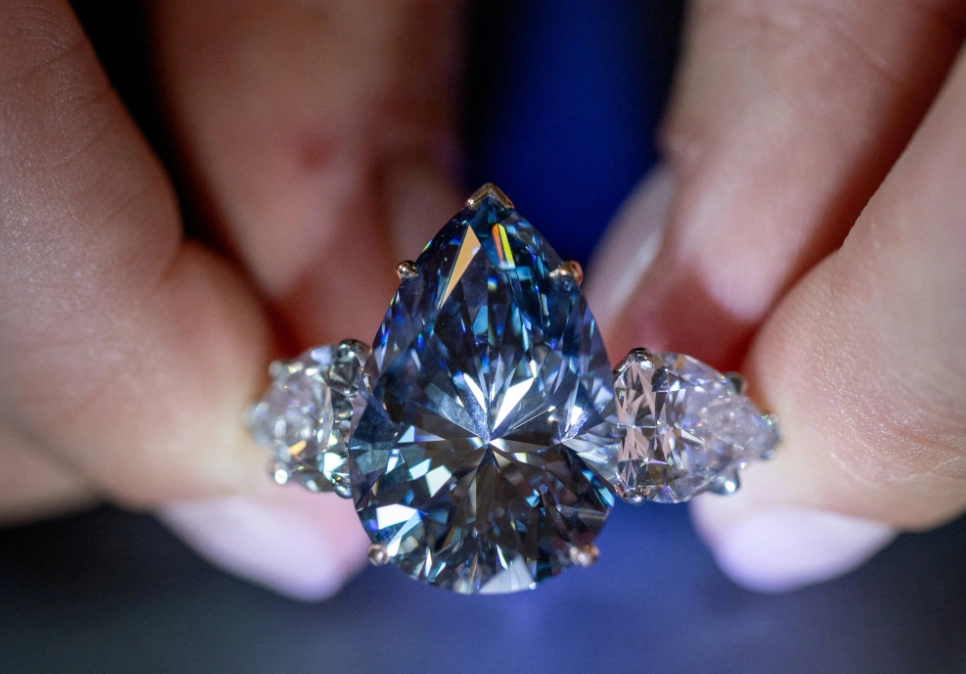
Where Can You Actually See It? (Plan Your Visit)
Unlike diamonds locked in private collections, you can see the Cullinan I. Here's the practical information most guides skip.
Location: The Jewel House, Tower of London, London, UK.
How to View It: It's mounted at the top of the Sovereign's Sceptre with Cross, which is displayed in a secure glass case alongside other Crown Jewels. You view it as part of the wider Crown Jewels exhibition.
Best Time to Visit: Weekday mornings right at opening (usually 9:00 AM) to avoid the largest crowds. The line for the Jewel House can get very long, especially in summer.
A Pro Tip: Don't rush. The sceptre is often displayed in a rotating case. Take a moment to walk around and see the diamond catch the light from different angles. Its brilliance is breathtaking, even through the glass.
Can you see it up close? No. The security is immense, as you'd expect. You'll be behind barriers, but the viewing is still clear and impressive.
Common Myths and Expert Insights
After years writing about gems, I see the same mistakes. Let's clear them up.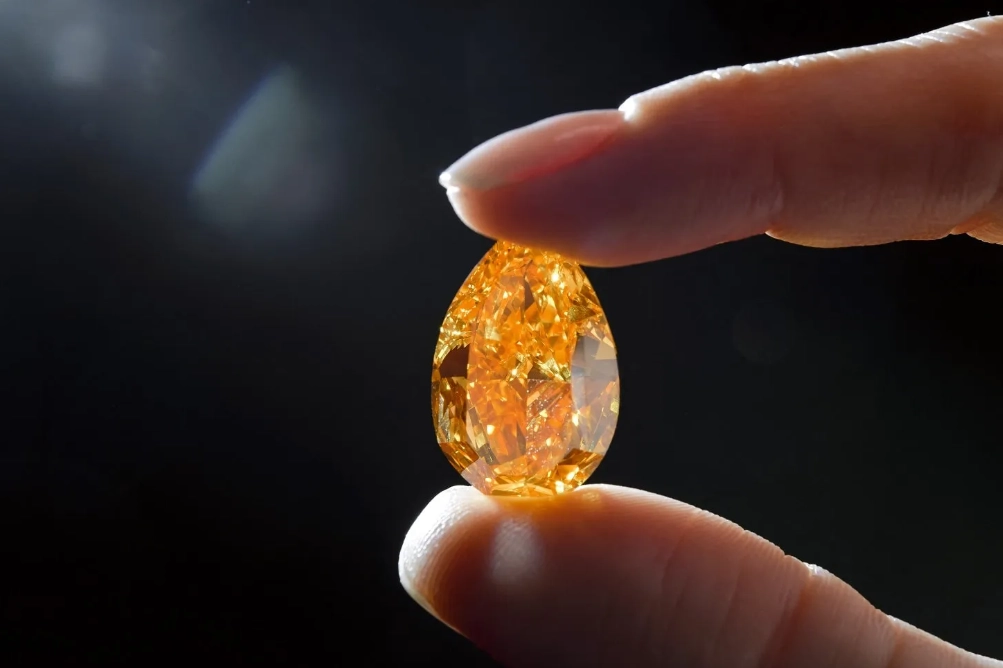
Myth 1: The Koh-i-Noor is the most expensive. The Koh-i-Noor (106 carats) is historically contentious and visually stunning, but in terms of pure gemological value and size, it doesn't surpass the Cullinan I. Its value is immense but more heavily weighted to historical conflict than to stone characteristics.
Myth 2: A private buyer could own this. They couldn't. The Crown Jewels are not the personal property of the monarch; they are held in trust by the nation. An act of Parliament would be needed to dispose of them, which is a political non-starter.
Myth 3: Its value is only because it's big. This is the biggest oversight. Size alone doesn't create a billion-dollar diamond. The Cullinan I combines supreme size with flawless quality in color and clarity, a legendary origin story, and unbreakable royal integration. Remove any of those pillars, and the value drops precipitously.
One subtle point most miss: the cutting. In 1908, cutting a 530-cat stone to a pear brilliant with such exceptional proportions was a staggering feat of skill and nerve. Modern laser technology reduces risk, but back then, it was an act of supreme artistry. That historical craftsmanship adds another layer of value.
Your Top Questions Answered
Could the Cullinan I ever be sold, and what would happen?
The short answer is no, it's virtually impossible. Legally, it would require an act of the UK Parliament. Politically, the public and international backlash would be catastrophic. Symbolically, it would mean dismantling a core piece of the coronation ceremony. If, in a theoretical universe, it was sold, it would likely be to a foreign state or an institution like a national museum, not a private individual. The price would be a geopolitical event, not just a sale.
How do they insure something like this, and who pays for it?
The Crown Jewels are insured by the British government. Essentially, the state self-insures this irreplaceable collection. They don't pay a premium to a commercial insurer. Instead, the cost is the immense, multi-layered security at the Tower of London—the armed guards, the vault, the alarm systems, and the overall security detail. That's the "premium." The loss would be considered a national security and heritage disaster, not just a financial one.
 What's the difference between "most expensive" and "most valuable"?
This is a key distinction. "Most expensive" typically refers to an actual price paid in a transaction (like the Pink Star's $71.2 million). "Most valuable" encompasses a broader assessment of worth, including cultural, historical, and symbolic value that may never be realized in cash. The Cullinan I is the "most valuable" because its total worth—gemological + historical + symbolic—exceeds that of any diamond with a publicly known sale price. It sits at the top because its value transcends the market.
Are there any diamonds that could potentially rival its value in a private sale?
Potentially, yes, but they'd need a perfect storm of attributes. Imagine a newly discovered, internally flawless, 100-carat Fancy Vivid Red diamond with a completely clean, modern provenance. Red diamonds are the rarest of all. Such a stone could challenge per-carat records set by pinks and blues. However, even then, it would lack the centuries of history and global recognition that give the Cullinan I its untouchable status. It would be the most expensive sold, but not the most valuable overall.
 If I wanted to see other famously valuable diamonds, where should I go?
Great question. For a world tour of top-tier diamonds:
- The Hope Diamond (45.52 carats, deep blue): Smithsonian National Museum of Natural History, Washington D.C., USA. It's free to view.
- The Dresden Green (41 carats, natural green): Dresden Castle, Germany.
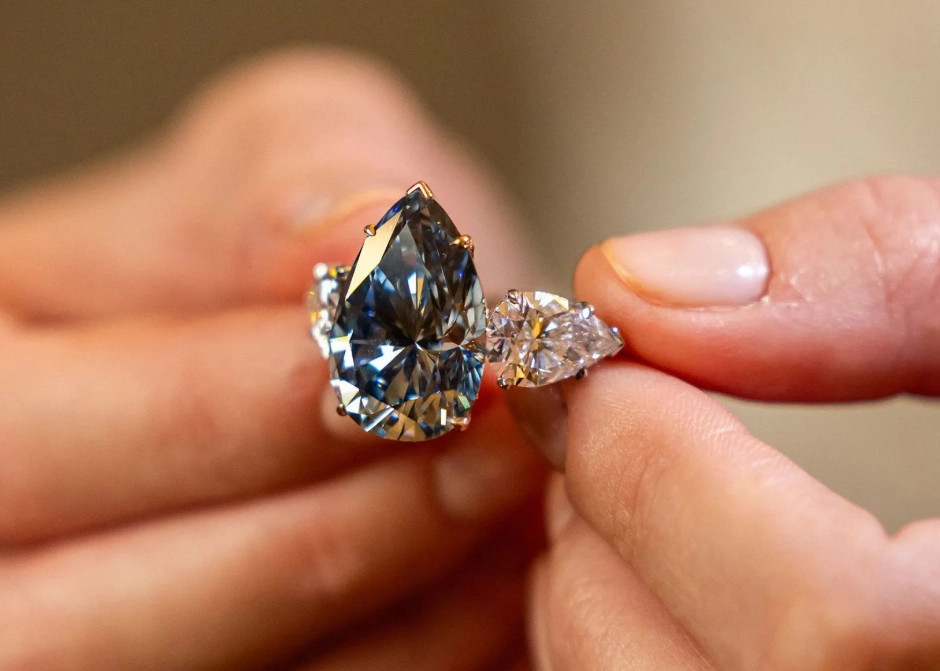
- The Oppenheimer Blue (14.62 carats): Sold for $57.5 million in 2016; its current private location is undisclosed, but it highlights the caliber of stone in private hands.
Visiting these gives you context. You'll see stunning color, but you'll also feel the difference when you stand before the Cullinan I—the sheer scale and gravity of history are palpable.