The first time I saw a high-quality aquamarine gemstone, I didn't just see a color. I felt something. It was a clear, cool afternoon by a tropical sea, captured in crystal. That's the hook. Most people search for "aquamarine color" thinking they'll get a hex code (#7FFFD4, for the record) and move on. But what they're really after is that feeling—the serenity, the clarity, the touch of luxury. They want to know how to get it into their lives, whether through a piece of jewelry, a wall color, or an understanding of its March birthstone significance.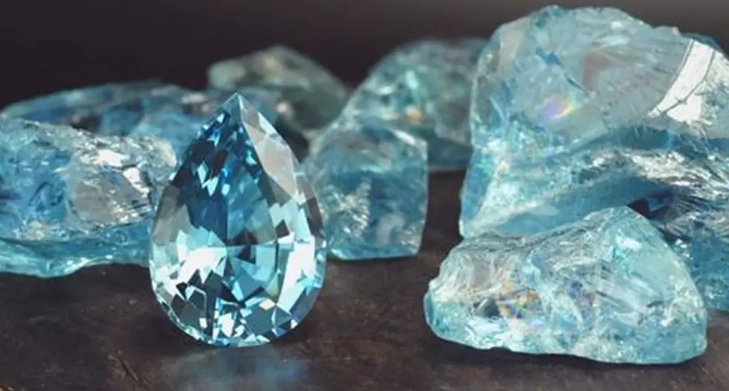
Let's be honest, most articles stop at "it's the color of seawater." That's like describing a gourmet meal as "food." We're going deeper. We'll crack why some aquamarine jewelry looks stunning on you while other pieces fall flat, how designers use it to create spaces that actually lower your heart rate, and the one mistake almost everyone makes when trying to describe this color.
What's Inside This Guide
- What is Aquamarine Color? Beyond the Obvious
- Aquamarine as a Gemstone: More Than Just a Pretty Blue
- How to Choose the Right Aquamarine Color for Your Skin Tone
- Using Aquamarine Color in Design: Pro Tips You Can Steal
- The Psychology of Aquamarine: Why It Calms Us Down
- Your Aquamarine Questions, Answered (Without the Fluff)
What is Aquamarine Color? Beyond the Obvious
Technically, aquamarine sits between cyan and green on the color wheel. But that's useless if you're trying to picture it. Think of the very specific blue-green where a shallow, sandy-bottomed ocean meets a bright sky. It's light, but not pastel. It's saturated, but never loud.
The name gives it away: aqua (water) + marina (of the sea). But here's the nuance everyone misses: it's not the color of a stormy North Atlantic. It's the color of tranquil, sun-drenched tropical waters. This distinction is crucial. A grayish-blue doesn't qualify. There must be a hint of green and a luminous quality. In the gem trade, the most prized stones have a "medium blue" tone—not too dark, not too light. In paint and design, it's that refreshing, airy hue that works anywhere.
Aquamarine as a Gemstone: More Than Just a Pretty Blue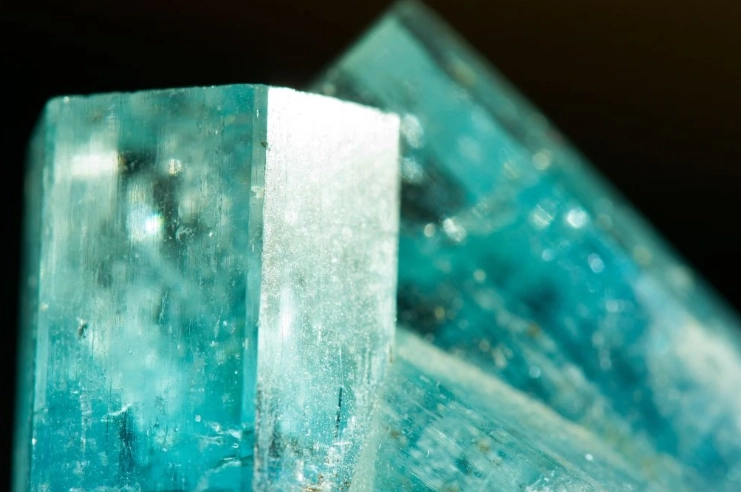
This is where the color earns its prestige. Aquamarine is the March birthstone, a fact that drives a huge amount of search traffic every year. It's a variety of the mineral beryl, sharing its family tree with emerald (green beryl). The color comes from traces of iron within the crystal structure.
Most gemological sources, like the Gemological Institute of America (GIA), categorize aquamarine's color range from a very faint blue to a rich, medium blue. The greenish-blue shades are common, but the pure, vibrant blues are rarer and command higher prices.
| Aquamarine Color Grade | Description & Common Names | What to Know When Buying |
|---|---|---|
| Light Blue ("Sky Blue") | Very pale, almost ethereal blue. Often seen in larger, more affordable stones. | Can look washed out in certain lights. Best set in white gold or platinum to enhance the cool tone. |
| Medium Blue ("Classic Aqua") | The sweet spot. A clear, saturated blue with or without a slight green hint. The most sought-after tone. | This is the investment grade. Look for even color distribution. Works with both white and yellow gold settings. |
| Greenish-Blue ("Santa Maria") | A deeper, more green-blue. Named after the famous Santa Maria de Itabira mine in Brazil. | Highly prized for its depth and rarity. The green component is more pronounced. Makes a bold statement. |
| Deep Blue ("Maxixe") | An intense, dark blue. Rare in nature; often the result of irradiation treatment (which should be disclosed). | Ensure any treatments are clearly stated by the seller. The color can be stunning but is often not permanent if treated. |
A huge misconception is that a darker aquamarine is always better. Not true. A large, beautifully cut stone with a luminous light blue can be more valuable than a poorly cut, included dark one. Cut is king—it's what releases that inner glow, or "luster." An emerald cut or oval step-cut is classic for aquamarine because it highlights the crystal's clarity and color like a deep pool of water.
How to Choose the Right Aquamarine Color for Your Skin Tone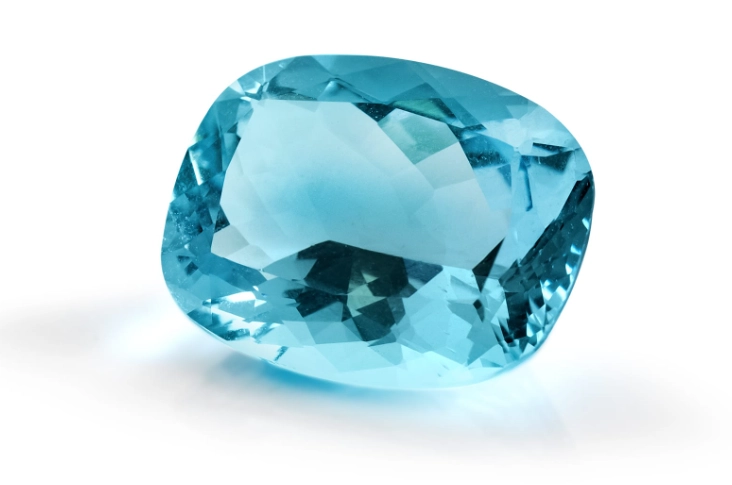
This is the practical advice most jewelry blogs gloss over. They'll tell you aquamarine is universally flattering. It's not. Put the wrong shade against your skin, and it can look dull or even sickly. Here's how to match it.
If you have cool undertones (your veins look blue/purple, silver jewelry flatters you): You're in luck. You can wear the full spectrum, from the palest sky blue to the greenish Santa Maria shades. The cooler blues will make your skin look brighter and clearer. A white metal setting (platinum, white gold) will amplify this effect.
If you have warm undertones (your veins look greenish, gold jewelry suits you better): You need to be selective. Avoid the very pale, icy blues—they can create a harsh contrast. Instead, lean towards aquamarines with a touch more green in them. The medium blue-green tones or the Santa Maria shades will harmonize with your warmth. Set them in yellow or rose gold. The metal will bridge the color gap between the stone and your skin.
I had a client with beautiful olive (warm) skin who hated her inherited light blue aquamarine ring. We re-set the same stone in a rose gold bezel with tiny champagne diamond accents. The warmth of the metal and surrounding stones transformed it. She wears it daily now.
Using Aquamarine Color in Design: Pro Tips You Can Steal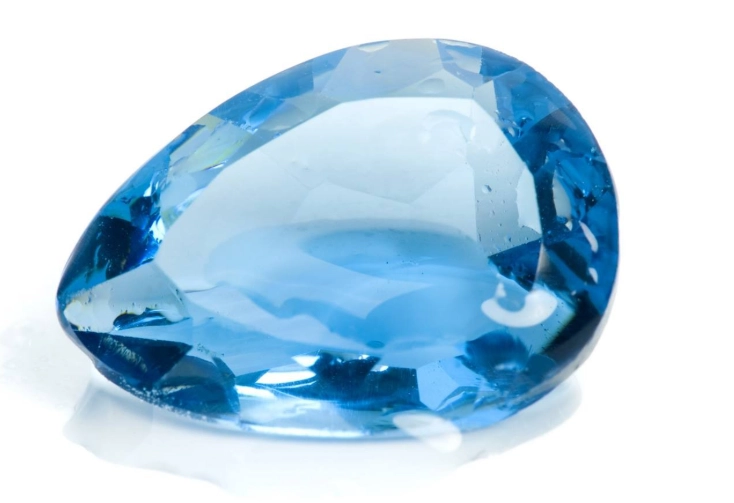
Beyond jewelry, this color is a secret weapon in interiors and fashion. It's a neutral in disguise. Because it's inspired by nature (sea, sky), it pairs effortlessly with almost anything.
In Your Home
Don't just think "beach house." A deep aquamarine accent wall in a modern, minimalist bedroom is stunning. It's calming without being childish. Pair it with:
- Warm woods and rattan: Creates a balanced, organic feel.
- Brass or gold fixtures: Adds a hit of luxury (remember the warm/cool rule applies here too).
- Crisp white and charcoal gray: For a sharp, contemporary look.
Use it in spaces meant for relaxation: bedrooms, bathrooms, reading nooks. I'd avoid it in a formal dining room unless you're going for a specific, bold theme.
In Your Wardrobe
An aquamarine-colored blouse or scarf is a year-round staple. It's a summer color that works in winter because it's not overtly "beachy." It pairs perfectly with navy, white, tan, coral, and even burgundy. The key is to treat it as a core color, not an accent. A full aquamarine dress is a statement. Pair it with nude heels and gold jewelry.
The Psychology of Aquamarine: Why It Calms Us Down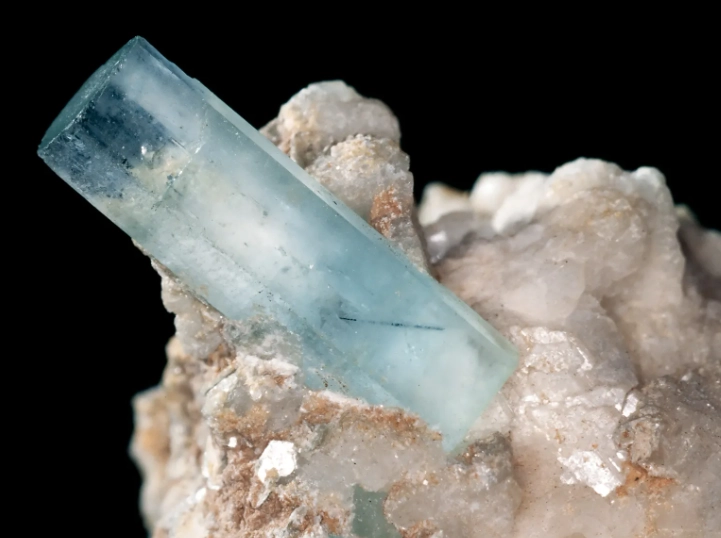
This isn't just poetic. Color psychology studies suggest blue-green hues like aquamarine have measurable effects. They're associated with tranquility, clarity, and emotional balance. The blue inspires calm and trust, while the green injects a sense of renewal and growth.
It's why you feel a literal exhale when you look at the sea. Designers use this in hospitals and wellness centers. Wearing aquamarine jewelry isn't just adornment; for many, it's a touchstone for calmness. In a high-stress meeting, fiddling with an aquamarine ring can be a subconscious centering ritual. The stone's lore as a talisman for sailors speaks directly to this—it represented hope and safe passage across turbulent emotional (and physical) waters.
The flip side? Because it's so calming, it's not a color of high energy or passion. You won't find many fast-food logos or sports cars in aquamarine. It's a color of retreat and reflection.
Your Aquamarine Questions, Answered (Without the Fluff)
Aquamarine jewelry looks washed out on me. What am I doing wrong?
You're probably cool-toned and wearing a stone that's too pale, or warm-toned and wearing a stone that's too blue. Refer to the skin tone section above. The fix is often in the setting. Try a different metal. If it's a pendant, wear it over a different colored shirt—white will wash out a light stone, navy or gray will make it pop.
Is aquamarine a good choice for an engagement ring?
It can be, with caveats. On the Mohs scale, it's a 7.5 to 8, making it durable for daily wear but softer than sapphire (9) or diamond (10). The bigger issue is color saturation. A very light stone might lack the "wow" factor people want in an engagement ring. Opt for a medium to medium-dark blue in a protective setting (like a bezel or with sturdy prongs). It's perfect for someone who wants a non-traditional, meaningful stone and is willing to be a bit more careful.
How do I clean my aquamarine jewelry at home safely?
Warm water, mild dish soap, and a soft toothbrush are your best friends. Ultrasonic cleaners are usually safe for aquamarine unless it has liquid inclusions or fractures (which a jeweler can check). Steer clear of steam cleaners, as sudden temperature changes can cause stress. The main thing is to avoid harsh chemicals. Take it off before swimming (chlorine) or cleaning the house.
 What's the difference between aquamarine, blue topaz, and Swiss blue topaz?
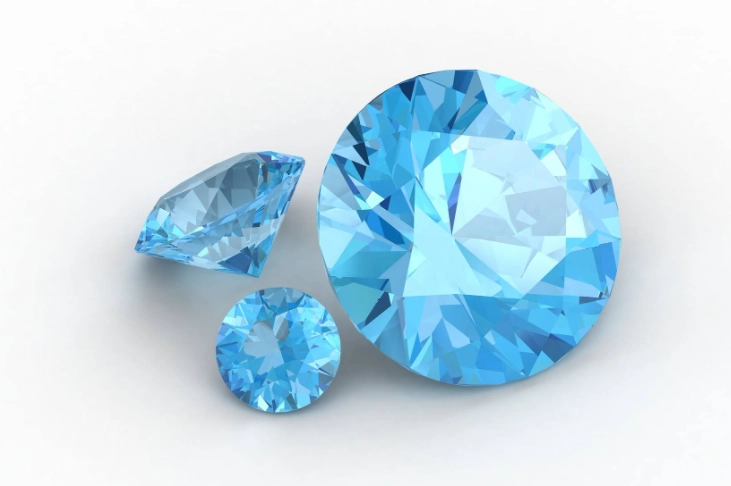
This is a huge point of confusion. Aquamarine has a softer, often greener blue. It's a beryl. Blue topaz is often a more electric, pure sky blue (especially London Blue topaz, which is much darker and grayish). Swiss blue topaz is an intense, almost artificial-looking bright blue. Topaz is also harder (8 on Mohs scale) and often much less expensive. Aquamarine has a different, slightly softer luster. In person, aquamarine looks more "natural" and watery, while topaz can look more brilliant and sharp.
Can aquamarine color fade in sunlight?
For the gemstone: high-quality, naturally colored aquamarine is color-stable and will not fade in normal sunlight. However, some deeply colored stones, particularly the rare "Maxixe" type, get their color from treatment and can fade with prolonged exposure to strong light. For paints and fabrics: any color can fade with direct, constant UV exposure. Use UV-protective coating on wall paint and store colored fabrics away from direct sun.
So, aquamarine color is more than a hex code or a birthstone fact. It's a tool. A tool for expressing calm, for choosing jewelry that truly complements you, and for creating spaces that feel effortlessly serene. It bridges the gap between the natural world and personal style. The next time you see it, you won't just see light blue. You'll see depth, possibility, and a little bit of captured ocean magic.