If you've ever held an aquamarine stone, you know that calm, ocean-blue hue. It's not just pretty—this gem has depth, history, and a few secrets most beginners miss. I've been collecting and appraising gems for over a decade, and aquamarine is one where I see people make the same costly mistakes. Let's cut through the fluff. This guide will give you the straight facts on what aquamarine really is, how to avoid fakes, and how to care for it so it lasts generations.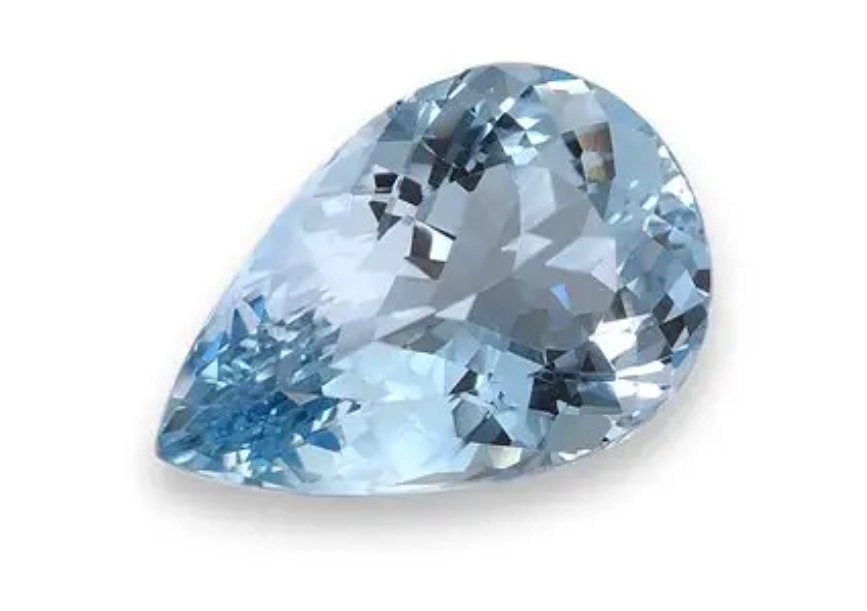
What's Inside This Guide
- What is Aquamarine Stone? Beyond the Basic Facts
- How to Identify Genuine Aquamarine? Spot Fakes Like a Pro
- Buying Aquamarine: A No-Nonsense Practical Guide
- Caring for Your Aquamarine Jewelry: Do's and Don'ts
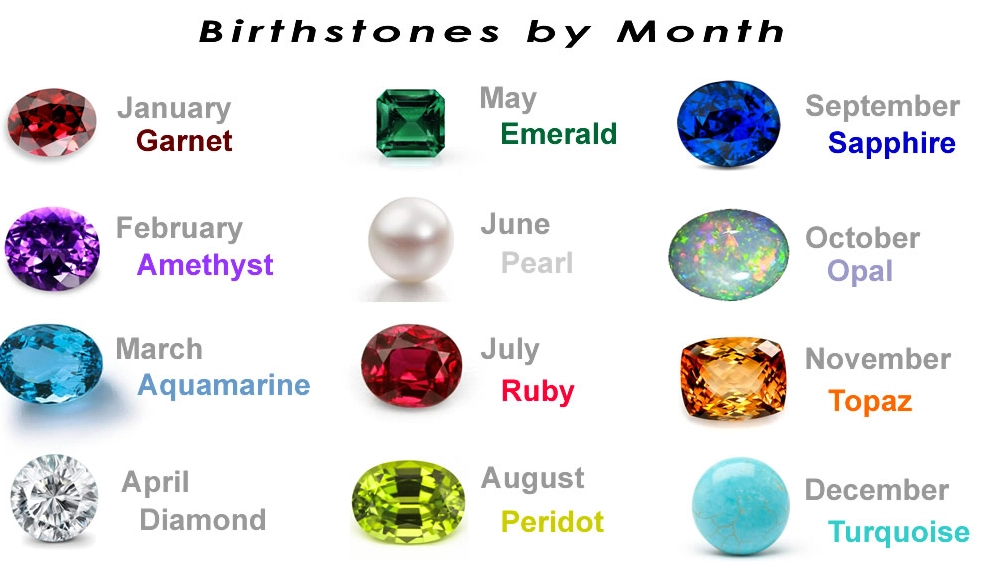
- Aquamarine as the March Birthstone: More Than Just a Symbol
- Your Aquamarine Questions, Answered by an Expert
What is Aquamarine Stone? Beyond the Basic Facts
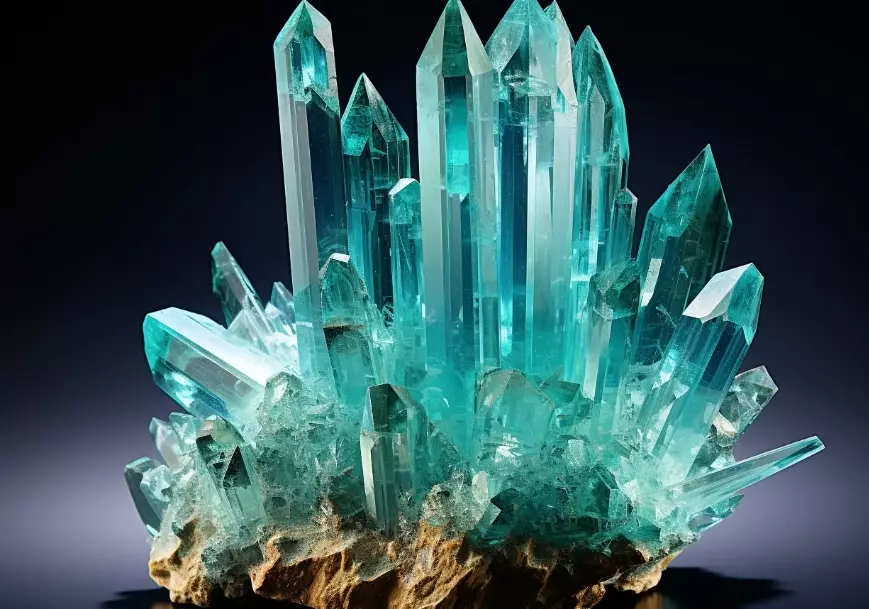
Aquamarine is a blue variety of the mineral beryl, same family as emerald. The name comes from Latin for "water of the sea," which fits its color perfectly. But here's something most articles don't tell you: that iconic blue isn't always natural. Many stones on the market are heat-treated to enhance color, and while that's accepted, it affects value if not disclosed.
History and Symbolism: Not Just a Pretty Stone
Ancient sailors carried aquamarine as a talisman for safe voyages. Romans believed it could cure medical ailments. Today, it's linked to calmness and clarity. I find clients are drawn to it for emotional reasons—it's often chosen for engagement rings or heirlooms to symbolize serenity. But don't get swept up in the romance alone. Knowing its background helps you appreciate why certain cuts or origins matter.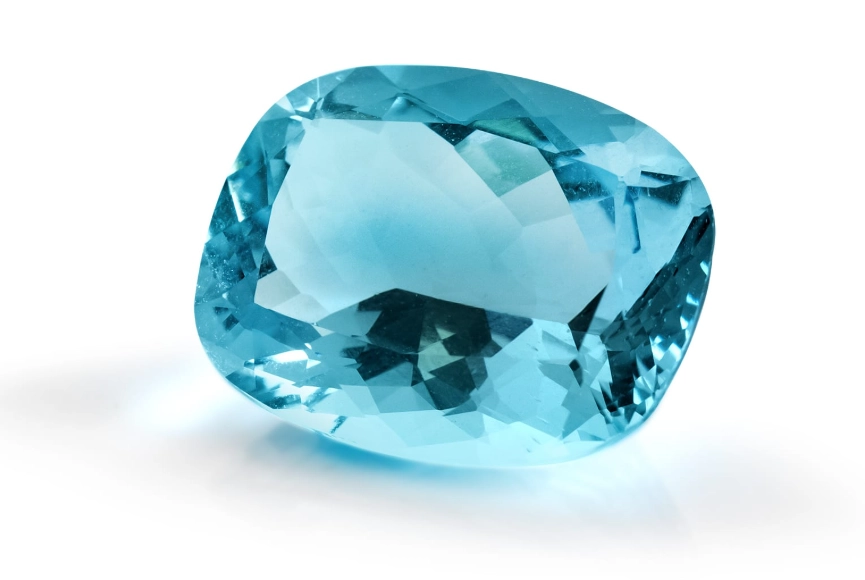
Physical Properties and Formation: The Science Behind the Sparkle
Aquamarine scores 7.5 to 8 on the Mohs hardness scale, making it durable for daily wear but not indestructible. It forms in pegmatite rocks, often found in Brazil, Nigeria, and Pakistan. The color ranges from pale blue to deep sapphire-like tones, with the deeper blues being rarer. Inclusions are common; perfectly clear stones might be synthetic. I've seen many buyers overpay for "flawless" aquamarine that turned out to be glass or lab-created.
Expert Tip: A common mistake is assuming all blue beryl is aquamarine. There's a cousin called "maxixe" that's dark blue but fades in sunlight. Real aquamarine's color is stable under normal light.
How to Identify Genuine Aquamarine? Spot Fakes Like a Pro
This is where most people get tripped up. The market is flooded with imitations—blue topaz, glass, even plastic. I once had a client bring in a "vintage aquamarine" necklace that was just dyed quartz. Here's how to avoid that.
Common Imitations and How to Spot Them
Blue Topaz: Often more saturated and cheaper. Topaz feels heavier, and under a loupe, aquamarine has subtle inclusions like rain or feathers.
Glass or Synthetic Spinel: Too perfect. Look for bubbles or swirls. Aquamarine has a cooler, more tranquil blue compared to glass's often uniform tone.
Lab-Created Aquamarine: Chemically identical but lacks natural inclusions. For jewelry, it's fine, but for investment, natural stones hold value better.
Practical Tests You Can Do at Home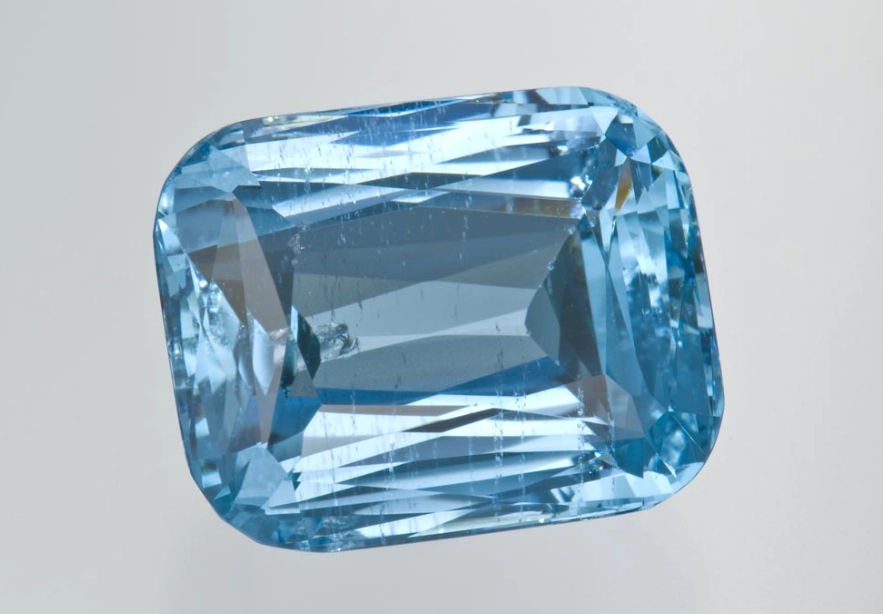
You don't need a lab. Start with a 10x jeweler's loupe (under $20 online). Check for inclusions—natural aquamarine often has tiny tubes or liquid feathers. Next, the scratch test: aquamarine can scratch glass but not quartz. Be gentle; I don't recommend this on finished jewelry. Lastly, observe the color in different light. Fake stones might show color zoning or change hue drastically.
I remember testing a ring for a friend. Under sunlight, the stone had a weird glitter—turned out to be coated crystal. Always buy from reputable sources like the Gemological Institute of America (GIA) for certifications.
Buying Aquamarine: A No-Nonsense Practical Guide
Buying aquamarine isn't just about picking the prettiest blue. You need to balance color, clarity, cut, and carat weight. Let's break it down without the jargon.
Factors That Affect Aquamarine Price
Color is king. Deep, vivid blues (called "Santa Maria" after a Brazilian mine) command premiums. But here's my controversial take: lighter blues are undervalued and often more versatile for jewelry. Clarity matters less than in diamonds; some inclusions add character. Cut affects brilliance—a poorly cut stone looks dull even with great color.
| Factor | What to Look For | Price Impact |
|---|---|---|
| Color | Medium to deep blue without gray tones. Avoid stones that look washed out. | High: Can double or triple price for top hues. |
| Clarity | Eye-clean is ideal. Minor inclusions acceptable if not visible to naked eye. | Moderate: Flawless stones are rare and priced higher. |
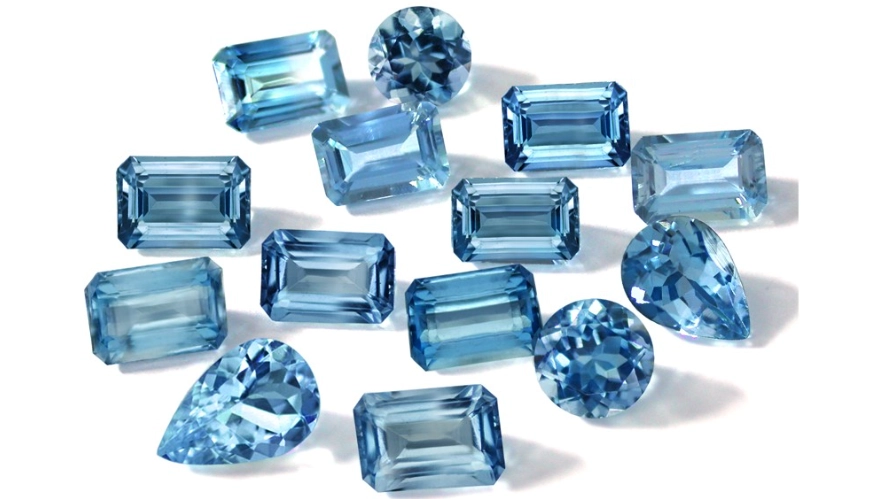
| Cut | Facets should be symmetrical, enhancing light return. Emerald or oval cuts are popular. | High: A good cut maximizes color and value. |
| Carat Weight | Larger stones (over 5 carats) are rarer but price per carat increases non-linearly. | Variable: Big jumps above 10 carats. |
| Treatment | Heat treatment is common and acceptable. Ask for disclosure; untreated stones cost more. | Significant: Untreated stones can be 20-50% more expensive. |
Tips for Choosing the Right Stone
Set a budget first. For under $500, you can get a decent 1-carat stone in light blue. Over $2000, aim for deeper color and better cut. Always request a certificate from GIA or AGL (American Gemological Laboratories). I've seen too many "appraisals" from jewelers that overinflate value. If buying online, check return policies. One client bought from an auction site—the stone was mislabeled as natural but was synthetic. She lost $800.
Consider the setting. Aquamarine pairs well with white gold or platinum. For rings, choose protective settings like bezels to prevent chipping.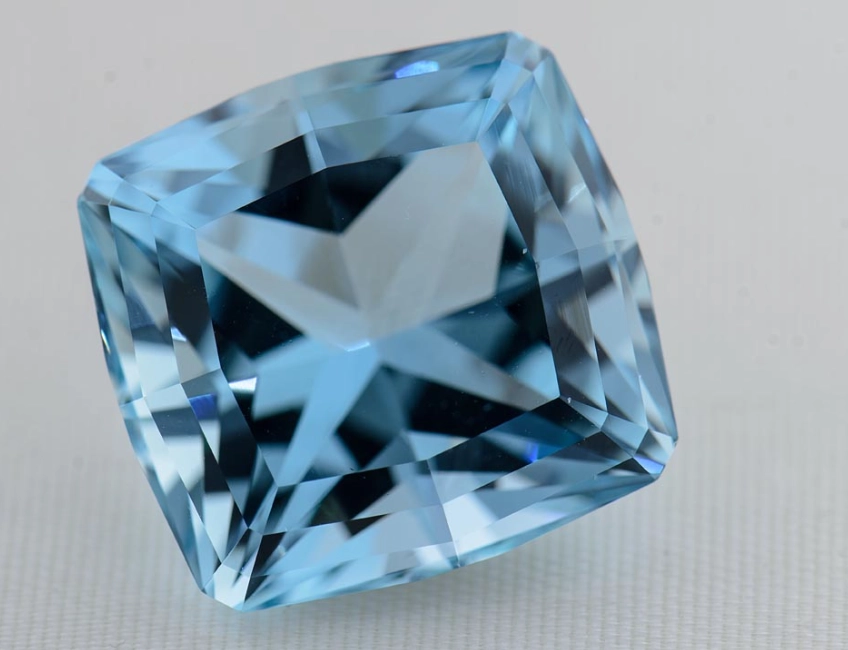
Caring for Your Aquamarine Jewelry: Do's and Don'ts
Aquamarine is durable but not invincible. I've repaired rings where the stone cracked from a simple knock. Here's how to keep yours safe.
Cleaning and Maintenance
Use warm soapy water and a soft brush. Avoid ultrasonic cleaners—they can loosen settings or stress inclusions. Steam cleaning is risky too. Dry with a lint-free cloth. Do this monthly if worn regularly.
Storage and Handling
Store separately in a soft pouch. Aquamarine can scratch softer stones like opals. Remove it during heavy work, sports, or exposure to chemicals. Sunlight won't fade it, but sudden temperature changes might cause cracks.
I learned this the hard way. My first aquamarine pendant got scratched in a jewelry box with diamonds. Now I keep each piece isolated.
Aquamarine as the March Birthstone: More Than Just a Symbol
Aquamarine is the traditional birthstone for March, symbolizing youth and hope. But it's not just for March babies—its calming color makes it a popular gift for anniversaries or new beginnings. When choosing a birthstone piece, opt for a design that allows light to pass through, like an open back setting. Avoid opaque metals that dull the stone's glow.
Some believe it enhances mental clarity. Whether you buy into that or not, it's a meaningful keepsake. I've designed several custom birthstone rings where clients wanted aquamarine for its personal significance over more expensive gems.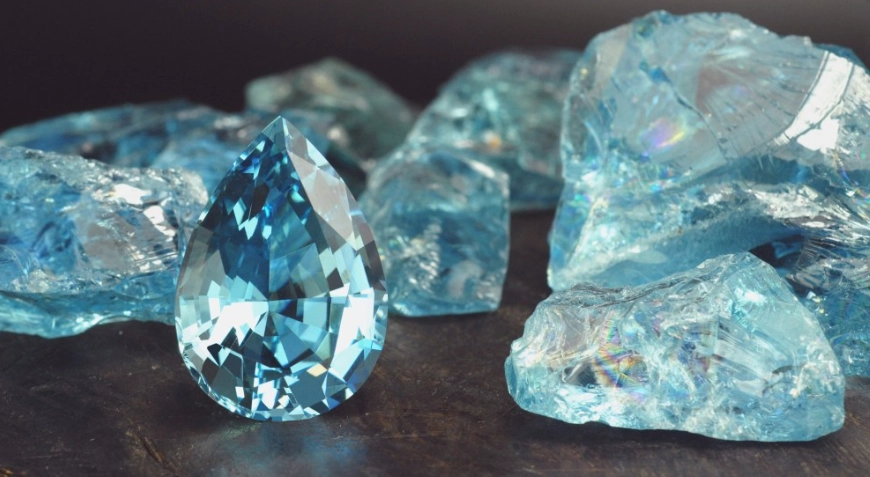
Your Aquamarine Questions, Answered by an Expert
 How can I tell if my aquamarine has been heat-treated, and does it matter?