I bought my first aquamarine over a decade ago, and I got it wrong. It was a pale, lifeless stone sold to me as "top quality" because it was eye-clean. That experience cost me a few hundred dollars and taught me a hard lesson: what you read in generic gemstone guides often misses the nuanced reality of buying and valuing a real aquamarine crystal. This isn't just another list of facts. This is the guide I wish I had—a deep dive into how aquamarines are actually traded, valued, and faked, based on years of talking to cutters, miners, and getting my hands dirty at gem shows.
What's Inside This Guide?
What Exactly is an Aquamarine Crystal?
Let's strip away the poetry for a second. Scientifically, aquamarine is a variety of the mineral beryl. Its chemical cousin is emerald. The sea-blue color comes from trace amounts of iron (Fe2+) in its crystal structure. It forms in pegmatites—those giant, coarse-grained rocks—and is often found as stunning, long hexagonal prisms.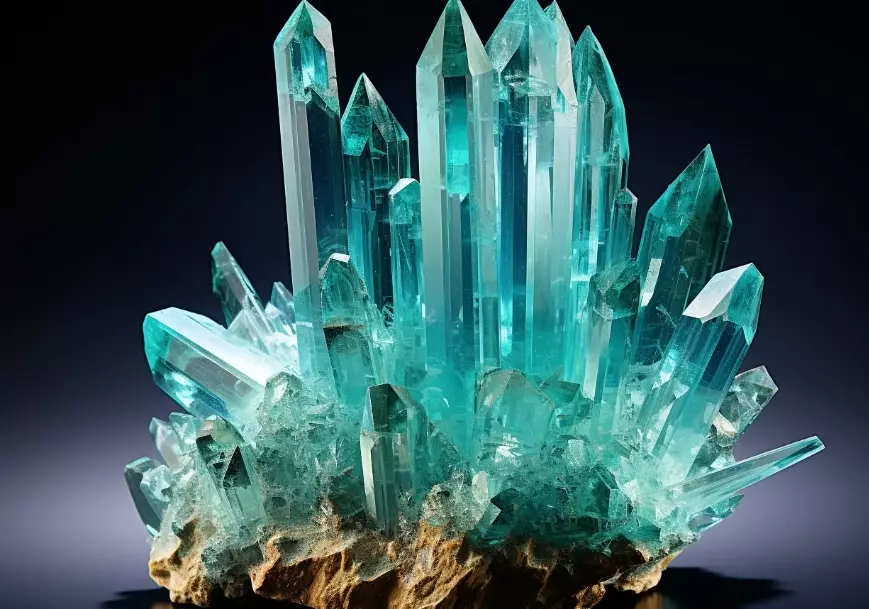
Now, here's the first nuance most guides skip: not all blue beryl is aquamarine. There's a technical cutoff. If the blue has a noticeable green secondary hue, it might be classified as greenish-blue beryl, not true aquamarine. The most prized color is a moderately strong, pure blue to slightly greenish-blue, often called "Santa Maria" after a famous Brazilian mine. A pale sky-blue is more common and less valuable.
Why does this matter for you? If you're paying for an "aquamarine," you should get that specific, desirable color. Some sellers might try to pass off a very pale or overly green stone at a premium price by just using the appealing name.
How to Identify a Real Aquamarine: A Step-by-Step Guide
You're looking at a stone online or in a case. How do you know it's the real deal? Forget complex lab equipment. You can rule out most fakes with a few simple checks.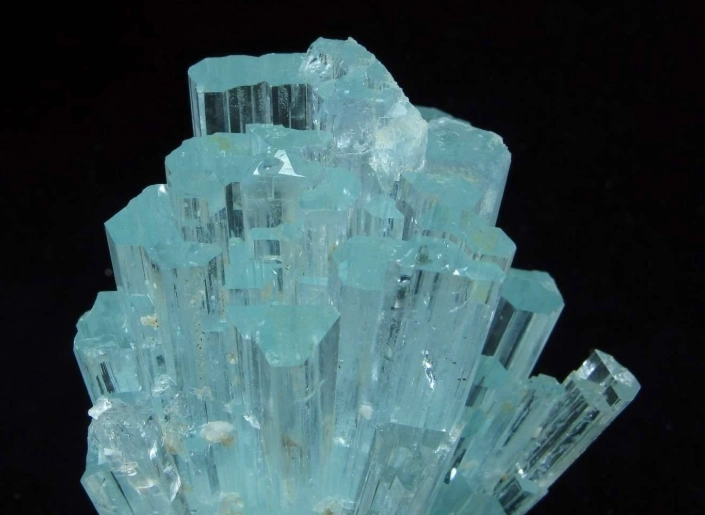
The Visual Check: What to Look For First
Hold the stone under good light (daylight is best).
Color Distribution: Natural aquamarine color is usually even, but it can be zoned. You might see subtle bands of lighter and darker blue. That's normal. What's suspicious is a perfect, uniform, intense blue that looks painted on—that screams synthetic or treated beyond recognition.
Inclusions: Aquamarine is a Type I gemstone, meaning it's typically very clean to the eye. You might see long, hollow tubes called "rain" or tiny liquid inclusions. If you see bubbles that look perfectly round (like in glass), you're likely looking at paste (glass) or synthetic spinel, a common imitation. According to the Gemological Institute of America (GIA), synthetic aquamarines are extremely rare commercially, so most fakes are completely different materials.
The Hardness and Heft Test
Aquamarine has a Mohs hardness of 7.5 to 8. That's hard. It won't be scratched by a steel knife (hardness 5.5). It should also feel cool to the touch and have a certain heft—glass imitations feel lighter and warmer. This is a tactile skill you develop.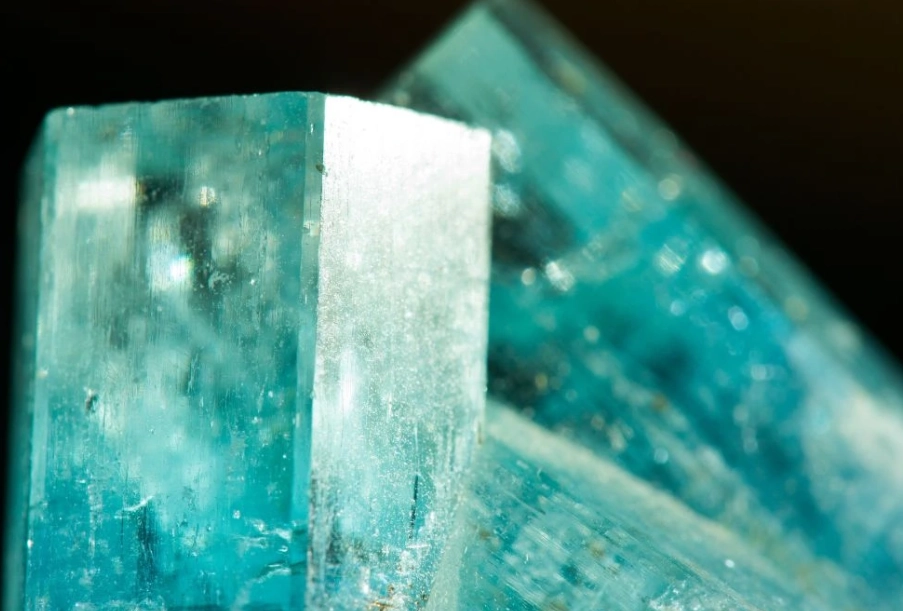
Here’s a quick comparison table of aquamarine vs. its most common look-alikes:
| Material | Key Identifying Feature | Common Giveaway | Relative Cost |
|---|---|---|---|
| Natural Aquamarine | Moderate blue, excellent clarity, vitreous luster. | Long tube inclusions, even color zoning, feels cool/heavy. | High (depends on color) |
| Blue Topaz (treated) | Often a brighter, more electric blue. | Too clean, often sold in huge sizes cheaply. Much more common. | Very Low |
| Glass ("Paste") | Dull luster, overly perfect color. | Round air bubbles, feels warm/light, may have mold marks. | Very Low |
| Synthetic Blue Spinel | Very high clarity, strong color. | Curved color bands (seen under magnification), unnatural perfection. | Low |
| Blue Zircon | Intense fire (dispersion). | Much more sparkly than aqua, often has stronger doubling of facet edges. | Medium |
I once saw a "fantastic deal" on a huge, flawless blue stone. It was glass. The seller relied on the buyer's assumption that big and clean equals valuable, ignoring the complete lack of any natural character.
When to Demand a Lab Report
If the stone costs more than $500, or if you have any doubt, insist on a report from a reputable lab like GIA or AGL (American Gemological Laboratories). The report will confirm the species (beryl), variety (aquamarine), and note any treatments. This is non-negotiable for serious purchases.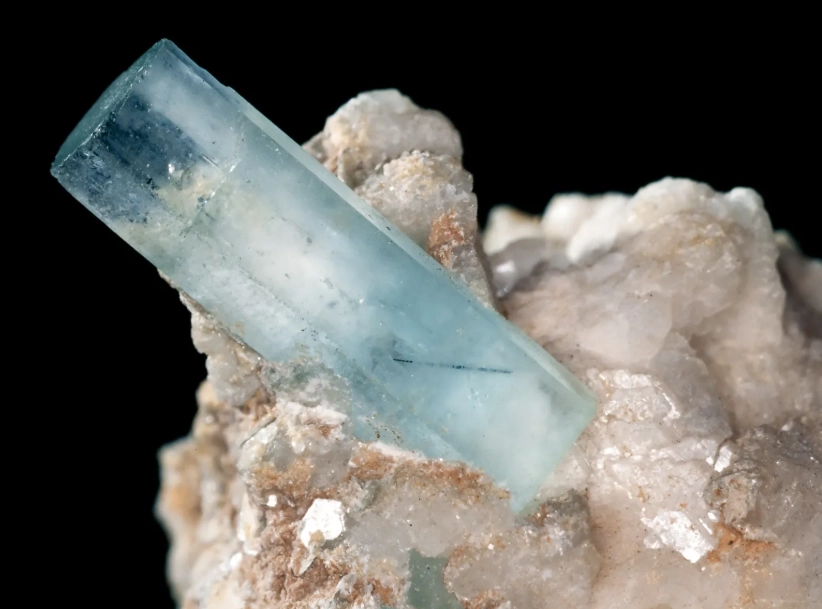
What Determines an Aquamarine's Value? (Beyond the 4 Cs)
Everyone talks about Color, Clarity, Cut, and Carat. With aquamarine, color dominates everything—but not in the way you might think.
Color is King (and Queen): A small, deeply colored "Santa Maria" blue aqua can be worth 10x more per carat than a large, pale stone. The saturation and hue matter more than sheer size. A common mistake is prioritizing size over color and ending up with a watery, weak-looking gem.
Clarity – The Misunderstood Factor: Aquamarine is expected to be eye-clean. You're paying for that. But here's the expert nuance: a completely flawless stone under 10x magnification isn't necessarily better than a clean-to-the-eye one. Don't pay a massive premium for "loupe clean" if you can't see the difference. The market doesn't either.
Cut – Where the Magic Happens (or Dies): A good cut makes the color sing. A bad cut leaks light and leaves the stone looking dead. Look for symmetry, good polish, and a pattern of bright reflections. Avoid overly shallow cuts (spread out to look bigger) or windows (see-through dead spots in the center).
Origin Story – Does It Matter? Brazilian aquamarines (especially from Santa Maria de Itabira) command a premium. So do rare, intensely colored ones from Nigeria or Mozambique. For most buyers, the color itself is more important than the country on the label, unless you're a collector. A great color from a lesser-known locality is better than a poor color from a famous mine.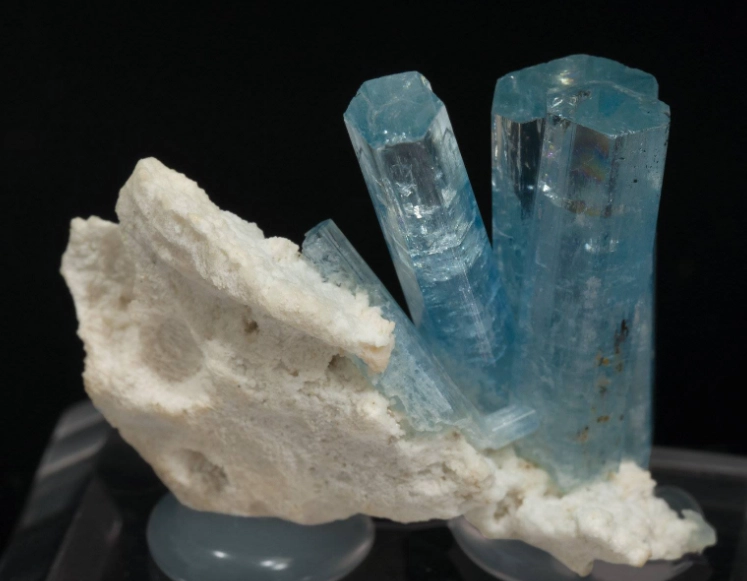
A Practical Strategy for Buying Your Aquamarine
Let's get tactical. You're ready to buy. Here's how to navigate the process.
1. Define Your 'Why' First: Is this for an engagement ring (needs durability), a pendant (can be a more delicate cut), or an investment piece? For daily wear in a ring, prioritize a slightly darker color (shows better) and a protective setting. For a pendant, you can go for a larger, more ethereal pale stone.
2. Set a Realistic Budget: Prices can range from $50/ct for commercial pale goods to over $2000/ct for top "Santa Maria" colors. A nice, medium-blue, eye-clean 2-carat stone in a good cut might land in the $300-$800 total range. Get quotes from multiple reputable dealers.
3. Vet the Seller: Look for specialists in colored gemstones, not just generic jewelers. Check reviews, ask about their return policy, and see if they provide lab reports. A good sign is a seller who educates you, not just pushes for a sale.
4. See It in Person (or Via Video): Photos lie, especially about color. Ask for videos under different lights—daylight, indoor white light, and maybe even shade. See how the color shifts. A good aquamarine should look alive, not flat.
5. Ask the Right Questions:
- "Has this stone been heat-treated?" (Most aquas are—it's stable and accepted, but they should disclose it).
- "Can you provide a lab report?"
- "What is the country of origin?"
- "How does the color look in indirect daylight?"
Your Aquamarine Questions, Answered
Can I wear my aquamarine ring every day?
It depends on the setting. With a hardness of 7.5-8, aquamarine is suitable for daily wear, but it can chip if hit hard on a corner (like against a granite countertop). A bezel or halo setting offers more protection than a prong setting. For a manual labor job, I'd take it off.
Why are some aquamarines so cheap online?
You're likely looking at three things: very pale, low-saturation material; treated blue topaz mislabeled as aquamarine; or glass. The price directly reflects color saturation and size. A large, cheap "aquamarine" is almost always a different, less valuable material.
Does aquamarine fade in sunlight?
Prolonged, direct exposure to intense UV light (like in a display window for years) can cause some very pale stones to fade slightly. For normal wear, including daily sun exposure, it's perfectly stable. Don't worry about wearing it outside.
What's the difference between heated and unheated aquamarine?
Most aquamarines on the market are heated. Greenish or yellowish beryl is heated to remove the unwanted tones, leaving a stable, pure blue. This is a permanent, standard treatment that doesn't significantly lower value. An unheated, naturally perfect blue is exceptionally rare and commands a high premium from collectors. For most buyers, a properly heated stone is a great choice.
Is aquamarine a good investment gem?
As a financial instrument, no—most gems are not liquid assets. However, as a store of value within the jewelry world, high-quality aquamarines with exceptional color have consistently appreciated over the long term, especially stones over 5 carats with top color. Buy it because you love it, not because you expect to flip it for profit next year.