Ask someone to describe aquamarine color, and you'll likely hear "light blue" or "sea blue." That's not wrong, but it barely scratches the surface. The true color of aquamarine is a specific, captivating hue born from a gemstone and steeped in meaning. It's the pale, crystalline blue of shallow tropical waters on a sunny day, with a cool, almost icy clarity that sets it apart from other blues. If you're here because you love the color, are shopping for the March birthstone, or want to use this tranquil shade in your designs, you've come to the right place. We're going beyond the basics.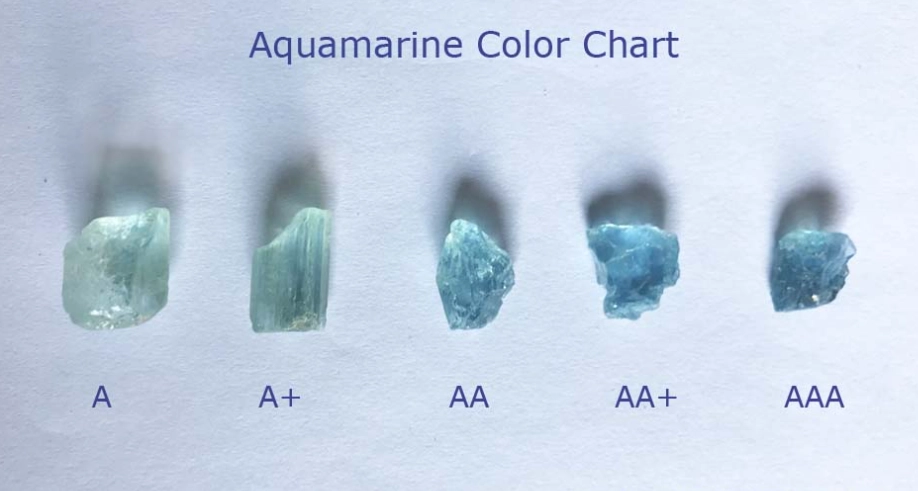
What's Inside?
Defining the Aquamarine Color: It's Not Just One Shade
Let's get specific. Aquamarine sits firmly in the blue-green color family, but it leans heavily towards blue with just a whisper of green. Think of it as the cooler, more sophisticated cousin of turquoise (which has much more green) and the lighter, airier sibling of navy.
In technical terms, its hex code is often around #7FFFD4. In the Pantone system, you might look at shades like PANTONE 14-4811 TCX (Aquamarine) or PANTONE 13-5411 TCX (Biscay Bay) for a close match. But here's the thing most blogs don't tell you: the "official" color varies slightly depending on who you ask—gemologists, designers, and paint companies all have their own interpretations.
The magic of aquamarine color is in its feeling. It's inherently calming and serene. It evokes clear skies, clean water, and a sense of spaciousness. This isn't a loud, energetic blue; it's a restorative, peaceful one. That's why it's exploded in popularity for spa bathrooms, meditation apps, and wellness-branded packaging.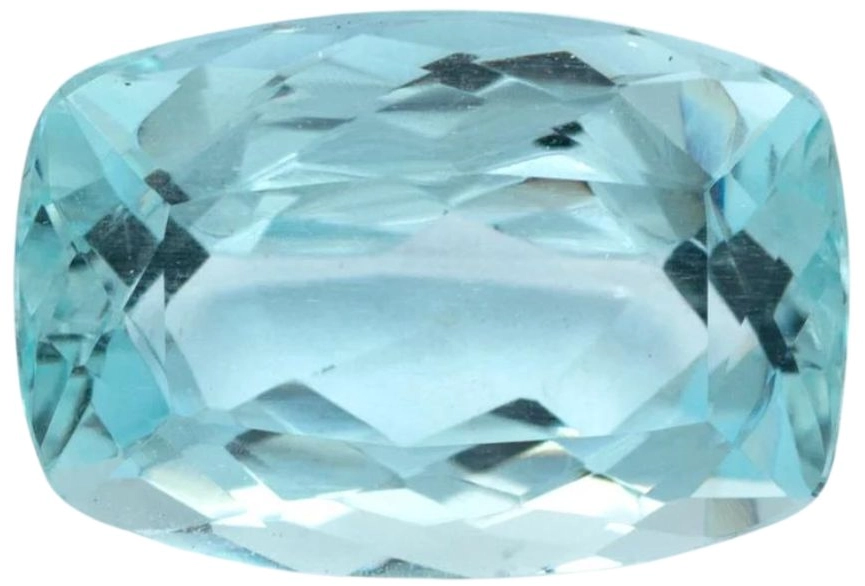
Quick Color Comparison: To really understand aquamarine, place it next to similar hues. Compared to sky blue, aquamarine has a touch more green and feels more solid, less ethereal. Next to mint green, it's clearly more blue than green. Against a robin's egg blue, aquamarine is usually cleaner and less gray.
Aquamarine Color in Gemstones: What You're Actually Buying
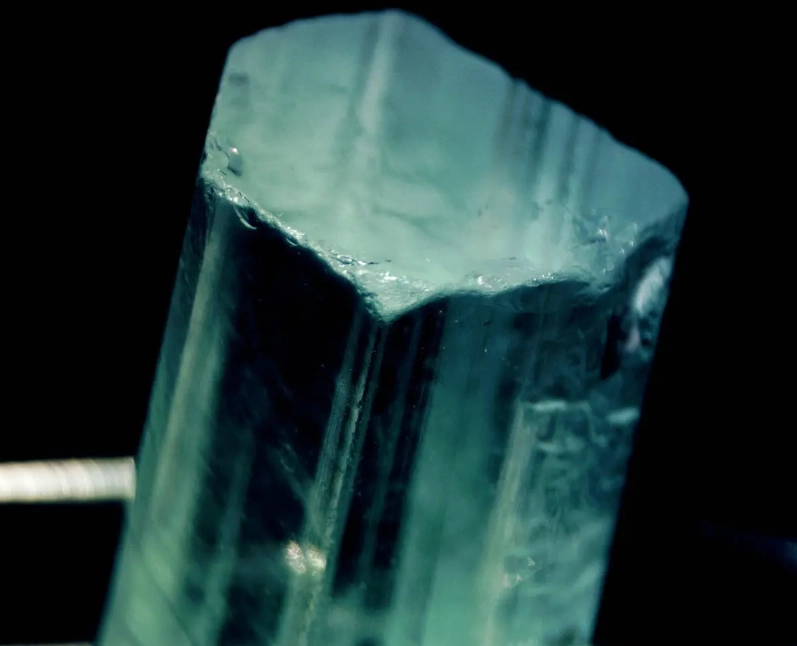
This is where the color gets real. Aquamarine is a variety of the mineral beryl (same family as emerald), and its color comes from trace amounts of iron. The fascinating part? Most aquamarine starts out as a greenish or yellowish beryl pulled from the ground. The prized blue color is often achieved through heat treatment, a standard and accepted practice in the gem trade that permanently removes the yellow/green components. The Gemological Institute of America (GIA) notes this treatment is virtually undetectable and considered stable.
When shopping for an aquamarine gemstone, color is the single most important factor determining its value. And there's a huge range.
The Color Spectrum of Aquamarine Gems
Gem dealers use specific terms. You'll hear "Santa Maria" (a highly saturated, slightly greenish-blue from a specific Brazilian mine), "Espirito Santo" (a lighter, more classic sky-blue), and "Mineiro" (a deeper, more pure blue). Forget those for a second. As a buyer, focus on three things: Hue, Tone, and Saturation.
- Hue: The base color. The most desired is a pure, vivid blue. Many stones have a slight green secondary hue. A pure blue commands a premium.
- Tone: How light or dark the color is. Aquamarine ranges from very pale (almost colorless) to a moderately dark blue. The sweet spot for most people is a medium-light to medium tone—dark enough to see the color clearly, but light enough to retain that classic, watery transparency.
- Saturation: The intensity or purity of the color. A grayish or brownish mask lowers saturation. High-saturation stones look vibrant and clean.
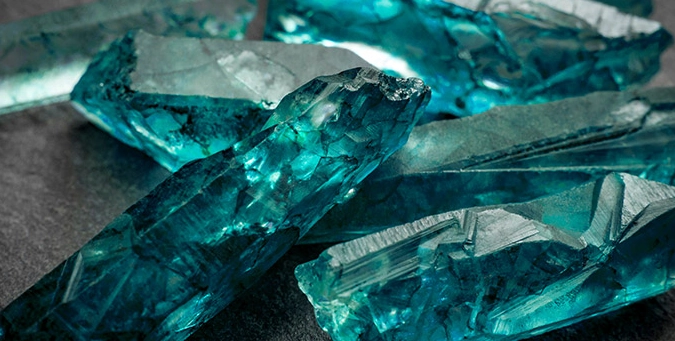
Here's a common mistake: beginners often chase the deepest blue possible, thinking it's more valuable. In aquamarine, a very dark blue is actually rarer, but the classic, beloved look is that medium, luminous blue. A stone that's too dark can start to lose its characteristic brightness and look inky.
| Color Grade | Description | Typical Look & Feel | Relative Price Point |
|---|---|---|---|
| Pale / Washed-Out | Very light blue, almost like water. May face up nearly colorless in small sizes. | Delicate, ethereal, subtle. Can look a bit weak in poor light. | Most Affordable |
| Medium Blue (Classic) | The ideal "aqua" blue. Good tone and saturation, clearly blue but bright. | Vibrant, refreshing, timeless. What most people picture. | Mid to High Range |
| Vivid / Santa Maria Blue | Strong, saturated blue with high intensity. May have a touch of green. | Eye-catching, luxurious, deep sea color. Highly sought after. | Premium / High |
| Greenish Blue | Blue with a noticeable green secondary hue. | More unique, sometimes compared to a tropical lagoon. | Varies; often lower than pure blue of equal tone. |
I learned this the hard way. I bought my first aquamarine pendant online based on a photo that made it look like a deep, oceanic blue. When it arrived, it was a lovely stone, but in normal indoor light, it leaned more into a steel blue than the bright aqua I wanted. The lighting in the photo had dramatically enhanced the saturation. Now, I always ask for a video of the stone rotating under different light sources.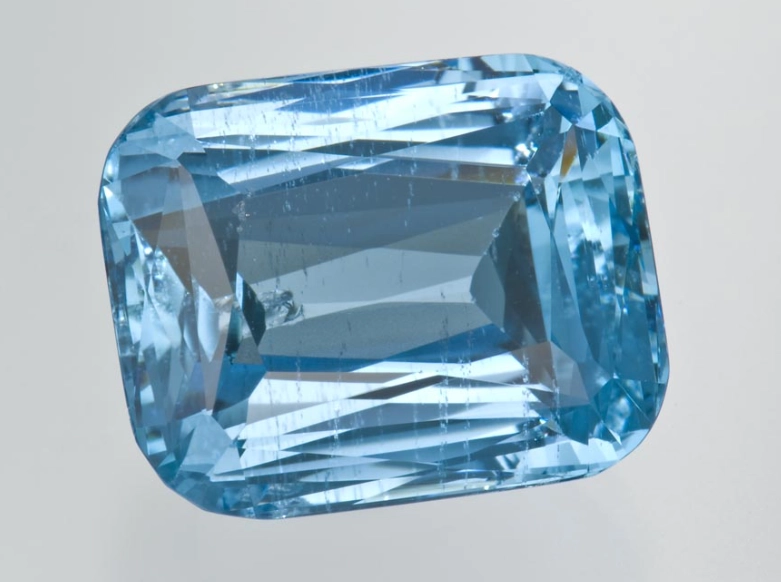
How to Use Aquamarine Color in Design & Fashion
Beyond gemstones, aquamarine is a powerhouse color for creating a specific mood. Its versatility is underrated.
In Interior Design
Aquamarine walls can make a small room feel larger and more airy. It's a fantastic choice for bathrooms, bedrooms, and sunrooms. But it's cold. Pair it with warm elements to balance it out.
Do this: Aquamarine accent wall with warm white trim (like Benjamin Moore's "White Dove"), natural wood furniture (oak, teak), and textiles in cream, caramel, or soft coral. Add brass or gold fixtures for warmth.
Avoid this: Pairing it with other cool colors like stark gray or pure white furniture. The room can feel sterile and uninviting, like a doctor's office from the 90s.
In Fashion and Jewelry
Aquamarine is a universally flattering color. It complements warm and cool skin tones because of its blue-green balance. It's a statement color that doesn't scream.
- Clothing: An aquamarine blouse or dress is perfect for spring and summer. It pairs beautifully with white, navy, taupe, and even coral. For a bold look, try it with mustard yellow.
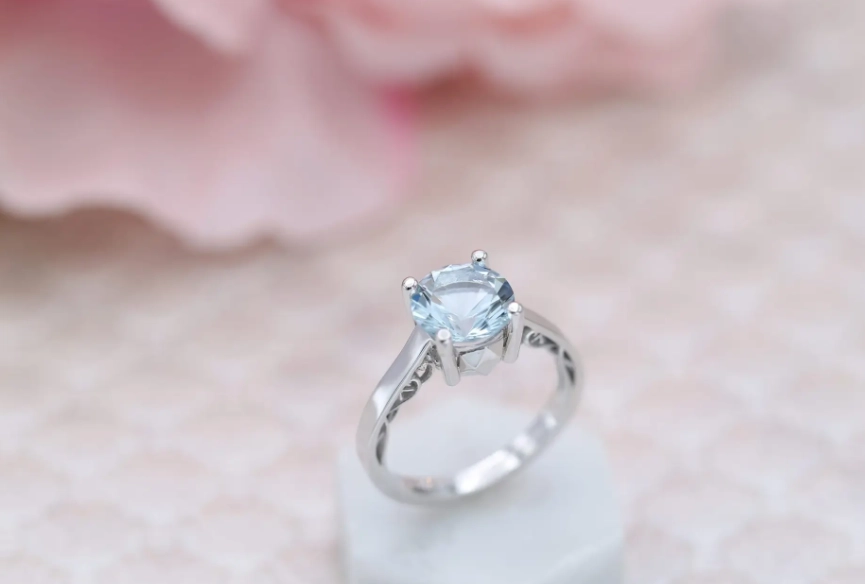
- Jewelry Pairing: Aquamarine gemstones look stunning set in white gold or platinum, which enhances their cool tone. For a vintage or warmer look, rose gold can create a beautiful contrast. Yellow gold works, but it can sometimes fight with the stone's color unless the setting is very simple.
The color works because it's interesting but not overwhelming. It provides a pop without the intensity of a primary color.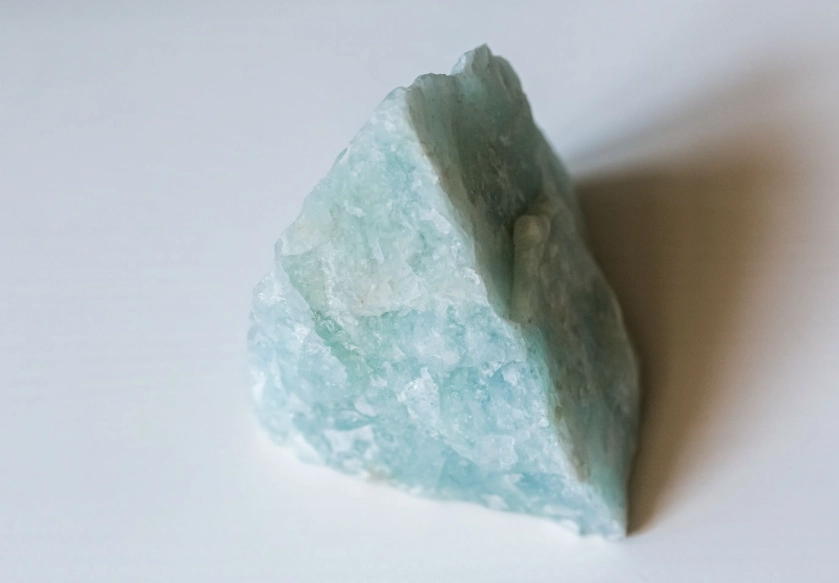
Your Aquamarine Color Questions, Answered
 Why does my aquamarine ring sometimes look more blue and sometimes more green?
 Is aquamarine a good color for a kitchen?