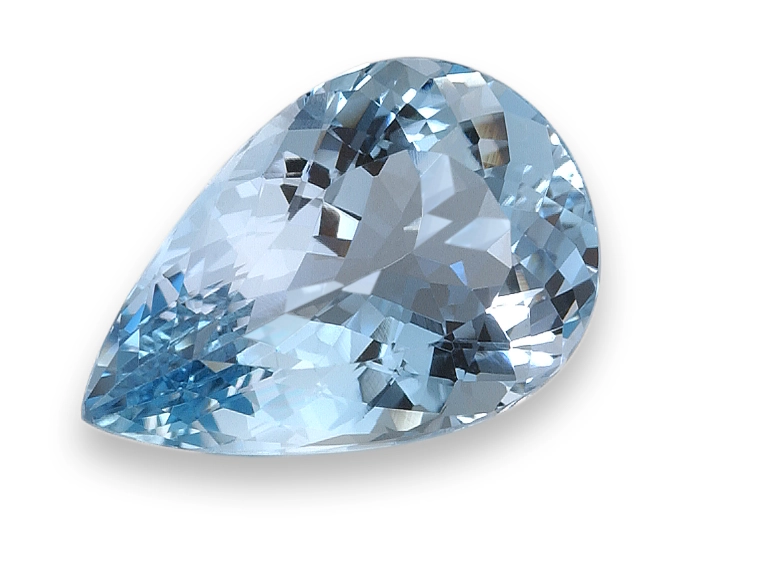
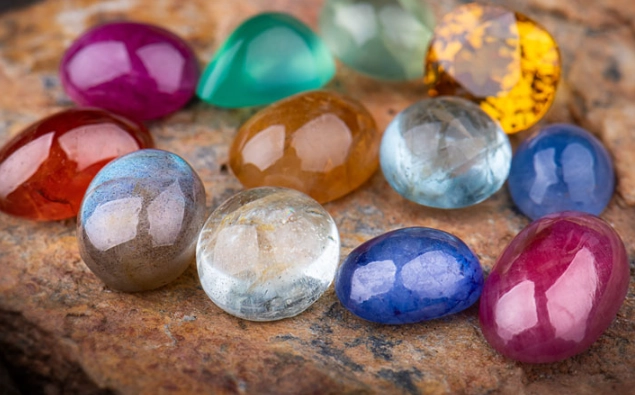
Let's be clear: aquamarine is valuable. But its value isn't a simple yes or no. It's a sliding scale, influenced by factors you can see and some you need to know to look for. Unlike a commodity with a fixed price, an aquamarine's worth dances between its color, clarity, cut, and size. A small, pale stone might be charmingly affordable, while a large, deeply saturated "Santa Maria" blue specimen can command prices rivaling fine sapphires. So, if you're asking whether your aquamarine ring is a treasure or just a pretty trinket, or if you're considering buying one as an investment, you're asking the right question. This guide will walk you through exactly what makes this March birthstone valuable, where it sits in the gemstone market, and how to assess a specific stone's true worth.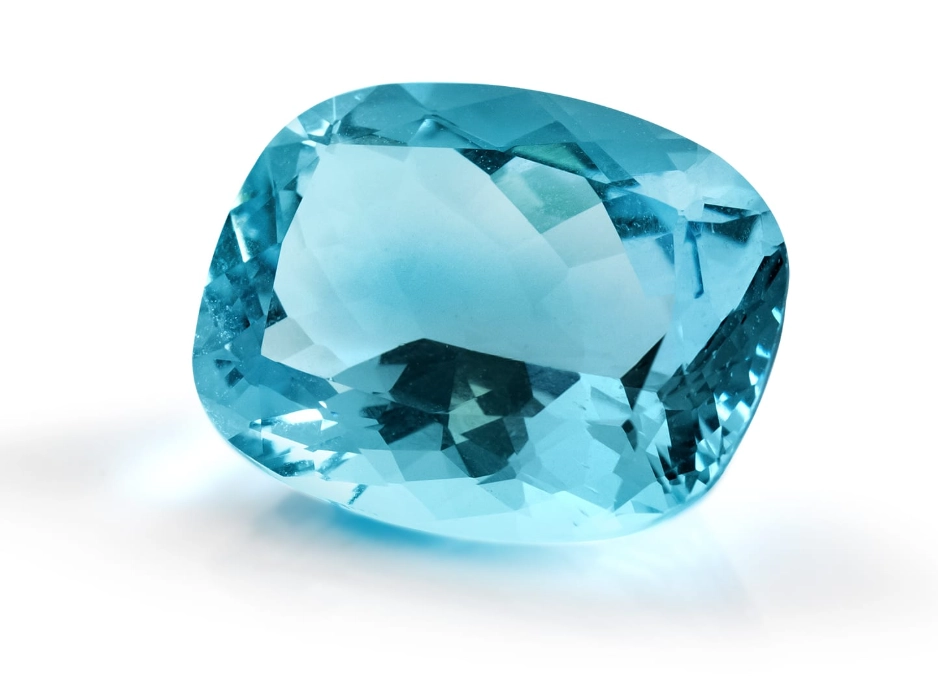
Navigate This Guide
What Exactly is Aquamarine?
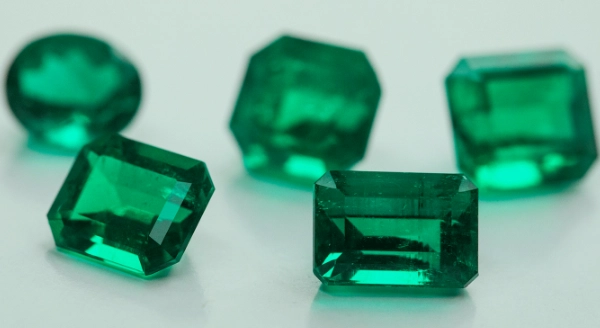
Aquamarine is the blue to blue-green variety of the mineral beryl. Its family is prestigious—it includes emerald (green beryl) and morganite (pink beryl). The name comes from the Latin "aqua marina," meaning "sea water," which perfectly captures its most desirable color. Its value foundation is built on this identity: a durable gem (7.5 to 8 on the Mohs scale) suitable for daily wear, with a clarity often superior to its cousin, the emerald.
Most aquamarine on the market comes from Brazil, but significant deposits are also found in Nigeria, Madagascar, Mozambique, and Pakistan. The origin can influence price subtly, with certain Brazilian mines like the famed Santa Maria de Itabira producing the most coveted deep blues, according to the Gemological Institute of America (GIA).
Key Takeaway: Don't confuse aquamarine with blue topaz. Topaz is often treated to achieve a similar blue and is generally less valuable per carat. Aquamarine's color is usually natural or enhanced by standard, accepted heat treatment to remove greenish tones.
The 4 Cs: Decoding Aquamarine's Value
This is where the rubber meets the road. A gemologist appraises value here, and so should you.
Color: The King of Value
Color is the single most important factor. It's not just "blue." It's about hue, tone, and saturation.
- The Ideal Hue: A pure, medium to moderately dark blue with no green or gray modifiers is top-tier. The most prized is called "Santa Maria" blue (after the Brazilian mine), a vibrant, saturated medium blue. "Espirito Santo" is a lighter, more affordable blue.
- A Common Misconception: Many beginners think "darker is always better." Not true. An overly dark, inky blue aquamarine can look murky and lose its lively sparkle. The value peaks at a rich, luminous medium tone.
- Heat Treatment: Most commercial aquamarine is heat-treated to reduce greenish hints and produce a more stable blue. This is a permanent, standard practice accepted in the trade and does not significantly lower value if disclosed. An untreated stone of exceptional color is rare and can be more valuable.
Clarity: Eye-Clean is the Expectation
Aquamarine is a Type I clarity gemstone, meaning it's typically expected to be eye-clean (no visible inclusions to the naked eye). This is a major point of value compared to emeralds, which are almost always included.
If you can see obvious inclusions, cracks, or clouds without magnification, the value drops considerably. Under magnification, you might find long, hollow tubes. When cut as cabochons, these can create cat's eye aquamarine, a rare and valuable phenomenon.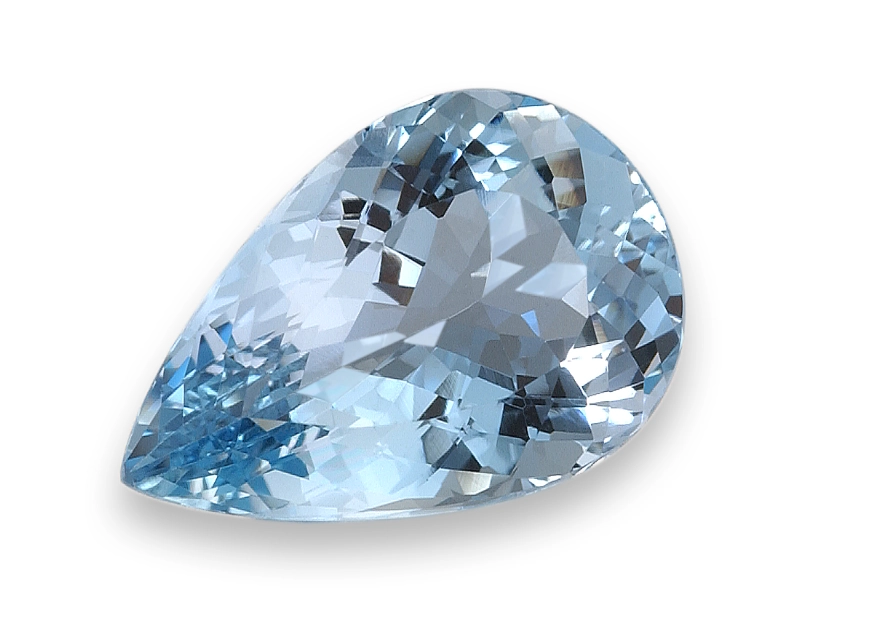
Cut: The Art of Unleashing Light
A good cut doesn't just shape the stone; it maximizes its color and brilliance. Because aquamarine is often found in large, clean crystals, cutters have freedom. You'll see everything from classic emerald and oval cuts to elaborate fantasy cuts.
A poor cut can "wash out" the color, making a potentially valuable stone look lifeless. Look for symmetrical facets, good polish, and a stone that returns bright white light (brilliance) along with its blue body color. Shallow cuts are sometimes used to preserve carat weight but sacrifice sparkle—a sign of lower value per carat.
Carat Weight: Size with a Twist
Aquamarine is available in large sizes, so per-carat price doesn't skyrocket with size as dramatically as with rubies or sapphires. However, finding a flawless, richly colored stone over 10 carats becomes much rarer, and the price per carat increases for those premium specimens.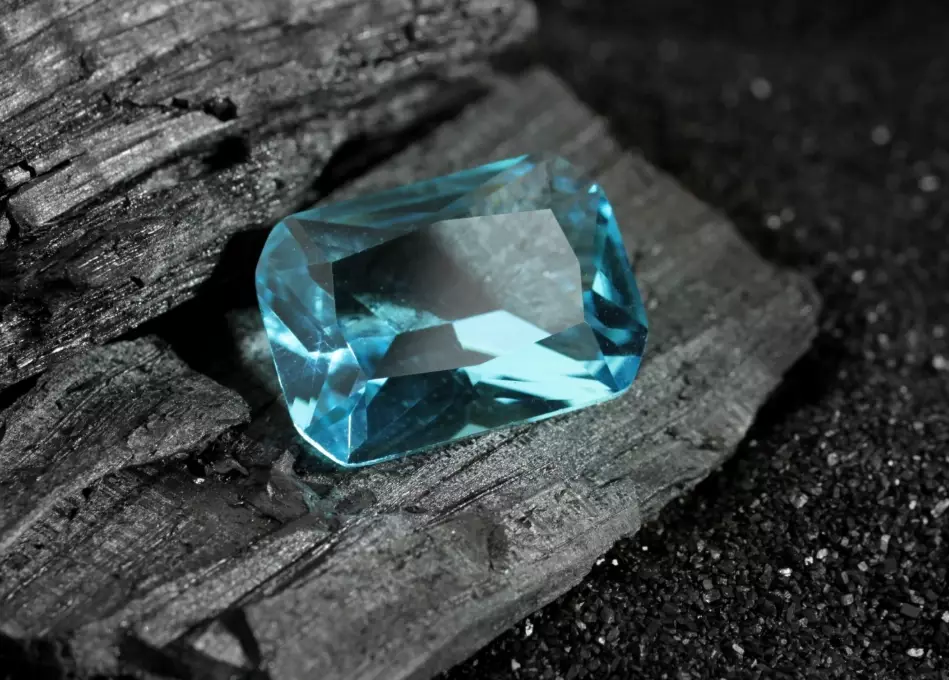
Here's a rough price table to give you a ballpark idea. Remember, these are for well-cut, eye-clean stones. Color causes the biggest variation.
| Color Grade | Price Per Carat (Approx.) | What to Expect |
|---|---|---|
| Pale/Light Blue | $50 - $200 | Common, often in larger sizes. Pretty but not premium. |
| Medium Blue (Good Commercial) | $200 - $600 | The sweet spot for many jewelry pieces. Strong color. |
| Vivid "Santa Maria" Blue | $600 - $2,000+ | Top-tier color. Rare in large sizes. Investment grade. |
| Cat's Eye Aquamarine | $800 - $3,000+ | Rarity drives value. Depends on sharpness of the eye. |
Aquamarine's Place in the Gemstone Market
Aquamarine occupies a fascinating middle-to-high ground. It's not one of the "Big Three" (ruby, sapphire, emerald), but it's a leader in the next tier of major colored gemstones, alongside stones like tanzanite and fine tourmaline.
Its value proposition is strong: it offers the durability and brilliance of a top-tier gem, often with superior clarity, at a more accessible price point than a sapphire of comparable size and saturation. This makes it a favorite for statement rings and cocktail jewelry. The International Colored Gemstone Association (ICA) often highlights aquamarine as a cornerstone of the modern colored gem market due to its consistent supply and consumer appeal.
Is it an investment gem? For the average buyer, it's primarily a beautiful gem for adornment. However, high-end, untreated "Santa Maria" or "Mozambique" blues with top color and clarity in sizes above 5 carats have shown steady appreciation, especially as mine deposits of the finest material become depleted. It's a conservative gemstone investment, not a speculative one.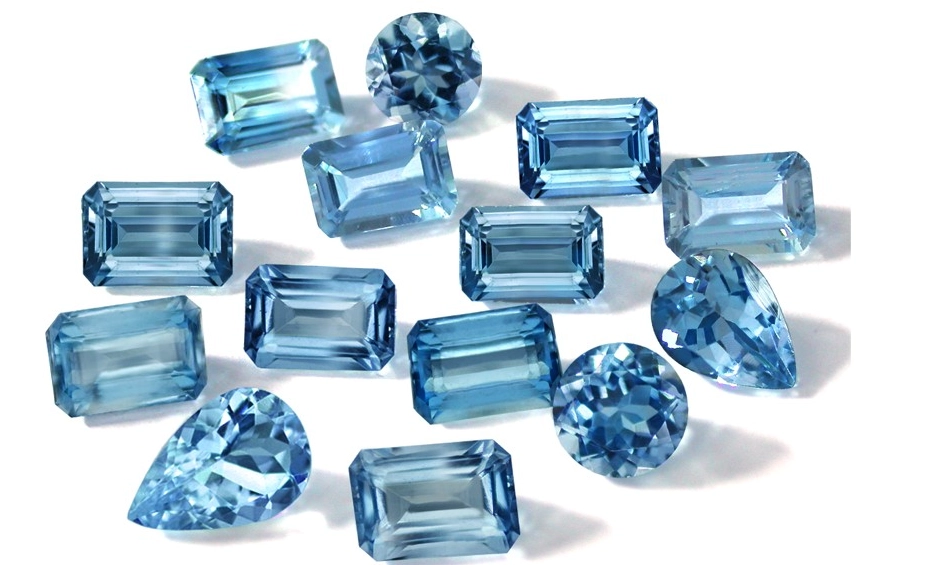
How to Judge Your Aquamarine's Value
Let's get practical. You have a stone or are looking at one. How do you assess it?
- Examine the color in daylight. Artificial light can distort it. Is it a weak, watery blue or a deep, vivid one? Hold it against a white background.
- Check for inclusions. Look closely with your naked eye. Can you see any specks, clouds, or cracks inside? Eye-clean is the baseline for value.
- Evaluate the cut. Does it sparkle brightly, or does it look a bit dead or glassy? Look at the symmetry from the top down.
- Get the paperwork. This is non-negotiable for any stone of significant value. A report from a reputable lab like GIA or American Gem Trade Association (AGTA) Gemological Testing Center will confirm it's natural aquamarine, note any treatments, and describe the color and clarity objectively. This certificate is a key part of the stone's value and resale potential.
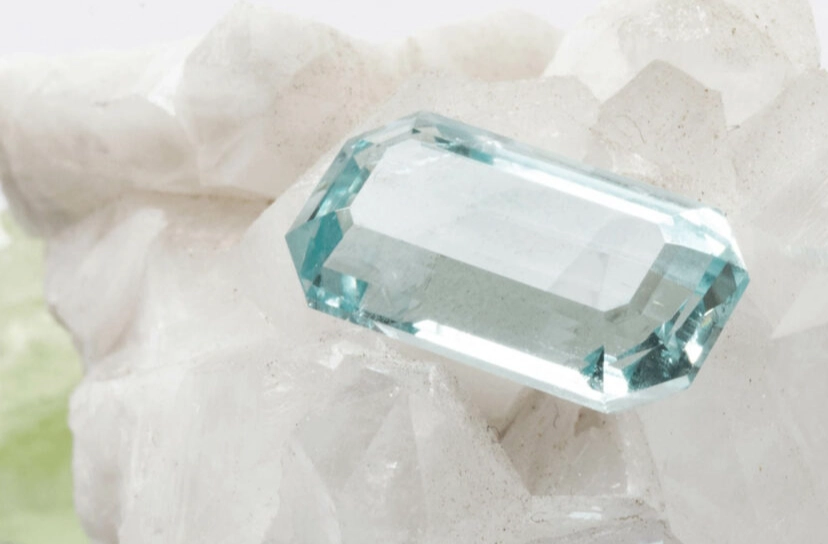
Personal Observation: I've seen too many people overpay for a large aquamarine with a poor, washed-out color because they were fixated on carat weight alone. A 3-carat stone with stunning color is almost always more valuable and desirable than a 5-carat stone with a pale, lifeless hue.
Smart Buying: Getting Value for Your Money
If you're buying, you want to ensure your money gets you the best stone possible.
- Prioritize color over size. A smaller, better-colored stone will retain its appeal and value far better.
- Ask about treatment. A reputable seller will voluntarily disclose if the stone has been heat-treated. It's standard, but transparency is a sign of integrity.
- Compare stones side-by-side. If possible, look at a few. You'll quickly train your eye to see differences in saturation and cut quality.
- Consider the setting. A well-made setting in solid gold or platinum protects the stone and complements its value. A flimsy setting can detract from a nice stone.
- Where to buy: Established local jewelers, reputable online specialists (with clear return policies), and gem shows are good options. For investment-grade pieces, buying at auction from houses like Sotheby's or Christie's is a route, but do your homework first.
Your Aquamarine Value Questions Answered
 Can aquamarine be a good alternative to a blue sapphire?