Let's talk about emeralds. That rich, captivating green has hypnotized everyone from Cleopatra to modern collectors. But here's the raw truth most generic guides won't tell you: the emerald market is a minefield for the unprepared. I've seen too many people overpay for a mediocre stone or, worse, buy a treated piece thinking it's natural top quality. This isn't just about beauty; it's about making a smart investment. Forget the poetic fluff. This guide cuts straight to what you need to know to buy, value, and care for an emerald with confidence.
Your Quick Guide to Navigating This Emerald Article
What Makes an Emerald Special (Beyond the Color)?
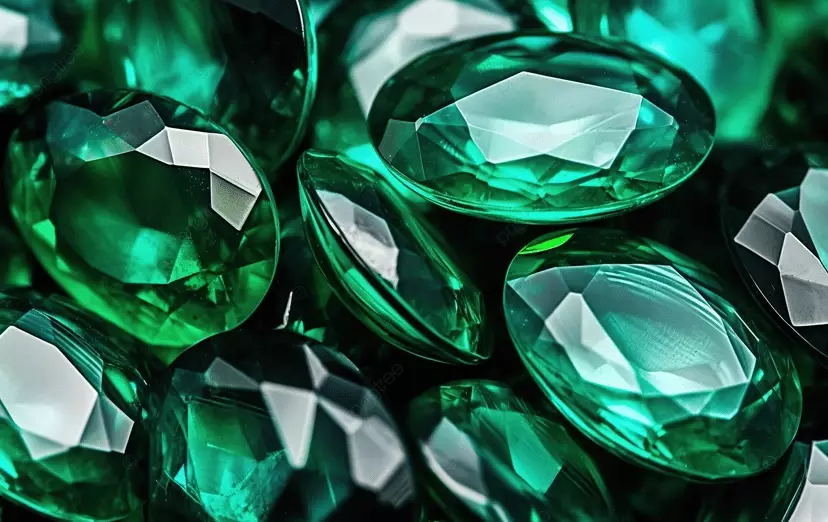
Emerald is the green variety of the mineral beryl, colored by traces of chromium and sometimes vanadium. That's the textbook answer. The practical reality? Its legendary status comes from a brutal contradiction. It's one of the hardest gemstones (7.5-8 on the Mohs scale), yet it's almost always heavily included with fractures and gardens of internal features called "jardin" (French for garden). This inherent fragility is its fingerprint.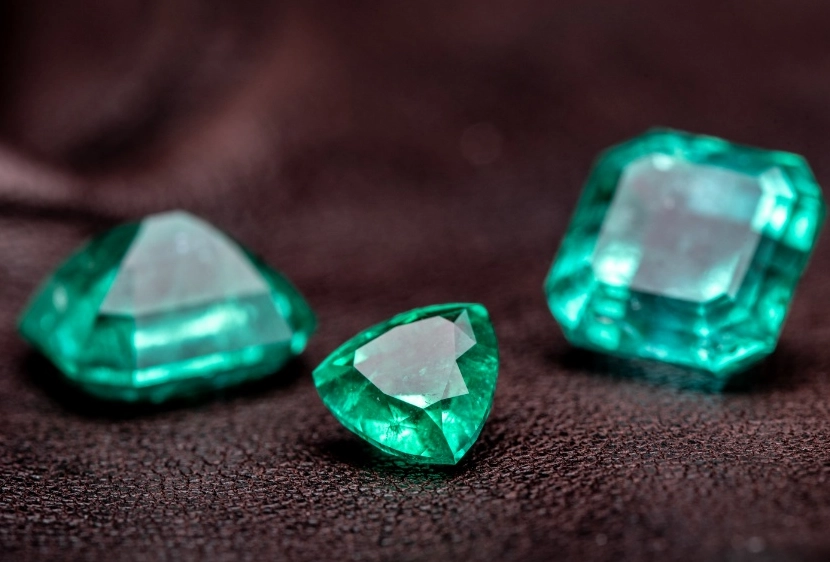
Most new buyers run from inclusions. With emeralds, you often run toward them—they're proof of natural origin. A flawless, clean emerald is the biggest red flag. It's either synthetic or so astronomically priced you won't find it in a regular store. The most prized color is a vivid, slightly bluish-green with medium to dark tone. Think deep spring grass, not a dark forest pine. The top sources are Colombia (famous for its pure, lively green), Zambia (known for slightly bluer, darker tones), and Brazil.
What Determines an Emerald's Value? The Real 4Cs
Diamond 4Cs don't translate perfectly to emeralds. The hierarchy shifts dramatically. For emeralds, the mantra is Color is King, but Clarity is the Gatekeeper.
1. Color: The Make-or-Break Factor
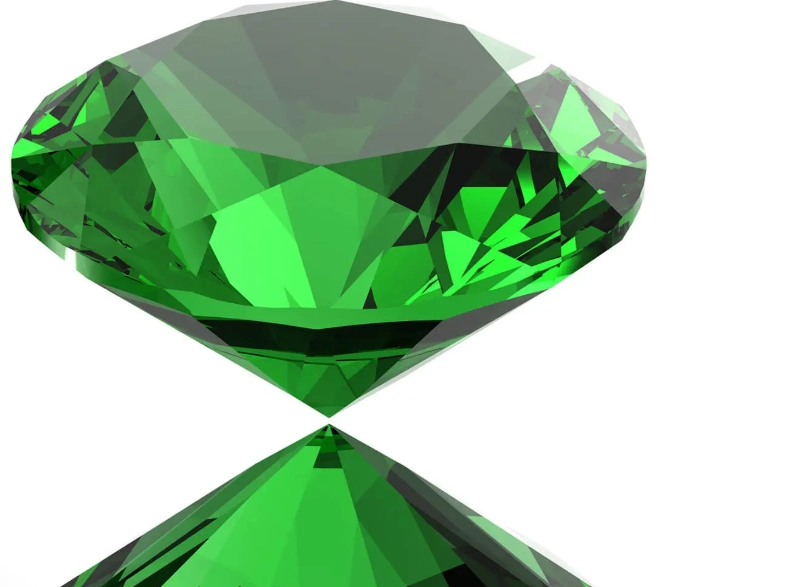
This is 60% of the value. Hue, tone, and saturation are everything. The ideal is a pure green to slightly bluish-green hue. Yellowish undertones lower the price. The saturation must be vivid and intense, not grayish or dull. I always advise clients to view stones under natural daylight, not just a jeweler's warm spotlight which can mask yellowish tints.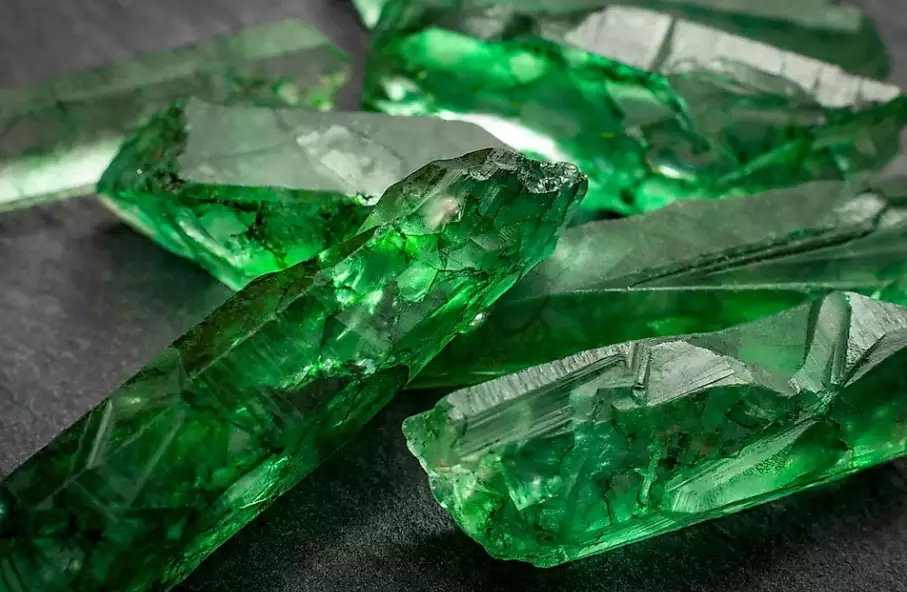
2. Clarity: Embracing the "Jardin"
All natural emeralds have inclusions. The value question is: how do they affect durability and beauty? Surface-reaching fractures are a liability. A dense garden that makes the stone look cloudy is a problem. But delicate, feathery inclusions that don't compromise structural integrity? That's just character. According to the Gemological Institute of America (GIA), eye-cleanliness (no inclusions visible to the naked eye) is rare and commands a huge premium.
3. Cut: The Compromise Artist
Emeralds are often cut into the signature "emerald cut" (rectangular with stepped facets) not just for style, but to minimize pressure during the cutting process and to best preserve carat weight from the rough crystal. A good cutter works around the inclusions. A shallow cut can make color look washed out; an overly deep cut can hide weight and make the stone look dark. It's a balancing act.
4. Carat Weight: The Exponential Multiplier
Like most gems, price per carat jumps significantly at certain weight milestones (e.g., over 1ct, over 3ct, over 5ct). A 3-carat stone is worth far more than three 1-carat stones of similar quality.
| Quality Tier | Color Description | Clarity (Typical) | Price Range (per carat, approx.) |
|---|---|---|---|
| Commercial | Light to medium green, may have noticeable gray/yellow | Heavily included, fractures visible to eye | $200 - $800 |
| Good | Pleasant medium green, decent saturation | Moderate inclusions, some eye-visible | $800 - $2,500 |
| Fine | Vivid, intense green, ideal hue (e.g., classic Colombian) | Eye-clean to minor inclusions visible under 10x | $2,500 - $10,000+ |
| Exceptional/Museum | Vivid "emerald" green, flawless saturation, ideal tone | Eye-clean, exceptional clarity for an emerald | $10,000 - $100,000+ |
How to Identify a Real Emerald? Treatments & Imitations Exposed
Nearly all emeralds on the market are treated. The key is knowing what was done and whether it's stable and disclosed.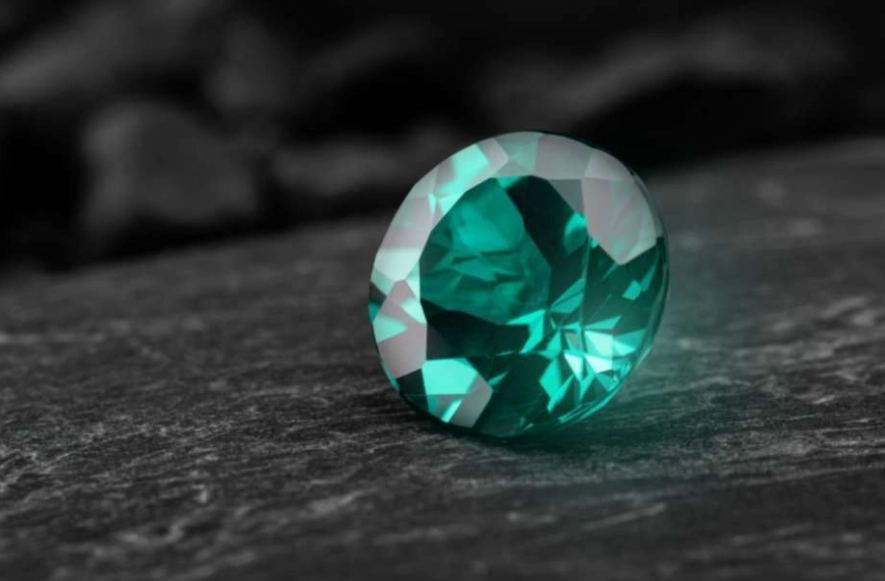
- Oil Treatment (Fracture Filling): 99% of emeralds are clarity-enhanced with oils (like cedarwood oil) or resins. This fills surface-reaching fractures, improving clarity. It's accepted but MUST be disclosed. Ask for the level: "Minor," "Moderate," "Significant." Insignificant or F1 is best. Over time, oil can dry out or discolor, requiring re-oiling. Resins are more permanent but less traditional.
- Dyeing: Low-quality, porous stones may be dyed to improve color. This is unacceptable and decreases value. A cotton swab with acetone rubbed on the stone might reveal dye (but don't try this on a stone you don't own!).
Common imitations include green glass, synthetic emerald (lab-created, has same chemical properties but is man-made), and other green stones like green sapphire or tourmaline. A reputable jeweler will provide a lab report from GIA or AGL for any significant purchase. Don't trust a "verbal guarantee."
How to Buy an Emerald: A Step-by-Step Action Plan
Ready to buy? Follow this sequence to avoid costly mistakes.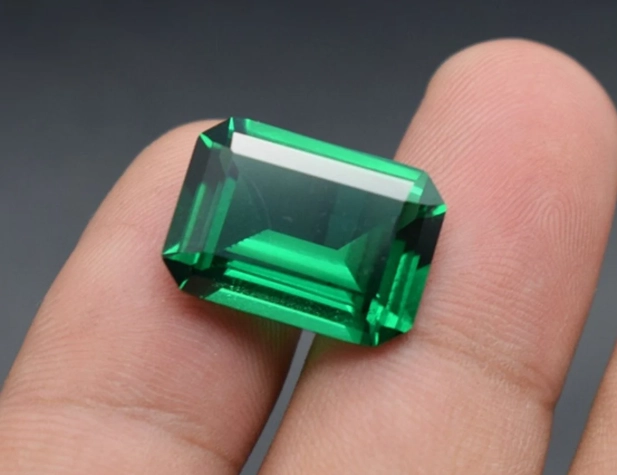
Step 1: Define Your Non-Negotiables. Budget is first. Then, decide on minimum color quality and maximum acceptable treatment level. Are you okay with "Moderate" oiling? Is a slightly yellowish green acceptable to stay in budget?
Step 2: Seek Reputable Sources, Not Just Cheap Ones. Look for jewelers affiliated with professional bodies like the American Gem Society (AGS) or the International Colored Gemstone Association (ICA). They adhere to strict disclosure standards. Online retailers can offer value, but ensure they have a robust return policy and provide independent lab reports.
Step 3: Scrutinize the Documentation. Ask for a gemological lab report. For emeralds, reports from GIA or the American Gemological Laboratories (AGL) are gold standards. They will detail treatments, origin, and identify any synthetics.
Step 4: Evaluate the Stone in Person (If Possible). Look at it under different lights. Check the setting—are prongs placed over major fractures to protect them? Does the color speak to you? Compare a few stones side-by-side.
Step 5: Plan for the Future. Ask about the care requirements for the specific treatment level of your stone. Get insurance immediately. An appraisal for insurance should be from a qualified gemologist appraiser, not the selling jeweler's sales receipt.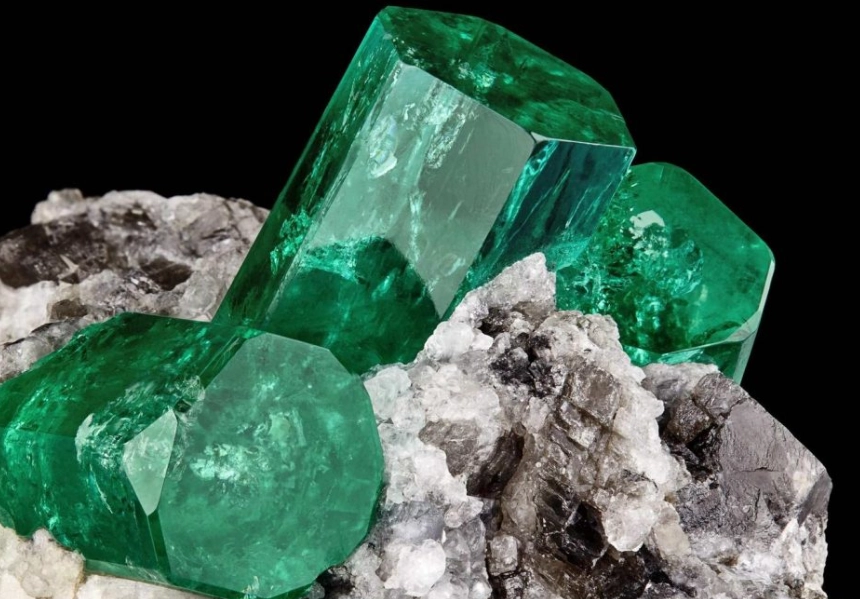
Caring for Your Emerald: The Do's and Don'ts
Emeralds are not diamonds. They need a gentle touch.
Do: Clean with a soft, dry cloth. Use mild, lukewarm soapy water and a soft brush if needed, but dry thoroughly. Store separately in a soft pouch to prevent scratches from harder gems. Remove your ring before gardening, cleaning, or any manual work.
Don't: Never use an ultrasonic cleaner. The vibrations can shatter a fractured stone. Never use steam cleaning. Avoid extreme temperature changes and harsh chemicals (bleach, ammonia, acids). Don't wear it in a chlorinated pool—it can damage oil treatments.
Every few years, have a jeweler check the setting and the stone's condition. Re-oiling might be recommended if the stone appears to have "dried out" (fractures become more visible).