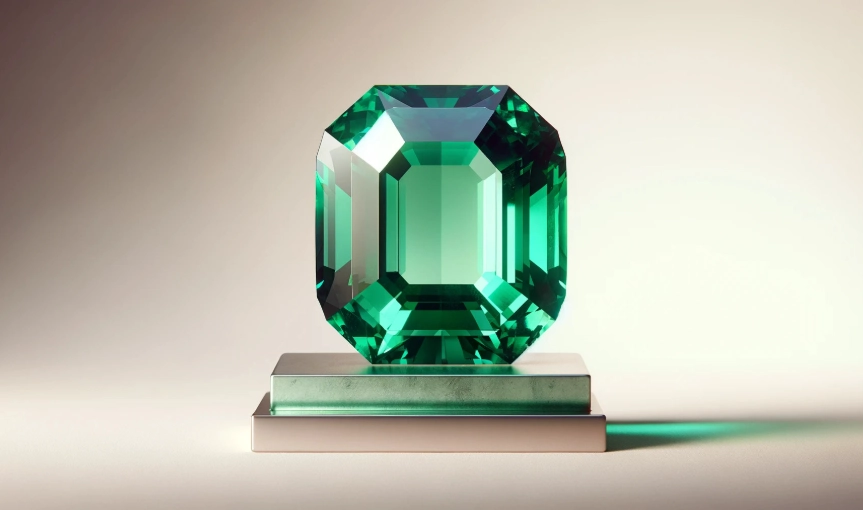
Emerald color. You see it in a ring, on a wall, in a forest after rain. It's not just green. It's a feeling. Rich, deep, alive, and sometimes surprisingly expensive or difficult to get right. For over a decade working with gemstones and color theory, I've seen people make the same mistakes. They chase the "perfect" emerald green without understanding what creates that magic in the first place. This guide cuts through the noise. We'll look at where this color gets its power, why a tiny gem with the right hue can cost more than a car, and how you can use this knowledge whether you're buying jewelry or painting your front door.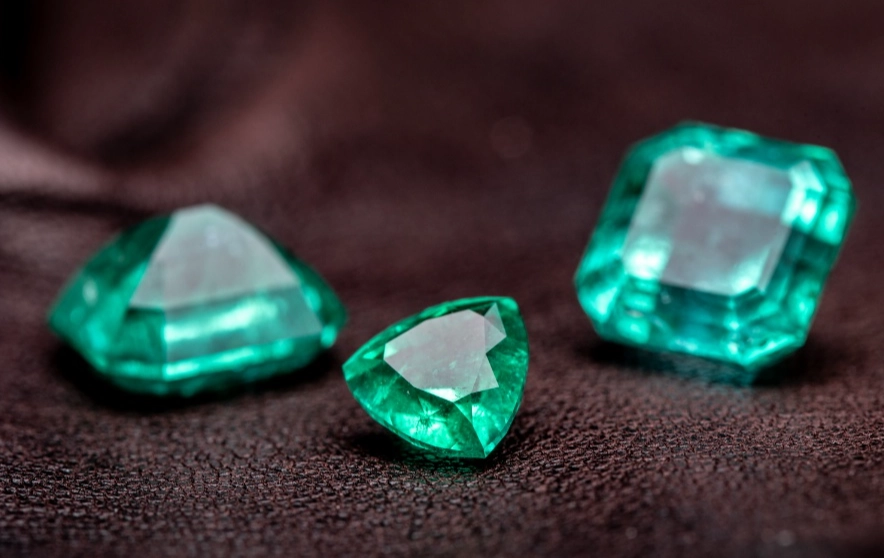
What You'll Discover
Where Emerald Color Gets Its Magic: The Gemstone Origin
Let's start at the source. The emerald color standard is set by the gemstone, a variety of the mineral beryl. Its iconic green comes from trace amounts of chromium and sometimes vanadium. But here's the first nuance most blogs miss: not all green beryl is emerald. If the green comes from iron, it's just green beryl, and the trade treats it as a less valuable cousin. The chromium is non-negotiable for that specific, vibrant, cool-toned green we call emerald.
The value of an emerald's color hinges on three things, and everyone focuses on the first two while ignoring the third.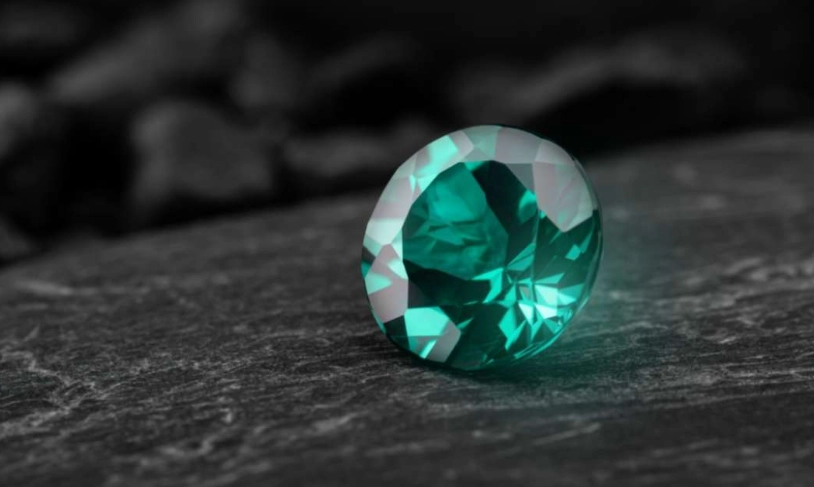
Hue, Tone, and Saturation: The Trifecta
Hue is the basic color. The finest emeralds have a pure green to slightly bluish-green hue. A strong yellow modifier lowers the value. Tone is how light or dark the color is. The sweet spot is medium to medium-dark. Too light, it looks washed out. Too dark, it loses its sparkle and looks black in dim light. Saturation is the color's intensity or purity. High saturation means a vivid, powerful green.
But the third, often-ignored factor? Distribution. Chromium isn't always evenly spread. You can have a stone that looks great face-up under perfect light, but tilt it and you see colorless patches or uneven color zones. A top-tier emerald has uniform color saturation throughout. I've seen buyers pay a premium for a slightly included stone with perfect color distribution over a cleaner stone with patchy color. It makes a bigger difference to the eye than the certificate might suggest.
Expert Tip: When judging an emerald's color, always ask to see it on a flat, white surface (not the black velvet tray jewelers often use). View it under different light sources—daylight, LED, incandescent. A great emerald color holds its vibrancy across lights. A poor one might look dull outside the showroom.
The Inclusions Debate: The "Jardin"
Emeralds are famously included. These internal fractures and crystals are called "jardin" (French for garden). The trade accepts them. The common advice is "look for an eye-clean stone." My non-consensus take? Sometimes, a visible jardin can be beautiful, like a fingerprint, and it often means the color is more saturated. A completely clean, vivid green "emerald" should immediately raise a red flag—it might be a synthetic or a different stone altogether. Don't fear inclusions; understand them. According to the Gemological Institute of America (GIA), the focus should be on how inclusions affect durability, not just on eliminating them for purity's sake.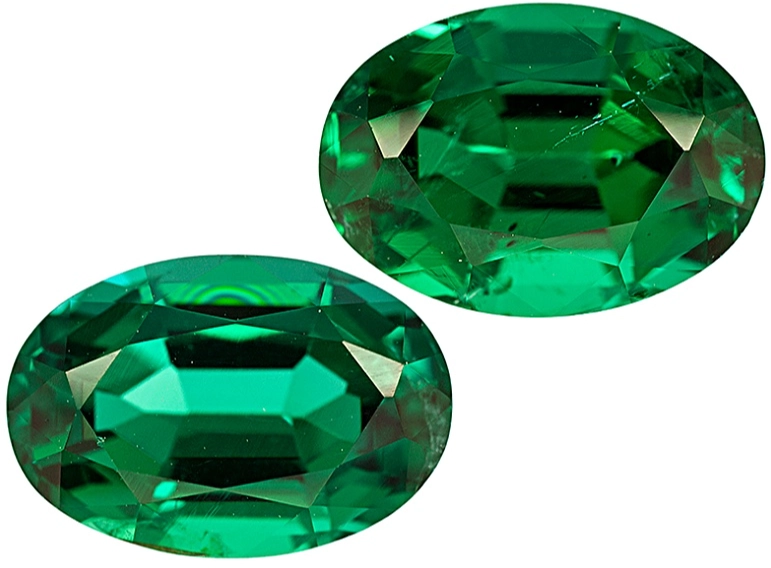
| Color Grade (Trade Terms) | Hue Description | Tone & Saturation | What It Means for You |
|---|---|---|---|
| Exceptional / Vivid | Pure green to slightly bluish-green | Medium-dark tone, vivid saturation | Top 1% of stones. Investment level. Expect a premium price. |
| Fine | Green, may have slight secondary hue (blue or yellow) | Medium to medium-dark, strong saturation | Beautiful, high-quality jewelry. The sweet spot for many collectors. |
| Good / Commercial | Green, may be more yellowish or grayish | Can vary widely, moderate saturation | Attractive and more affordable. Great for everyday wear. |
| Pale / Light | Light green, often with a yellow tint | Light tone, weak saturation | Lacks the classic emerald "pop." Often marketed as "green beryl." |
The Psychology of Emerald Green and Its Use in Design
Step away from the gem lab. Emerald color carries baggage—good baggage. It's the color of renewal, wealth, and balance. In design, it's a powerhouse but a tricky one.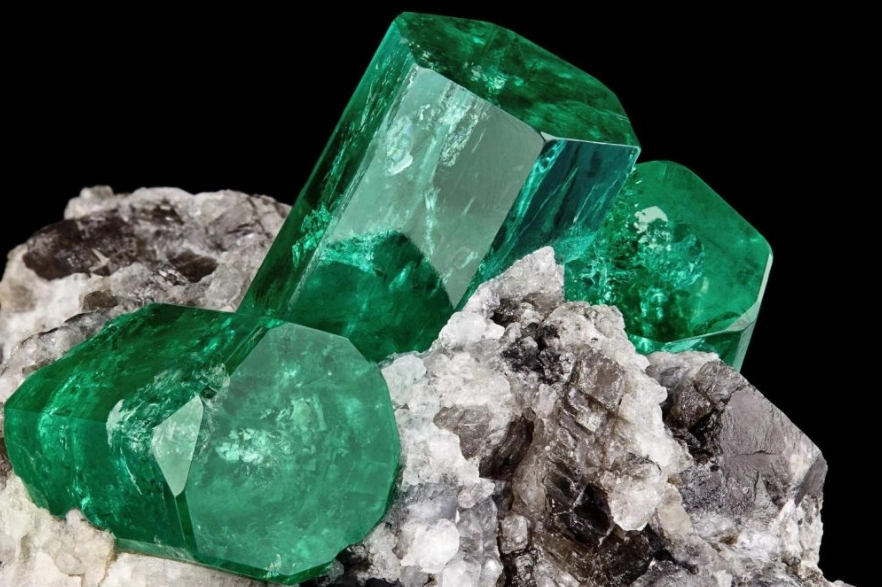
In my living room, I painted one wall emerald green. It was a gamble. In the paint store, it looked invigorating. On the wall, at night, under warm bulbs, it looked murky and overwhelming for a week. I almost repainted. Then I added warm brass shelves, a creamy white rug, and plants with lighter green leaves. The room snapped into focus. The emerald became a lush, enveloping backdrop instead of a dark hole.
The lesson? Emerald green is a high-commitment color. It's dominant. You can't just slap it on and hope for the best. It needs contrast and careful lighting.
Where It Works (And Where It Doesn't)
Works: As an accent wall in a room with great natural light. In textiles like velvet cushions or throws. In branding for companies wanting to signal luxury, wellness, or environmental stability (think of Starbucks or the health brand Whole Foods). Paired with metallics—gold, brass, and copper make it regal; silver and chrome make it modern and cool.
Struggles: In small, windowless rooms where it can feel claustrophobic. In large, unbroken swathes without texture variation. Next to other strong, warm colors like red or orange without a careful neutral buffer.
A Common Mistake: People see a stunning emerald green dress online and order it. On screen, it's lush. In person, against their skin tone, it can look draining. If you have a cool skin tone (veins on your wrist look blue), emerald green is your friend. If you have a warm skin tone (veins look greenish), you might need to find an emerald with a touch more yellow in its base or wear it further from your face, like in a skirt.
How to Choose and Use Emerald Color Like a Pro
Let's get practical. You're sold on the color. Now, how do you bring it into your life without regret?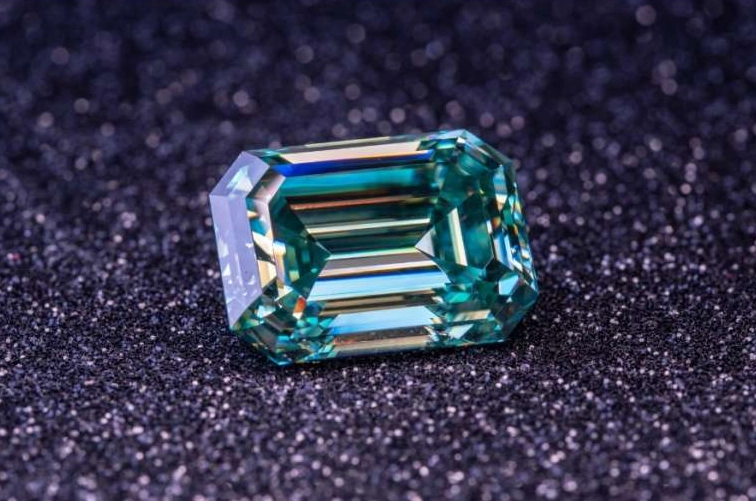
For Jewelry Buyers: Navigating the Market
You want an emerald. Your budget is $2,000. The salesperson shows you a large, pale stone and a smaller, vivid one. Which do you choose? Almost always, the smaller, more colorful stone. The color is the primary driver of value and beauty in emeralds. Size comes second.
Ask for the origin. Colombian emeralds (from mines like Muzo) are famed for a pure, intense green. Zambian emeralds often have a slightly bluer tone and can be less included. Brazilian stones might have a warmer, lighter feel. Origin affects price, but a beautiful color is a beautiful color, regardless of passport.
Consider the cut. An emerald-cut (the rectangular shape with stepped facets) is classic because it maximizes color and protects the corners of a brittle stone. But a well-cut oval or cushion can show color beautifully too. Avoid overly shallow cuts—they wash out the color.
For Home Designers: Paint, Fabric, and Decor
Start small. Don't paint your whole study emerald green. Buy a throw pillow first. Live with it. See how the light changes it from morning to night.
Test paint samples—large ones, on poster board. Move the board around the room. Look at it for three days. Benjamin Moore's "Hunter Green" or Sherwin-Williams "Jade Dragon" are popular starting points, but every brand has its champion.
Pair it with neutrals that let it sing: crisp white, warm beige, soft gray, dark charcoal. For a bold look, pair it with navy or mustard yellow. For a calming vibe, pair it with other natural greens and wood tones.
My personal, slightly negative opinion? The trend of emerald green kitchen cabinets is brutal. In a room that needs cleanliness and brightness, a dark, absorbing color on every cabinet can make the space feel heavy and the work feel harder. As an island accent? Maybe. Everywhere? It's a lot.
Your Emerald Color Questions Answered
 Can I use emerald green in a north-facing room with little light?