Let's cut to the chase. The name attached to an emerald isn't just a pretty label—it's a coded message about its origin, its rarity, its treatment, and most importantly, its price tag. Get the code wrong, and you could overpay by thousands. I've seen it happen too often in my years around gemstones. This guide isn't about memorizing a list. It's about understanding the four key naming systems used for emeralds: geographic, varietal, commercial, and treatment-based. Master these, and you'll walk into any showroom or browse any online store with the confidence of a seasoned buyer.
Your Quick Guide to Emerald Names
- How Geographic Names Define Emerald Value and Character
- Understanding Rare Emerald Varieties: Trapiche, Cat's Eye, and More
- Decoding Commercial & Trade Names: Marketing vs. Reality
- The Critical Language of Treatments and Clarity
- Emerald Name Impact on Value: A Clear Breakdown
- Your Emerald Name Questions, Answered by an Expert
How Geographic Names Define Emerald Value and Character
When a dealer says "Colombian Emerald," they're doing more than stating a fact. They're invoking a legacy. Geographic names are the most powerful in the emerald world. They set immediate expectations for color, clarity, and cash.
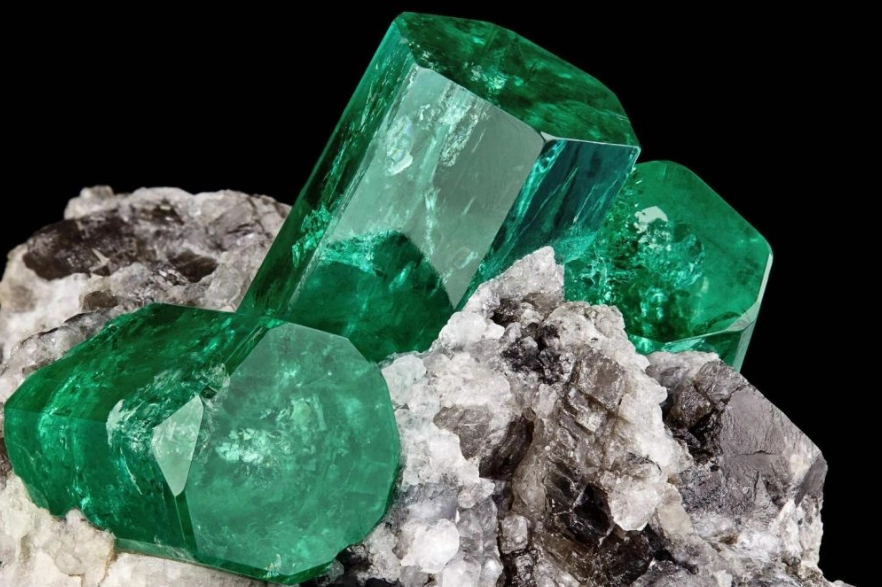
Colombian Emeralds are the benchmark. The name conjures images of a pure, saturated grassy green, often with a slight bluish undertone. Mines like Muzo, Chivor, and Coscuez are legendary. But here's the nuance everyone misses: not all Colombian emeralds are created equal. A "Muzo" emerald commands a higher premium than a generic "Colombian" one because of its historically superior color. However, the term "Muzo" is now often used loosely for any fine Colombian green. Ask for the specific mine on the lab report. If they can't provide it, that "Muzo" name might be more marketing than geology.
Zambian Emeralds emerged as a major force. They tend to be a deeper, slightly more bluish-green than Colombians and often have fewer inclusions (internal flaws). The market loves them for their clarity and slightly more modern tone. A "Zambian" name today signals high quality and good value, often challenging Colombian stones head-on.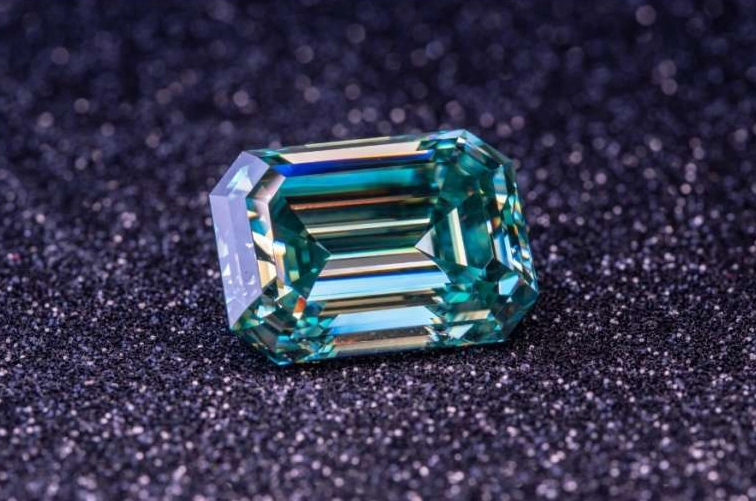
Other names you'll see:
- Brazilian Emeralds: Often lighter in color, sometimes yellowish-green. Can be more affordable and are known for larger, cleaner crystals.
- Afghanistani/Pakistani Emeralds: From the Panjshir Valley. They have a beautiful, intense color but are often heavily included and small. The name speaks to rarity and a specific, desirable hue.
- Ethiopian Emeralds: The new kid on the block (discovered around 2016). They can be very clean with a vibrant color, but their stability (resistance to damage) is still being evaluated by the trade. The name "Ethiopian" currently implies potential and sometimes a lower price due to market newness.
The geographic name is your first filter. It tells you the rough palette of color and clarity you should expect. But it's just the start.
Understanding Rare Emerald Varieties: Trapiche, Cat's Eye, and More
This is where things get fascinating. Some emeralds have unique growth patterns that earn them special varietal names. These are not about origin, but about structure.
Trapiche Emerald
The holy grail for collectors. Trapiche (tra-PEE-chay) emeralds show a six-spoked wheel pattern caused by black carbon impurities radiating from the core. They are almost exclusively from Colombia. The name "Trapiche" instantly multiplies the value, but beware of fakes. I've seen dyed quartz or assembled stones passed off as Trapiche. A genuine one will have the spokes meeting at a central core, and the pattern is in the crystal itself, not just on the surface. Always, always get a report from a reputable lab like GIA or Gübelin for a Trapiche.
Cat's Eye Emerald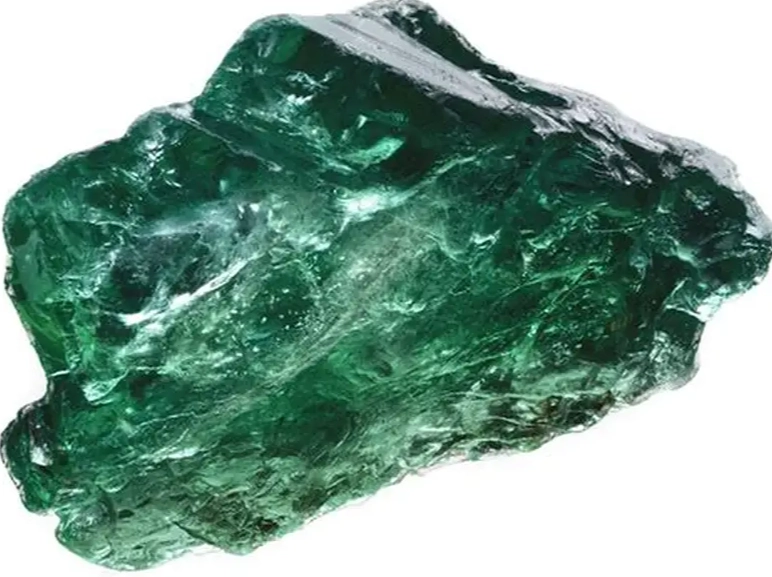
Extremely rare. This name means the emerald exhibits chatoyancy—a silky band of light that moves across the stone like a cat's eye. It's caused by dense, parallel inclusions of needle-like rutile. The name "Cat's Eye" adds a significant premium due to its rarity and optical effect. Most "cat's eye" green stones on the market are actually other minerals like tourmaline. A true cat's eye emerald is a specialist's stone.
"Garden" Emerald
This isn't an official varietal name, but a romantic trade term for an emerald with many inclusions (jardin, French for garden). It's a way of reframing a flaw as a feature. Some buyers love the unique, mossy landscapes inside. The name "Garden" often tries to justify the presence of heavy inclusions. It can work for a truly artistic interior, but don't let the poetic name make you overpay for a stone that's simply heavily flawed and less durable.
Decoding Commercial & Trade Names: Marketing vs. Reality
This is the murkiest water. Commercial names are invented for marketing. Some are helpful, many are vague, and a few are downright misleading.
Old Mine Emerald: Sounds antique, right? It typically refers to the classic, slightly darker Colombian color. It doesn't necessarily mean the stone is old or from a historic mine. It's a color descriptor.
Jardin Emerald: As mentioned, the fancy way of saying "included."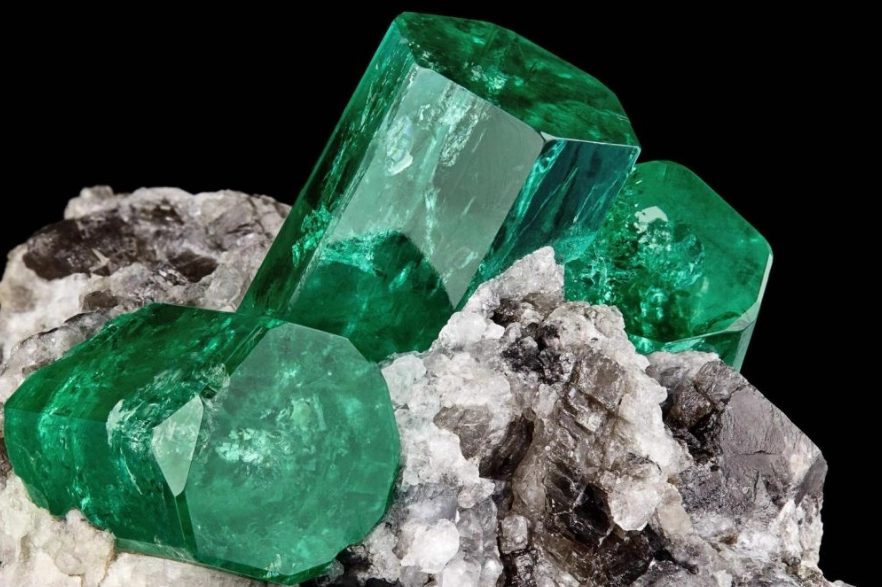
Santa Maria Emerald: This is a classic example. It originally described an intensely saturated, aqua-blue green from the Santa Maria mine in Brazil. The color was so prized that "Santa Maria" became a color grade, not a provenance. Today, you'll see African emeralds called "Santa Maria" if they match that color saturation. It's a useful color reference but tells you nothing about origin.
The rule with commercial names? Treat them as adjectives, not facts. They describe an appearance, not a certified characteristic. "Old Mine" tells you about color, not age. "Santa Maria" tells you about saturation, not location. Never let a commercial name substitute for a proper lab report detailing origin and treatment.
The Critical Language of Treatments and Clarity
Almost all emeralds are treated with oils or resins to fill surface-reaching fractures and improve clarity. How this treatment is named is legally and ethically crucial.
None/No Indications of Clarity Enhancement: The unicorn. An emerald with no treatment. The price reflects this extreme rarity.
Insignificant or Minor: The treatment is minimal. Most high-end emeralds fall into these categories. The value remains high.
Moderate or Significant: The stone has been heavily oiled or resin-filled. This is common for commercial-grade stones. Value is lower. These treatments can be unstable—the filler can dry out, discolor, or react to cleaning solutions, making the fractures visible again.
Clarity Enhancement with Filler(s): The report will specify the type (e.g., "cedarwood oil," "optically clear resin"). Resins are more permanent than oils but are considered a more significant treatment.
Here's the expert slip-up I see: buyers hear "oiled" and think it's standard (it is) and stop asking questions. The critical detail is the degree of treatment. A "Minor" and a "Significant" treatment are worlds apart in stability and value, even if both are just called "oiled" in casual talk. Always, always look for the specific terminology on a lab report from AGL, GIA, or Gübelin.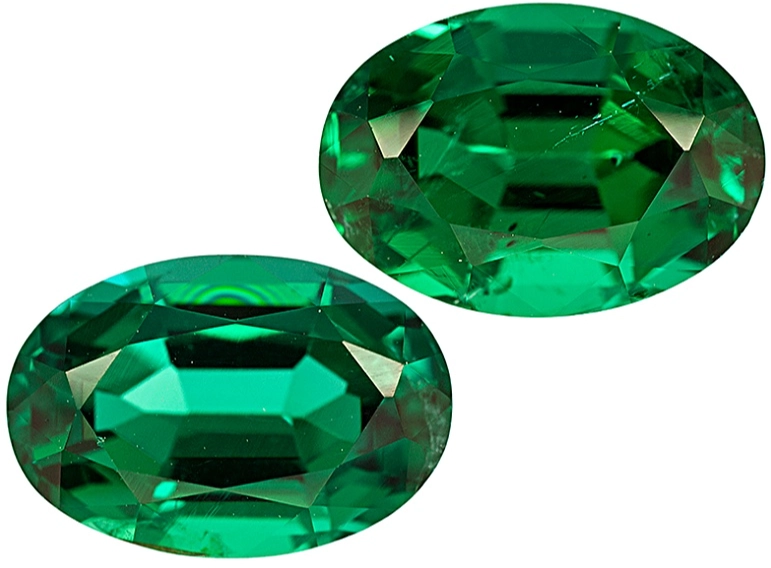
Emerald Name Impact on Value: A Clear Breakdown
Let's put it all together. How do these names actually affect the price per carat for a 2-carat, well-cut emerald of good color? This table simplifies the hierarchy. (Note: Prices are illustrative ranges for the market; exceptional stones can always command more).
| Name / Label | Type of Name | Primary Value Impact | Price Per Carat Estimate (USD) |
|---|---|---|---|
| Colombian (Muzo), No Treatment | Geographic + Treatment | Maximum premium for top origin and natural state | $15,000 - $50,000+ |
| Trapiche Emerald (Colombian) | Varietal + Geographic | Extreme collector premium for unique structure | $8,000 - $30,000+ |
| Colombian, Minor Treatment | Geographic + Treatment | High premium for origin, standard for treatment | $5,000 - $20,000 |
| Zambian, Minor Treatment | Geographic + Treatment | Strong premium for desirable modern origin | $3,000 - $12,000 |
| Cat's Eye Emerald | Varietal | High premium for extreme optical rarity | $4,000 - $15,000 |
| Brazilian, Minor Treatment | Geographic + Treatment | Moderate premium, often valued for size/clarity | $1,500 - $6,000 |
| Ethiopian, Minor Treatment | Geographic + Treatment | Growing market, price reflects newer source | $1,000 - $4,000 |
| "Santa Maria" Color (any origin), Mod. Treatment | Commercial Color + Treatment | Premium for color description, not origin | $2,000 - $8,000 |
| Unspecified Origin, Significant Treatment | Treatment (Lack of Geo. name) | Lowest tier; value is in the color and size alone | $300 - $1,500 |
See the jumps? A name can easily triple the price. But also see the overlaps. A fine Zambian can rival a mid-range Colombian. It's not just the name—it's the combination of name, treatment, and the actual stone in front of you.
Your Emerald Name Questions, Answered by an Expert