So you're asking, "What is emerald stone good for?" Maybe you inherited a ring, saw a stunning piece in a store, or heard whispers about its power. It's more than just a pretty green rock. I've been collecting and studying gemstones for over a decade, and I can tell you that the value of a fine emerald stretches far beyond its surface sparkle. It's a stone wrapped in history, mystery, and surprisingly practical uses. Let's cut through the vague marketing and look at what this verdant gem can actually do for you.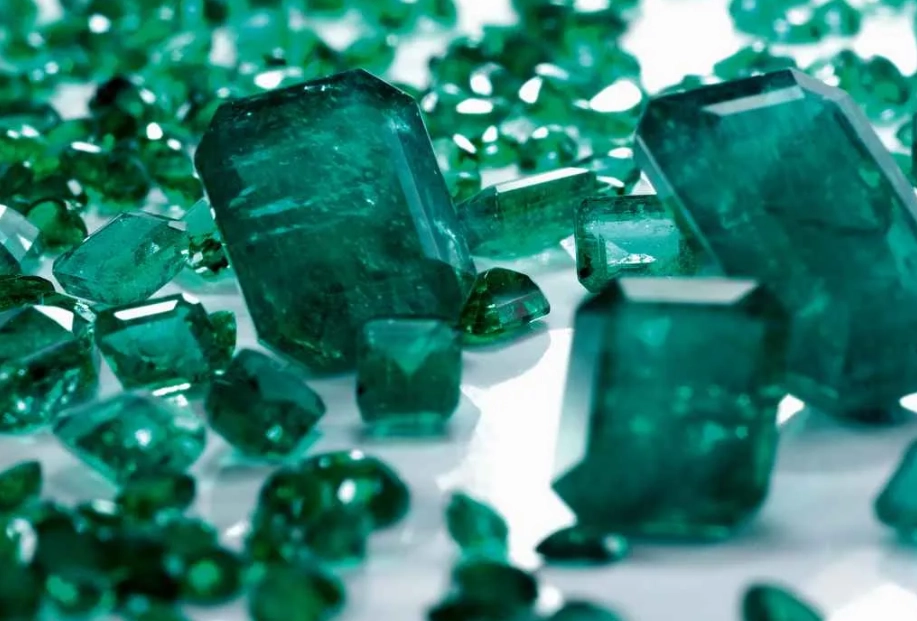
Your Quick Guide to Emerald's World
How Can Emerald Benefit Your Health and Well-being?
For centuries, cultures from Egypt to India have revered the emerald for more than its beauty. While I'm not a doctor and you should never replace medical advice with a crystal, the historical and anecdotal uses are fascinating and speak to why people feel drawn to this stone.
The connection is often emotional first. That rich green color is the color of spring, of renewal. It's no wonder it's historically been tied to the heart.
The Emotional and Spiritual Anchor
Many wearers report a sense of calm and clarity when they have an emerald nearby. It's often called a "stone of successful love," but that's not just romance. It's about fostering loyalty, patience, and open communication in all relationships—with partners, family, or business associates. I've had clients tell me that wearing an emerald pendant helped them navigate difficult conversations with a newfound sense of peace.
It's also linked to enhancing intuition and mental focus. Students in ancient times were said to use emeralds to aid memory and eloquence. Whether you believe in the metaphysical or not, having a physical object that represents clarity can be a powerful psychological tool.
Physical Wellness Associations
In traditional practices like Ayurveda, the green color of emerald is associated with balancing the body's systems. It has been historically used to support eye health (the famous Roman scholar Pliny the Elder wrote about this), soothe the nervous system, and promote overall vitality. Again, these are traditional beliefs, not proven medical facts, but they form a core part of the stone's historical "job description."
The key takeaway? If you're looking for a gemstone that symbolizes healing, emotional resilience, and a deep connection to nature's restorative energy, emerald has been humanity's go-to for a very long time.
The Tangible Value: Emerald as Jewelry and Investment
Let's get practical. One of the most concrete things emerald is good for is being a stunning centerpiece in jewelry and a potential store of value. Not all gemstones hold their worth equally, but high-quality emeralds have a track record.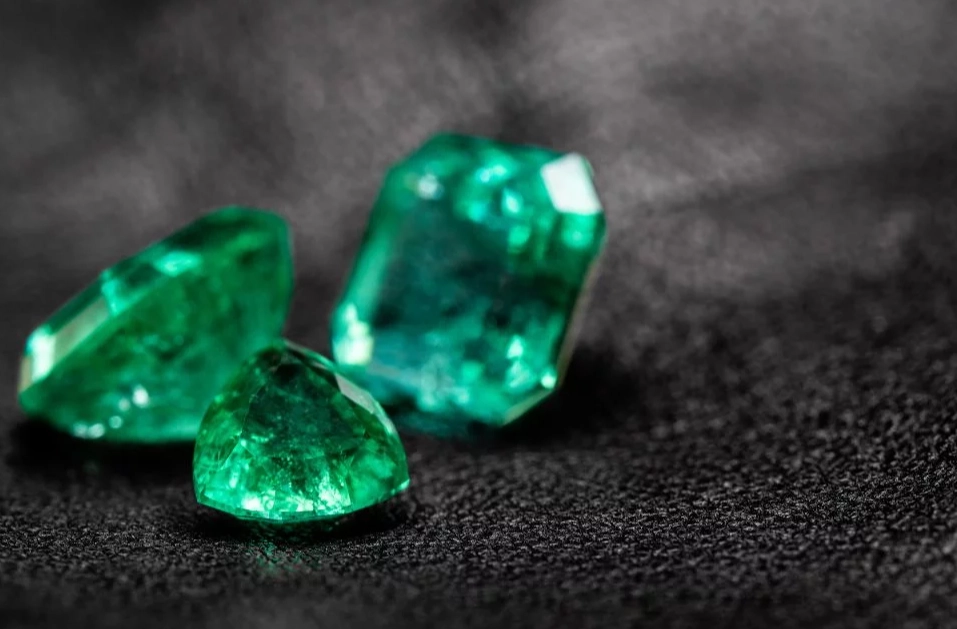
Why Emerald Jewelry Stands Out
Unlike the uniform sparkle of a diamond, an emerald's beauty is in its lush, velvety color. The most prized hue is a slightly bluish-green to pure green with vivid saturation and medium tone. This unique look makes emerald jewelry instantly recognizable and often carries a vintage or regal air.
Popular designs include:
- The Classic Solitaire Ring: Often an oval or emerald-cut stone, it's a bold statement.
- Vintage-Inspired Pendants: Perfect for daily wear, keeping the stone close to the heart.
- Accent Stone Settings: Emeralds paired with diamonds in halos or channel settings create incredible contrast.
I always advise clients to consider the setting carefully. Due to their inherent inclusions and brittleness, emeralds are often set in protective bezels or have their corners guarded in prongs (a style literally called the "emerald cut" for this reason).
The Investment Perspective
Can an emerald be a good investment? It can, but with major caveats. This isn't like buying a stock.
| Factor | Why It Matters for Investment | Beginner Tip |
|---|---|---|
| Origin | Stones from famous sources like Colombia (Muzo, Chivor) or Zambia often command significant premiums and have better long-term value recognition. | Focus on the gem's quality first. A stunning Zambian stone can be better than a mediocre Colombian one. |
| Treatment | Most emeralds are clarity-enhanced with oils or resins. Minor treatment is expected, but heavily treated stones are less valuable and less stable over decades. | Always, always get a lab report (from GIA, AGL, or Gubelin) that discloses the type and level of treatment. |
| Color & Clarity | Color is king. A vibrant, saturated green is the top priority. Clarity is secondary—"jardin" (French for garden, referring to internal inclusions) is accepted, but it shouldn't majorly impact durability or beauty. | Look at the stone with your own eyes in different lights. Does the color make you catch your breath? That's a good sign. |
The market for fine, untreated or lightly treated emeralds with exceptional color has remained strong. However, liquidity is low—selling it quickly for full value isn't easy. You should buy it first because you love it, and view any financial gain as a potential bonus.
What Should You Know Before Buying an Emerald?
This is where most people get tripped up. The emerald market is nuanced. I've seen seasoned diamond buyers make costly mistakes here. Let's break down the non-negotiable steps.
The Golden Rule: Certification is Not Optional
If a seller hesitates to provide a reputable gemological lab report, walk away. For emeralds, this report is more critical than for almost any other gem because it details treatments. The Gemological Institute of America (GIA) or the American Gemological Laboratories (AGL) are excellent choices. The report will tell you the origin (if determinable), the specific type of clarity enhancement (e.g., "minor clarity enhancement with colorless oil"), and grade the color.
Don't rely on a store's "in-house" certificate. It's meaningless.
Evaluating Color and Clarity Yourself
Look at the stone under different light sources—daylight, office light, and warm indoor light. The best emeralds keep their rich green color across all of them. A stone that looks great only in the jeweler's bright spotlight might appear dull elsewhere.
Regarding inclusions: They're expected. The question is, do they create a hazy or milky effect that dulls the stone, or are they like a unique fingerprint that doesn't detract from the overall beauty? Avoid stones with large fractures that reach the surface, as they pose a durability risk.
Questions to Ask Your Jeweler
- "Can I see the GIA/AGL report for this specific stone?"
- "What is the extent of the clarity enhancement, and what substance was used?"
- "How should I care for and clean this stone based on its treatment?"
- "What is your return policy?" (A reputable seller will offer at least a 7-14 day return period for you to get an independent appraisal).
Keeping Your Emerald Vibrant: Care and Maintenance
Emeralds require a gentle touch. Their treated inclusions and natural brittleness mean they can't handle the same abuse as a diamond.
Cleaning: Never use an ultrasonic cleaner or steam cleaner. The vibrations and heat can dry out or damage the oils/resins inside the fractures, making inclusions more visible. Stick to warm water, mild dish soap, and a soft brush. Pat dry with a soft cloth.
Wearing: Put your emerald jewelry on last when getting ready (after hairspray, perfume, and makeup). Remove it before physical activities, household chores (especially with chemicals), or swimming. The chlorine in pools can be particularly damaging.
Storage: Store it separately in a soft pouch or a lined jewelry box to prevent scratches from harder gems.
Over time, an emerald might need to be re-oiled by a professional jeweler if it starts to look dry or white fractures become more apparent. This is normal maintenance, not a defect.
Your Emerald Questions, Answered
Can wearing an emerald really improve my relationships?
It's not a magic fix. The idea stems from emerald's association with the heart chakra, promoting compassion and honest communication. In practice, wearing a stone that you believe symbolizes these traits can make you more mindful of them in your interactions. It acts as a personal reminder to approach relationships with patience and openness, which can indeed lead to positive changes.
Is an emerald a good stone for attracting wealth?
Historically, it's been linked to abundance and growth, likely because of its lush green color resembling thriving plant life. In a modern sense, its value as a luxury asset can represent financial success. However, don't buy one expecting sudden windfalls. Its "wealth" is more about the stability and long-term value of a tangible, beautiful object.
Who should wear an emerald? Is it only for a specific birth month?
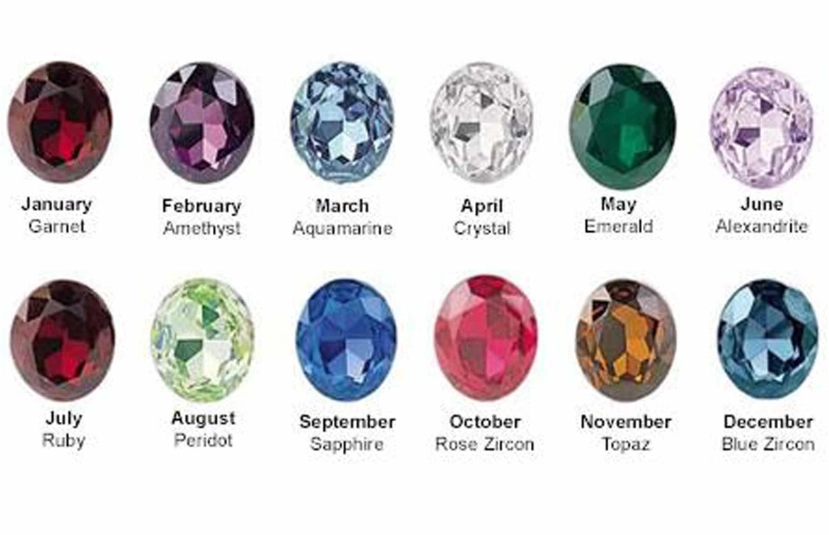
As the May birthstone, it's a classic gift for May birthdays. But anyone drawn to its energy and beauty can wear it. Astrologically, it's sometimes associated with Mercury and the zodiac sign Gemini. The best person to wear an emerald is someone who appreciates its history, loves the color green, and is willing to care for a slightly more delicate gem.
 What's the biggest difference between an emerald and a cheaper green stone like green quartz?
The difference is in depth, rarity, and durability. An emerald's color is typically more saturated and complex. Green quartz (sometimes called prasiolite) is uniform, much more abundant, and lacks the prestige and long-term value retention. They can look superficially similar in a photo, but side-by-side, the emerald's presence is unmistakable.
Are lab-created emeralds "good for" the same things as natural ones?
Lab-created emeralds have the same chemical composition and can be visually stunning. Metaphysically, many believe they lack the "earth energy" of a natural stone that formed over millions of years. For jewelry, they offer an ethical and affordable option with perfect clarity. For investment, they have little to no resale value compared to natural stones. It depends entirely on your purpose.
I've heard emeralds are fragile. Is it impractical for an engagement ring?
It's a legitimate concern. Emeralds are softer and more brittle than diamonds or sapphires. If you lead a very active lifestyle or work with your hands, it might not be the most practical choice for a daily-wear ring. However, with a protective setting (like a bezel), mindful wearing habits, and proper insurance, many people successfully wear emerald engagement rings. It's a trade-off between unparalleled beauty and a need for extra care.
 So, what is emerald stone good for? It's good for connecting you to a timeless tradition of beauty and symbolism. It's good for making a bold, elegant statement in your jewelry collection. It's good for serving as a potential heirloom and store of value. And for many, it's good for providing a sense of calm, balance, and heart-centered focus. Its value is a blend of the tangible and the intangible, the financial and the emotional. That's the true power of this remarkable green gem.