You see a stunning emerald ring online for $500. Another one, looking almost identical, is listed for $15,000. What gives? The simple question "how expensive is emerald?" has a wildly complex answer. It's not like buying a diamond where you can plug numbers into a formula. With emeralds, you're paying for color, story, and a whole lot of hidden character. I've been buying and selling colored gems for over a decade, and the number one mistake I see is people focusing solely on carat weight. Let's fix that. The real price of an emerald is determined by four key factors, with one being far more important than most guides tell you.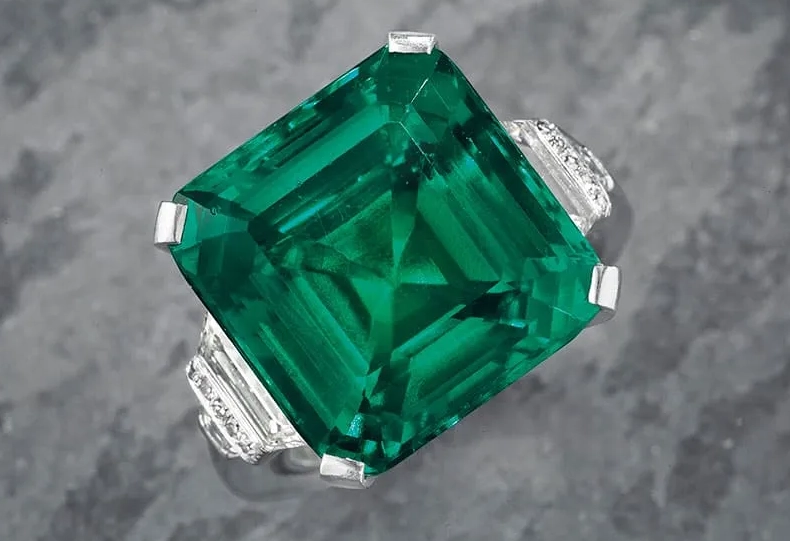
What's Inside This Guide?
What Determines an Emerald's Price? (The 4Cs Plus One)
Forget what you know about diamond pricing. Emerald valuation dances to a different tune. Yes, we talk about Cut, Color, Clarity, and Carat, but the weight is given to each is completely different.
1. Color: The King of Value
This is it. The single most important factor. A large, clean emerald with a pale, yellowish-green color might be cheap. A small, included one with a vivid, bluish-green hue can be priceless. The ideal is a pure, intense green to bluish-green with high saturation and medium to medium-dark tone. Think of the lush green after a rainstorm, not the light green of a lime. Gems from Colombia, especially the Muzo and Chivor mines, often set the standard for this coveted hue. If you remember one thing, remember this: color trumps almost everything else.
2. Clarity: Embracing the "Jardin"
Emeralds are famously included. These internal fractures and crystals are called "jardin" (French for garden). Unlike diamonds, where high clarity is prized, emeralds are expected to have inclusions. The price impact comes from the type and location of these inclusions. Surface-reaching fractures that threaten durability are a major red flag and price killer. A veil of fine inclusions that give the stone a slightly hazy look (reducing transparency) will lower the value more than a few well-defined crystals deep inside the stone. Most emeralds on the market are clarity-enhanced with oils or resins to make these fractures less visible—a standard and accepted practice we'll discuss later.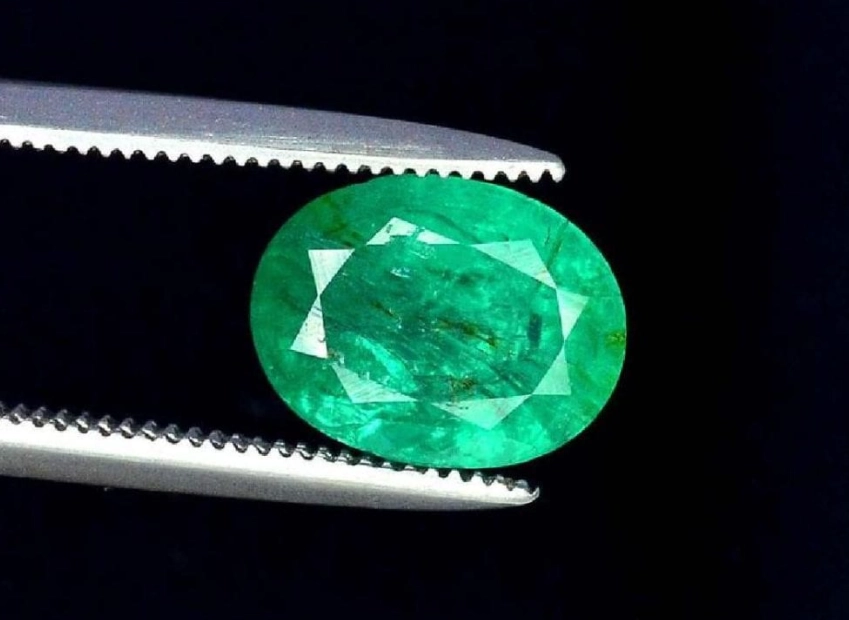
3. Treatment: The "Oil" Question
Here's a non-consensus point most sellers won't emphasize: Virtually all emeralds are treated. The quest for a completely untreated, eye-clean, vibrant green emerald is a path to bankruptcy. The industry standard is clarity enhancement with colorless oils (like cedarwood oil) or modern resins. This stabilizes the stone and improves appearance. The key for pricing is disclosure. A minor oil treatment might reduce a stone's price by 10-20% compared to a hypothetical untreated equivalent. A heavily resin-filled stone might see a 50% or greater discount. Always, always get a report from a lab like GIA or AGL that specifies the type and degree of treatment. "No oil" is a major selling point that commands a huge premium, but be prepared to pay for it.
4. Origin: The Provenance Premium
A gemological lab can often determine an emerald's origin based on its chemical fingerprint and inclusions. Origin adds a story and a premium. Colombian emeralds (especially from Muzo) typically command the highest prices, followed by Zambian and Brazilian stones. A fine Colombian emerald can be 20-50% more expensive than a Zambian stone of similar quality. Is the color difference always that dramatic? To a trained eye, often yes. To an average buyer? Sometimes it's the certificate doing the heavy lifting on the price tag.
5. Cut & Carat Weight
Cut is about preserving weight from the rough crystal, which is often flawed. A well-cut emerald maximizes color and minimizes the impact of inclusions. Odd shapes are common. Carat weight has a non-linear effect on price. A 3-carat stone of a given quality will cost more than double a 1.5-carat stone of the same quality. Larger, clean emeralds are exponentially rarer.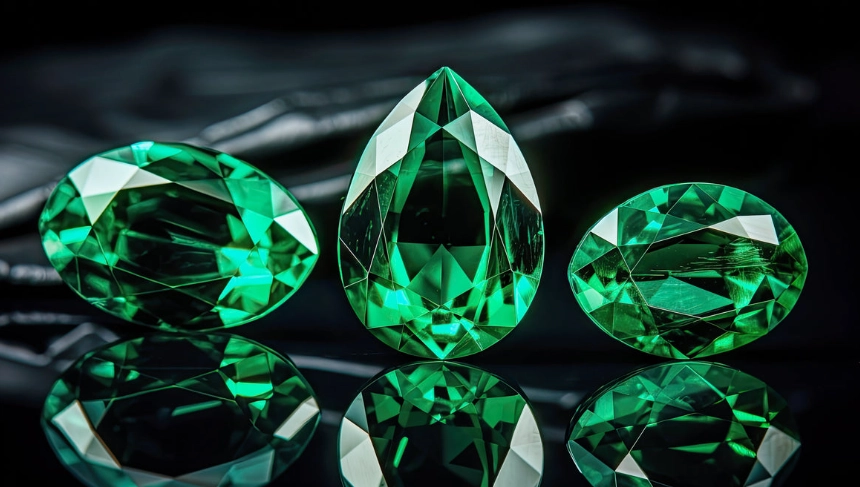
Quick Tip from Experience
Don't get hung up on a specific origin if you're on a budget. A top-tier Zambian emerald will look more stunning and offer better value than a low-grade Colombian one. Focus on the color you see with your own eyes, not the geography on the report.
Emerald Price Ranges Per Carat: A Realistic Table
These are approximate retail price ranges per carat. Remember, two stones can sit in the same range but look very different. Commercial grade is what you'll find in many mall jewelry stores. Fine and Heirloom are from specialist gem dealers.
| Quality Grade | Color & Clarity Description | Typical Origin(s) | Price Per Carat (USD) |
|---|---|---|---|
| Commercial | Light or yellowish-green, visible inclusions, may be hazy. Often heavily treated. | Brazil, Zambia, Various | $200 - $800 |
| Good | Medium green, moderate inclusions (jardin visible to eye), good transparency. | Zambia, Brazil, Ethiopia | $800 - $2,500 |
| Fine | Vivid green to bluish-green, minor inclusions (eye-clean or slightly included), minor oil treatment. | Zambia, Colombia, Afghanistan | $2,500 - $8,000 |
| Heirloom / Investment | Exceptional vivid/bluish-green, eye-clean to minor inclusions, negligible to no treatment. | Colombia (Muzo, Chivor), Rare Zambian | $8,000 - $18,000+ |
A 1-carat commercial emerald in a silver setting might total $400. A 2-carat fine emerald in a simple gold ring could easily reach $15,000. Context is everything.
How to Buy an Emerald Without Overpaying
Let's get practical. Where and how you buy drastically affects the price.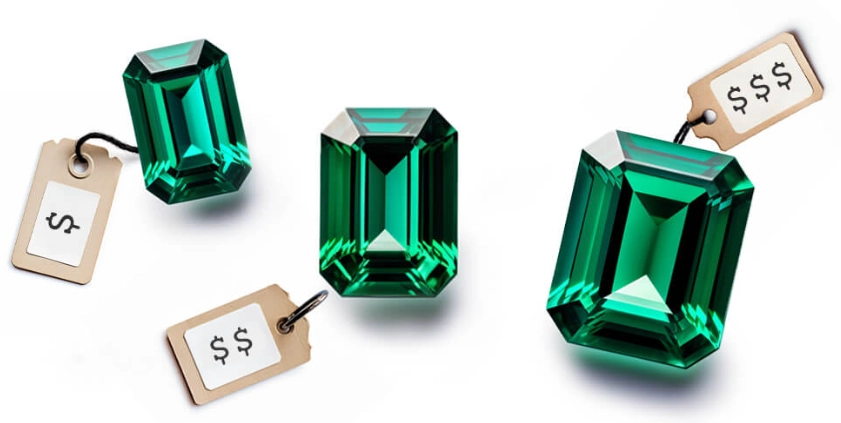
Buying Online vs. In Person
Online (e.g., Blue Nile, James Allen, specialist dealers): You get a wider selection and often better prices for a given quality. The huge downside? You can't see the stone in person. Color on screen is notoriously unreliable. Always ask for a video of the stone in natural light and on a hand. Insist on a return policy.
In Person (Local jewelers, gem shows): You can see the color and life in the stone. You can build a relationship. The price is usually higher due to overhead. A local jewler might source a stone for you, which is a great service but adds a layer of cost.
My hybrid advice: Use online markets to educate yourself on prices for specific qualities. Then, visit a reputable local jeweler or gem show with that knowledge. You'll know if their prices are fair.
The Non-Negotiables: Certification and Return Policy
Never, ever buy a significant emerald without an independent lab report. GIA (Gemological Institute of America) or AGL (American Gemological Laboratories) are the gold standards. The report should detail carat weight, dimensions, color, clarity, and—critically—the type and extent of any treatment. A store's "in-house" certificate is worthless. A solid return policy (e.g., 30 days, no questions asked) is your safety net.
Is Emerald a Good Investment?
Can you park money in an emerald and expect returns? Maybe, but with major caveats.
Only top-tier investment-grade stones (fine color, excellent clarity, desirable origin, minimal treatment) have a reliable history of appreciating. They are illiquid—selling quickly for full value is hard. You'll need professional auctions or high-end dealers. The market is smaller and more subjective than diamonds.
For 99% of buyers, view an emerald as a beautiful, durable store of value and a piece of heirloom jewelry, not a stock portfolio. Buy it because you love it. Any financial gain should be a potential bonus, not the primary goal.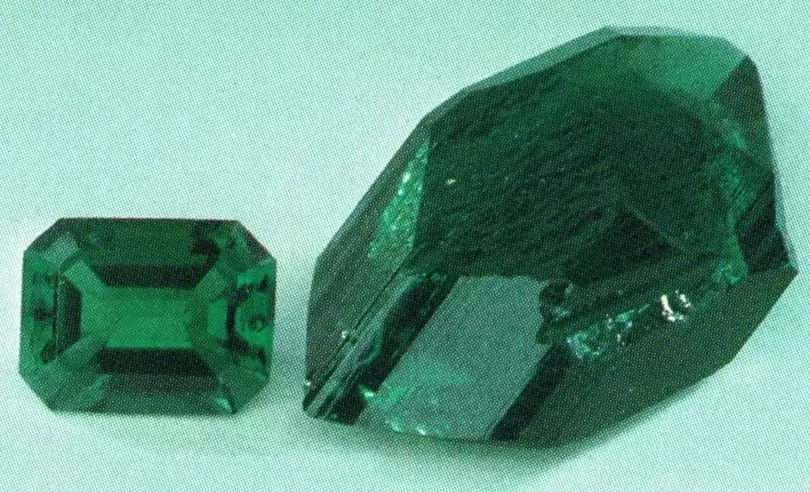
Your Emerald Price Questions, Answered
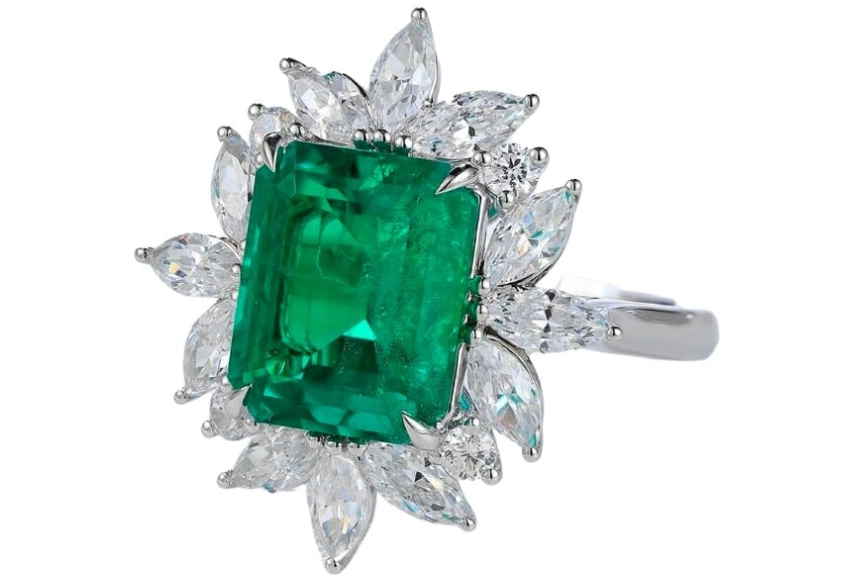 So, how expensive is emerald? It's as expensive as the story you want it to tell. You can find a pretty green stone for a few hundred dollars, or you can invest in a piece of the earth's art for the price of a car. The gap between them is filled with color, clarity, and a little bit of educated judgment. Set your budget, prioritize color above all, demand a proper certificate, and buy from someone who gives you confidence—not just a sales pitch.