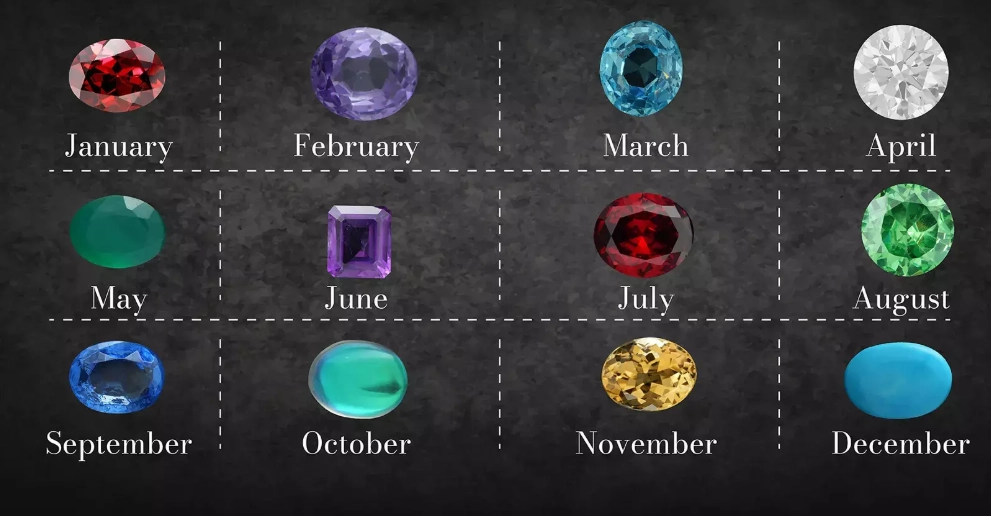
Yes, absolutely. If you're asking whether you can wear or gift blue topaz for a November birthday, the answer is a clear yes. But here's where it gets interesting, and where most online articles stop too soon. The "official" story is that November has two birthstones: topaz and citrine. That's according to the modern list from the American Gem Trade Association and Jewelers of America. Topaz comes in a rainbow of colors, and blue is one of the most popular. So, blue topaz is a perfectly legitimate November birthstone. However, the traditional, centuries-old association for November is specifically yellow topaz, which looks a lot like citrine. This historical mix-up is the root of all the confusion. This guide won't just give you a simple yes or no. We'll dig into why the confusion exists, how to tell these stones apart (it's trickier than you think), and what you should really consider before buying.
What You'll Find in This Guide
The Great November Gemstone Mix-Up
Let's rewind a few hundred years. Before modern gemology, miners and jewelers named stones based on color. A golden yellow stone pulled from the ground was often called "topaz," regardless of its actual mineral makeup. Many of these stones were actually citrine, a yellow variety of quartz. The real mineral topaz, which can also be yellow, was rarer and more valuable. So, November became linked with the color yellow in gemstones. Fast forward to the 20th century, gemological associations wanted to clarify things. They officially declared both citrine (the common yellow stone) and topaz (the rarer one) as November's birthstones. They also recognized that topaz isn't just yellow—it's colorless, blue, pink, sherry orange, you name it.
This is why you'll see November birthstone jewelry featuring warm, sunny citrine, golden imperial topaz, and cool, sky-blue topaz. The choice is now largely personal. But this freedom of choice leads directly to the next big problem: telling them apart, especially when shopping online or at a mall kiosk.
Citrine vs. Topaz: A Side-by-Side Breakdown
You can't just go by color. A pale yellow stone could be either. You need to look at the properties. Here’s a table that cuts through the noise. I've based this on data from the Gemological Institute of America (GIA) and two decades of seeing customers get surprised by what they actually bought.
| Property | Citrine (November Birthstone) | Topaz (November Birthstone) |
|---|---|---|
| Mineral Family | Quartz (SiO₂) | Topaz (Al₂SiO₄(F,OH)₂) |
| Hardness (Mohs Scale) | 7 - Good for daily wear | 8 - Excellent for daily wear |
| Typical Color Range | Pale yellow to amber, brownish-orange. Rarely vivid. | Yellow, Blue, Pink, Colorless, Orange (Imperial), Brown. Can be very intense. |
| Clarity | Often eye-clean. Inclusions less common. | Typically very clean. Blue topaz is almost always flawless. |
| A Key Differentiator | Pleochroism: Weak or none. Color looks same from different angles. | Pleochroism: Strong. Color intensity can change depending on viewing angle (especially in blue & sherry tones). |
| Density/Heft | Lighter. A citrine will feel less heavy for its size. | Significantly heavier. A topaz feels denser, more substantial in hand. |
| Common Treatments | Often heat-treated amethyst (sold as citrine). Natural citrine is less common. | Most blue topaz is colorless topaz irradiated & heated. Yellow/Imperial often natural. |
| Price Point (General) | Generally more affordable, especially treated material. | Wider range. Blue topaz is affordable; natural pink or imperial topaz is very expensive. |
That last row on treatments is the silent deal-breaker nobody talks about in glossy ads. The vast, vast majority of blue topaz on the market—I'm talking over 99%—started life as colorless or pale topaz. It's treated with irradiation and heat to produce that stable, beautiful blue. This is a permanent, accepted industry practice. But if you're someone who values a completely natural stone, you need to know this. You're not buying a stone that came out of the earth blue; you're buying a stone that was enhanced to be blue. There's nothing wrong with it, it's not "fake," but it's a crucial detail that affects value and perception.
Is Blue Topaz a Valuable November Birthstone?
This depends entirely on what you mean by "valuable." If you mean monetarily, the answer is nuanced. Treated blue topaz (Swiss Blue, London Blue) is abundant and affordable. You can get a large, clean, brilliantly cut stone for a few hundred dollars. Its value is in its beauty and wearability, not as a financial investment. It's a fantastic choice for a stunning piece of jewelry that won't break the bank.
However, natural, untreated blue topaz is extremely rare and commands a high price. You'd need to go to a specialist dealer, and the color is usually a very pale sky blue. The deep blues are almost always treated.
Where blue topaz holds immense value is in its symbolic and aesthetic worth. Blue symbolizes tranquility, wisdom, and communication. For a November baby who loves cool tones or identifies with those traits, it's a profoundly meaningful choice. Its hardness of 8 means it will stand up to daily wear in a ring or bracelet far better than many other gems. That durability is a huge part of its practical value.
The Three Blues: Sky, Swiss, and London
Not all blue topaz is the same. The trade uses specific names for the shades, which are all results of different treatment intensities.
Sky Blue: The lightest, most delicate pastel blue. Think of a clear winter morning.
Swiss Blue: A vibrant, electric medium blue. This is the most popular and "in-your-face" blue. It's what most people picture.
London Blue: A deep, steely grayish-blue, often with a greenish undertone. It's the most sophisticated and masculine of the three.
Your choice here is purely personal. I find clients looking for a traditional gift often prefer the classic vibrance of Swiss Blue, while those wanting something more unique lean towards the depth of London Blue.
How to Identify Your November Birthstone: A Practical Guide
Let's say you have a piece of November birthstone jewelry, or you're looking to buy one. How do you know what you're really getting? Here’s a step-by-step approach, the kind I use at my bench.
First, look at the color and price tag. Is it a rich, saturated blue? It's almost certainly treated blue topaz. Is it a warm honey yellow? It could be citrine OR yellow topaz. A $50 yellow "topaz" ring from a fashion retailer is almost certainly citrine (or even glass). Real yellow topaz, especially the prized imperial topaz, costs much more.
Second, check for the heft. If you can compare, pick up a quartz-based stone like amethyst. Then pick up your suspected topaz. Topaz will feel noticeably heavier. This is the single most reliable at-home test if you have a known comparison stone.
Third, examine under different lights and angles. Tilt a blue or yellow topaz stone under a lamp. Does the color seem to shift in intensity, or do you see a hint of a different tone from the side? That's pleochroism, a strong indicator of topaz. Citrine will just look… uniformly yellow.
Fourth, ask the right questions. Don't ask "Is this real?" Ask: "Is this natural topaz, or treated topaz?" "Is this citrine or topaz?" A reputable seller should be able to tell you. If they get defensive or vague, walk away.
Finally, when in doubt, get a report. For any significant purchase, insist on a report from a reputable lab like GIA or AGS. It's worth the fee. I've seen too many "topaz" heirlooms turn out to be citrine or even synthetic spinel. A report ends all speculation.