Tourmaline is a stunning gemstone loved for its vibrant colors and supposed healing properties, but it's not for everyone. If you're thinking about wearing tourmaline jewelry, you need to know who should avoid it. Some people might experience skin reactions, energy mismatches, or other issues. Let's cut to the chase: individuals with certain medical conditions, allergies, or specific spiritual beliefs should think twice before wearing tourmaline. This guide dives deep into the reasons, backed by practical examples and expert insights.
Quick Navigation: What You'll Learn
Understanding Tourmaline and Its Properties
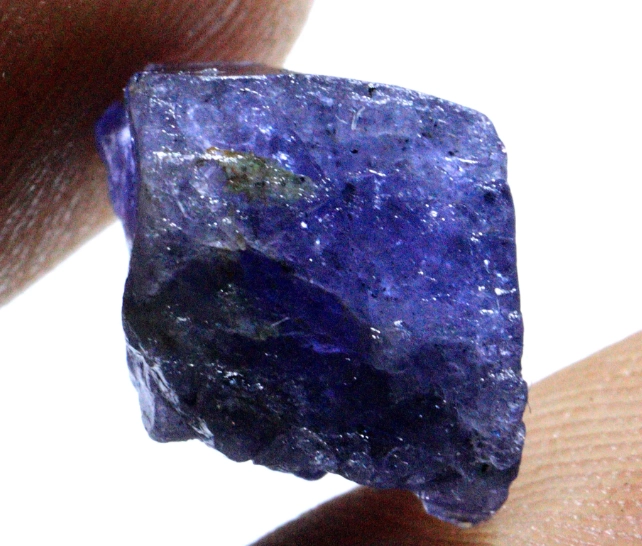
Before we get into who shouldn't wear it, let's talk about what tourmaline actually is. It's a complex boron silicate mineral that comes in a rainbow of colors—black, pink, green, you name it. People often use it in jewelry like rings, necklaces, and bracelets. In alternative healing circles, tourmaline is believed to have energetic properties, such as grounding negative energy or promoting emotional balance. But here's the thing: these beliefs aren't backed by mainstream science. As someone who's collected gems for over a decade, I've seen folks jump on the tourmaline bandwagon without considering if it's right for them.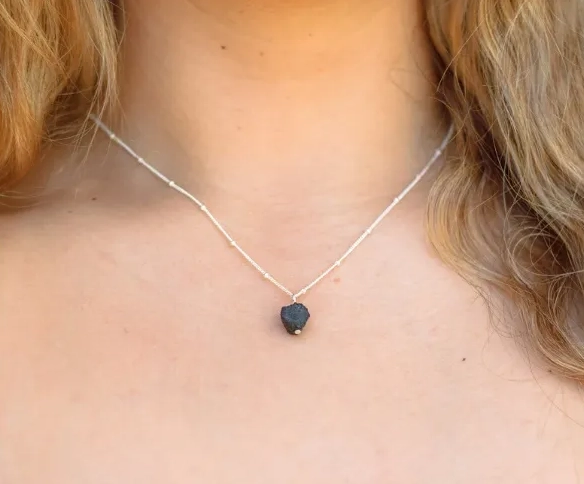
What is Tourmaline?
Tourmaline is a durable gemstone, scoring 7 to 7.5 on the Mohs hardness scale, making it suitable for daily wear. But durability doesn't equal suitability for all. Chemically, it can contain elements like iron, magnesium, or lithium, which might interact with sensitive skin. Most tourmaline on the market is treated or enhanced, which can introduce allergens. I once bought a tourmaline pendant that caused a rash because of residual polishing compounds—a detail many sellers don't disclose.
Common Uses and Beliefs
In crystal healing, tourmaline is often touted as a protective stone. Black tourmaline is said to ward off negativity, while pink tourmaline is linked to love. However, if your energy doesn't align with these properties, wearing it might feel off. I've met people who felt anxious or drained after wearing tourmaline, contrary to the promised benefits. It's not one-size-fits-all.
Medical Contraindications: Who Should Avoid Tourmaline?
This is where things get serious. Medical reasons are the top concern for avoiding tourmaline. If you have certain health conditions, wearing this gemstone could pose risks.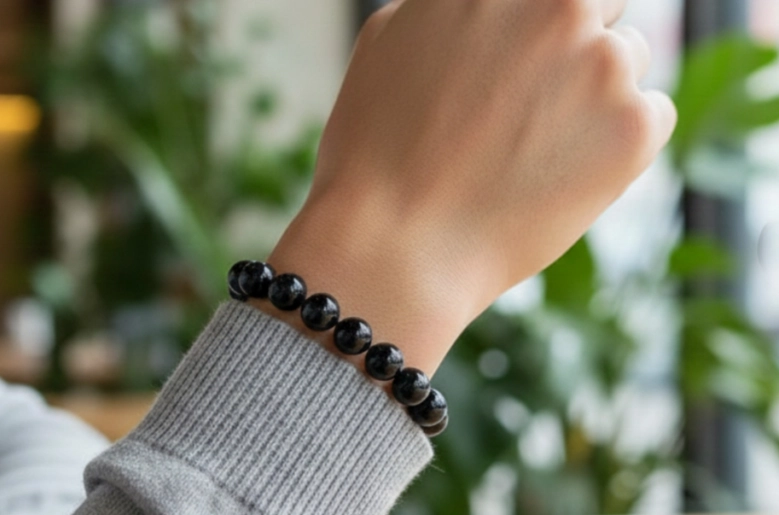
People with Certain Medical Conditions
Individuals with pacemakers or other electronic medical devices should be cautious. Tourmaline can generate piezoelectricity—a small electric charge when pressure is applied. While minimal, it might interfere with sensitive devices. A friend of mine with a pacemaker avoided tourmaline after her doctor warned about potential interference. It's rare, but why take the chance?
Also, those with thyroid issues might want to skip tourmaline. Some varieties contain iodine or other trace elements that could theoretically affect thyroid function, though evidence is anecdotal. If you're hyper-sensitive, it's better to err on the side of caution.
Allergies and Skin Sensitivities
Skin reactions are more common than you think. Tourmaline jewelry often uses metal settings like nickel or copper, which are known allergens. Even the stone itself, if untreated, can harbor dust or residues. I've seen cases where people developed contact dermatitis from wearing tourmaline rings daily. Symptoms include redness, itching, or blisters. If you have a history of metal allergies, opt for hypoallergenic settings like platinum or titanium, and ensure the tourmaline is thoroughly cleaned.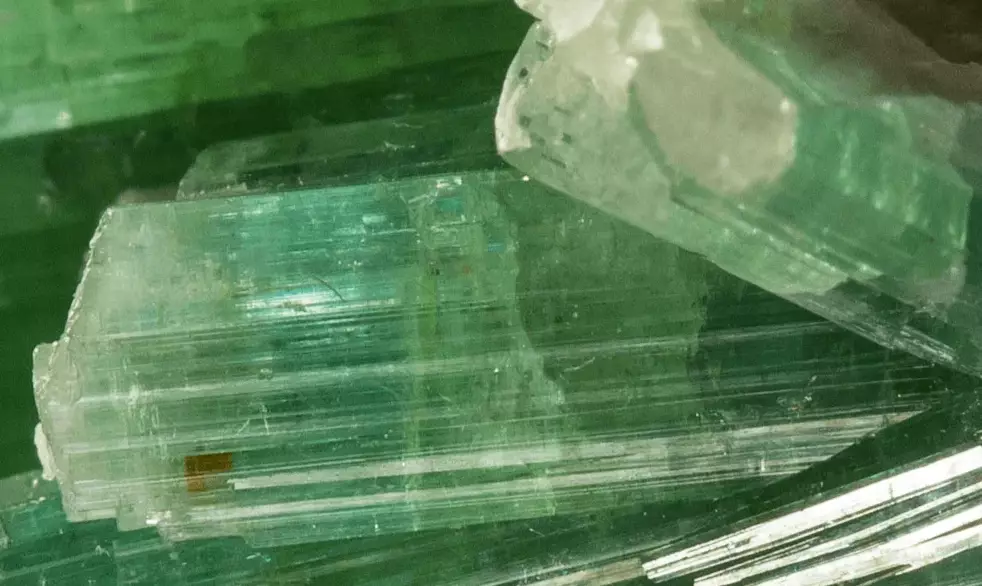
Here's a table summarizing key medical groups to consider:
| Group | Reason to Avoid | Alternative Suggestions |
|---|---|---|
| People with pacemakers | Potential electrical interference | Wear non-piezoelectric gems like quartz |
| Individuals with skin allergies | Risk of contact dermatitis from metals or residues | Choose hypoallergenic settings and clean stones |
| Those with thyroid conditions | Trace elements might affect function | Consult a doctor before wearing |
| Pregnant women | Uncertain effects; better safe than sorry | Stick to inert gems like diamond or sapphire |
Pregnant women often ask about tourmaline. While no studies prove harm, some crystal healers advise against it due to energetic shifts. My take? If you're pregnant, focus on comfort and safety—skip the tourmaline until after delivery.
Spiritual and Energetic Considerations
Beyond medicine, spiritual beliefs play a big role. Tourmaline is popular in New Age practices, but it might not suit everyone's energy.
Beliefs in Crystal Healing
In crystal healing, tourmaline is thought to absorb negative energy. But if you're already energetically sensitive or going through a turbulent time, wearing it could overwhelm you. I recall a client who wore black tourmaline during a stressful period and felt more anxious instead of calm. It turned out the stone was amplifying her stress rather than neutralizing it. This isn't mainstream science, but for believers, it's real.
When Tourmaline Might Not Align with Your Energy
Some people report feeling drained or irritable with tourmaline. It might clash with your personal vibration. If you're new to crystals, start with a milder stone like amethyst. A common mistake is wearing tourmaline daily without cleansing it—energetically, it can become saturated and ineffective or even反向. Cleanse it regularly under running water or moonlight.
Practical Scenarios and Case Studies
Let's look at real-life examples to make this concrete. These scenarios show how tourmaline can be problematic.
Real-Life Examples
Case study 1: Sarah, a 35-year-old with eczema, bought a tourmaline necklace. Within days, her neck broke out in a rash. The culprit? The silver setting contained nickel, and the tourmaline had residual polishing agents. She switched to a platinum-set tourmaline after thorough cleaning, and the issue resolved. Lesson: Always check the metal and clean new jewelry.
Case study 2: John, a meditation enthusiast, wore green tourmaline to enhance focus. Instead, he felt distracted and restless. His teacher suggested the stone's energy was too stimulating for his calm practice. He switched to blue lace agate and found better results. Sometimes, tourmaline's purported benefits backfire.
How to Test if Tourmaline is Right for You
Don't just buy and wear—test it out. Hold the tourmaline in your hand for a few minutes. Notice any physical sensations like warmth or tingling. If you feel discomfort, dizziness, or negativity, it might not be for you. Wear it for short periods initially, like an hour, and observe. I recommend this to all my clients, and it saves them from costly mistakes.
Another tip: Consult a reputable gemologist or healer. They can assess your compatibility based on your health and energy. But be wary of those pushing sales over safety.
Frequently Asked Questions
Wrapping up, tourmaline is a beautiful gemstone, but it's not universally suitable. If you fall into any of the risk groups—medical, allergic, or spiritual—take precautions or avoid it altogether. Always prioritize your health and comfort over trends. When in doubt, consult professionals and trust your instincts. After all, jewelry should enhance your life, not complicate it.