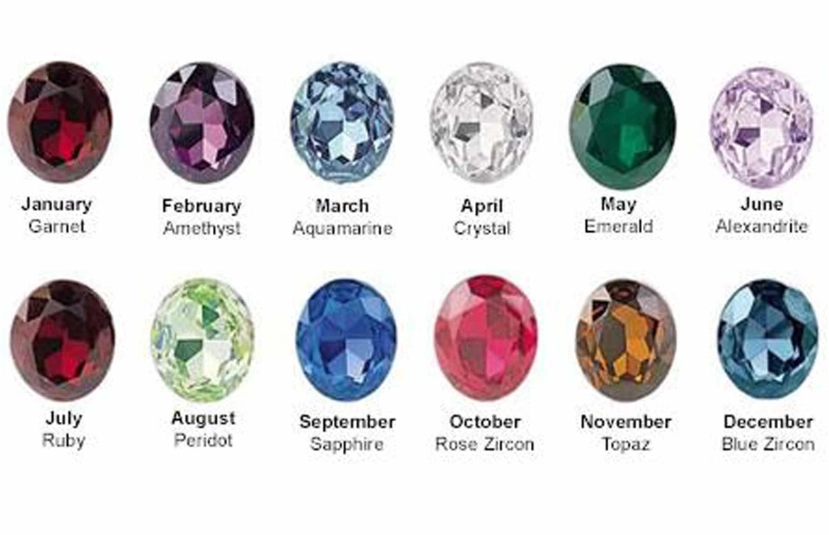
If you've ever shopped for peridot, the vibrant green August birthstone, you might have noticed something: finding a large, clean, richly colored stone can be surprisingly difficult and expensive. It's not like amethyst or citrine, which you can find in decent sizes almost anywhere. This leads to the core question: why is peridot so rare, especially in gem-quality form? The short answer is a perfect storm of geology, geography, and economics. It's not just one thing; it's a chain of unlikely events that must happen for a fine peridot to end up in a jeweler's case. Most of what you read online glosses over the gritty details of mining access and market realities, focusing only on the basic science. Having handled thousands of stones over the years, I can tell you the science is only half the story.
What You'll Discover
The Geological Lottery: Why Peridot is Rare from the Start
Let's get this straight: olivine, the mineral family peridot belongs to, is actually one of the most common minerals on Earth. It's a major component of the planet's mantle. But there's a massive, crucial difference between olivine and gem-quality peridot. Bridging that gap requires specific, violent, and rare events.
Formation in the Mantle and Beyond
Gem-quality peridot forms deep in the Earth's upper mantle, at depths of 20 to 55 miles (30-90 km). At those pressures and temperatures, the iron and magnesium silicate cocktail crystallizes into olivine. For it to become a gem we can reach, it needs a fast, express elevator to the surface. That elevator is usually volcanic activity, specifically basaltic lava. The lava acts as a carrier, ripping chunks of mantle rock (called xenoliths) and bringing them up during an eruption.
Here's the first bottleneck: the journey is brutal. The rapid change in pressure and temperature often shatters the crystals or leaves them heavily included. Finding a piece that survived this trip intact, with good color and clarity, is the first win in a long odds game.
A Non-Consensus Point: Many sources will tell you peridot also comes from pallasite meteorites. While true, this is a red herring when discussing commercial rarity. The amount of extraterrestrial peridot (sometimes called moldavite's cousin, but that's incorrect) that reaches the market is vanishingly small—more of a scientific curiosity and a niche collector's item than a source for jewelry. Don't let this "space gem" factoid fool you into thinking it adds to the available supply; it doesn't.
The Color and Clarity Conundrum
Not all green olivine is peridot. The gemological definition requires a specific, saturated yellowish-green to greenish-yellow hue. Too much yellow and it's forsterite (not typically used as a gem). Too pale or brownish, and it's just industrial olivine. The ideal "lime" or "chartreuse" green comes from a precise amount of iron in the crystal structure.
Furthermore, peridot is notoriously prone to inclusions. Lily pad inclusions, stress fractures, and black chromite specks are common. A completely eye-clean peridot over 2 carats is a notable find. This inherent clarity issue drastically reduces the yield of facetable material from any given deposit.
The Brutal Reality of Mining Peridot
This is the part most articles skip, but it's arguably more important than the geology. Knowing a gem exists underground is one thing. Getting it out economically and consistently is another beast entirely.
The world's primary source of gem peridot for the last century has been the San Carlos Apache Reservation in Arizona, USA. This single location supplies an estimated 80-90% of the world's market. Relying so heavily on one deposit is a massive risk factor for rarity. The mining operations there are small-scale, often family-run, and subject to the tribe's regulations and environmental stewardship. They don't operate like a massive diamond mine; output is limited and can fluctuate.
Other sources exist but come with their own severe limitations:
| Source | Key Characteristics | Why It's Limited |
|---|---|---|
| San Carlos, Arizona (USA) | Consistent, medium-green stones. The market standard. | Controlled, small-scale mining on tribal land. Primary but finite deposit. |
| Pakistan (Kashmir region) | Often larger, finer, more saturated green crystals. | Extremely remote, high-altitude mining. Weather limits season to a few months. Political instability. |
| Myanmar (Burma) | Historical source of vivid green stones. | Limited modern production due to political conflicts and trade sanctions. Access is difficult. |
| China & Vietnam | Newer sources producing commercial qualities. | Color is often more yellowish. Quality is inconsistent. Market penetration is still developing. |
I've spoken with miners from Pakistan. They describe hauling equipment by hand up cliffs for a short summer window. The yield is unpredictable. One season might bring a pocket of magnificent crystals; the next might yield nothing of gem quality. This instability means the market can't rely on a steady stream from these alternative sources.
Market Perception and the "Common" Myth
Here's a paradox: peridot is perceived by many as a "common" or "semi-precious" stone, which actually hides its true rarity. Because small, included, low-color peridot is relatively abundant (from San Carlos and elsewhere), it floods the lower end of the market—think $20-$50 silver rings. This creates the illusion of plenty.
But step up in quality, and the supply evaporates. Try to find a 5-carat, eye-clean, vivid grass-green peridot. The price per carat doesn't increase linearly; it skyrockets. You're now competing with serious collectors and designers for material that constitutes maybe 1% of total production. The market for fine peridot is thin and opaque. You won't find these stones on mainstream jewelry websites; they move through specialized dealers and auctions.
Furthermore, peridot lacks the massive, coordinated marketing engine of diamonds, rubies, or sapphires. No large corporation is investing billions to create demand and explore new deposits. It remains a niche gem, beloved by connoisseurs and birthstone seekers, but its supply chain is fragile and artisanal.
How to Find Quality Peridot (Despite the Rarity)
So, if you want a good peridot, what should you do? Don't get discouraged. Be strategic.
First, prioritize color over size. A small, vivid stone is more desirable and valuable than a large, washed-out one. Look for that unmistakable vibrant green without brown or gray undertones.
Second, understand and accept inclusions. A completely clean stone is a unicorn. Look for stones where inclusions don't detract from the face-up beauty. Some lily pad inclusions can even be considered desirable proof of natural origin.
Third, ask about origin. A reputable dealer should know. San Carlos stones are a safe bet for consistency. Pakistani material commands a premium for its potential top color. Be wary of vague answers.
Finally, build a relationship with a specialist. The best peridot often never gets listed online. It gets shown to trusted clients first. Consider working with a jeweler who has direct connections to lapidaries or miners. I've had my best finds through personal networks at gem shows, not through web searches.
Your Peridot Rarity Questions Answered
Is all peridot rare, or just the good stuff?
It's almost exclusively about the "good stuff." Commercial-grade peridot—small, included, pale stones—is plentiful. That's what you see in most mall jewelry. The rarity cliff appears when you want a stone over 3 carats, with a saturated green color and good clarity. That combination is exceptionally scarce. The gap between low-end and high-end peridot availability is wider than for almost any other gem.
Could a new large deposit be discovered, making peridot common?
Geologically, it's possible but increasingly unlikely. Most of Earth's surface has been mapped with advanced technology. A deposit large enough and rich enough in gem-quality material to flood the market would be a global sensation. More probable are small, sporadic finds that briefly boost supply from a new region (like recent activity in Ethiopia), but these don't fundamentally change the long-term rarity equation. They often just add variety, not volume.
I've heard peridot is fragile. Does that contribute to its rarity?
Indirectly, yes. Peridot has a hardness of 6.5 to 7 on the Mohs scale, making it susceptible to scratching and abrasion over time. More importantly, it can be damaged by sudden temperature changes and even by some common jewelry cleaning acids like sulfuric acid. This fragility means a significant amount of rough material is lost during the cutting process if not handled with extreme care. It also means antique peridot jewelry often has worn facets, reducing the pool of historic, high-quality specimens in pristine condition.
How does peridot's rarity compare to a gem like tanzanite?
They're rare in different ways. Tanzanite is famously from one small area in Tanzania (source: Gemological Institute of America), making its source rarity extreme. Peridot comes from more locations globally. However, tanzanite occurs in larger, cleaner crystals more frequently. For peridot, the source locations are multiple but the yield of high-quality material from each is painfully low. I'd argue that finding a 10-carat, fine peridot is currently a greater challenge than finding a 10-carat, fine tanzanite, due to peridot's inherent clarity and color zoning issues at large sizes.